Decision Analysis on the Best Communication Timing for Reconnecting Left-Behind and Long-Distance Parent-Child Relationships
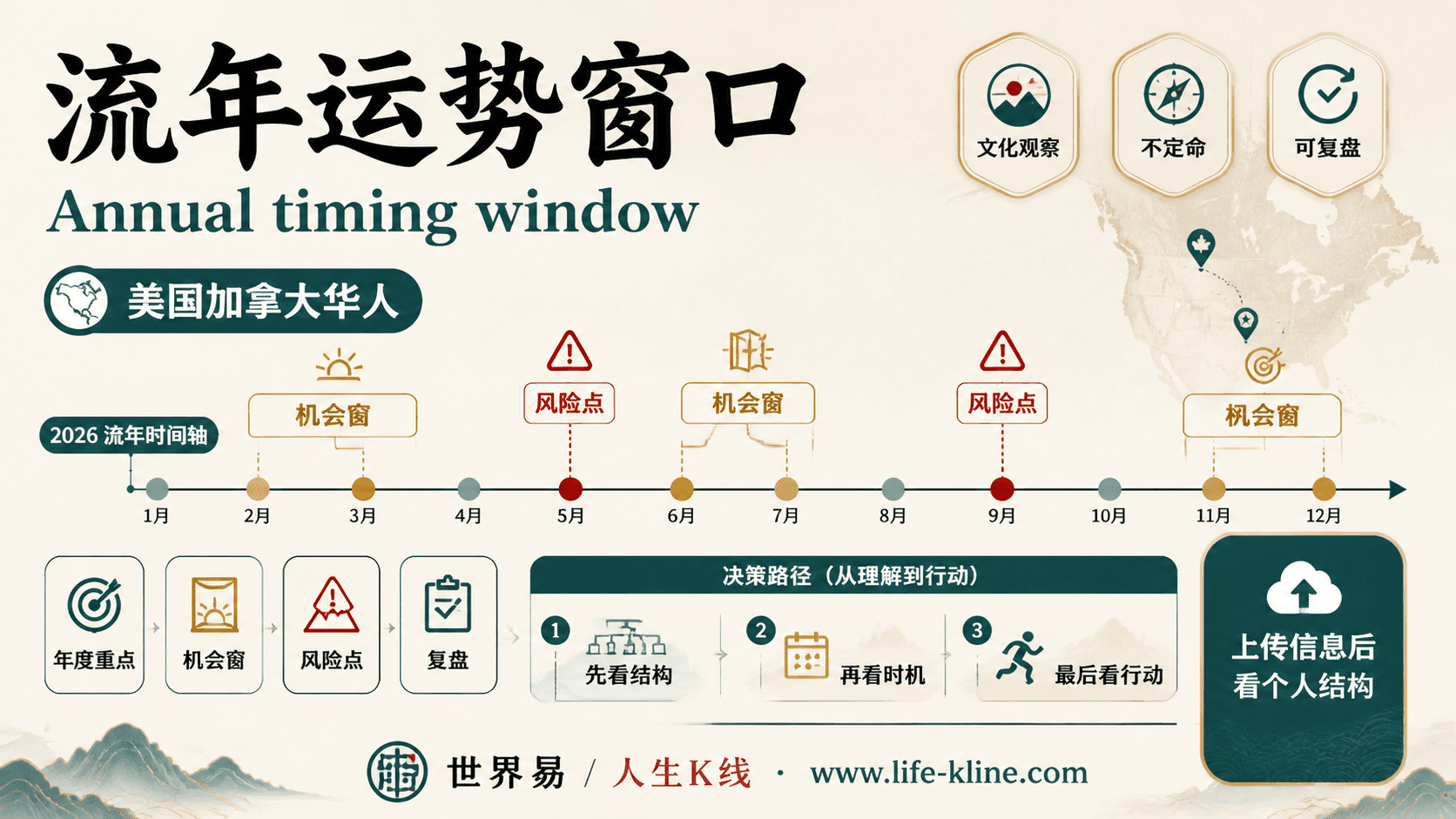
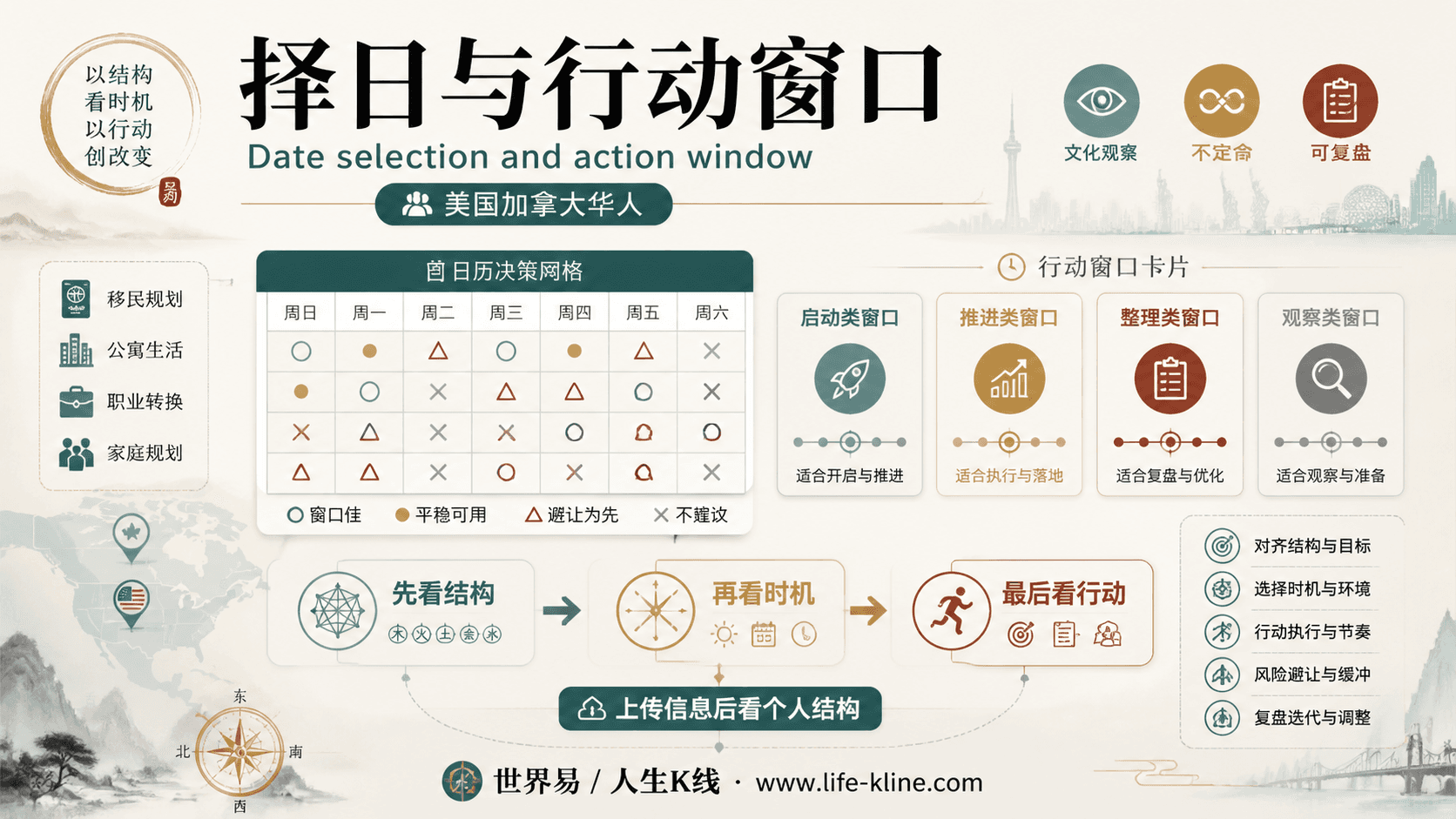
把这篇文章落到自己身上验证:先看结构,再进入个人分析,不做泛泛阅读。
Why This Decision Is Especially Difficult in This Scenario
The core challenge in left-behind and long-distance separated parent-child relationships lies in attachment gaps and compensatory psychology. Due to the lack of continuous parental companionship, children’s emotional dependence and sense of security are impaired. Parents often face children’s resistance and emotional fluctuations upon returning to cohabitation, resulting in intense communication friction. The accumulation of emotions and intergenerational cognitive differences make rule adjustments and key decisions highly resistant.
Psychology points out that unstable attachment relationships cause children to express their needs with emotional coloring. If parents cannot accurately grasp the communication rhythm, conflicts are easily intensified. In parenting dynamics, parents’ compensatory behaviors often lead to either overindulgence or strictness, which deepens the rift between parent and child.
BaZi structures play a role in rhythm assistance in this scenario. Different Day Master strengths and patterns, especially the configuration of Shi Shen (食神, representing children’s star) and Yin Xing (印星, symbolizing attachment), affect the intensity of children’s emotional expression and dependence needs, thereby influencing communication smoothness. The relationships between Guan Sha (官杀, authority star) and Bi Jie (比劫, competition star) in Da Yun and Liu Nian determine the timing and resistance level of parent-child rule adjustments.
Therefore, judging the best timing for communication and guidance must simultaneously consider parenting psychological dynamics and BaZi rhythms, avoiding blind conflicts or ineffective waiting, to efficiently promote parent-child relationship reconstruction.
Three Core Dimensions of BaZi Judgment
First, the Day Master and Shi Shen. The Day Master represents the child’s self, while Shi Shen reflects the child’s emotional expression and autonomy. In left-behind parenting scenarios, charts with strong Shi Shen often show overt emotions and a pursuit of freedom. Positive communication is best strengthened when Shi Shen is supported by beneficial elements, facilitating emotional release and rule negotiation.
Second, Yin Xing and attachment. Yin Xing symbolizes attachment and support. Children with strong Yin Xing or aided by the Yong Shen (favorable element) have strong attachment needs and show obvious emotional dependence on parents during reunion periods. When Yin Xing is clashed or combined unfavorably in Da Yun and Liu Nian, communication is easily obstructed. Parents need to appropriately adjust expectations and cooperate with psychological counseling to alleviate attachment gaps.
Third, Guan Sha and authority. Guan Sha stars represent rules and authority. When Guan Sha is supported or harmonized in Da Yun and Liu Nian, parents’ adjustments of rules and authoritative guidance are more readily accepted. Conversely, if Guan Sha is restrained or invaded by Bi Jie, rule adjustments are difficult and prone to conflict, requiring careful selection of communication timing.
In summary, the interaction between Liu Nian and Da Yun is especially critical. During auspicious Da Yun, following the flow of Liu Nian increases the success rate of communication adjustments. The appearance of Ji Shen (unfavorable element) Fire often triggers emotional volatility and friction, so key decisions should avoid such periods.
Three Real BaZi Chart Case Studies
Case 1: Male, age 30-35, Day Master Ji (己, Earth), moderately strong, Jie Cai pattern, Yong Shen Wood and Water, Ji Shen Fire. Currently in Xin Hai (辛亥) Da Yun, Bing Wu (丙午) Liu Nian. The Ji Earth Day Master is moderately strong; Jie Cai pattern indicates strong self-awareness and competitiveness. The Wood and Water Yong Shen suggest that the child’s emotional expression and flexibility need nurturing. Xin Hai Da Yun is auspicious, and Bing Wu Liu Nian follows the trend, but Bing Wu contains Fire, the Ji Shen, which may cause emotional friction. Under this structure, parents should choose months within the Xin Hai Da Yun when Water and Wood energies are stronger to communicate during the child’s emotional outbursts and competitiveness, avoiding the Fire-strong summer months, and combine with psychological support to guide emotions and improve communication effectiveness.
Case 2: Female, age 35-40, Day Master Geng (庚, Metal), balanced, Zheng Yin pattern, Yong Shen Metal, Ji Shen Fire. Gui Mao (癸卯) Da Yun is stable, Bing Wu (丙午) Liu Nian. The Zheng Yin pattern reflects strong attachment needs; Metal Yong Shen stabilizes internal order. The stable Da Yun is suitable for maintaining status quo, but the Fire-strong Bing Wu Liu Nian is the Ji Shen and may bring emotional tension. Under this structure, parents should pay attention to emotional fluctuations related to attachment, choosing periods within Gui Mao Da Yun when Water and Wood energies are stronger for positive communication, avoiding rule enforcement during Fire-strong Liu Nian months. Family therapy is recommended to alleviate attachment fractures and improve communication success.
Case 3: Female, age 40-45, Day Master Xin (辛, Metal), balanced, Pian Yin pattern, Yong Shen Wood, Ji Shen Fire. Yi Wei (乙未) Da Yun is auspicious, Bing Wu (丙午) Liu Nian is favorable. The Pian Yin pattern symbolizes strong independent thinking in the child; Wood Yong Shen benefits emotional release. The auspicious Da Yun and favorable Liu Nian support communication and rule adjustments. However, Ji Shen Fire remains a source of emotional friction. This chart is suitable for key communication during Wood-strong months of Yi Wei Da Yun, utilizing the Pian Yin’s gentle wisdom to resolve potential conflicts, combined with psychological counseling to promote a balance between the child’s autonomy and attachment needs.
These three cases illustrate that the strength of Yin Xing and Shi Shen, the constraint of Ji Shen Fire, and the auspicious or inauspicious interactions of Da Yun and Liu Nian are key to judging the timing for guiding communication in left-behind parent-child relationships. Parents should combine BaZi rhythms with psychological counseling to precisely grasp communication windows and promote relationship repair.
Common Misjudgments and Blind Spots in This Scenario
A major misjudgment is simply attributing the timing for parent-child communication to periods when the child’s emotions are stable, while neglecting the regulatory role of Da Yun and Liu Nian on emotions and authority acceptance, leading to frequent ineffective communication and intensified conflicts.
Another blind spot is ignoring the misalignment between Yin Xing and Shi Shen. Parents may overly emphasize rule authority (Guan Sha) while neglecting the child’s attachment needs and emotional expression (Yin Xing and Shi Shen), causing communication imbalance and worsening attachment gaps.
Many parents also push rule adjustments during Ji Shen Fire-strong periods without early recognition of emotional risks brought by Liu Nian, resulting in severe parent-child conflicts and delaying the reconnection process.
Finally, relying solely on BaZi judgment without professional psychological intervention risks neglecting the child’s mental health, especially when self-harm, depression, or violent tendencies appear, delaying timely assistance.
Practical Judgment Sequence
Step 1: Check the child’s BaZi chart for Day Master strength and pattern, focusing on the status of Yin Xing (attachment) and Shi Shen (emotional expression) to assess current attachment security and emotional fluctuation levels.
Step 2: Combine Da Yun and Liu Nian to evaluate whether Guan Sha (authority) stars are supported or restrained, clarifying feasible timing for rule adjustments, and avoid Liu Yue (monthly luck) with strong Ji Shen Fire to reduce emotional conflict risks.
Step 3: Select communication windows according to BaZi rhythms, integrate family therapy or psychological counseling for emotional guidance and attachment repair, avoiding reliance solely on BaZi judgment.
Step 4: Continuously observe the child’s emotional and behavioral feedback, adjust communication strategies in time, neither pushing blindly nor overindulging, maintaining dynamic balance to promote healthy parent-child interaction.
FAQ
Question 1: Why does Ji Shen Fire in Da Yun and Liu Nian affect communication timing? Answer: Ji Shen Fire usually represents emotional impatience and impulsiveness. During rule adjustments, it easily intensifies conflicts. Since left-behind children’s emotional foundation is fragile, avoiding Fire-strong periods reduces unnecessary disputes.
Question 2: What do Yin Xing and Shi Shen specifically represent in parent-child communication? Answer: Yin Xing symbolizes attachment and support, reflecting the child’s emotional needs toward parents; Shi Shen reflects emotional expression and autonomy. Imbalance between the two leads to communication gaps or emotional outbursts. Understanding their rhythms aids precise guidance.
Question 3: Can BaZi judgment replace psychological counseling? Answer: BaZi only assists in grasping communication rhythm and risks; it cannot replace professional psychological counseling and family therapy. When issues like self-harm, depression, or violence arise, professional help must be prioritized.
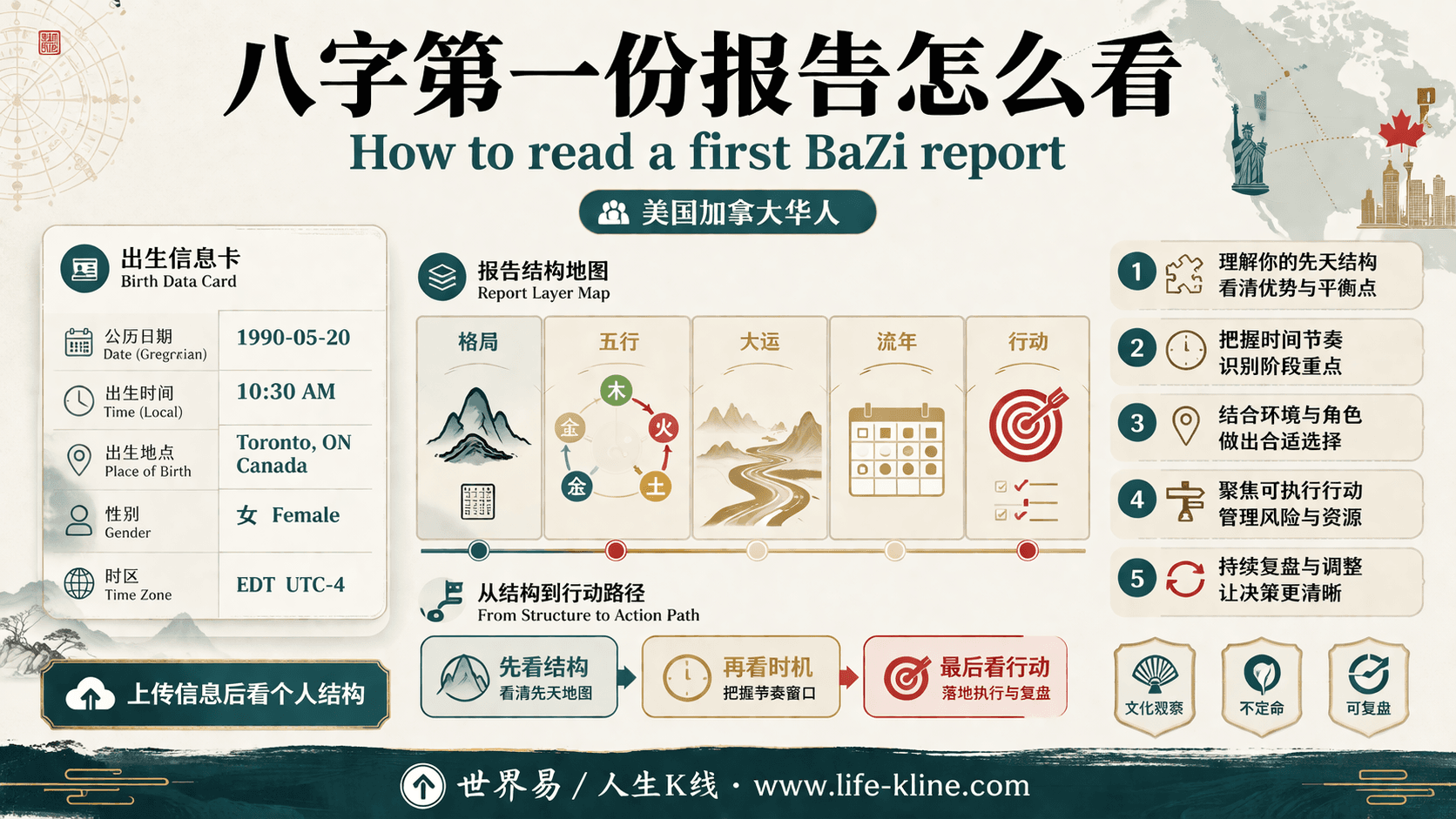
八字第一份报告怎么看|美国加拿大华人
这张图把《Decision Analysis on the Best Communication Timing for Reconnecting Left-Behind and Long-Distance Parent-Child Relationships》里的命理概念转成关系、边界和应用场景,适合先看图建立结构,再回到知识文章正文理解细节。
八字第一份报告怎么看不应被写成固定结论。更适合美国加拿大华人的读法,是把传统术语翻译成结构、时机、环境、行动和复盘。
查看图片解读