Detailed Explanation of the Earthly Branch Xu (戌): Attributes and Applications in Metaphysics
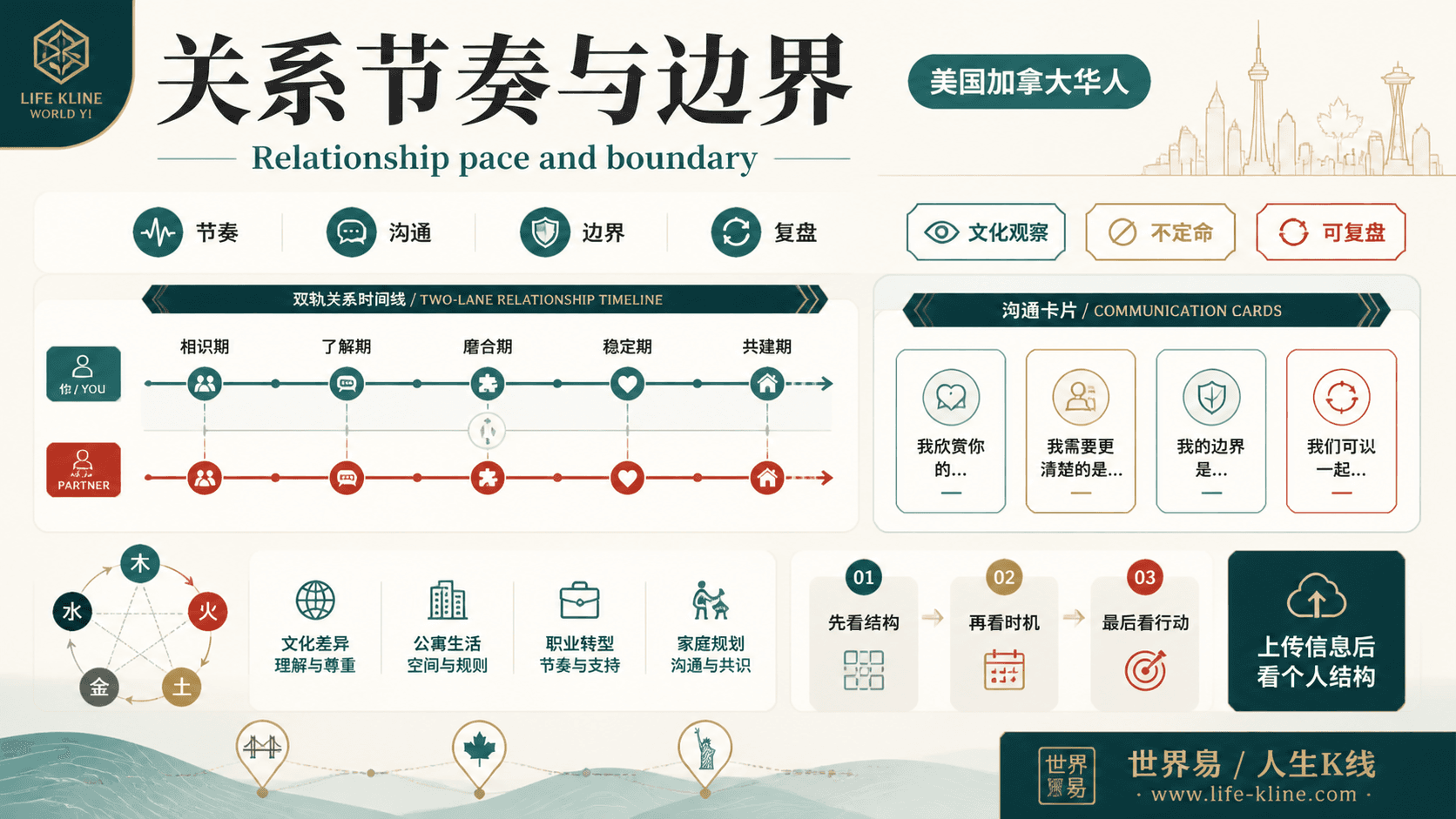
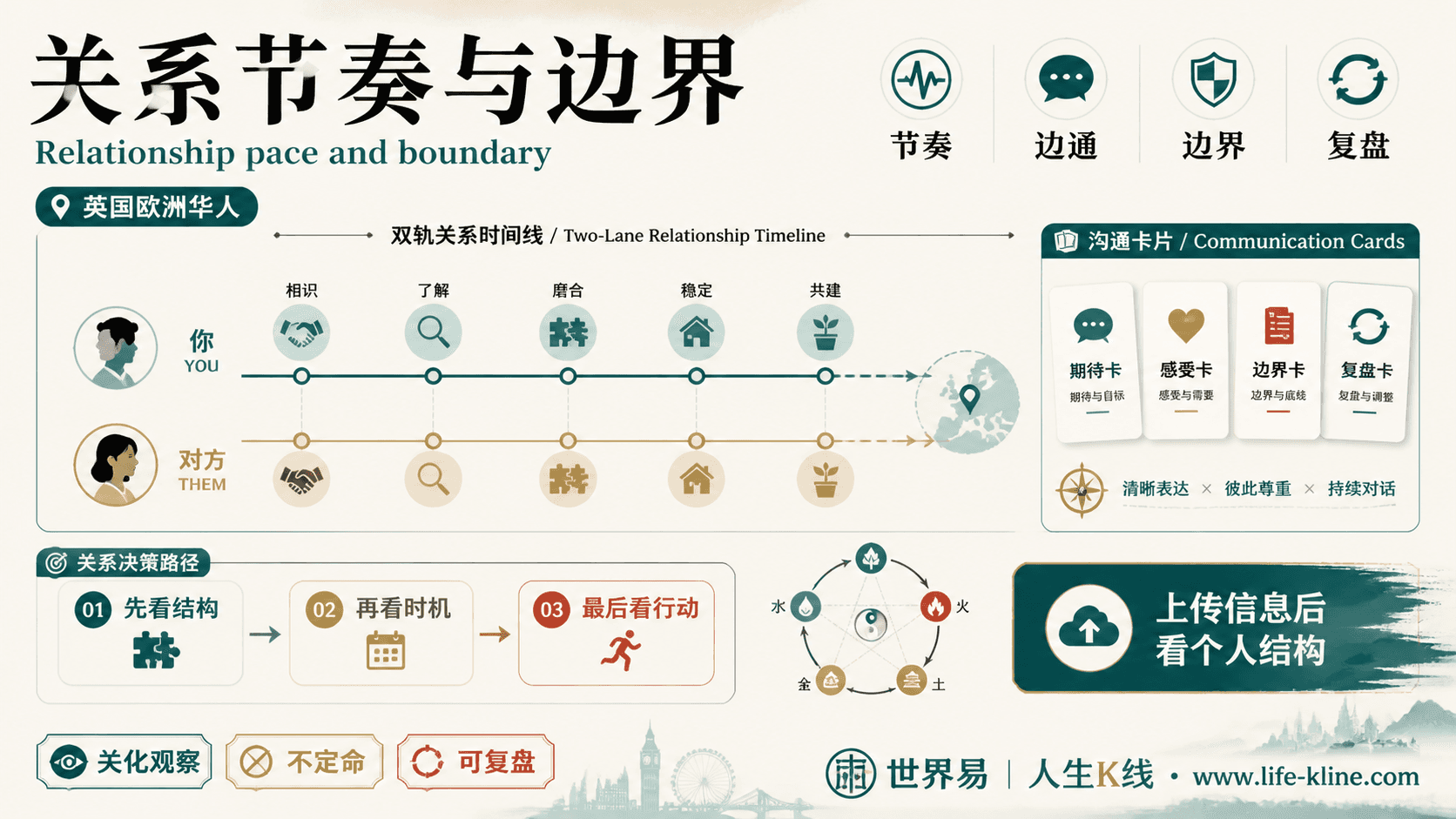
把这篇文章落到自己身上验证:先看结构,再进入个人分析,不做泛泛阅读。
Concept Definition
Xu (戌) is one of the traditional twelve Earthly Branches (Di Zhi) in Chinese metaphysics, classified as a Yang branch representing active and extroverted energy. Its primary Five Element is Earth, embodying stability, inclusiveness, and nurturing qualities. In BaZi (Four Pillars) analysis, Xu is used to mark years, months, days, and hours, carrying rich symbolic meanings and practical applications.
Regarding hidden Heavenly Stems (Cang Gan), Xu contains three stems: Wu (戊), Xin (辛), and Ding (丁), each representing different Five Element attributes and energy layers. This composition gives Xu a diversified characteristic in metaphysical combinations. Xu also engages in multiple interactions with other Earthly Branches, such as six clash (Liu Chong), six harmony (Liu He), punishment (Xiang Xing), and harm (Xiang Hai), forming a complex metaphysical network.
Specifically, Xu forms a six clash relationship with Chen (辰), indicating potential conflict and change; a six harmony with Mao (卯), symbolizing harmony and cooperation; a punishment relationship with Wei (未), hinting at internal friction; and a harm relationship with You (酉), which may cause unfavorable effects. These relationships are essential foundations for interpreting BaZi charts.
Metaphysical Characteristics and Symbolic Meaning
As a Yang Earth branch, Xu symbolizes heaviness and stability, often compared to mountains or soil, representing a solid foundation and bearing capacity. Its hidden stems include Wu (戊) as Yang Earth, Xin (辛) as Metal, and Ding (丁) as Yin Fire. This combination reflects the generating and controlling cycles among Earth, Metal, and Fire, illustrating a complex and multi-layered energy interplay.
The six clash relationship between Xu and Chen implies that when both appear in a BaZi chart, conflicts and turbulence are likely, symbolizing moments of transformation and instability that require cautious handling. Conversely, the six harmony between Xu and Mao represents harmonious and mutually supportive relations, often regarded as an auspicious combination.
Punishment and harm relationships indicate potential internal contradictions and external frictions. Xu’s punishment with Wei suggests certain restraints and conflicts within, while its harm with You may bring adverse external influences. These require balancing the Five Elements or other metaphysical methods to alleviate.
Practical Configuration and Interpretation
In practical BaZi analysis, the presence of Xu often signals the strength and stability of the Earth element, while its interactions with Chen, Mao, Wei, and You need close attention. For example, when Xu clashes with Chen, it may foreshadow disruptions in life or career, necessitating mindset adjustment and strategic measures to resolve the clash.
When Xu forms a six harmony with Mao, it indicates favorable cooperative relationships and resource integration abilities, suitable for teamwork or partnerships, bringing positive progress and support. This combination carries good implications in career selection and marriage.
When Xu punishes Wei, it may imply inner conflicts or family tensions, which should be eased through communication and understanding. Xu’s harm with You suggests potential external obstacles or health issues, where Five Element balancing or Feng Shui adjustments are advisable for improvement.
Common Misconceptions
Some beginners in metaphysics tend to oversimplify Xu’s Earth attribute as a singular stable force, neglecting the complex roles of the hidden stems Xin (Metal) and Ding (Fire), resulting in one-sided interpretations. In reality, Xu’s Five Element energies are diverse and dynamic, requiring comprehensive analysis with its hidden stems and other Earthly Branches.
Additionally, Xu’s six harmony, six clash, punishment, and harm relationships with other branches are often misapplied or confused. For instance, treating the six harmony between Xu and Mao as absolutely auspicious without considering other conflicting factors in the chart may lead to erroneous judgments. The correct approach is to flexibly apply these relationships in the context of the entire BaZi chart.
FAQ
Question: Why is Xu classified as a Yang branch? Answer: Xu belongs to the Yang branches among the Earthly Branches, representing Yang energy characterized by positivity, extroversion, and robustness, consistent with the Yang traits in Yin-Yang and Five Elements theory.
Question: Why does Xu contain three hidden Heavenly Stems? Answer: Xu’s hidden stems include Wu (Yang Earth), Xin (Yin Metal), and Ding (Yin Fire), reflecting Xu’s composite nature as Earth with multiple energy layers, providing rich information for BaZi analysis.
Question: What does the clash between Xu and Chen mean? Answer: The six clash (Liu Chong) between Xu and Chen symbolizes conflict and change. When both appear in a chart, they may bring turbulence or challenges, signaling the need for adjustment and resolution.
Question: How to understand the six harmony between Xu and Mao? Answer: The six harmony (Liu He) between Xu and Mao indicates mutual assistance and harmonious relations, symbolizing cooperation and support, regarded as one of the auspicious combinations in metaphysics.
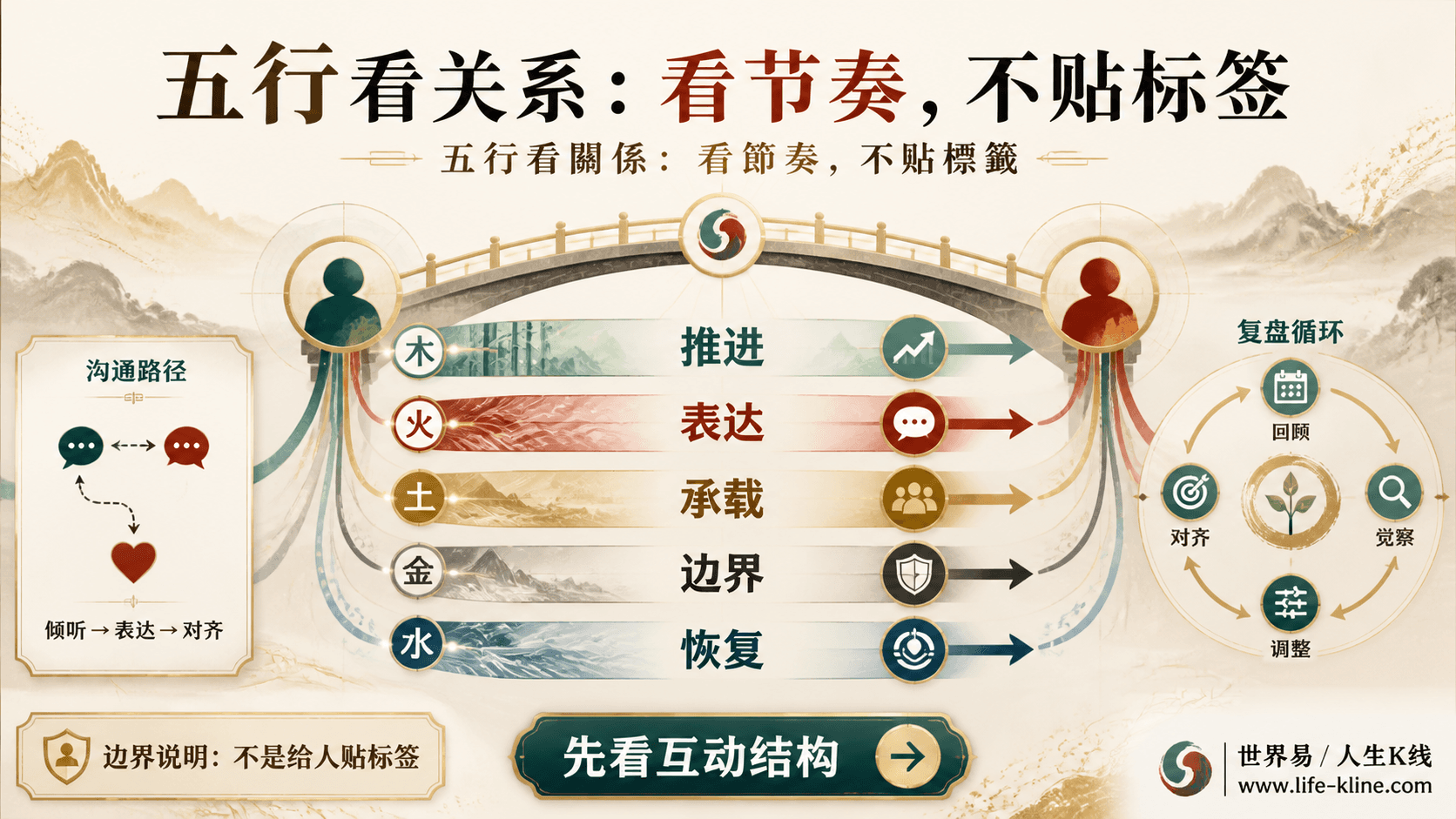
五行与关系节奏图
这张图把《Detailed Explanation of the Earthly Branch Xu (戌): Attributes and Applications in Metaphysics》里的命理概念转成关系、边界和应用场景,适合先看图建立结构,再回到知识文章正文理解细节。
五行提供一种结构化视角,帮助观察关系中的推进、表达、承载、边界与恢复节奏。它不是性格定型工具,而是辅助我们留意互动的时位、环境与动作选择。
查看图片解读