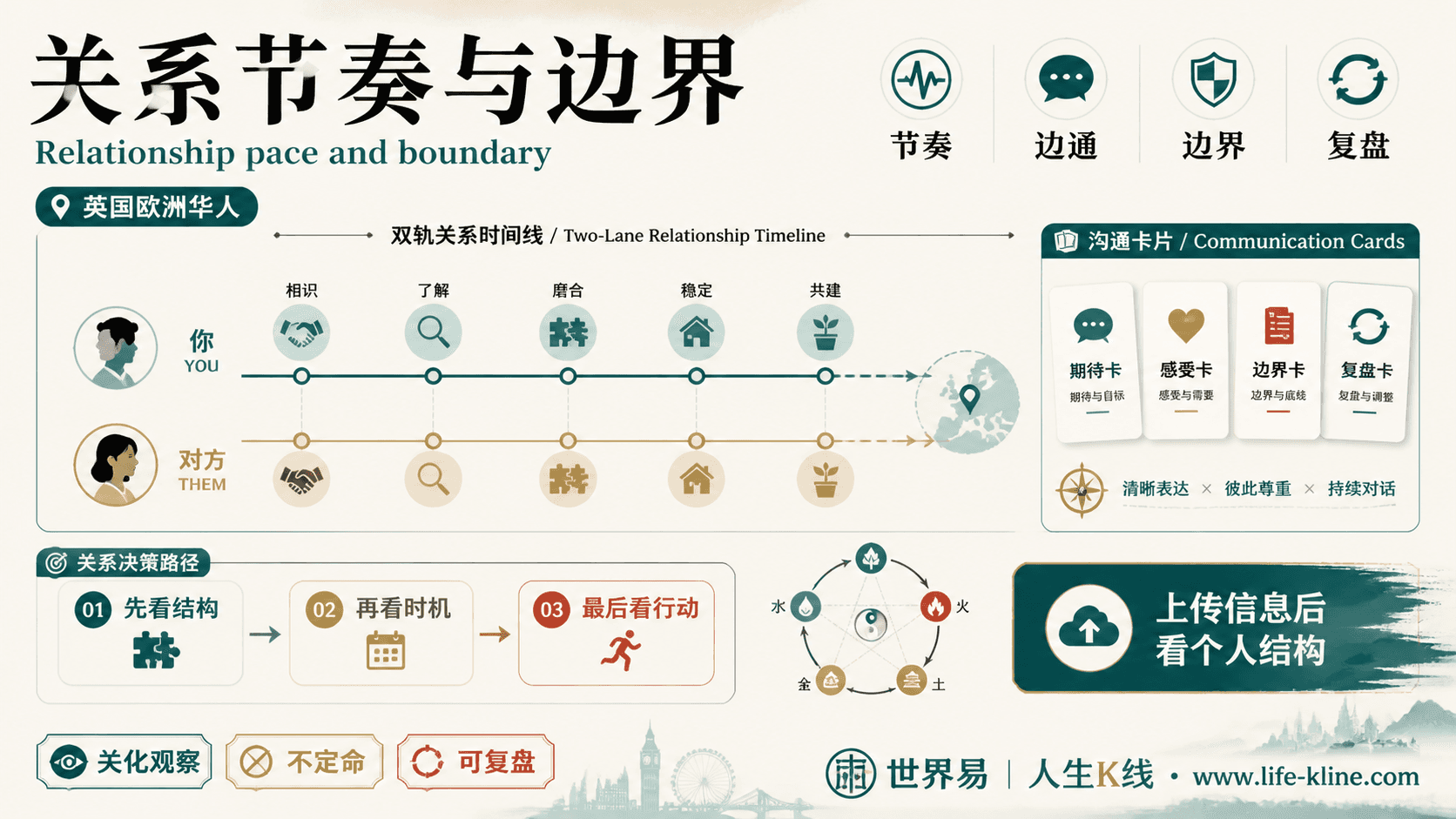
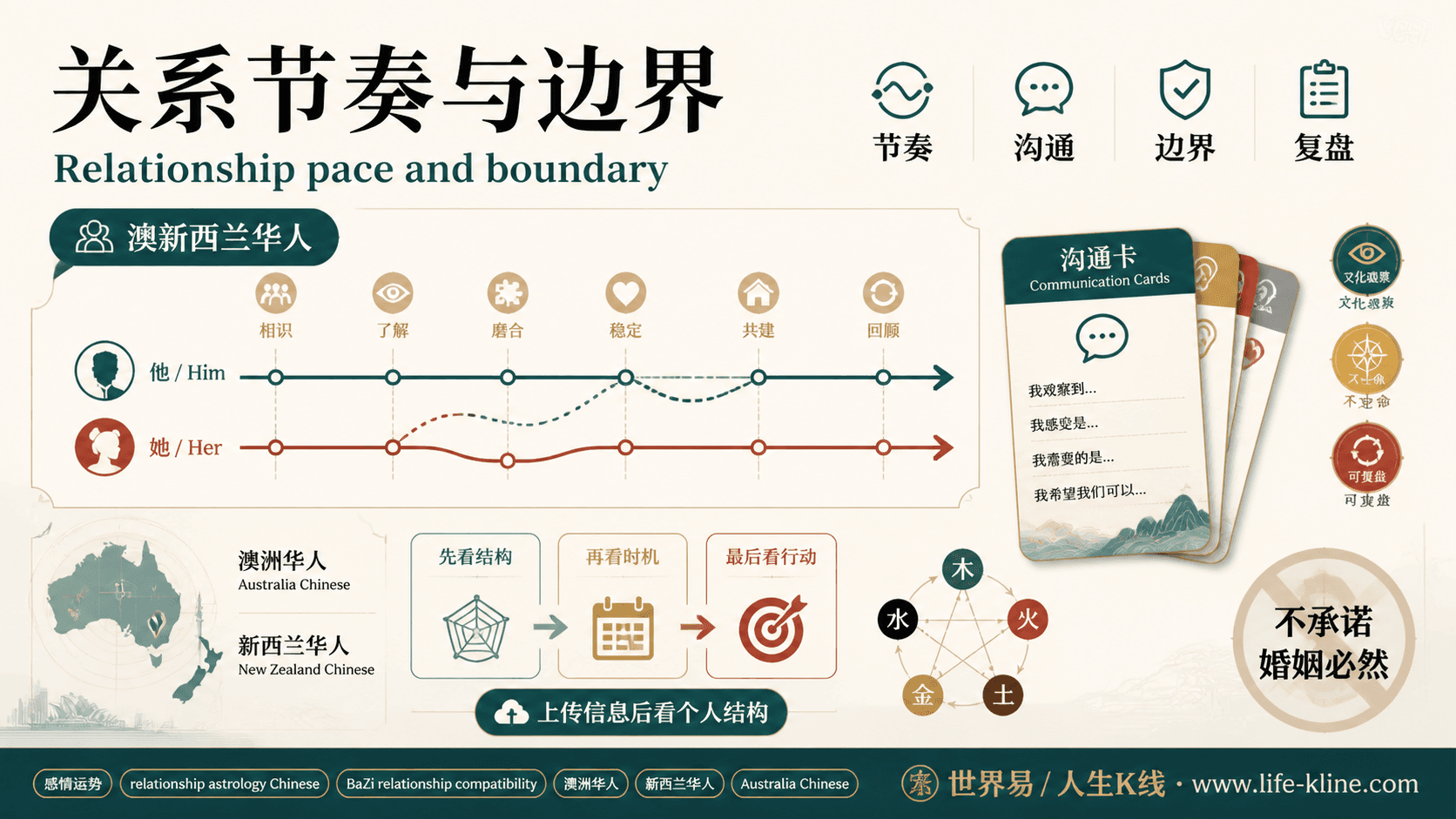
Reconciliation with Absent Parents in Adulthood: Analysis of the Yin Star, Bi Jian, and Guan Sha Structures in Decisions to Approach or Distance
把这篇文章落到自己身上验证:先看结构,再进入个人分析,不做泛泛阅读。
你现在搜索的,
其实是一个要落到自己身上的判断。
当前页面主要回答「Parent-Child Relationship」这类搜索问题;真正有价值的下一步是把这套结构带进自己的报告、工具与案例验证。
Why This Decision Is Especially Difficult in This Scenario
Emotionally indifferent or absent parents often cause adult children to develop deep attachment trauma and intimacy disorders, making the decision to repair or distance extremely complex. On one hand, cultural expectations and emotional coercion from the original family may pressure children to feel they must actively approach; on the other hand, blurred psychological boundaries and lack of security make distancing a necessary form of self-protection.
Within this family dynamic, adult children are often caught in conflicting emotional pulls, struggling to clarify the boundaries between their own needs and family responsibilities. Emotional insecurity heightens sensitivity to parental absence, with repeated testing and emotional confrontations in intimate relationships frequently occurring.
The BaZi structure, especially the combination of Yin Star (印星), Bi Jian (比肩), and Guan Sha (官杀), rhythmically reflects the inner resources and external environmental support or impact when children face pressure from their original family. Yin Star represents parental influence and spiritual support; Bi Jian symbolizes sibling or peer competition and support; Guan Sha relates to authority pressure and rule constraints.
Therefore, combining psychological perspectives with BaZi rhythms allows a more comprehensive understanding of how adult children decide to approach or distance themselves from emotionally absent parents, avoiding overdependence on family emotional coercion while not easily severing original family ties.
Three Core Dimensions of BaZi Judgment
First, the relationship between the Day Master (日主) and the Yin Star is key to judging parental influence and spiritual support. A strong Yin Star that nourishes the Day Master often indicates the child still retains emotional attachment and desire toward the parents, suitable for cautiously attempting relationship repair under safe conditions. Conversely, a weak or clashed Yin Star suggests a colder parental image and insufficient psychological security, tending toward maintaining distance.
Second, the role of Bi Jian reflects peer competition or emotional support. A strong Bi Jian may bring heightened emotional self-protection awareness, exacerbating intimacy barriers, but also indicates self-resources and independence, favoring a strategy of distancing to maintain personal boundaries.
Third, Guan Sha represents authority pressure and rule constraints. Parental disciplinary styles and cultural expectations often relate to Guan Sha. A strong and powerful Guan Sha may cause the child to feel significant authoritative constraints and emotional oppression; decision-making must be cautious not to be driven by emotional coercion while ignoring self-feelings. Changes in Liu Nian (annual fortune) and Da Yun (decade luck cycle) modulate the strength of these forces, influencing the timing and intensity of decisions.
In summary, the structures of Yin Star, Bi Jian, and Guan Sha and their interactions with Yong Shen (用神) and Ji Shen (忌神) form the BaZi foundation for adult children’s emotional repair or distancing decisions toward absent parents, requiring careful interpretation combined with specific family backgrounds and psychological states.
Three Real BaZi Case Studies
Case 1: This gentleman’s Day Master is 甲 (Jia) Wood, relatively strong, belonging to the Shi Shen (食神) pattern. His Da Yun is 庚辰 (Geng Chen, ages 36-45), with the current Liu Nian being 丙午 (Bing Wu). Overall, the Da Yun is auspicious and the Liu Nian is favorable. In his chart, the Yin Star elements (Metal and Earth) are the Yong Shen (favorable elements), while the Ji Shen (unfavorable element) Water is suppressed, indicating he has strong internal spiritual support resources. Although the parental image is somewhat cold, there is potential for repair. Bi Jian (Jia Wood) is strong, showing strong self-protection and independence. He is suitable to maintain some distance to establish healthy boundaries while using the auspicious Da Yun timing to cautiously attempt moderate rapprochement, avoiding emotional overdependence. The recommended judgment sequence is first to assess his emotional security, then combine the current Da Yun and Liu Nian timing, and gradually promote reconciliation with psychological counseling support.
Case 2: This lady’s Day Master is 丁 (Ding) Fire, relatively strong, with the Yang Ren (羊刃) pattern, symbolizing significant emotional volatility. Her Yong Shen is Water, and Ji Shen is Wood. Her Da Yun is 丁酉 (Ding You, ages 21-30), and the Liu Nian is 丙午 (Bing Wu). The Da Yun is stable but requires maintenance. The Yin Star Water reflects a desire for maternal or spiritual support, but the Yang Ren pattern shows her inner emotions are prone to intense fluctuations, causing frequent conflicts in intimate relationships. The Yin Star is insufficient to fully support spiritual attachment; Bi Jian is not obvious, and Guan Sha is not prominent, suggesting she may feel lonely and vulnerable in intimate relationships. The decision advice is to prioritize emotional distancing to build self-security, then reassess the possibility of active approach when emotions stabilize, with professional psychological counseling to help manage emotions and boundaries.
Case 3: This gentleman’s Day Master is 甲 (Jia) Wood, relatively strong, with the Zheng Guan (正官) pattern. His Yong Shen are Metal and Earth, and Ji Shen is Water. His Da Yun is 乙亥 (Yi Hai, ages 51-60), a stable luck period, with the Liu Nian being 丙午 (Bing Wu), requiring flexible adaptation. The Zheng Guan pattern reflects strict authority pressure; Guan Sha is strong. Although the Yin Star Metal and Earth assist, the parental authority image is strong, possibly causing significant emotional oppression and constraint. Bi Jian is weak, lacking peer emotional support, making the child feel powerless before authority. This chart suggests distancing may be the priority for self-protection, but during the stable Da Yun period, limited attempts at repair under professional counseling support are possible to avoid intensifying emotional conflicts.
These three cases illustrate how BaZi structures reflect the internal resources and external pressures adult children face with absent parents, providing rhythmic references for whether to distance or approach. However, all require integration with psychological counseling to avoid simplistic BaZi-only judgments.
Common Misjudgments and Blind Spots in This Scenario
A common misjudgment is equating a strong Yin Star simply with suitability for repairing relationships, neglecting emotional boundaries and psychological security deficits. Although Yin Star represents parental influence, if the child lacks Bi Jian support and self-protection ability, blindly approaching may worsen attachment trauma.
Another blind spot is ignoring the interaction between Liu Nian (annual fortune) and Da Yun (decade luck), leading to forced reconciliation during unfavorable timing, which may trigger family emotional conflicts. BaZi rhythms suggest following the timing and avoiding forced changes.
Additionally, overemphasizing Guan Sha’s authority pressure while neglecting individual subjective agency and psychological growth can cause passive avoidance or excessive compliance, failing to truly resolve core original family issues.
Finally, BaZi is only an auxiliary tool. Neglecting professional psychological counseling and family therapy risks oversimplified judgments, unable to effectively address complex attachment trauma and intimacy disorders.
Practical Judgment Sequence
First, assess the strength distribution of Yin Star, Bi Jian, and Guan Sha in the BaZi chart, combined with Yong Shen and Ji Shen, to judge the level of spiritual support system and emotional security. A strong and nourishing Yin Star with moderate Bi Jian indicates a foundation for attempting to establish or repair relationships; conversely, a weak Yin Star or strong Bi Jian suggests prioritizing self-boundary protection.
Second, combine the current Da Yun and Liu Nian to confirm external environmental support. Follow the momentum, using auspicious Da Yun or favorable Liu Nian timing to attempt active approach; during disruptive or unfavorable periods, maintaining distance for self-repair is more appropriate.
Finally, cooperate with professional psychological counseling or family therapy to gradually build healthy communication and emotional expression methods, avoiding decisions driven by emotional coercion or authority oppression. Maintain sensitivity to one’s own emotions during decision-making, gradually adjusting intimacy rather than adopting an all-or-nothing reconciliation or severance.
FAQ
Question 1: Does a weak Yin Star necessarily mean one must distance? Answer: A weak Yin Star indicates insufficient parental spiritual support, but whether to distance depends on the strength of Bi Jian and Guan Sha, as well as one’s emotional security. It cannot be decided by Yin Star alone; comprehensive evaluation with psychological counseling is recommended.
Question 2: Does a strong Bi Jian mean one is easily emotionally influenced? Answer: A strong Bi Jian represents strong self-protection and peer relationships. Sometimes it may intensify emotional reactions, but it also means good independent resources, suitable for making rational decisions based on boundary protection.
Question 3: With strong Guan Sha pressure, how to avoid emotional coercion? Answer: Strong Guan Sha indicates strong authority constraints. Adult children need to establish clear boundaries through psychological counseling, recognize emotional coercion, and learn rational and emotional management skills to gradually achieve self-directed intimate relationships.
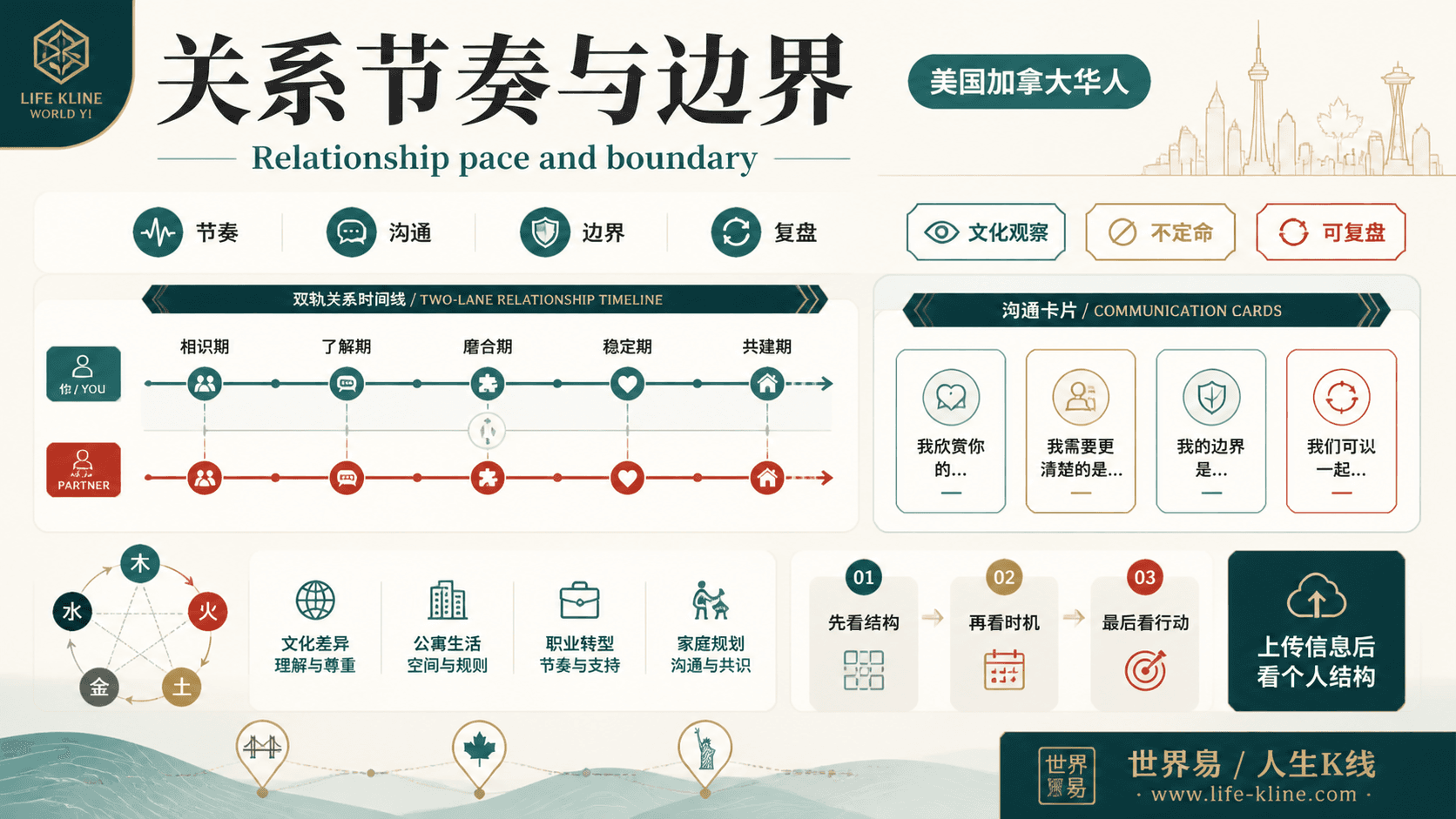
关系节奏与边界|美国加拿大华人
这张图把《Reconciliation with Absent Parents in Adulthood: Analysis of the Yin Star, Bi Jian, and Guan Sha Structures in Decisions to Approach or Distance》里的命理概念转成关系、边界和应用场景,适合先看图建立结构,再回到知识文章正文理解细节。
关系节奏与边界不应被写成固定结论。更适合美国加拿大华人的读法,是把传统术语翻译成结构、时机、环境、行动和复盘。
查看图片解读