Analysis of Maintenance and Disconnection Decisions in Adult Reconciliation with Indifferent or Absent Parents
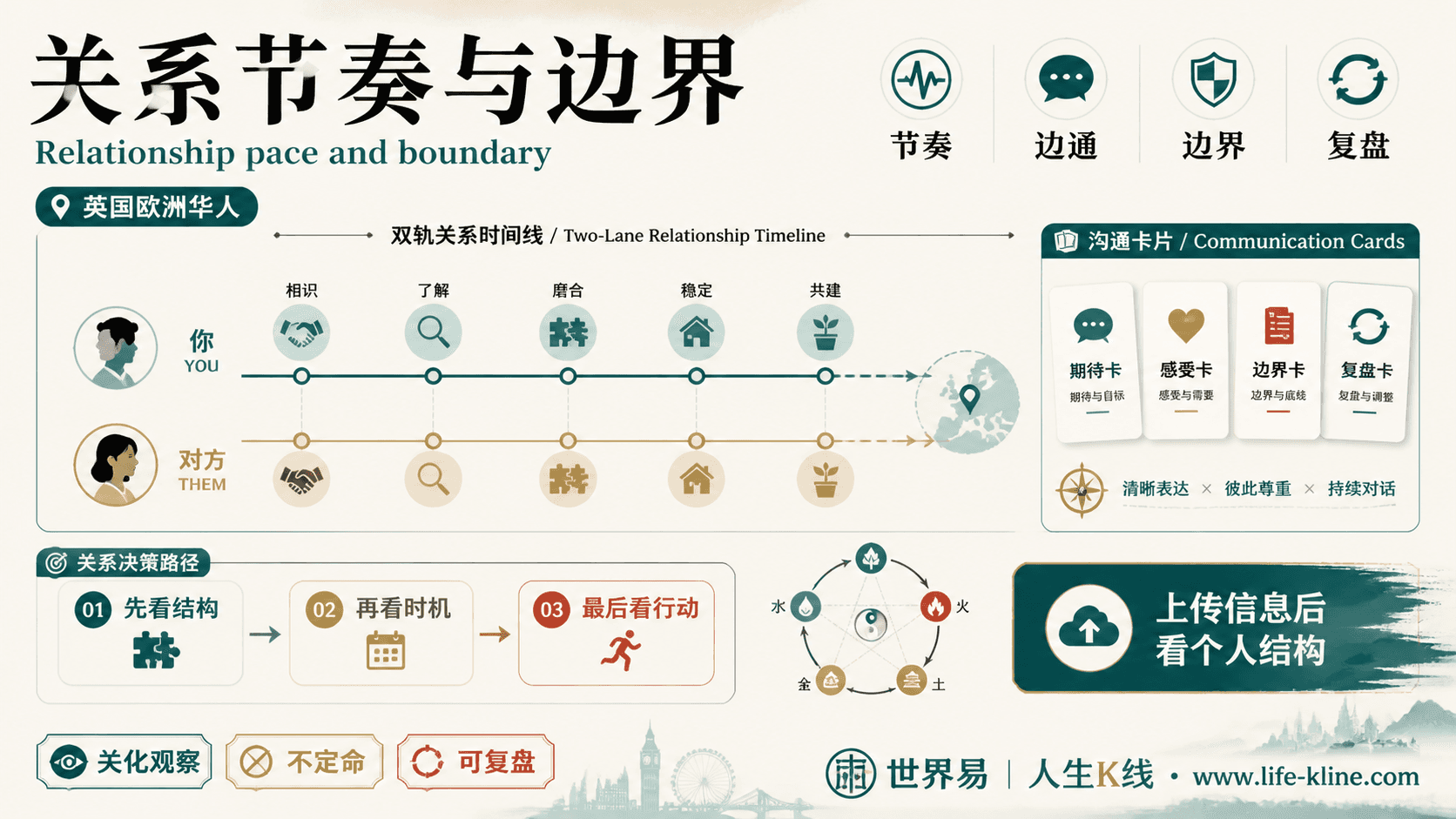
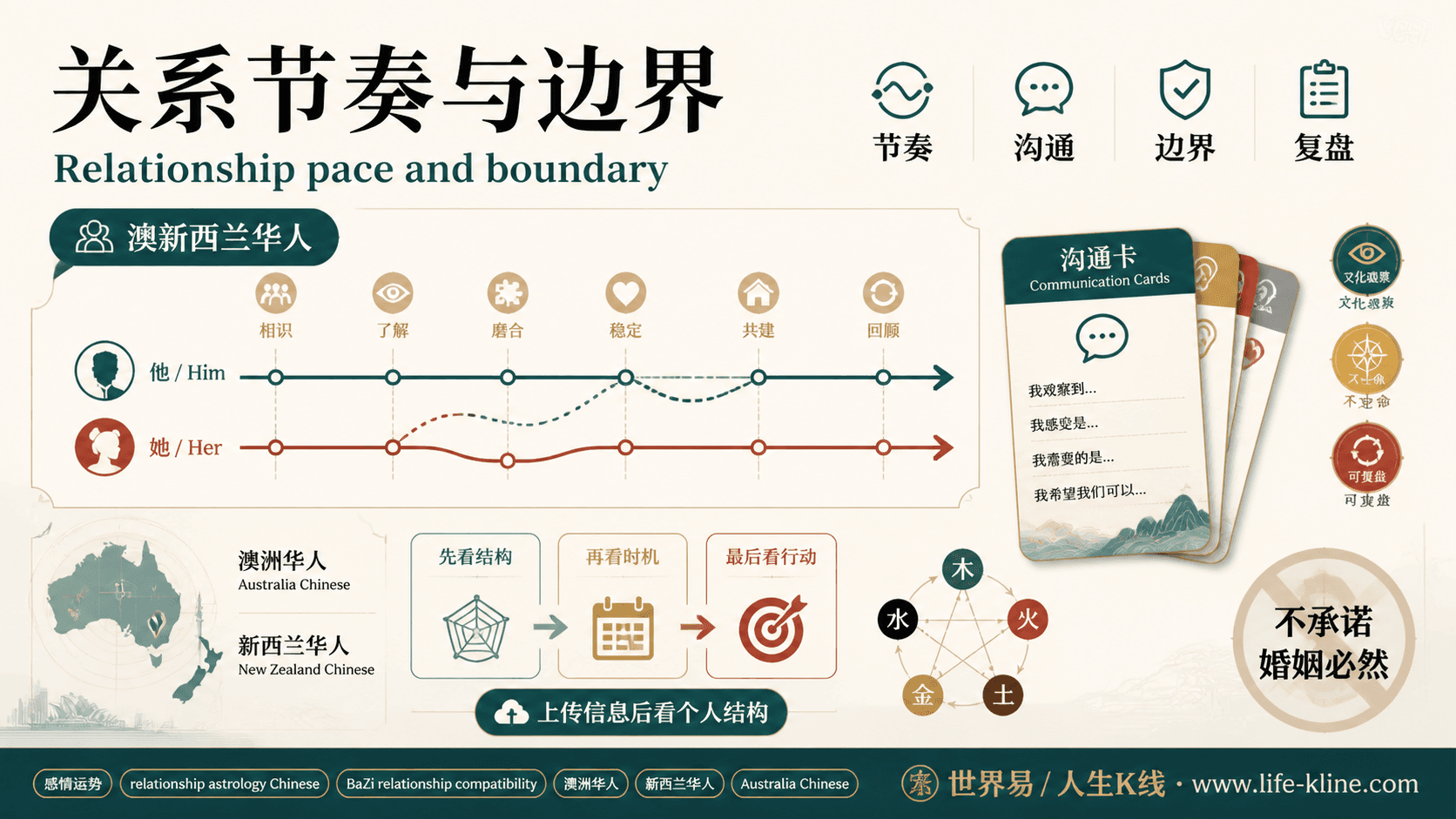
把这篇文章落到自己身上验证:先看结构,再进入个人分析,不做泛泛阅读。
Why This Decision Is Especially Difficult in This Context
Adult reconciliation decisions with indifferent or absent parents often fall into a dual dilemma of intimacy barriers and attachment trauma. Due to early emotional deprivation, adult children struggle to form stable emotional connections; they yearn for intimacy yet fear being hurt, leading to frequent emotional deadlocks in interactions with their parents. At this point, whether to continue maintaining the relationship or to downgrade or even disconnect is often accompanied by complex conflicts between emotional coercion and self-protection.
In family dynamics, adult children facing absent parents often experience contradictions between dependence and rejection. Cultural expectations and social pressures may push them to attempt repairing the relationship, but blurred emotional boundaries can exacerbate psychological burdens and create repetitive trauma. Under this background, the decision is not simply emotion-driven but requires rational evaluation of the interaction rhythm and risks between themselves and their parents.
BaZi structure provides another layer of rhythm reference, especially the strength of the Day Master, Yin stars (印星, representing parents), Bi Jian / Jie Cai (比肩/劫财, symbolizing peer support), Zheng Guan / Qi Sha (官杀, representing authority pressure), and Cai stars (财星, emotional resources) combinations. These can assist in judging the potential energy and resistance for repair or disconnection during the current Da Yun (大运, decade luck cycle) and Liu Nian (流年, annual fortune) phases. BaZi is not an absolute prophecy but reveals the underlying emotional and behavioral dynamics, helping adult children find a more suitable action rhythm amid complex emotions.
Therefore, the difficulty of this decision lies in the superposition of three layers: traumatic memories of psychological attachment, emotional entanglements in family dynamics, and timing cues from BaZi rhythms. No single perspective can comprehensively grasp the situation, requiring integration of multidimensional information for cautious judgment and action.
Three Core Dimensions of BaZi Judgment
First, the relationship between the Day Master and Yin stars is central. Yin stars represent the influence and care of parents. A strong Yin star usually indicates some nurturing power from the original family, but if the Day Master is relatively strong and the Yin star is excessively strong, it may create dependence. Conversely, a weak Yin star reveals absence and emotional void. When adult children face indifferent parents, the strength of the Yin star suggests the potential difficulty and emotional foundation for repairing the relationship.
Second, Bi Jian and Jie Cai represent peer support and self-resources. A chart with strong Bi Jian / Jie Cai indicates that the adult child has stronger self-protection and peer support abilities, clearer psychological boundaries, and can independently handle conflicts in the parental relationship. Conversely, weak Bi Jian / Jie Cai suggests heavier emotional dependence, increasing the risks of disconnection decisions.
Third, the combination of Zheng Guan / Qi Sha (authority pressure) and Cai stars (emotional resources) reflects the interaction between authoritative pressure and emotional resources. Zheng Guan / Qi Sha symbolize parental authority and social-cultural pressure; if overly strong, they may intensify emotional coercion, making it difficult for adult children to express themselves. Cai stars represent emotional giving and receiving; when Cai stars support the Day Master, it indicates the possibility of emotional repair. The interactions of these Ten Gods during Da Yun and Liu Nian further influence the rhythm and risk of the decision.
Overall, these three dimensions intertwine into a complex scenario of internal motivation and external environment for adult children facing absent parents. Reasonable analysis can assist in judging when to persist in repair and when rational withdrawal better protects self and psychological health.
Three Real BaZi Case Studies
Case 1: This female has a relatively strong Yi Wood (乙, Yi) Day Master, with a Yang Ren (羊刃) pattern. The Yin star is Water, which is the Ji Shen (忌神, unfavorable element), and the Yong Shen (用神, favorable elements) are Metal and Earth. She is currently in a favorable Ji Chou (己丑) Da Yun, with Liu Nian Bing Wu (丙午) aligning well. The Yang Ren pattern makes her personality resolute and self-aware. The Water Yin star as Ji Shen indicates a weak parental impression and possible emotional neglect in her original family. The Yong Shen Metal and Earth reflect her need to nurture and protect herself through practical and stable means. In interactions with indifferent parents, this chart suggests a strong inner self-repair capacity, and the current Da Yun supports stabilizing emotional boundaries. When encountering relational deadlocks, if the parents remain indifferent, the chart points to her being better suited to persist in repair but with strengthened psychological boundaries to avoid over-expenditure. It is recommended she prioritize professional psychological counseling support, assess the energy consumption in the repair process, and adjust interaction frequency and depth with parents appropriately.
Case 2: This female has a relatively strong Ji Earth (己, Ji) Day Master, with a Zheng Cai (正财) pattern. The Yong Shen are Wood and Water, while Fire is the Ji Shen. She is currently in a favorable Jia Shen (甲申) Da Yun, with Liu Nian Bing Wu (丙午) also favorable. The Zheng Cai pattern symbolizes her sensitivity and desire for emotional resources. The Yin star Water as Yong Shen indicates that although there is emotional deprivation from parents, some potential support exists. Bi Jian / Jie Cai is weak, possibly limiting her self-protection ability. Facing indifferent and absent parents, she is more susceptible to emotional coercion and attachment difficulties. The strong Cai star in her chart suggests potential for exploration and repair in intimate relationships, but the Ji Shen Fire indicates emotional volatility risks. Therefore, when deciding to maintain or disconnect, she needs to pay special attention to emotional stability and boundary maintenance. It is recommended she combine psychological therapy to gradually clarify attachment patterns, avoid excessive investment leading to emotional quagmires, and consider downgrading the relationship to achieve healthier boundary management.
Case 3: This female has a relatively strong Wu Earth (戊, Wu) Day Master, with a Zheng Guan (正官) pattern. The Yong Shen are Wood and Water, and Fire is the Ji Shen. Her Da Yun Wu Xu (戊戌) is stable, with Liu Nian Bing Wu (丙午) requiring flexible response. The Zheng Guan pattern symbolizes authority and norms. The Yin stars Wood and Water as Yong Shen indicate a rational recognition of parental authority and potential emotional support. Bi Jian / Jie Cai is moderate, showing she has some self-protection ability and can seek peer support. The chart structure suggests she tends toward maintaining and balancing family relationships. Facing indifferent absent parents, she neither over-relies nor rushes to disconnect but prefers to observe and respond flexibly. In decisions about maintenance or disconnection, her BaZi suggests a gradual adjustment of interaction patterns, combined with psychological counseling to clarify boundaries and expectations, progressively reducing emotional burdens.
These three cases respectively reflect different internal strengths and external environments influencing adult reconciliation, providing a BaZi rhythm-based auxiliary judgment perspective, emphasizing integration with professional psychological support to avoid sole reliance on BaZi conclusions.
Common Misjudgments and Blind Spots in This Context
A major blind spot is equating the strength or weakness of Yin stars in BaZi simply with the presence or intimacy level of parental emotions. In fact, Yin stars reflect the strength of parental influence, not the quality of emotional connection. Excessively strong Yin stars may sometimes become a dependency shackle, hindering adult children's independence.
Another misjudgment is overlooking the protective role of Bi Jian / Jie Cai. Many adult children neglect cultivating self-resources due to emotional trauma. The strength or weakness of Bi Jian / Jie Cai in BaZi reminds us to focus on self-protection and peer support abilities. Under weak Bi Jian / Jie Cai structures, rashly maintaining the relationship may increase psychological burden.
Additionally, strong Zheng Guan / Qi Sha often comes with intense authority pressure, easily trapping decisions in emotional coercion dilemmas. Adults who fail to recognize and establish reasonable boundaries may be forced by cultural or family expectations to maintain harmful relationships, deepening psychological trauma.
Finally, the dynamic interaction between Liu Nian and Da Yun is crucial. Ignoring timing rhythms can lead to premature or delayed actions, increasing emotional risks. BaZi should only serve as an auxiliary reference, never replacing professional psychological counseling and family therapy.
Practical Judgment Sequence
First, evaluate the strength relationship between the Day Master and Yin stars to determine whether the original family provides nurturing and emotional support. If the Yin star is weak and Ji Shen is obvious, prioritize protecting one’s emotional boundaries and cautiously consider the psychological cost of maintaining the relationship.
Second, examine the strength of Bi Jian / Jie Cai to confirm one’s self-protection and peer support abilities. When strong, adult children are more capable of proactively repairing relationships; when weak, they should seek external support first to avoid blind investment causing secondary harm.
Finally, combine the status of Zheng Guan / Qi Sha and Cai stars to judge whether authority pressure and emotional resources are balanced. Consider the rhythm of Da Yun and Liu Nian to choose the appropriate timing for action. When facing emotional coercion or violence signals, decisively prioritize professional help, pause relationship repair, and ensure psychological safety.
Throughout the process, it is strongly recommended to cooperate with professional psychological counseling and family therapy, using BaZi as an auxiliary rhythm reference to avoid emotional decisions and blind actions, and gradually explore the most suitable path for reconciliation or disconnection.
FAQ
Question 1: Can BaZi determine whether I should disconnect from my parents? Answer: BaZi cannot provide an absolute conclusion on disconnection or maintenance. It offers a reference for emotional and behavioral rhythms. Facing indifferent or absent parents, combining psychological counseling and family therapy is necessary to make rational and safe decisions.
Question 2: If the Yin star in my chart is very weak, does that mean repairing the relationship is impossible? Answer: A weak Yin star indicates insufficient nurturing from the original family but does not mean repair is hopeless. More importantly, combine Yong Shen and Da Yun / Liu Nian to assess personal resources and external support, reasonably set boundaries, and gradually explore possible reconciliation.
Question 3: Can BaZi still help me if there is family violence or PUA (psychological abuse)? Answer: In cases of PUA, violence, or similar situations, BaZi can only serve as a rhythm assistant and must never replace urgent professional intervention. In such cases, prioritize seeking professional psychological and legal help to ensure personal safety.
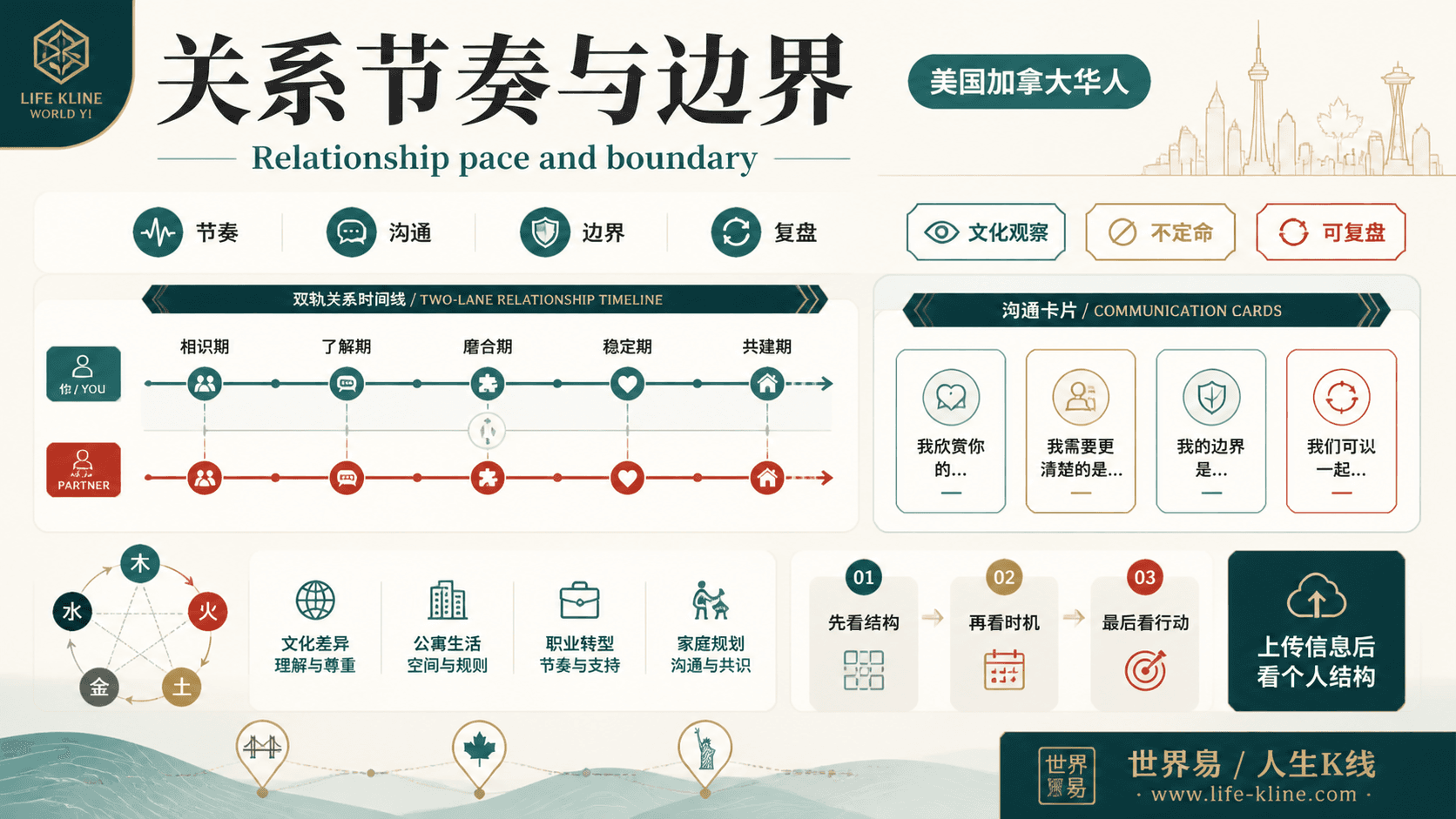
关系节奏与边界|美国加拿大华人
这张图把《Analysis of Maintenance and Disconnection Decisions in Adult Reconciliation with Indifferent or Absent Parents》里的命理概念转成关系、边界和应用场景,适合先看图建立结构,再回到知识文章正文理解细节。
关系节奏与边界不应被写成固定结论。更适合美国加拿大华人的读法,是把传统术语翻译成结构、时机、环境、行动和复盘。
查看图片解读