Comprehensive Analysis of Zi Wei Ming Gong: Core Concepts and Practical Case Studies
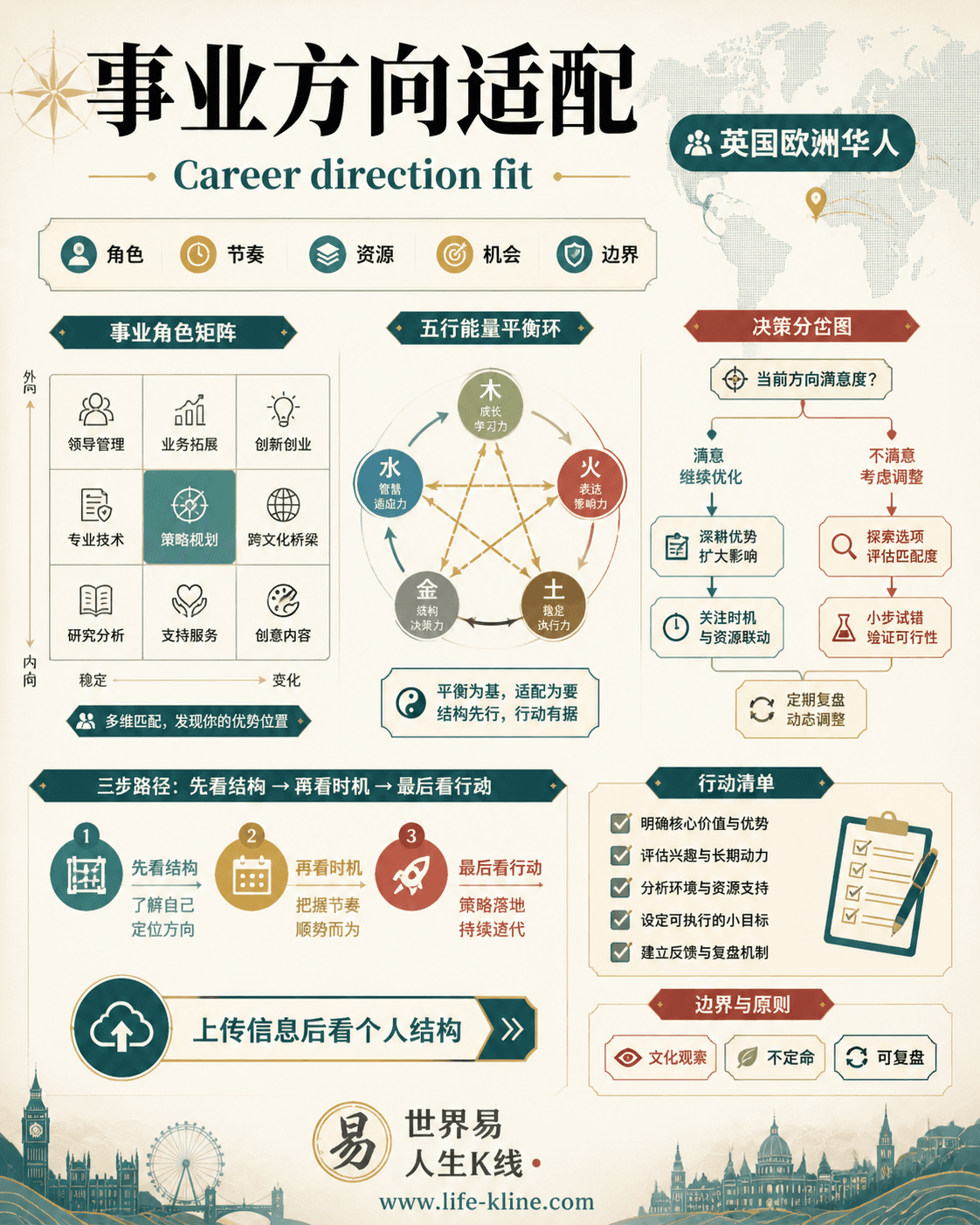
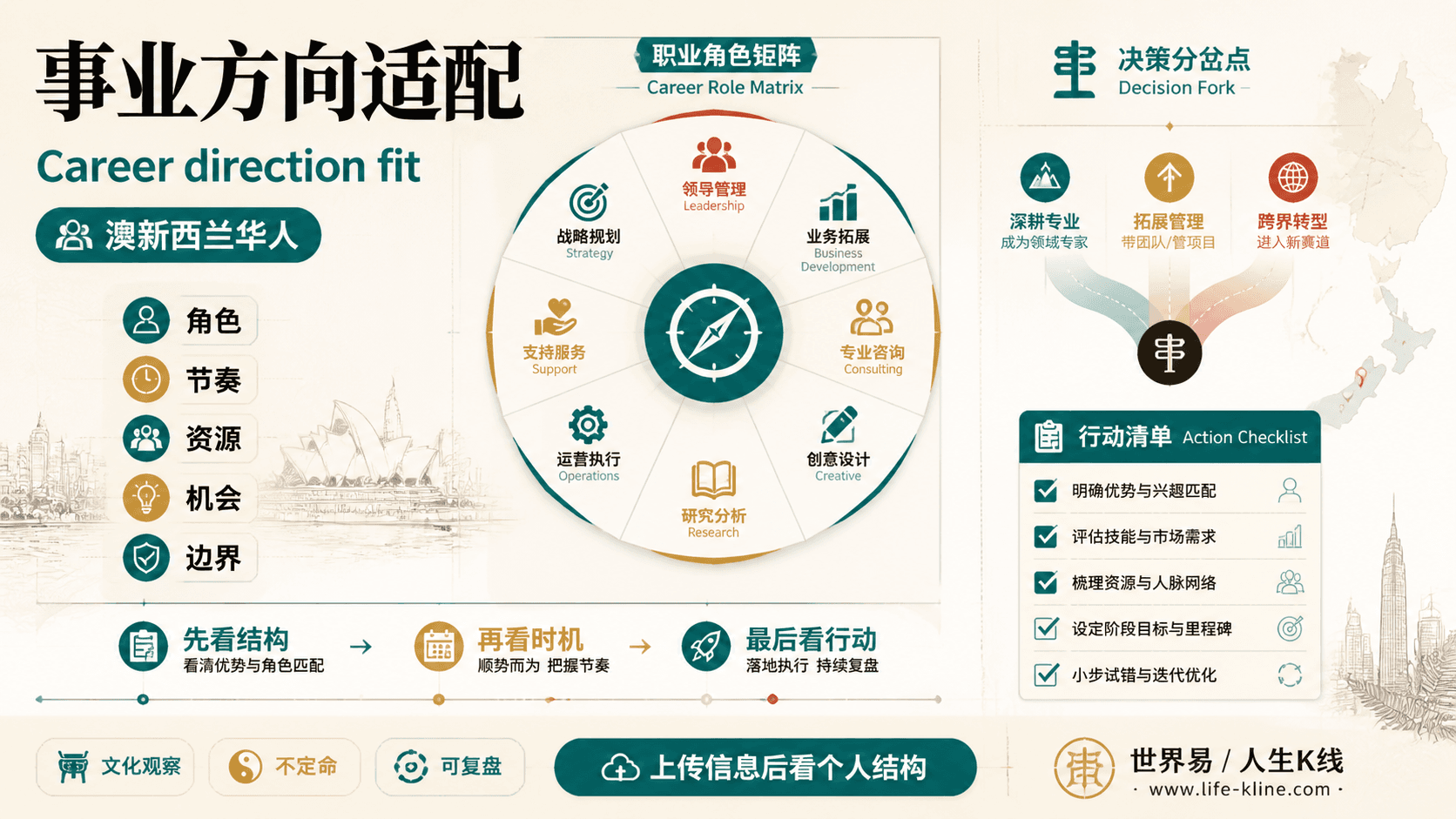
把这篇文章落到自己身上验证:先看结构,再进入个人分析,不做泛泛阅读。
What is Zi Wei Ming Gong
Zi Wei Ming Gong is one of the twelve palaces in the Zi Wei Dou Shu birth chart, representing the natal position and core life energy of the Day Master. The Ming Gong not only reflects the individual's basic personality traits but also reveals the life fortune trends and key events of the person. It is the central starting point of the entire Zi Wei Dou Shu chart, determining the interpretative foundation for many subsequent palaces.
Originating from ancient Chinese astrological studies, Zi Wei Dou Shu uses twelve palaces and fourteen main stars as its framework. As the primary palace, the Ming Gong carries the fundamental attributes of the Day Master. By combining the main stars in the Ming Gong with the Four Pillars (Si Zhu) information, metaphysicians can gain insight into the individual's innate endowments and the influence of the external environment.
The study of Zi Wei Ming Gong not only focuses on the nature of the main stars but also integrates the strength of the Day Master, the type of pattern (Ge Ju), and the configuration of Yong Shen (favorable elements) and Ji Shen (unfavorable elements) to fully grasp the Day Master's life condition and potential trends. It serves as a bridge connecting the Day Master's personality and fortune, possessing extremely high metaphysical value.
How to Interpret Zi Wei Ming Gong: Core Elements
When interpreting Zi Wei Ming Gong, the primary focus is on the attribute and strength of the Day Master. The Day Master represents the individual's five-element foundation, and its strength determines the dominant energy of the chart. A strong Day Master often manifests as proactive and positive personality traits, whereas a relatively weak Day Master tends to be cautious or even passive.
Secondly, the pattern type (Ge Ju) is an important dimension in Zi Wei Ming Gong analysis. Different patterns such as Yang Ren Ge (Yang Blade Pattern), Zheng Cai Ge (Proper Wealth Pattern), Pian Yin Ge (Partial Seal Pattern), etc., signify different potentials and challenges in career, wealth, and knowledge for the Day Master. The identification of patterns depends on the combination of the Four Pillars and the five-element generating and overcoming (Sheng Ke) relationships.
The identification of Yong Shen and Ji Shen is key to adjusting the energy balance within the Ming Gong. Yong Shen is considered the favorable five-element that harmonizes the chart and helps the Day Master resolve unfavorable factors; Ji Shen represents the conflicting forces within the chart and needs to be treated with caution. Correctly recognizing Yong Shen and Ji Shen assists the Day Master in seeking auspiciousness and avoiding misfortune.
Da Yun (decade luck cycle) and Liu Nian (annual fortune) have particularly significant impacts on Zi Wei Ming Gong. Da Yun reflects the trend during different life stages of the Day Master, while Liu Nian is the specific manifestation of fortune in a given year. Through the interaction between Da Yun and Liu Nian, one can grasp the current auspicious or inauspicious changes and formulate coping strategies, enabling more precise predictions of the chart's direction.
Finally, Zi Wei Ming Gong requires a comprehensive evaluation combining the main star configuration and the effects of the Four Transformations (Si Hua) stars. Main stars such as Tian Fu and Zi Wei each carry symbolic meanings, while the Four Transformations—Hua Lu (Transformation of Prosperity), Hua Quan (Transformation of Authority), Hua Ke (Transformation of Merit), and Hua Ji (Transformation of Adversity)—inject dynamic changes into the chart, influencing the Day Master's fortune expression and event development.
Three Real Birth Chart Case Studies
Case 1: This female Day Master has Four Pillars of Ren Wu (壬午, Ren-Wu), Gui Mao (癸卯, Gui-Mao), Jia Wu (甲午, Jia-Wu), and Yi Hai (乙亥, Yi-Hai). The Day Master Jia Wood (甲, Jia) is relatively strong, with a pattern of Yang Ren Ge (Yang Blade Pattern). The Yong Shen are Metal and Earth, while the Ji Shen is Water. She is currently in the Xin Chou (辛丑, Xin-Chou) Da Yun (ages 17-26), which is a highly auspicious luck cycle. The Liu Nian is Bing Wu (丙午, Bing-Wu), and the annual fortune supports the Da Yun, resulting in smooth affairs. In this chart, the Zi Wei Ming Gong reflects the vigorous vitality of Wood and the sharp characteristics of the Yang Ren Ge. With Metal and Earth as Yong Shen to harmonize the chart, it enhances the Day Master's stability and execution power. This configuration indicates that during youth, the Day Master is proactive and adaptable to the environment.
Case 2: This male Day Master has Four Pillars of Ren Shen (壬申, Ren-Shen), Bing Wu (丙午, Bing-Wu), Gui Hai (癸亥, Gui-Hai), and Ding Si (丁巳, Ding-Si). The Day Master Gui Water (癸, Gui) is relatively weak, with a Zheng Cai Ge (Proper Wealth Pattern). The Yong Shen is Metal, and the Ji Shen are Wood and Fire. He is currently in the Ji You (己酉, Ji-You) Da Yun (ages 27-36), which is stable and suitable for maintaining achievements. The Liu Nian is also Bing Wu (丙午, Bing-Wu), requiring the Day Master to adapt flexibly. The Zi Wei Ming Gong in this chart shows that although the Water Day Master is weak, the Zheng Cai Ge clearly indicates a wealth-oriented focus. The Yong Shen Metal helps to support the Water element. Overall, the Ming Gong reveals that in middle age, the Day Master emphasizes steady financial management and flexible adjustment, suitable for gradual progress rather than rash advances.
Case 3: This female Day Master has Four Pillars of Yi Hai (乙亥, Yi-Hai), Bing Xu (丙戌, Bing-Xu), Wu Yin (戊寅, Wu-Yin), and Ji Wei (己未, Ji-Wei). The Day Master Wu Earth (戊, Wu) is relatively strong, with a Pian Yin Ge (Partial Seal Pattern). The Yong Shen are Wood and Water, while the Ji Shen is Fire. She is currently in the Ji Chou (己丑, Ji-Chou) Da Yun (ages 28-37), which is stable and suitable for maintaining achievements. The Liu Nian is Bing Wu (丙午, Bing-Wu), presenting a situation requiring flexible response. In the Zi Wei Ming Gong, the Pian Yin Ge indicates the Day Master possesses strong wisdom and learning ability. The relatively strong Earth Day Master provides an internal stable foundation, while the Wood and Water Yong Shen help nourish and harmonize the chart. The Ming Gong shows that during this phase, the Day Master can steadily accumulate knowledge and resources while having the ability to cope with external changes.
These three examples all demonstrate the comprehensive interpretative approach of Zi Wei Ming Gong by integrating the Day Master, pattern, and Yong Shen. They highlight the core role of the Ming Gong in revealing the Day Master's personality traits and fortune trends. Further analysis of the interaction between Da Yun and Liu Nian enriches the understanding of the dynamic fortune changes within the Ming Gong.
Common Misconceptions
Many beginners mistakenly think that Zi Wei Ming Gong is merely a symbol of a single star, neglecting the comprehensive influence of the Day Master's strength, pattern, and the configuration of Yong Shen and Ji Shen. This leads to one-sided interpretations that fail to accurately grasp the Day Master's destiny. In reality, Zi Wei Ming Gong is a multidimensional composite; only by thoroughly considering all elements can the true metaphysical picture be restored.
Another common misconception is to completely confuse Zi Wei Ming Gong with BaZi (Four Pillars) metaphysics. Although both are metaphysical tools, Zi Wei Dou Shu emphasizes the dynamic relationships among palaces and stars, whereas BaZi focuses on the generating and overcoming cycles of the five elements. Their emphases differ and cannot simply replace each other. The correct approach is to leverage the strengths of both and use them complementarily to enhance the accuracy of metaphysical judgments.
Additionally, some Day Masters excessively superstitiously fear the negative influence of Hua Ji (Transformation of Adversity) stars, overlooking that Hua Ji also represents an awakening opportunity. Although Hua Ji clashing with the Ming Gong may bring obstacles and internal conflicts, it also stimulates potential and self-reflection. This is an important turning point in metaphysics and should be viewed rationally.
Practical Recommendations
In practical application of Zi Wei Ming Gong for metaphysical analysis, one should first clarify the strength and five-element attribute of the Day Master, combined with pattern identification to determine the basic style of the chart. Then, accurately identify the Yong Shen and Ji Shen to help the Day Master adjust their state and seek benefits while avoiding harm.
By integrating the current Da Yun and Liu Nian relationship, dynamically evaluate the auspicious and inauspicious changes in Zi Wei Ming Gong and formulate action strategies suitable for the Day Master's current life stage. When Da Yun is auspicious, it is advisable to follow the trend; when fortune is stable, proceed steadily; when facing annual challenges, respond cautiously and adjust flexibly.
It is also recommended that the Day Master pay attention to the configuration of the main and auxiliary stars in the Ming Gong, deeply understanding the personality traits and potential developmental directions of the Ming Gong. Utilizing the comprehensive interpretation of Zi Wei Ming Gong enables a more holistic grasp of one's metaphysical framework, effectively guiding life planning and decision-making.
FAQ
Question 1: What is the difference between Zi Wei Dou Shu and BaZi? Answer: BaZi centers on the generating and overcoming relationships of the five elements, making it more suitable for judging long-term patterns and fortune trends. Zi Wei Dou Shu uses the framework of twelve palaces and fourteen main stars, making it better suited for analyzing specific events and interpersonal relationships—for example, the Spouse Palace to observe partner conditions, the Children Palace to predict the next generation, and the Travel Palace to analyze journeys. The two complement each other and do not conflict, providing mutual verification.
Question 2: What does the main star Tian Fu represent in the Ming Gong? Answer: Tian Fu symbolizes maintenance, compassion, and steadiness, often called the “Command Star.” A Ming Gong with Tian Fu usually indicates a person who is practical and cautious, though sometimes overly conservative. The specific influence also depends on auxiliary stars such as Zuo Fu and You Bi, Wen Chang and Wen Qu, as well as the Four Transformations (Hua Lu, Hua Quan, Hua Ke, Hua Ji) to determine whether the chart is "pure" and upright or "turbid" and chaotic.
Question 3: What happens when Hua Ji clashes with the Ming Gong? Answer: Hua Ji signifies misfortune, obstruction, and change. When Hua Ji clashes with the Ming Gong during a major luck cycle or annual fortune, it causes internal energy conflicts, which may manifest as emotional lows, health warnings, or self-doubt. However, Hua Ji also represents an awakening opportunity; intense adverse emotions often become the starting point for transformation and growth.
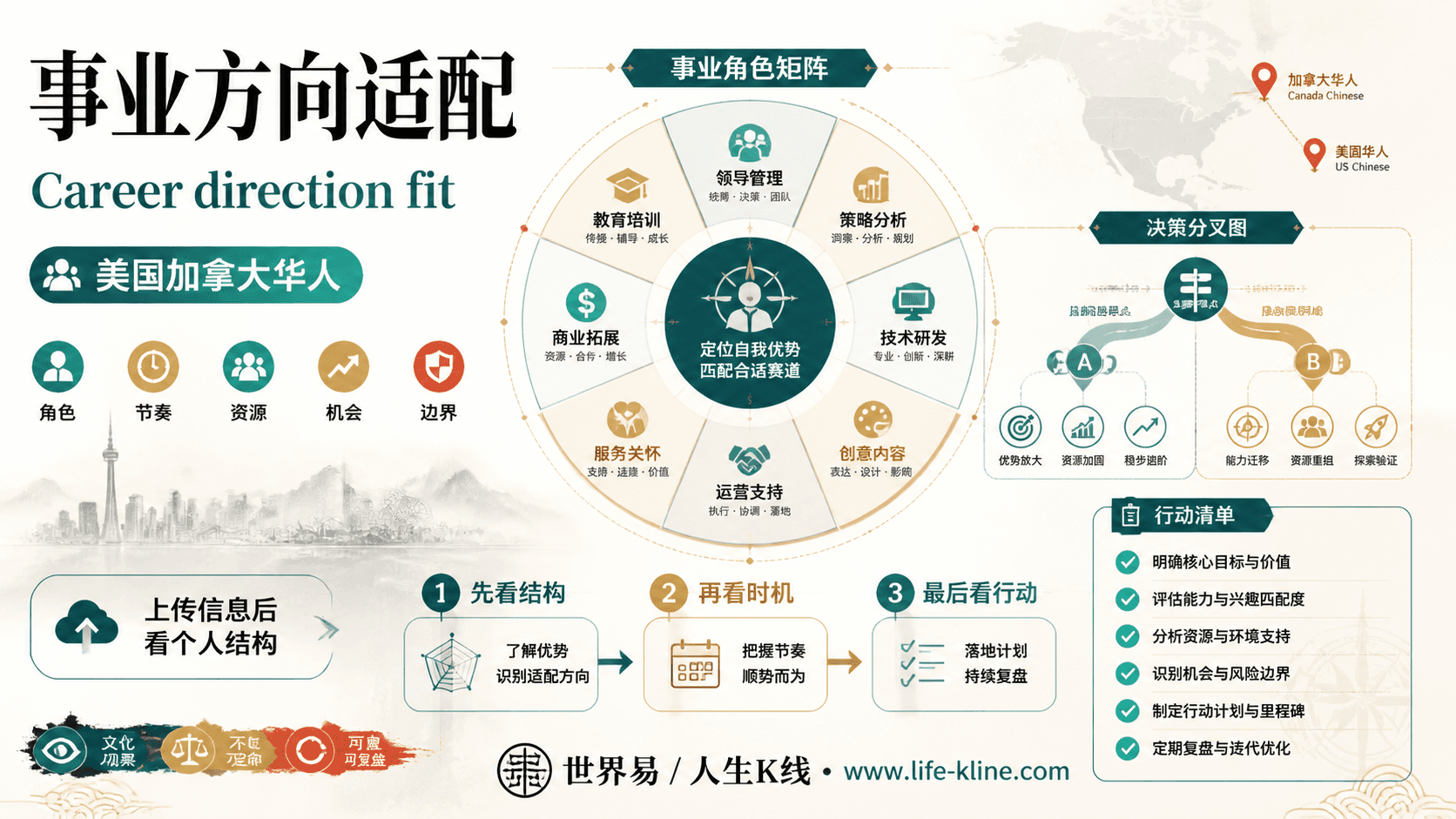
事业方向适配|美国加拿大华人
这张图把《Comprehensive Analysis of Zi Wei Ming Gong: Core Concepts and Practical Case Studies》里的命理概念转成关系、边界和应用场景,适合先看图建立结构,再回到知识文章正文理解细节。
事业方向适配不应被写成固定结论。更适合美国加拿大华人的读法,是把传统术语翻译成结构、时机、环境、行动和复盘。
查看图片解读