Opening a Business in Singapore or Malaysia: How Date Selection Actually Works
For Chinese business owners in Southeast Asia, the date on the signboard is negotiated with family, staff, and the almanac at once. Here is what the practice encodes.
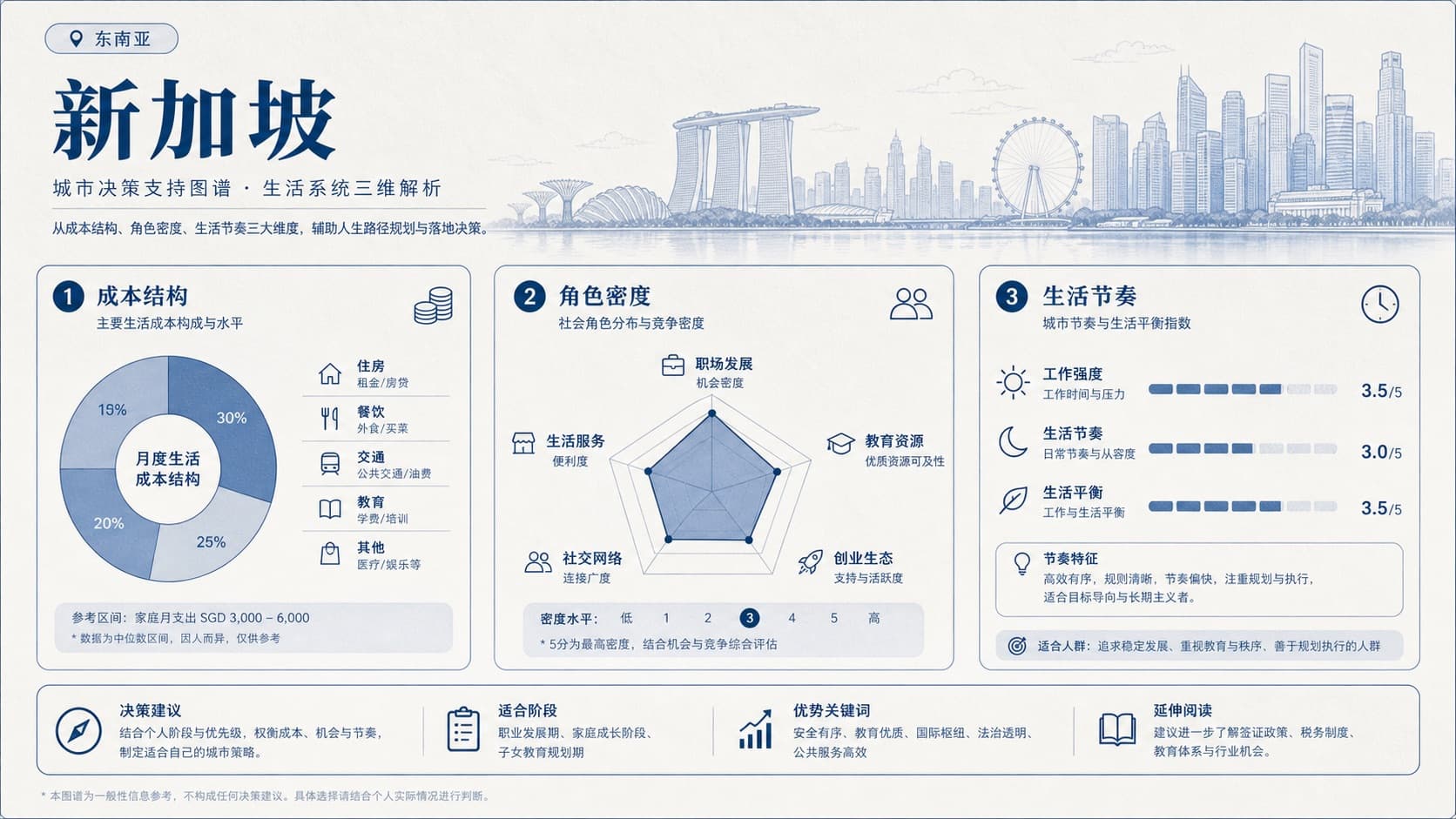
城市观察:新加坡
The almanac is a scheduling tool
The tong shu marks each day as suitable or unsuitable for specific activities — opening a shop, signing, moving, ground-breaking. Business owners use it the way others use a calendar of auspicious weekdays.
What it buys is a shared reference: family shareholders, staff, and suppliers can all agree a date without anyone losing face over the choice.
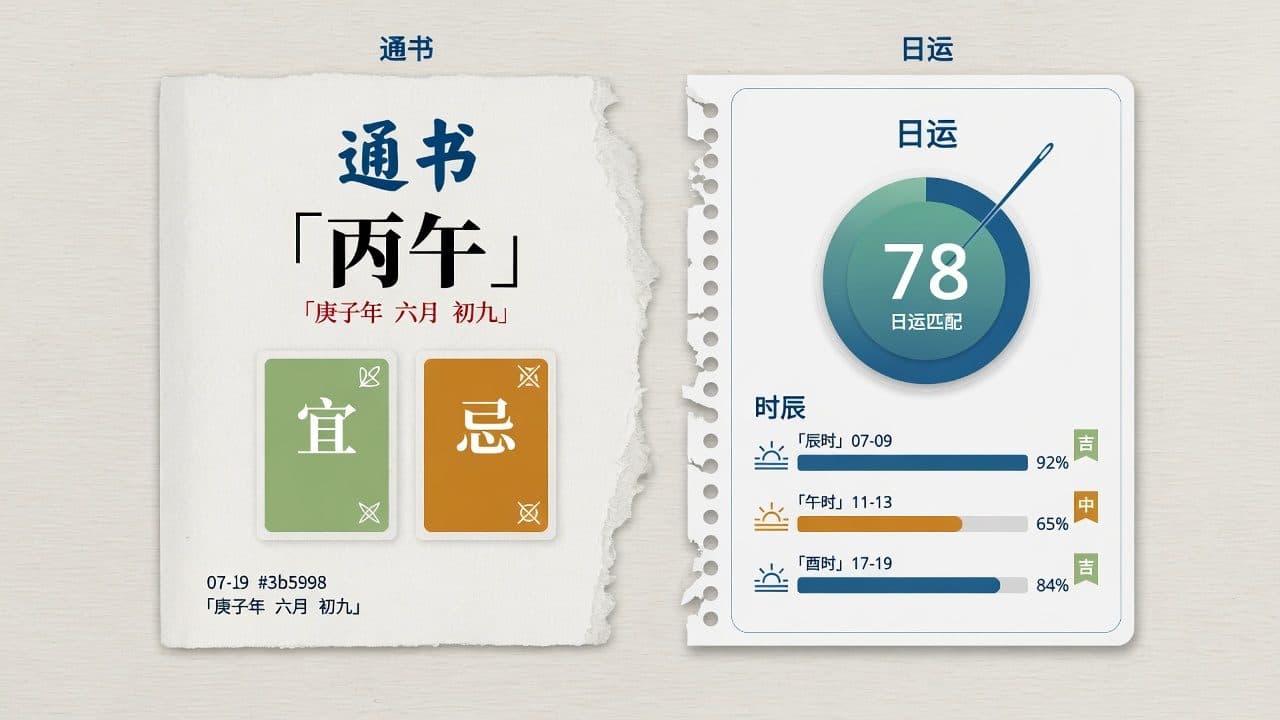
通书日运与个人匹配:把抽象判断拆成可看见的结构关系。
Clashes are about the owner, not the business
The standard check is whether the chosen day clashes with the zodiac sign of the owner or the key decision-maker, not the company registration number.
This is why two partners can disagree about the same date and both be right within their own frame. Practically, the date that clears every senior stakeholder wins.
Where the practice stops being useful
Date selection does not forecast revenue, and treating it as a forecast is how small businesses end up blaming the calendar for a bad location.
The version that holds up is narrower: use the date to force a preparation deadline. If the shop must open on a chosen day, the stock, staffing, and licensing have a hard target — and that is where most of the value sits.
本文含 2 张图解(封面/结构/时位/行动或风险)。图解用于建立判断框架,不构成宿命结论; 个人决策请结合测算报告与工具验证。