The Status and Fate Analysis of Zi Wei as the Main Star in Zi Wei Dou Shu
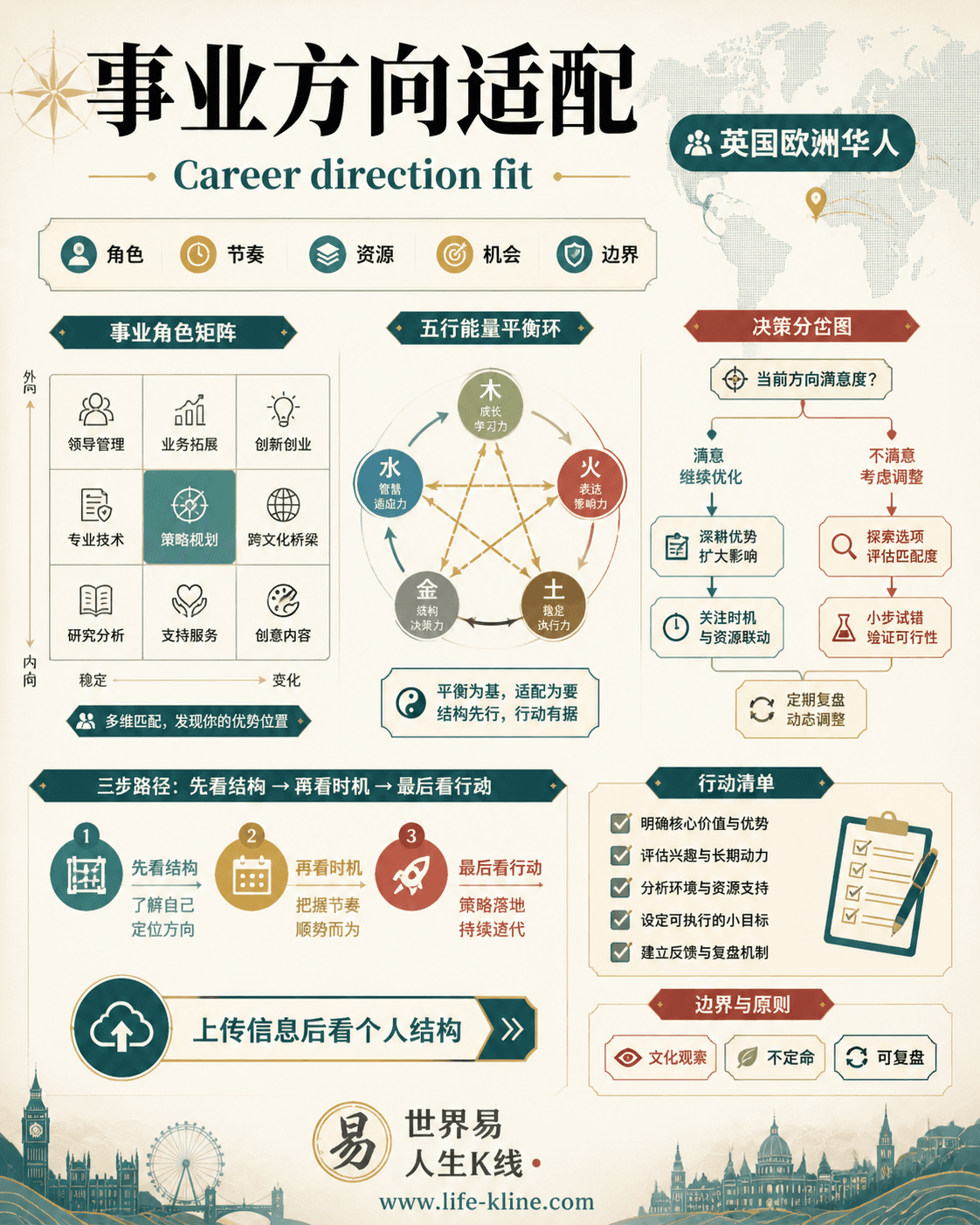
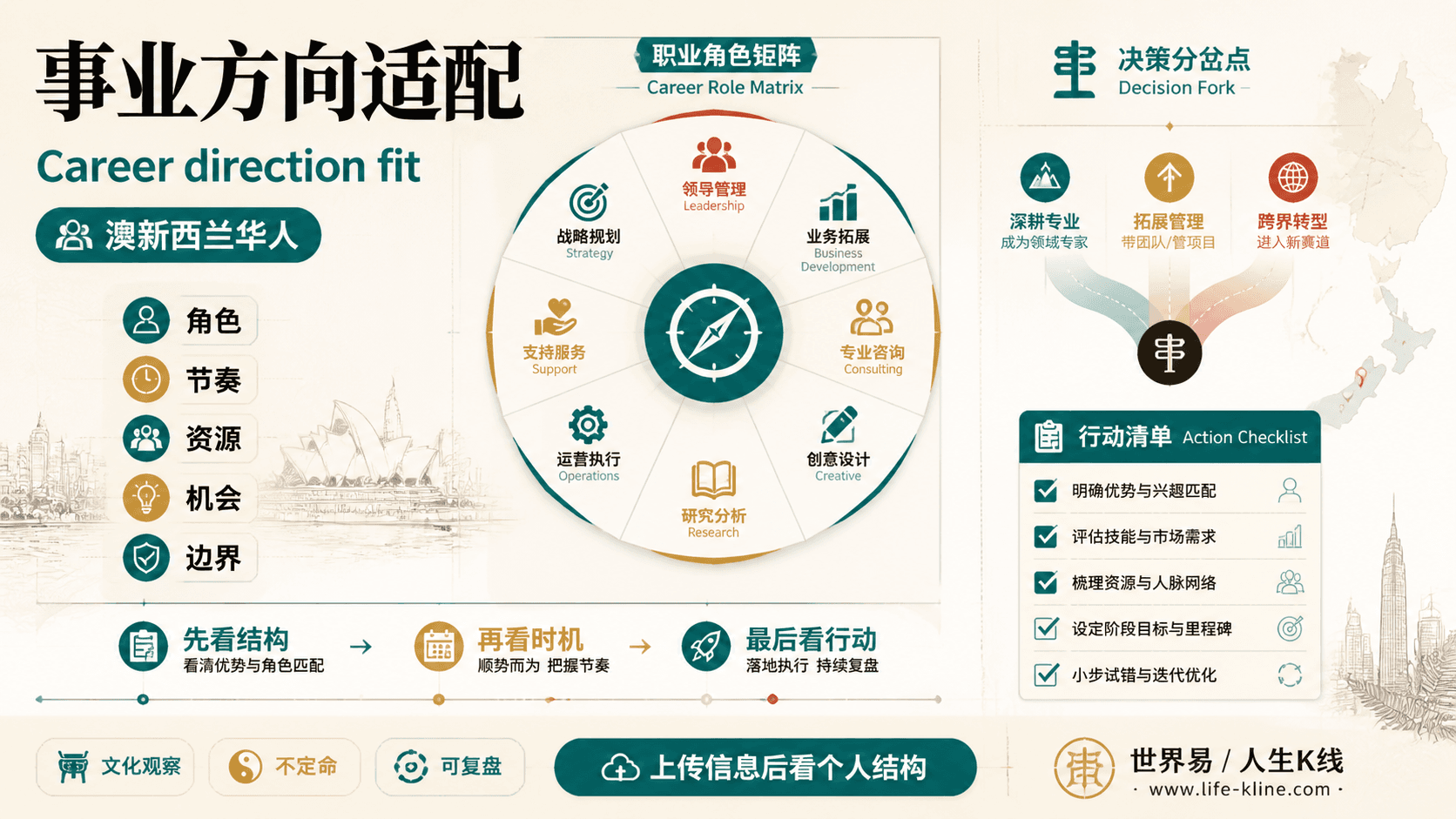
把这篇文章落到自己身上验证:先看结构,再进入个人分析,不做泛泛阅读。
Concept Definition
Zi Wei is one of the core main stars in Zi Wei Dou Shu, revered as the chief star of the Northern Dipper. Its Five Elements attribute is Yin Earth, and its transformed Qi is called Zun (Honor). As the Emperor Star, Zi Wei symbolizes power and leadership, representing imperial and noble status in fate studies. Zi Wei's fate positioning highlights its noble and aloof traits, reflecting an upright and steady personality, while also implying a tendency toward loneliness in character.
Within the Zi Wei Dou Shu natal chart system, the Zi Wei main star works together with fourteen other main stars. Based on its placement in the twelve palaces and the Four Transformations—Hua Lu (Prosperity), Hua Quan (Authority), Hua Ke (Fame), and Hua Ji (Obstruction)—it comprehensively judges fortune and misfortune. The specific meaning of Zi Wei must be interpreted in conjunction with the overall chart pattern and auxiliary stars to accurately assess its influence.
Auxiliary stars such as Zuo Fu (Left Assistant), You Bi (Right Assistant), Wen Chang, Wen Qu, Tian Kui, and Tian Yue cooperate with the Zi Wei main star in the natal chart to form a complete chart pattern, enhancing or moderating the authority and leadership qualities represented by Zi Wei. Due to its special status, Zi Wei holds a pivotal role in Zi Wei Dou Shu.
Traditional Fate Significance
Zi Wei, as the chief star of the Northern Dipper, is traditionally regarded as the Emperor Star, governing nobility, leadership, and an aloof personality. In ancient fate studies, Zi Wei symbolizes noble status and an upright, steady character, representing individuals with commanding power and decisiveness. Its Yin Earth Five Elements attribute reflects a steady and introverted temperament, emphasizing its noble position within the fate structure.
Zi Wei's symbol of authority not only reflects social status but also personal spiritual realm and independence. Its lonely personality trait indicates that those in high positions, while enjoying power, often face loneliness and the pressure of responsibility—an aspect frequently emphasized in fate interpretations.
In traditional fate analysis, the auspiciousness or inauspiciousness of Zi Wei depends on its palace placement and the Four Transformations. Hua Lu represents blessings and wealth; Hua Quan symbolizes power and control; Hua Ke stands for reputation and talent; Hua Ji indicates obstacles and difficulties. Different combinations of Zi Wei with these Four Transformations create a rich variety of fate patterns.
Practical Configuration and Interpretation
In practical Zi Wei Dou Shu applications, interpreting the Zi Wei main star hinges on its palace location and the Four Transformations it manifests. The palace where Zi Wei resides determines its domain of influence; for example, Zi Wei in the Ming Gong (Life Palace) often represents the subject’s leadership ability and authoritative temperament. If Hua Quan appears, power is enhanced, indicating the subject holds a dominant position in society or career; Hua Lu brings blessings and resources; Hua Ke elevates fame and talent; Hua Ji warns of obstacles and challenges.
The cooperation of auxiliary stars is another crucial aspect in interpreting the Zi Wei main star. Zuo Fu and You Bi, as assisting stars, can mitigate Zi Wei’s loneliness, strengthening interpersonal relationships and support systems; Wen Chang and Wen Qu bring literary talent and wisdom, aiding Zi Wei in realizing leadership and management abilities; Tian Kui and Tian Yue are nobleman stars that help Zi Wei receive assistance and support at critical moments.
Fate practitioners, in actual practice, analyze the comprehensive configuration of Zi Wei with auxiliary stars combined with the Four Transformations to provide a thorough and detailed reading of the natal chart. Through these configurations, they can more accurately predict the subject’s power fortune, leadership capability, social status, and potential loneliness.
Common Misconceptions
Many mistakenly believe that the presence of the Zi Wei main star inevitably signifies wealth and power. In fact, Zi Wei’s auspiciousness or inauspiciousness must be judged in combination with the Four Transformations and auxiliary stars. If Hua Ji is strong, Zi Wei’s symbol of nobility may be obstructed, even leading to isolation and helpless situations.
Another misconception is overlooking Zi Wei’s lonely personality. Although Zi Wei represents authority and leadership, its Yin Earth attribute and aloof nature mean that the subject often faces inner loneliness and pressure alongside achievements—an important aspect in Zi Wei fate analysis that should not be ignored.
FAQ
Question: What is the Five Elements attribute of the Zi Wei main star? Answer: The Zi Wei main star’s Five Elements attribute is Yin Earth, and its transformed Qi is called Zun (Honor), representing steadiness and nobility.
Question: How does the Zi Wei main star determine fortune and misfortune? Answer: Zi Wei’s fortune is determined by its placement in the twelve palaces and the Four Transformations (Hua Lu, Hua Quan, Hua Ke, Hua Ji), combined with auxiliary stars to form a complete natal chart pattern.
Question: What influence do auxiliary stars have on the Zi Wei main star? Answer: Auxiliary stars such as Zuo Fu, You Bi, Wen Chang, Wen Qu, Tian Kui, and Tian Yue cooperate with Zi Wei to enhance or regulate its authority and leadership qualities, forming a complete fate pattern.
Question: What are the personality traits of the Zi Wei main star? Answer: Zi Wei’s personality is upright and steady, possessing leadership and authority, but prone to loneliness, reflecting its aloof nature.
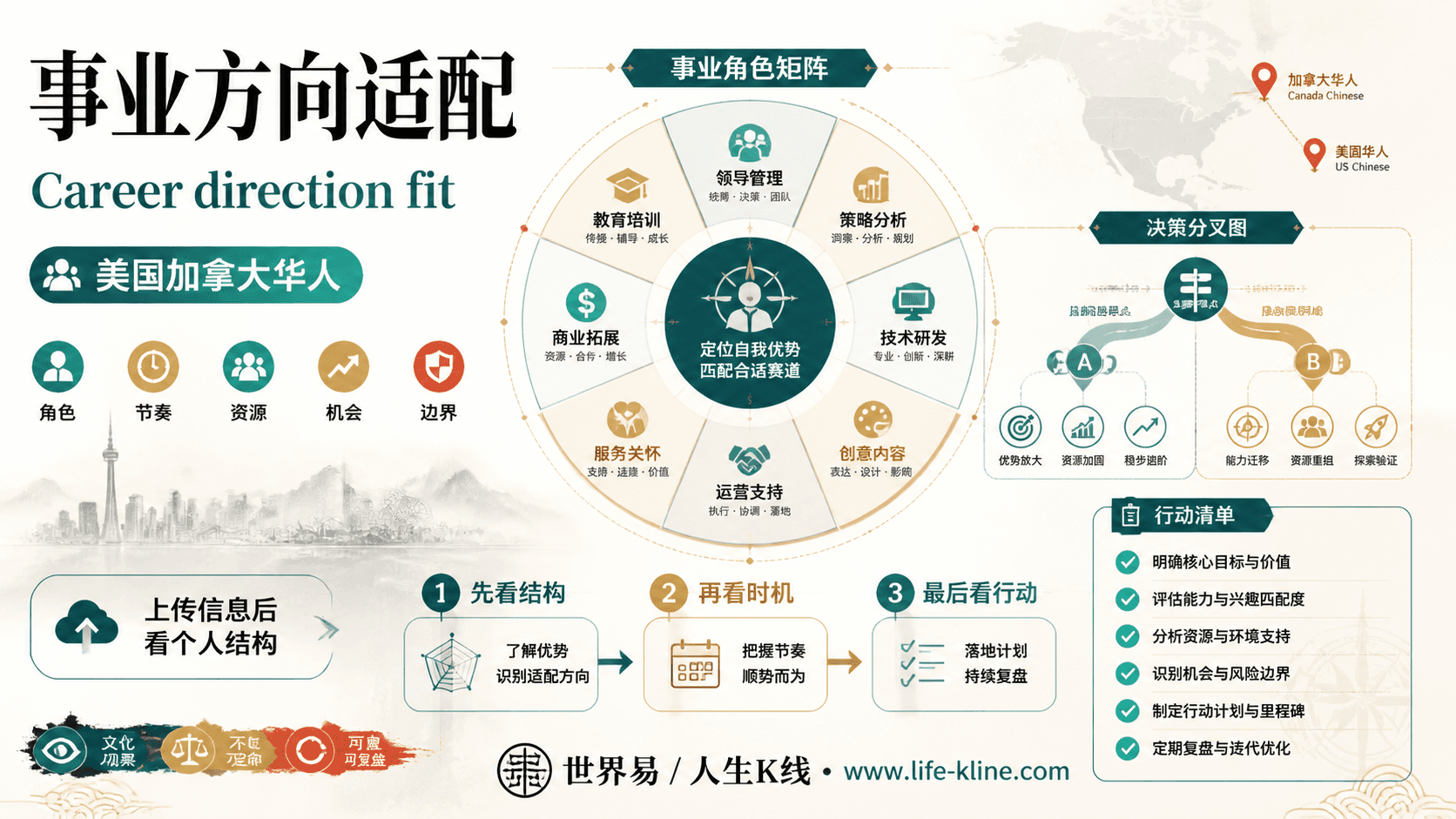
事业方向适配|美国加拿大华人
这张图把《The Status and Fate Analysis of Zi Wei as the Main Star in Zi Wei Dou Shu》里的命理概念转成关系、边界和应用场景,适合先看图建立结构,再回到知识文章正文理解细节。
事业方向适配不应被写成固定结论。更适合美国加拿大华人的读法,是把传统术语翻译成结构、时机、环境、行动和复盘。
查看图片解读