Detailed Explanation and Fate Analysis of Tian Liang Zi Wei Main Star
把这篇文章落到自己身上验证:先看结构,再进入个人分析,不做泛泛阅读。
Concept Definition
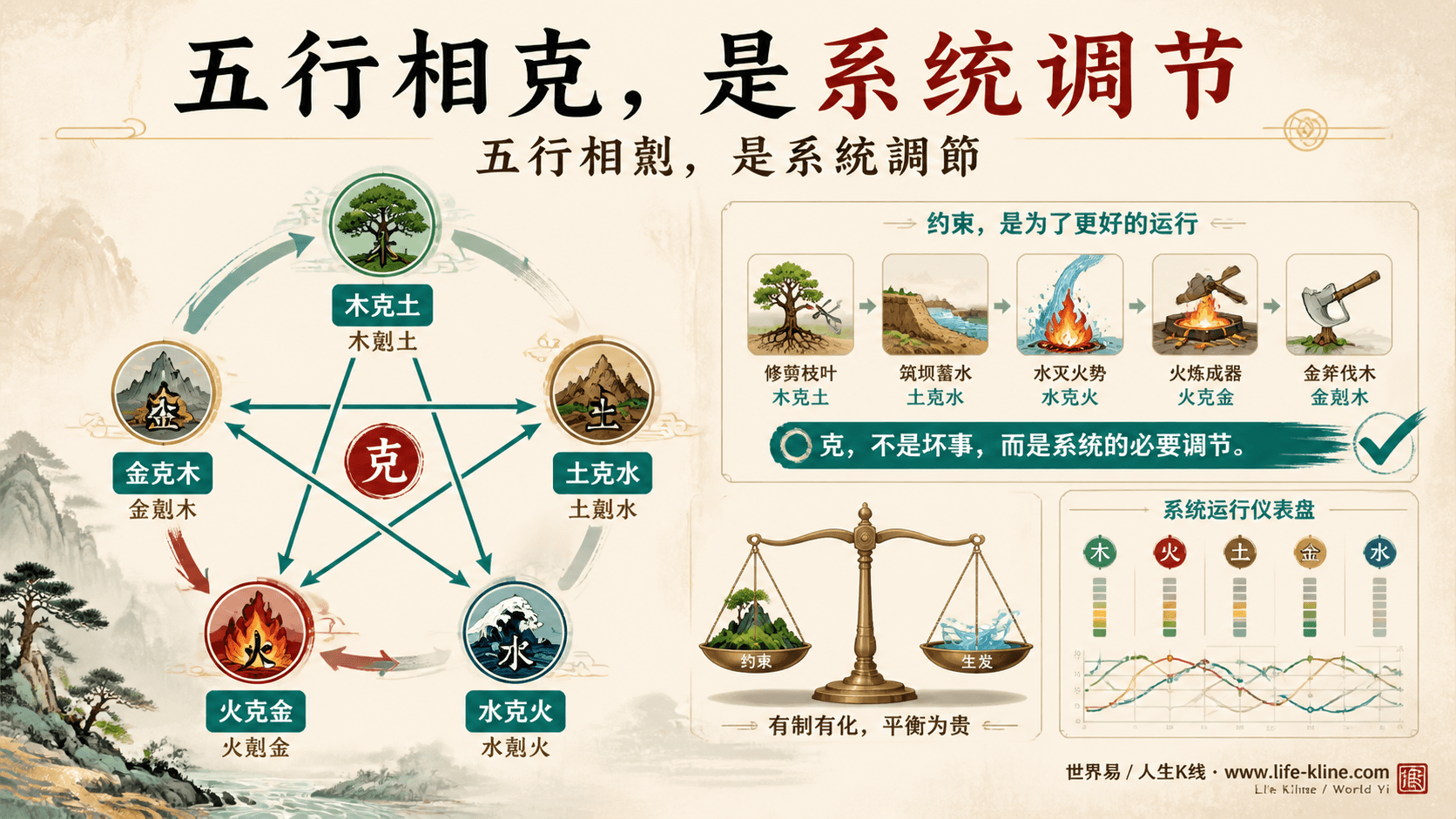
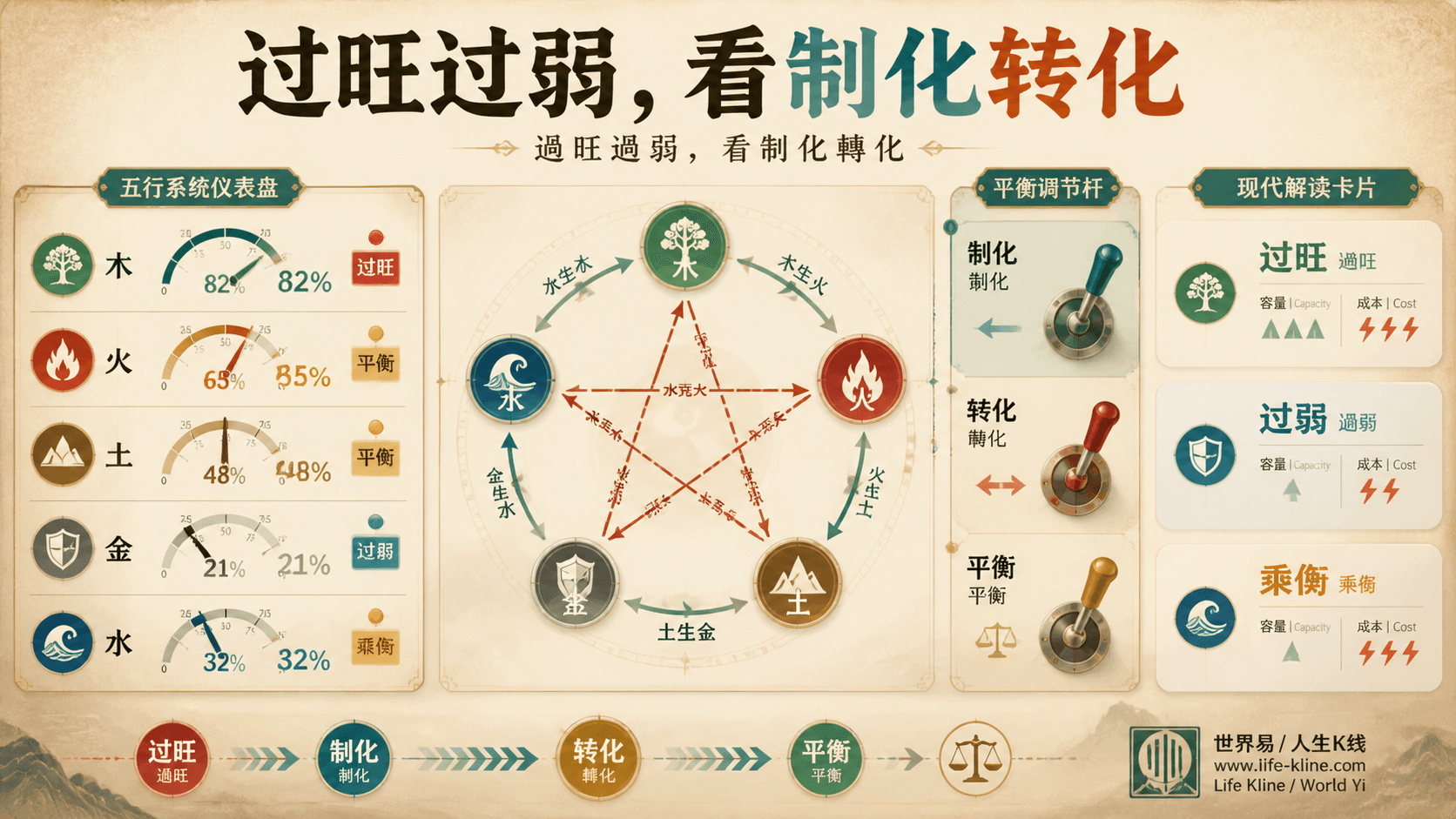
Tian Liang is one of the fourteen main stars in Zi Wei Dou Shu, ranked as the second star of the Southern Dipper, with the Five Elements attribute of Yang Earth. Its Hua Qi (transforming energy) is called Yin, symbolizing protection and guardianship. Within the Zi Wei system, Tian Liang is regarded as a star representing parents and longevity stars, possessing qualities of compassion, longevity, and elder assistance in resolving difficulties.
In the fate chart, Tian Liang’s manifestation depends on its palace position and its interaction with other stars. The fourteen main stars of Zi Wei Dou Shu each occupy one of the twelve palaces, and combined with the Four Transformations—Hua Lu (Transformation of Prosperity), Hua Quan (Transformation of Authority), Hua Ke (Transformation of Merit), and Hua Ji (Transformation of Misfortune)—form different auspicious or inauspicious patterns. Tian Liang’s nature often embodies a role of protection and support within the chart.
Additionally, Tian Liang frequently pairs with auxiliary stars such as Zuo Fu (Left Assistant), You Bi (Right Assistant), Wen Chang (Literary Star), Wen Qu (Artistic Star), Tian Kui (Heavenly Nobleman), and Tian Yue (Heavenly Yue) to form a complete fate pattern. Through these combinations, Tian Liang’s influence is enhanced or modified, exerting a profound impact on the life trajectory of the chart owner.
Traditional Fate Meaning
In traditional Zi Wei Dou Shu, Tian Liang symbolizes compassion and guardianship. As it belongs to Yang Earth in the Five Elements, it represents stability and support. As a parent star, Tian Liang is often interpreted as symbolizing parents in the chart, as well as assistance and support from elders or senior figures.
Tian Liang’s Hua Qi, called Yin, implies shelter and concealment, reflecting its role in fate as a star governing longevity and problem resolution. This star is often considered a fortunate star that can bring turning points in adversity, helping the chart owner overcome difficulties and attain long-lasting vitality and blessings.
Because Tian Liang is the second star of the Southern Dipper, its status is second only to Zi Wei, carrying a strong symbol of authority. Traditional fate theory holds that the presence of Tian Liang often correlates with noble person support or harmonious family relationships in the chart owner’s life, reflecting the care and protection from parents or elders.
Practical Configuration and Interpretation
In practical Zi Wei Dou Shu applications, the auspiciousness or inauspiciousness of Tian Liang must be judged based on its palace location and the Four Transformations (Hua Lu, Hua Quan, Hua Ke, Hua Ji). When Hua Lu appears, Tian Liang’s protective and compassionate qualities are strengthened, indicating a smooth life with evident elder protection; Hua Quan indicates an increase in power and status, with Tian Liang assisting the chart owner to gain respect in society.
The cooperation between Tian Liang and auxiliary stars is especially critical. When Tian Liang shares a palace with stars like Zuo Fu and You Bi, its positive energy is enhanced, forming a strong supportive pattern that helps the chart owner receive assistance during difficulties. When paired with Wen Chang and Wen Qu, it often indicates smooth progress and achievements in literature, academics, or career.
In practice, if Tian Liang appears in the Life Palace or Fu De Palace, combined with favorable Four Transformations, it usually signifies a longer lifespan and care from elders or noble persons in interpersonal relationships. Conversely, if Hua Ji enters the configuration, it may indicate strained elder relationships or weakened protection, requiring comprehensive analysis with other stars.
Common Misconceptions
Some fate enthusiasts mistakenly believe that the mere presence of Tian Liang alone guarantees longevity or noble person assistance, overlooking the influence of the Four Transformations and auxiliary stars. In reality, the auspiciousness or inauspiciousness of Tian Liang must be comprehensively assessed with Hua Lu, Hua Quan, Hua Ke, Hua Ji, and auxiliary star cooperation.
Moreover, some confuse Tian Liang with other longevity stars, assuming all longevity stars have identical functions. Tian Liang uniquely possesses the Hua Qi Yin, emphasizing compassion and elder assistance in resolving difficulties. Its specific role and manifestations should be understood within the context of the complete fate chart, not interpreted in isolation.
FAQ
Question: What does Tian Liang mainly symbolize in the fate chart? Answer: Tian Liang is a Zi Wei main star symbolizing parents and longevity stars, representing compassion, longevity, and elder assistance, embodying protection and support.
Question: How is the auspiciousness or inauspiciousness of Tian Liang determined? Answer: It requires combining Tian Liang’s palace position with the Four Transformations (Hua Lu, Hua Quan, Hua Ke, Hua Ji) and auxiliary star cooperation for a comprehensive analysis of its fortune impact.
Question: What is the effect of Tian Liang’s cooperation with auxiliary stars? Answer: Auxiliary stars such as Zuo Fu, You Bi, Wen Chang, Wen Qu, Tian Kui, and Tian Yue enhance Tian Liang’s positive energy, forming a complete fate pattern that strengthens its supportive and protective roles.
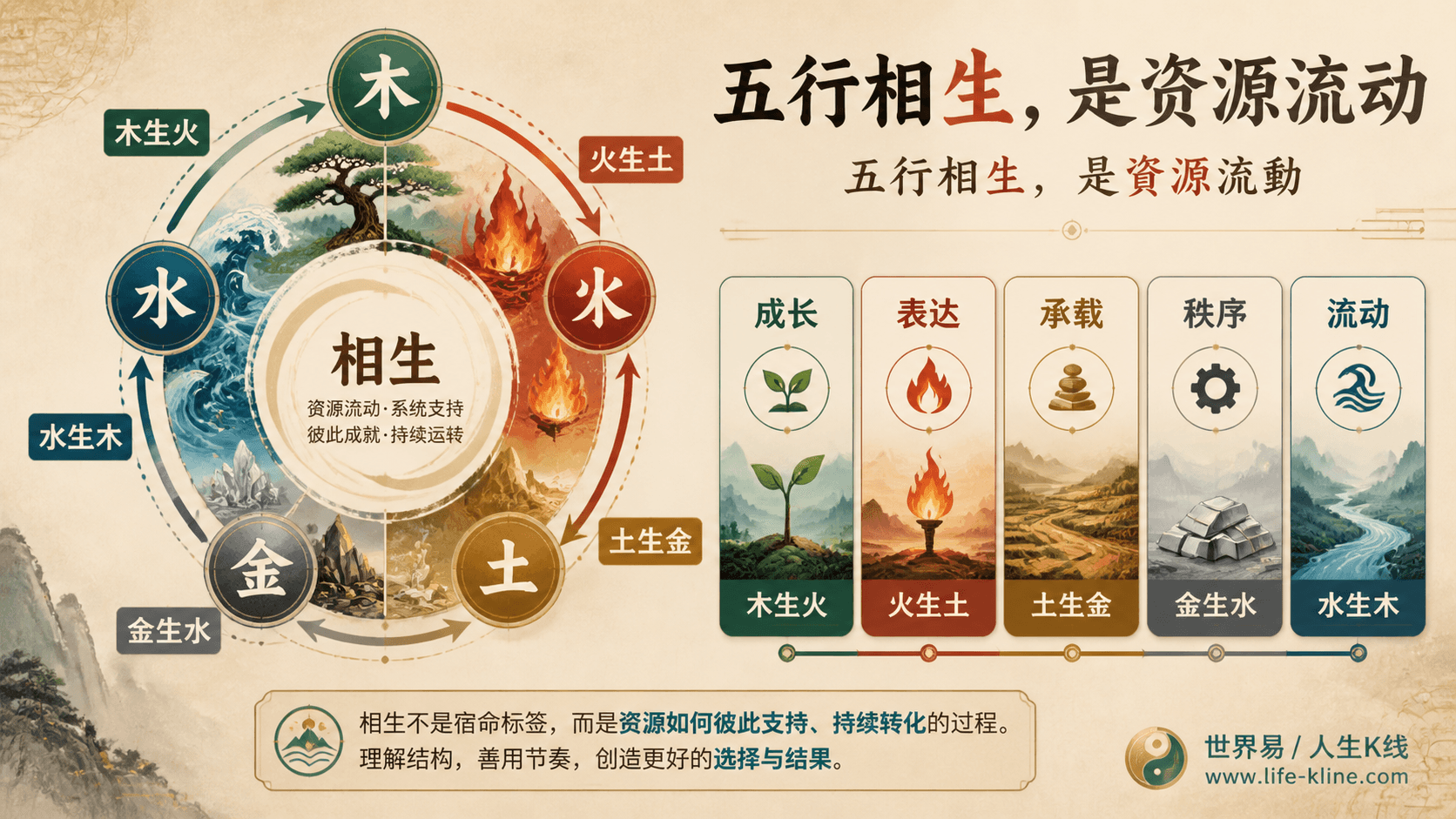
五行相生图
这张图把《Detailed Explanation and Fate Analysis of Tian Liang Zi Wei Main Star》里的命理概念转成关系、边界和应用场景,适合先看图建立结构,再回到知识文章正文理解细节。
说明木生火、火生土、土生金、金生水、水生木是资源传递,不是简单吉凶。
查看图片解读