Astrological Analysis and Decision Strategies for Family Nurturing Rhythm During Youth’s Initial Stabilization Period
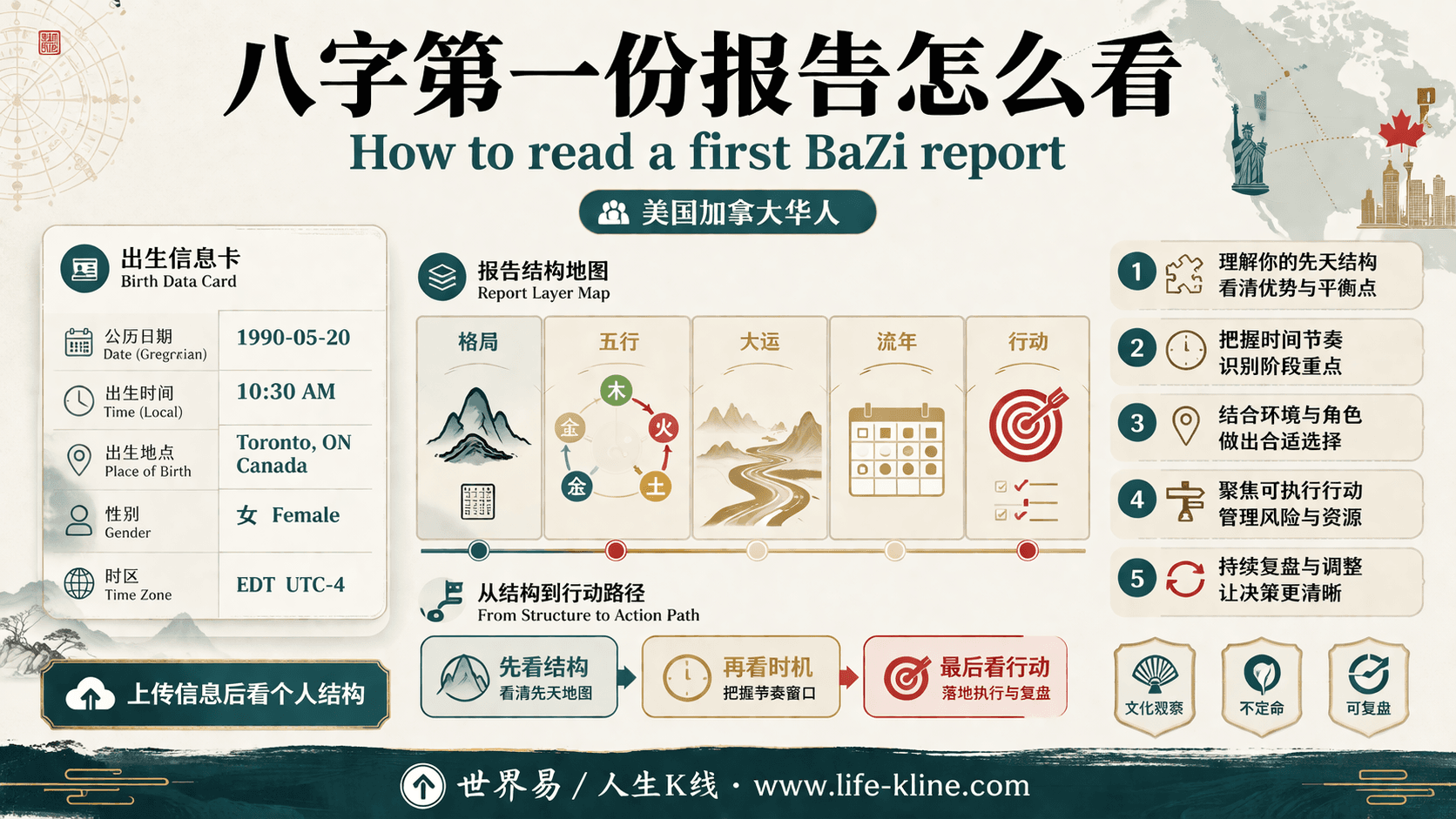
把这篇文章落到自己身上验证:先看结构,再进入个人分析,不做泛泛阅读。
Why This Decision Is Especially Difficult at This Life Stage
The youth’s initial stabilization period is a crucial turning point where individuals transition from dependence to independence, facing challenges such as establishing self-identity, choosing professional directions, and experiencing their first independent living. Adjusting the family nurturing rhythm during this stage is difficult because it must balance the youth’s desire for freedom with necessary support and guidance, avoiding both over-intervention and neglect.
Social expectations and real-world constraints intertwine, with parents generally feeling increased responsibility for their children. They worry that being too lenient might cause the youth to lose direction, while being too strict could hinder their independent growth. Especially in today’s diverse social pressures and information environments, correctly managing nurturing tightness is key to family harmony and youth mental health.
Astrological structure amplifies or suppresses the effects of nurturing rhythm decisions at this stage. Differences in Day Master strength, BaZi patterns, and Yong Shen affect the youth’s internal energy stability and external adaptability. Parents need to adjust support strategies according to these astrological traits so that nurturing rhythm complements the youth’s astrological strengths, facilitating a smooth growth transition.
Therefore, nurturing rhythm decisions are not only psychological and social issues but also require integration of individual astrological differences and scientific planning to effectively balance youth self-identity formation and steady professional development.
Three Core Dimensions of Astrological Judgment
First, the strength of the Day Master determines the youth’s internal energy foundation. Youth with a relatively weak Day Master tend to feel inadequate during independence and require more external support and guidance, relying more on a 'tight' nurturing rhythm. Conversely, those with strong or balanced Day Masters have some self-regulation ability, allowing for a relatively relaxed nurturing rhythm.
Second, BaZi patterns and Yong Shen reflect the overall energy flow in the youth’s astrological chart. For example, the Qi Sha (七杀) pattern indicates internal impulsiveness and challenges, requiring careful defense against external shocks; the regulating role of Yong Shen Metal is especially important. Pian Yin (偏印) and specialized strong patterns represent different energy dependencies, so parents should adjust nurturing strategies according to the characteristics of Yong Shen and Ji Shen (忌神, unfavorable elements) to provide appropriate environmental support.
Third, the Da Yun (decade luck cycle) and Liu Nian (annual fortune) stages reflect dynamic changes in astrological energy, influencing the youth’s fortune stability and challenges during this age. During unfavorable Da Yun, parents need closer attention and assistance; stable Da Yun allows for moderate looseness. Liu Nian variations indicate specific timing for nurturing adjustments, helping youth grasp their growth rhythm.
By integrating Day Master strength, BaZi patterns and Yong Shen, and Da Yun/Liu Nian environments, parents can form a targeted nurturing rhythm judgment framework to make scientific decisions aligned with the youth’s individual traits and stage-specific needs.
Three Real BaZi Chart Cases
Case 1: This female’s Day Master is 丁火 (Ding Fire), relatively weak, with a Qi Sha (七杀) pattern. Her Yong Shen is Metal, and Ji Shen is Earth. She is currently in the 己未 (Ji Wei) Da Yun (unfavorable luck) and 丙午 (Bing Wu) Liu Nian. During the youth’s initial stabilization period, her weak Day Master and adverse Da Yun suggest challenges in self-identity and independent living. Parents should maintain a moderately tight nurturing rhythm, strengthening Metal’s regulating effect to help the youth resist external shocks, while being cautious of the Ji Shen Earth’s influence to avoid excessive pressure causing negative reactions. The judgment sequence should first confirm the youth’s insufficient internal energy, combine Da Yun and Liu Nian risks, and timely tighten care to prevent major setbacks.
Case 2: This male’s Day Master is 甲木 (Jia Wood), with balanced strength, a Pian Yin (偏印) pattern. His Yong Shen is Fire, and Ji Shen is Metal. He is in the 乙丑 (Yi Chou) Da Yun (stable luck) and 丙午 (Bing Wu) Liu Nian. His youth stage is relatively stable, possessing some self-regulation and adaptability. Parents can adopt a more relaxed nurturing rhythm, granting greater autonomy, but still need to monitor potential obstacles from Ji Shen Metal and flexibly adjust support. The judgment sequence should start from the balanced Day Master, consider the stable Da Yun to assess overall youth condition, and intervene as needed to help clarify professional direction and ensure smooth independent living.
Case 3: This female’s Day Master is 乙木 (Yi Wood), relatively strong, with a specialized strong pattern. Her Yong Shen is Metal, and Ji Shen is Fire. She is in the 甲午 (Jia Wu) Da Yun (stable luck) and 丙午 (Bing Wu) Liu Nian. During youth, she has abundant internal energy, strong self-drive, and adaptability. Parents can maintain a relatively relaxed nurturing rhythm, encouraging self-exploration and growth, while paying attention to potential emotional fluctuations caused by Ji Shen Fire and providing timely guidance. The judgment sequence suggests first assessing Day Master strength and Yong Shen regulation, combined with Liu Nian for flexible adjustments, avoiding over-control to promote stable self-identity and life rhythm.
Common Misjudgments and Blind Spots at This Stage
First, applying a uniform nurturing rhythm standard based solely on age ignores individual astrological differences. Variations in Day Master strength and BaZi patterns determine differing youth needs for independence and support. A one-size-fits-all approach risks insufficient support or over-intervention, negatively affecting growth outcomes.
Second, neglecting the influence of Da Yun and Liu Nian on youth’s condition. Even with moderate Day Master strength, if the youth is in an unfavorable Da Yun or Liu Nian, they may face more challenges. Failure of parents to timely adjust nurturing strategies can result in care imbalances or emotional instability.
Third, overlooking the balance between Yong Shen and Ji Shen. Yong Shen represents supportive forces, while Ji Shen signifies limiting factors. Parents need scientific balancing in nurturing rhythm—neither ignoring Ji Shen pressures nor over-relying on Yong Shen. Maintaining dynamic equilibrium is key.
In summary, common misjudgments often stem from ignoring overall astrological structure and stage-specific fortune factors, causing nurturing rhythms to deviate from the youth’s real needs and impairing smooth self-identity formation and professional development.
Practical Judgment Sequence
Step one: Evaluate Day Master strength to clarify the youth’s internal energy foundation. A weak Day Master requires prioritizing enhanced support, while strong or balanced Day Masters allow for moderately relaxed nurturing rhythms and more autonomy.
Step two: Combine BaZi patterns with Yong Shen and Ji Shen to assess energy flow and regulation needs. Adjust nurturing methods according to Yong Shen’s nature, avoiding excessive Ji Shen interference to ensure emotional and behavioral stability.
Step three: Analyze the current Da Yun and Liu Nian environment to identify potential challenges and opportunities. During unfavorable luck phases, parents should pay closer attention; during stable phases, appropriate looseness can promote autonomous growth.
Overall judgments should be dynamically adjusted, integrating the youth’s real-world performance and astrological changes to scientifically plan nurturing rhythms, achieving both stage goals and long-term development.
FAQ
Question 1: If the youth’s Day Master is weak, how should parents adjust the nurturing rhythm? Answer: Youth with a weak Day Master have insufficient internal energy and tend to feel confused and pressured when facing independence challenges. Parents should adopt a relatively tight nurturing rhythm, providing more guidance and support to help build confidence and a stable life rhythm, while paying attention to the regulating role of Yong Shen and avoiding excessive pressure.
Question 2: Does a stable Da Yun mean nurturing can be completely relaxed? Answer: A stable Da Yun indeed provides a better developmental environment for youth, but nurturing rhythm still needs to be flexibly adjusted according to Day Master strength and Yong Shen/Ji Shen factors. Completely relaxing may neglect the youth’s specific needs; moderate attention and support remain necessary to prevent sudden issues from affecting growth.
Question 3: How to adjust nurturing rhythm based on Liu Nian changes? Answer: Liu Nian reflects annual energy fluctuations and external environmental changes. Parents should closely monitor the interaction between Liu Nian and Da Yun to identify potential risks and opportunities. During unfavorable Liu Nian, appropriate strengthening of attention and guidance is advised; during favorable years, moderate loosening encourages youth to explore independently and take responsibility.
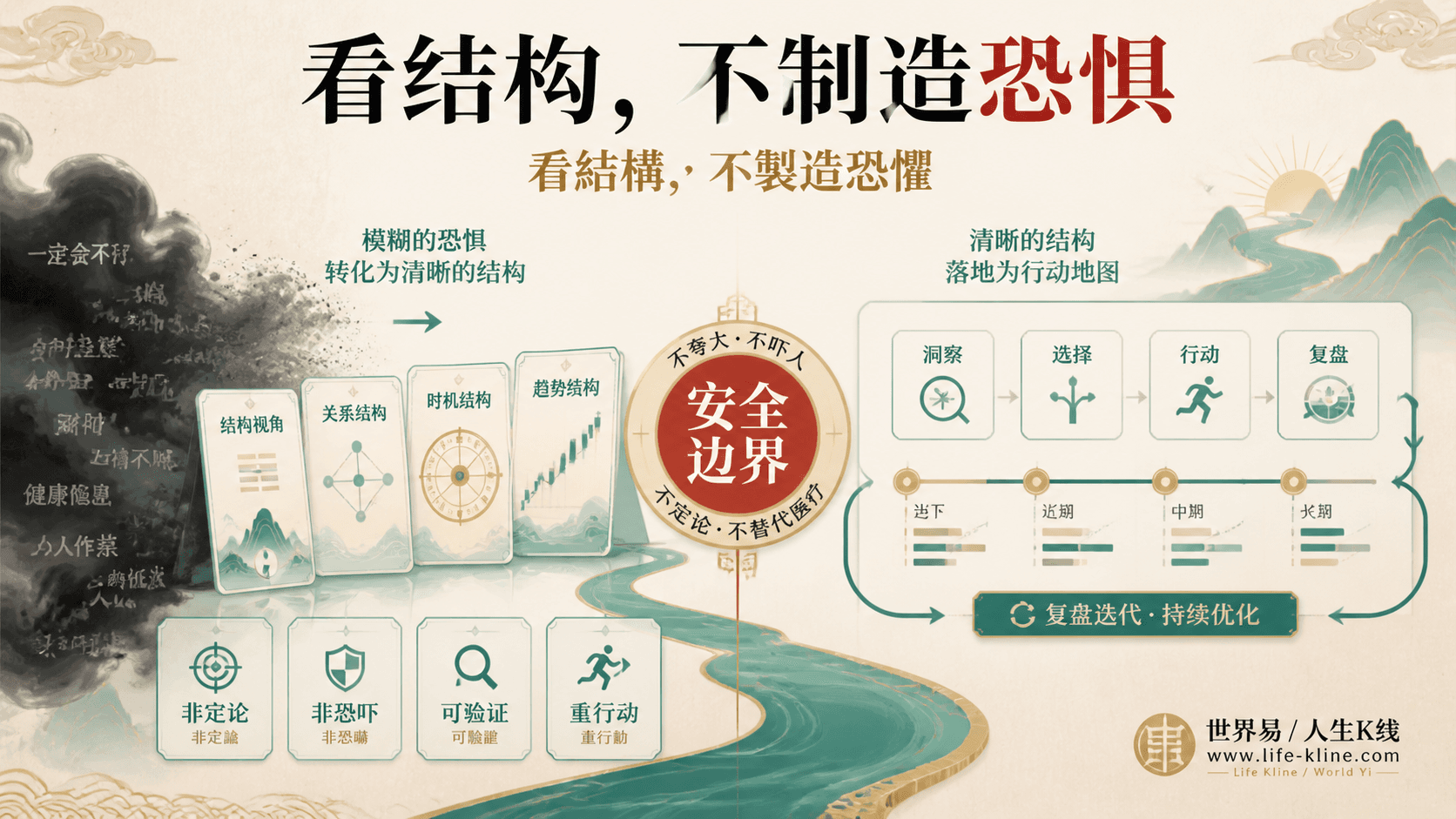
不是宿命论的判断边界
这张图把《Astrological Analysis and Decision Strategies for Family Nurturing Rhythm During Youth’s Initial Stabilization Period》接回世界易的判断语言:结构、时位、环境、行动与复盘,避免只停留在概念阅读。
说明世界易和命理分析只做结构化判断,不做恐吓和决定论。
查看图片解读