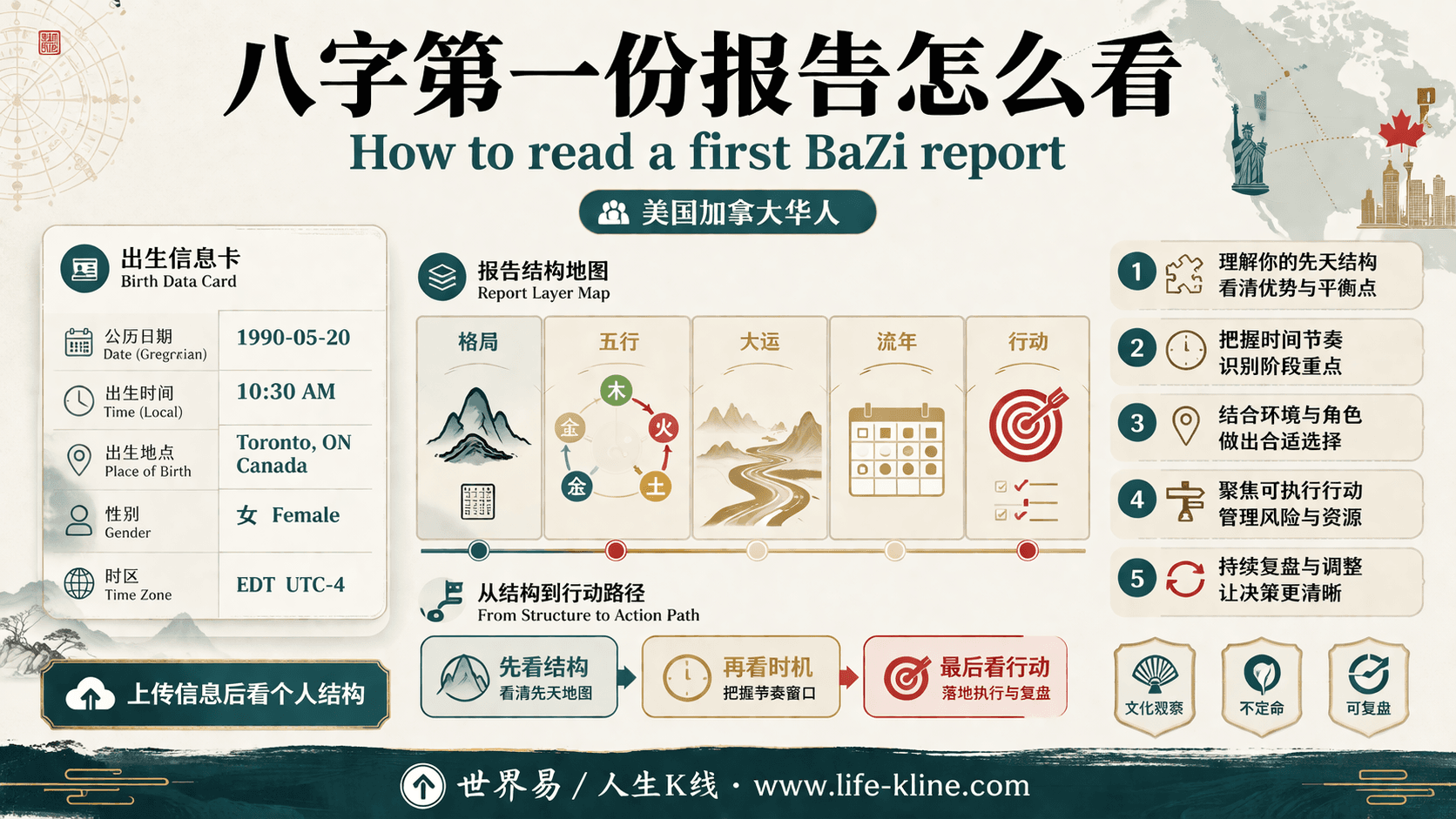
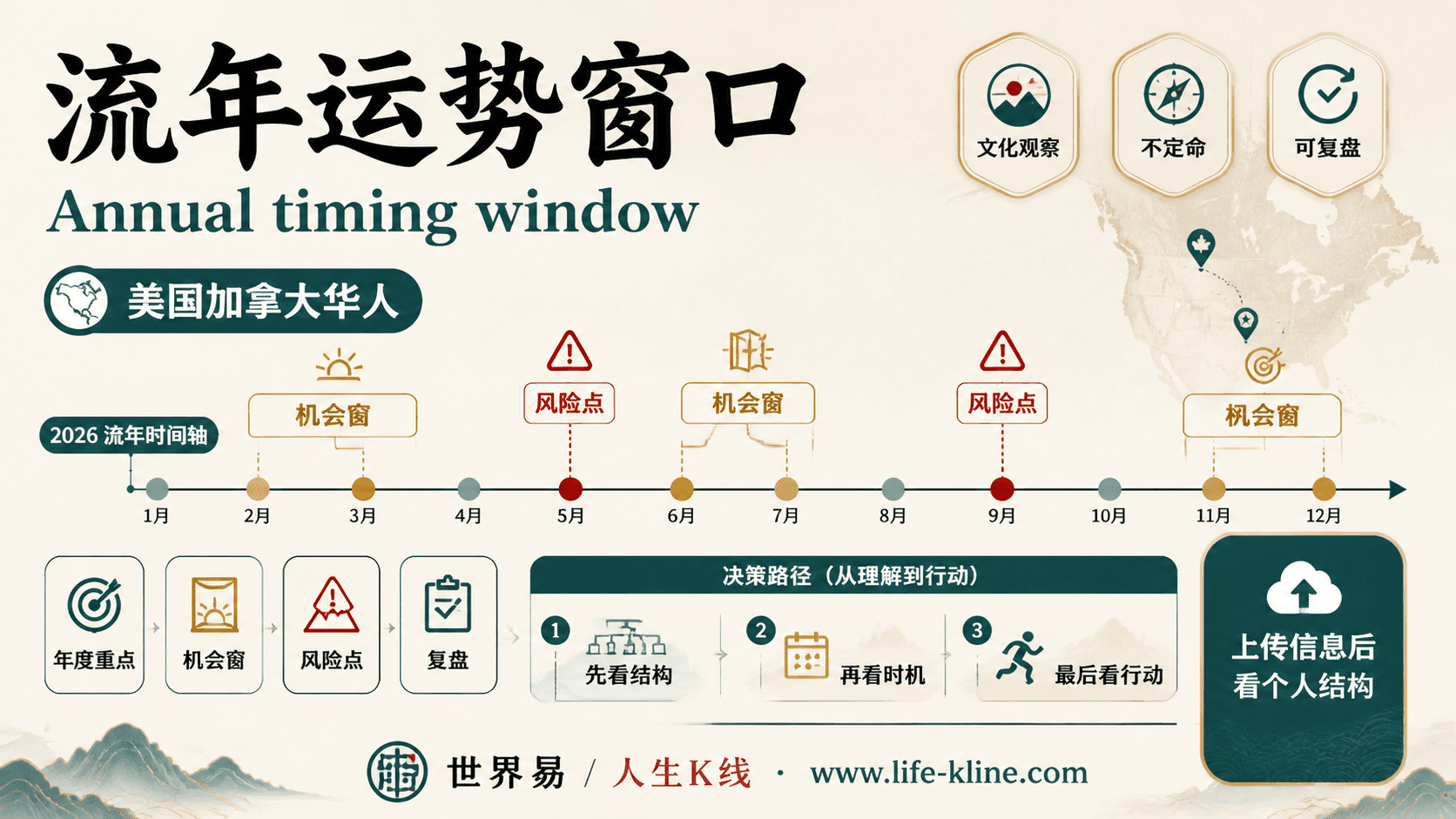
BaZi Analysis and Practical Advice on the Scale and Rhythm of Asset Transfer in the US
把这篇文章落到自己身上验证:先看结构,再进入个人分析,不做泛泛阅读。
Why This Decision Is Especially Difficult at This Destination
Transferring assets in the United States, especially involving work visas, investment immigration, and study visa status changes, faces multiple structural challenges. First, US visa wait times and identity verification cycles are long and policies frequently change, requiring extremely cautious capital flows to avoid frozen funds or compliance risks. Second, US tax law is highly transparent; cross-border assets require detailed declarations, and tax costs and legal liabilities cannot be ignored. Third, the healthcare system is primarily self-pay; once heavy assets are acquired or transferred in the US, medical risks and living costs increase simultaneously, necessitating advance planning.
Psychologically, many cross-border individuals tend to overestimate their financial strength or underestimate risks from policy fluctuations, resulting in overly aggressive or blindly conservative asset transfers. From a BaZi perspective, this anxiety and hesitation are reflected in the clash and combination relationships between Bi Jian/Jie Cai and Zheng Guan/Qi Sha, influencing decision-making rhythm and risk tolerance. Observing real BaZi charts, the Day Master’s strength, Yong Shen’s support, and the interaction of Da Yun and Liu Nian provide rhythmic references for the urgency and scale of asset transfer, helping rational control of scale and timing.
Additionally, the US’s educational stratification and political uncertainty require cross-border asset movers to consider not only capital itself but also educational resource allocation and social environment changes. BaZi stars such as Yi Ma (Traveling Horse) or Yin (Seal) often indicate mobility and environmental adaptability, assisting judgment on when to adjust asset strategies to cope with external volatility. Overall, asset transfer decisions in the US are particularly complex, requiring multi-dimensional layered analysis, with BaZi’s rhythmic perception serving as an auxiliary rather than a decisive tool.
Three Core Dimensions of BaZi Judgment
First, the combination of the Day Master and Yi Ma star reflects the principal’s energy strength and mobility. A relatively strong Day Master often has greater carrying capacity, suitable for larger-scale asset transfers, but attention must be paid to Yong Shen balance to avoid overexertion or resource misallocation. The Yi Ma star signals migration and movement; a strong Yi Ma warns to carefully assess risks when frequently changing identity or asset allocation in the US.
Second, the relationship between wealth stars and earning wealth in a foreign land is especially critical. A strong wealth star with effective Yong Shen indicates smooth capital flow and ease of generating wealth abroad. For investment immigrants or study visa status changers, the strength of the wealth star determines the sustainability of asset transfer and capital security. The presence of Bi Jian/Jie Cai requires caution regarding peer competition and resource dispersion, which may cause asset division or loss.
Third, the combination of Zheng Guan/Qi Sha (official stars) and Yin stars represents identity pressure and support systems. Official stars symbolize legal and policy pressures; strong official stars without Yin star harmonization indicate significant identity risks, requiring prevention of visa delays or difficulties in status conversion. Yin stars act as a backing, helping the principal relieve pressure and stabilize identity status. The clash and combination relationships between Da Yun and Liu Nian determine the speed of asset transfer rhythm and whether heavy investment is suitable.
Three Real BaZi Chart Cases
Case 1: The Day Master is Wu (戊, Earth), relatively strong, with a Yang Ren (Yang Blade) pattern. The Yong Shen is Metal, and the Ji Shen (unfavorable element) is Fire. Currently in the 9th year of the Ding You (丁酉) Da Yun, with the Liu Nian being Bing Wu (丙午). The overall Da Yun is stable, and the Liu Nian brings a rhythm of adaptability. The Yang Ren pattern indicates the principal has strong subjective energy and execution ability. Metal as Yong Shen benefits capital flow and resource integration. Considering the US work visa and investment immigration environment, this structure suits steady asset transfer, but the Ji Shen Fire represents risk events that must be strictly controlled, especially policy changes and market volatility. It is recommended to maintain a conservative asset transfer approach, travel light, avoid over-concentration, and cooperate with professional legal and tax advisors to formulate a phased transfer plan.
Case 2: The Day Master is Jia (甲, Wood), relatively weak, with a Qi Sha (Seven Killings) pattern. The Yong Shen is Water, and the Ji Shen are Fire and Earth. Currently in the 10th year of the Yi Chou (乙丑) Da Yun, with the Liu Nian being Bing Wu (丙午). The Da Yun is stable, while the Liu Nian introduces some variability. The Qi Sha pattern shows the principal faces strong external pressure. Water as Yong Shen symbolizes resource and intelligence regulation, which can alleviate pressure and improve mobility. In US investment immigration and study visa status conversion, the weak Day Master suggests limited risk-bearing capacity. Ji Shen Fire and Earth indicate that legal, tax, and medical expense risks require focused attention. Asset transfer should lean toward light asset allocation, avoiding one-time large-scale property acquisition. It is advised to verify funds and assess capital safety in phases, working with professional immigration and financial planners to develop strategies.
Case 3: The Day Master is Bing (丙, Fire), relatively strong, with a Zheng Yin (Proper Seal) pattern. The Yong Shen are Water and Metal, and the Ji Shen is Wood. Currently in the 7th year of the Gui Mao (癸卯) Da Yun, with the Liu Nian being Bing Wu (丙午). The Da Yun is stable, and the Liu Nian suggests adaptability. The Zheng Yin pattern reflects the principal has a strong support system and learning ability. Water and Metal as Yong Shen favor flexible capital and resource flow. This suits study visa status changers conducting steady asset transfer and gradual property acquisition in the US. Ji Shen Wood warns to guard against challenges from educational resource competition and policy changes. This structure is suitable for orderly expansion of asset scale, aligning with visa wait times and tax compliance, steadily advancing asset transfer rhythm, and cooperating with professional teams for risk control.
Common Misjudgments and Blind Spots at This Destination
Many cross-border migrants transferring assets in the US tend to base their psychological sense of security on short-term policy stability or market conditions, overlooking the long-term uncertainty of visa wait times and the compliance costs from tax transparency, leading to capital flow bottlenecks. The BaZi clash of Zheng Guan/Qi Sha warns that identity pressure is often a latent risk and should not be neglected due to short-term smoothness.
Another blind spot is over-reliance on the asset scale itself while ignoring the power of Yong Shen in the BaZi chart. Even with abundant capital, if the Yong Shen is damaged or Ji Shen is too strong, it implies insufficient capital flow and risk tolerance, and excessive asset transfer may plant hidden dangers. Correctly understanding BaZi rhythms combined with professional legal and tax consultation can avoid blind expansion.
At the same time, some individuals neglect the impact of cultural adaptation and social environment changes. BaZi stars such as Yi Ma and Yin indicate that asset transfer is not only physical capital movement but also resource reallocation and identity repositioning. Lack of sufficient environmental adaptability increases the risk of failure.
Practical Judgment Sequence
First, examine the Day Master’s strength and Yong Shen configuration in the BaZi chart to assess one’s fundamental risk-bearing capacity and capital flow ability. Those with a relatively strong Day Master and effective Yong Shen may consider larger-scale asset transfer; otherwise, it is advisable to travel light and transfer assets in batches to reduce risk. Second, analyze current Da Yun and Liu Nian to evaluate identity pressure and policy change rhythms, avoiding heavy property acquisition in years with strong Zheng Guan/Qi Sha clashes or excessive Ji Shen.
Next, combine US visa wait times and tax policies to ensure compliant capital declaration and tax planning, preventing fund freezing or asset restrictions due to procedural delays. Especially for investment immigration and study visa status changes, it is recommended to verify fund sources and asset safety in phases, working with professional immigration lawyers and tax advisors to develop feasible transfer plans.
Finally, dynamically monitor BaZi rhythms and external environment changes. When Liu Nian and Da Yun are unfavorable, consider pausing or adjusting asset scale; when stable, accelerate deployment. BaZi serves only as an auxiliary rhythmic reference and cannot replace legal and financial professional advice. Cross-border asset transfer must involve multiple consultations and proceed prudently.
FAQ
Question 1: How do Yong Shen and Ji Shen specifically affect asset transfer decisions in BaZi? Answer: Yong Shen represents the resources and support needed by the principal. If Yong Shen is strong, capital flows smoothly and asset transfer risks are lower. Ji Shen represents conflicting elements in BaZi; if Ji Shen is too strong, it may cause capital flow obstacles or legal risks, requiring more cautious asset transfer.
Question 2: Is it always suitable to heavily invest when Da Yun and Liu Nian are stable? Answer: Not necessarily. Although stable Da Yun and Liu Nian provide a good rhythmic foundation, one must also consider Day Master strength and Yong Shen condition to judge carrying capacity, and must factor in external visa policies and tax compliance. Only after comprehensive evaluation can the scale be decided.
Question 3: Can BaZi judgment replace professional immigration and tax consultation? Answer: No. BaZi is only an auxiliary rhythmic reference that helps understand timing and rhythm of actions. Actual cross-border migration involves complex legal, tax, and compliance issues that require specific guidance from professionals.
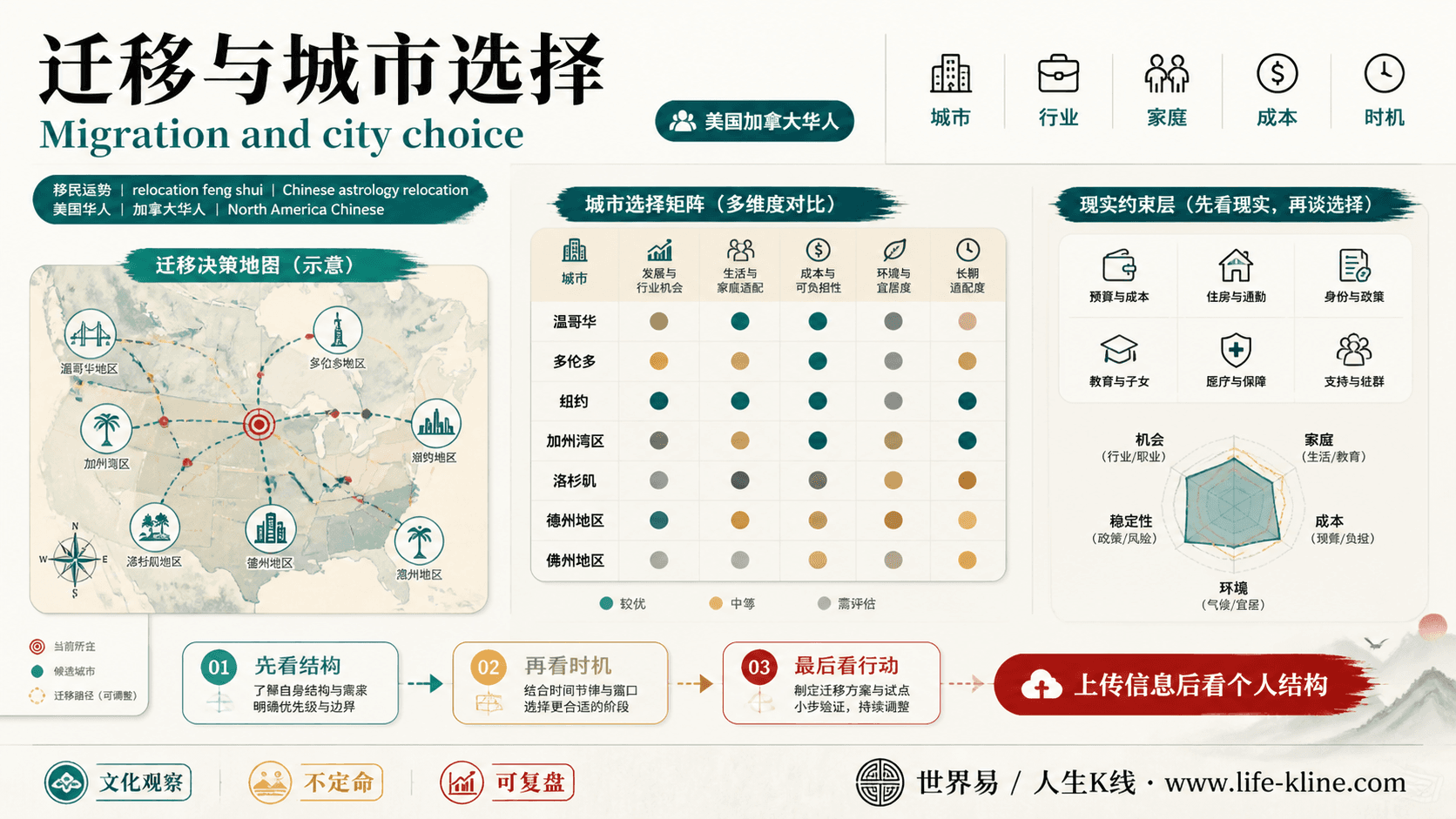
迁移与城市选择|美国加拿大华人
这张图把《BaZi Analysis and Practical Advice on the Scale and Rhythm of Asset Transfer in the US》里的命理概念转成关系、边界和应用场景,适合先看图建立结构,再回到知识文章正文理解细节。
迁移与城市选择不应被写成固定结论。更适合美国加拿大华人的读法,是把传统术语翻译成结构、时机、环境、行动和复盘。
查看图片解读