BaZi Decision Analysis and Practical Guide for Overseas Chinese Migration Environment Matching in Singapore and Malaysia
把这篇文章落到自己身上验证:先看结构,再进入个人分析,不做泛泛阅读。
Why This Scenario Is Especially Difficult for Overseas Chinese
The primary difficulty overseas Chinese face in migration decisions is how to find the environment that best suits their BaZi structure within two regions that have significant differences in culture, policy, and living environment. Although Singapore and Malaysia are geographically close, they differ markedly in tax policies, employment opportunities, living costs, and social culture. These practical constraints directly affect the performance of the Yong Shen and the suppression of the Ji Shen in the BaZi chart.
The psychological adaptation issues brought by cultural differences should not be overlooked either. Singapore’s modernization and high efficiency demand greater competitiveness from individuals, whereas Malaysia’s multicultural environment may provide different energy support or obstacles for certain BaZi structures. The strength of the Day Master, pattern types, and the roles of Yong Shen and Ji Shen will be amplified or suppressed in these two distinct social environments.
Additionally, factors such as cross-border family distance, tax compliance, and currency fluctuations make migration decisions not merely a one-dimensional BaZi interpretation but a multi-layered, multi-dimensional comprehensive consideration. BaZi judgments must be combined with real policy environments to accurately predict changes in fortune and improvements or declines in quality of life after migration.
Therefore, BaZi decision-making in migration environment matching must simultaneously consider real constraints, cultural and psychological adaptation, and the intrinsic characteristics of the BaZi structure. A comprehensive analysis is required to avoid one-sided interpretations from single BaZi models, thereby providing practical and effective guidance for overseas Chinese in Singapore and Malaysia.
Three Core Dimensions of BaZi Judgment
First, the strength of the Day Master and the pattern type form the foundation for judging the stability and potential of the BaZi chart. A strong Day Master has strong self-motivation, while a weak Day Master requires external environmental support. Patterns such as Bi Jian (Peer), Zheng Cai (Direct Wealth), or Yang Ren (Sheep Blade) represent different personality traits and fortune trajectories, directly influencing the ability and opportunities to adapt to a new environment after migration.
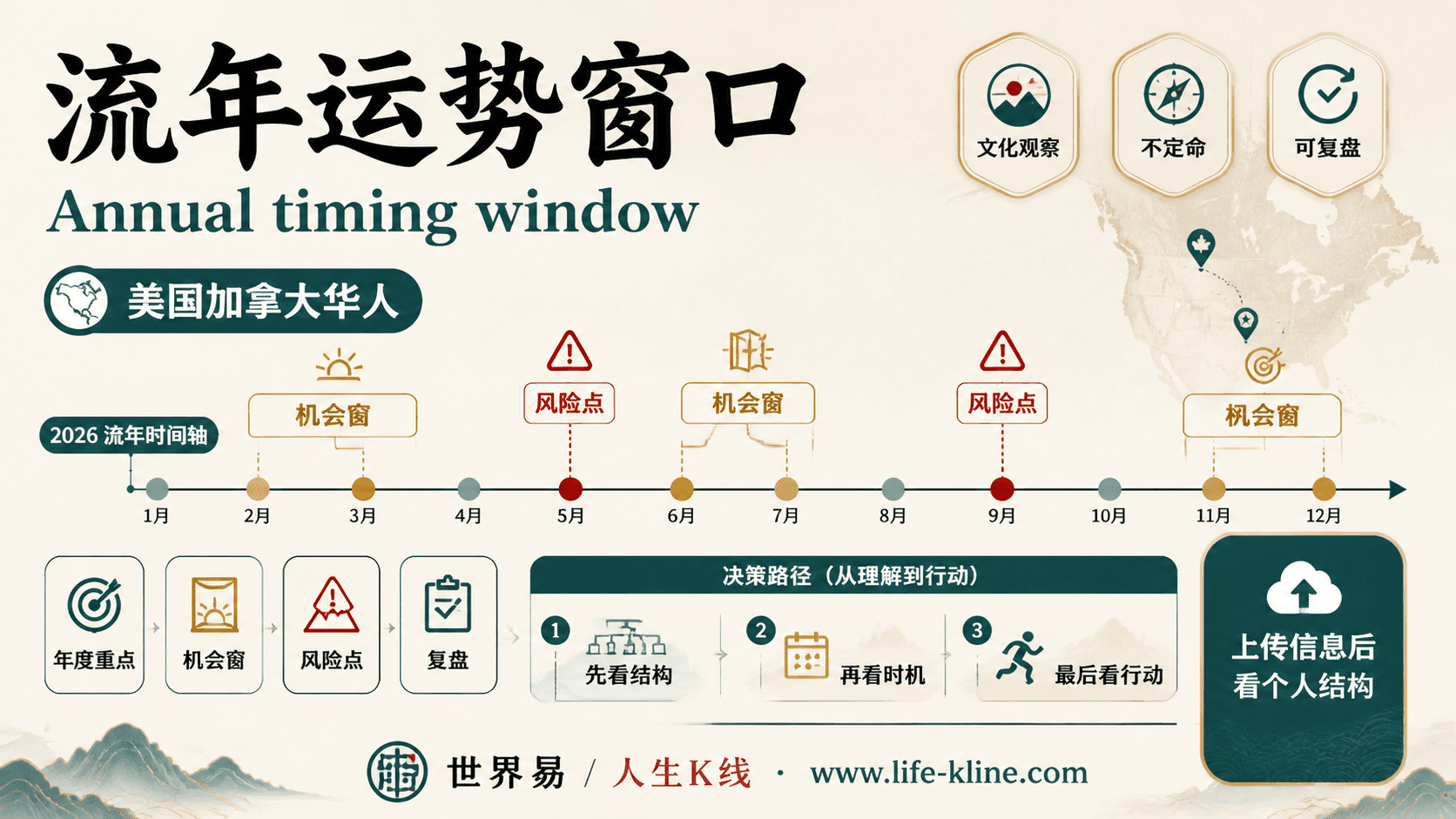
Second, the identification of Yong Shen and Ji Shen determines the energy flow of the BaZi chart in different environments. When the Yong Shen is Metal or Earth, an economically stable and policy-clear environment is suitable; if the Ji Shen is Wood or Fire, overly intense or unstable environments should be avoided. Da Yun (decade luck cycles) and Liu Nian (annual fortune) represent the dynamic expression of the BaZi chart. Whether the current Da Yun is stable and the Liu Nian cautious determines the timing and intensity of migration actions.
Finally, the match between the palace environment and the external environment is extremely critical. The economic development level, cultural atmosphere, and tax policies of Singapore and Malaysia constitute the external “palace environment” of BaZi. If the Yong Shen in the BaZi chart can be effectively activated by the migration region’s environment, the BaZi potential is amplified; otherwise, energy suppression occurs, affecting the smoothness of life and career.
By integrating these three dimensions, BaZi judgment in migration environment matching is not just theoretical deduction but must combine actual regional characteristics to achieve bidirectional adaptation between BaZi and the real environment. This ensures that migration decisions are scientific and reasonable, enhancing the stability and sustainability of future development.
Three Real BaZi Case Studies
Case 1: This gentleman’s Day Master is Ren (壬, Water), relatively weak, with a Bi Jian (Peer) pattern. The Yong Shen is Metal, currently in the Ding Wei (丁未) Da Yun, with relatively weak fortune, and the Liu Nian is Bing Wu (丙午), requiring caution. A weak Ren Water Day Master means the environment’s Metal element is needed to strengthen self-energy. Between Singapore and Malaysia, Singapore’s financial and legal environment strongly activates Metal energy, whereas Malaysia’s more diversified but relatively unstable economy may suppress the Yong Shen’s effect. Migration should prioritize Singapore to leverage its stable economic environment to amplify the Metal Yong Shen’s energy, compensating for the weak Day Master. The judgment sequence suggests first assessing the destination’s activation level of Metal, then cautiously advancing the migration plan based on current fortune.
Case 2: This lady’s Day Master is Jia (甲, Wood), relatively strong, with a Zheng Cai (Direct Wealth) pattern. The Yong Shen are Metal and Earth, and the Ji Shen is Water. She is currently in the Jia Xu (甲戌) Da Yun with stable fortune, and the Liu Nian is Bing Wu (丙午), allowing flexible adaptation. A strong Jia Wood Day Master benefits from a supportive environment for further growth. Metal and Earth as Yong Shen indicate the need for an economically stable and resource-rich environment. Both Singapore’s stable policies and Malaysia’s land resource advantages can support the Yong Shen, but Water as Ji Shen requires avoidance of excessive water resources or policy volatility that bring uncertainty. Migration should prioritize economically and politically stable areas while avoiding environments with strong Water influence. The judgment sequence recommends screening based on the environmental support for Metal and Earth Yong Shen, combined with family and tax considerations for comprehensive decision-making.
Case 3: This gentleman’s Day Master is Bing (丙, Fire), relatively strong, with a Yang Ren (Sheep Blade) pattern. The Yong Shen are Water and Metal, and the Ji Shen is Wood. He is currently in the Yi Wei (乙未) Da Yun with stable fortune, and the Liu Nian allows flexible adaptation. A strong Bing Fire Day Master and Yang Ren pattern bring strong initiative and challenges. The Water and Metal Yong Shen help moderate the excessive Fire. Singapore’s modern urban environment favors the activation of Water and Metal Yong Shen, suppressing excessive Fire, while some areas in Malaysia have strong Wood elements that may activate the Ji Shen, causing fortune fluctuations. Migration should prioritize regions rich in Water and Metal elements and minimize Wood interference. The judgment sequence suggests evaluating the natural and policy environment’s support for Water and Metal Yong Shen at the migration destination, then formulating an action plan considering personal and family circumstances.
Common Misconceptions Among Overseas Chinese in This Scenario
Many overseas Chinese in Singapore and Malaysia overly rely on single BaZi conclusions during migration decisions, neglecting the amplification or suppression effects of the real environment on BaZi energies. This leads to fortunes not unfolding as expected after migration. BaZi judgments detached from the actual economic, cultural, and social policies of the region tend to become hollow theoretical deductions, losing practical guidance value.
Another misconception is ignoring the dynamic performance of Yong Shen and Ji Shen in different environments. For example, Metal as Yong Shen may be better activated in Singapore but weakened in Malaysia due to different economic structures; if Ji Shen Wood or Fire is amplified in the environment, it may trigger more adverse factors. Ignoring the interaction between environmental elements and BaZi elements often results in increased life pressures after migration.
Additionally, some Chinese focus only on short-term factors such as tax or living costs during migration, neglecting the matching of Da Yun and Liu Nian with migration timing, resulting in missed optimal migration windows and affecting overall fortune trends. Migration decisions should integrate the dynamics of Da Yun and Liu Nian to scientifically plan migration timing and avoid blind actions.
In summary, avoiding these misconceptions requires closely integrating BaZi judgment with the real policies, cultural differences, and family situations in Singapore and Malaysia, achieving deep matching between BaZi and environment to realize scientific and sustainable migration decisions.
Practical Judgment Sequence
First, clarify the individual BaZi chart’s Day Master strength, pattern type, and Yong Shen/Ji Shen to identify core needs and potential risks. Combine this with the current Da Yun and Liu Nian to judge the BaZi’s energy state—whether it is in a stable, turning, or cautious period—laying the foundation for migration decisions.
Second, evaluate the environmental characteristics of the intended migration destination in Singapore or Malaysia, focusing on the area’s support for the Yong Shen and the potential amplification of the Ji Shen. This includes tax policies, economic structure, cultural atmosphere, and natural environment, comprehensively determining whether the migration area acts as an amplifier or suppressor of the BaZi energies.
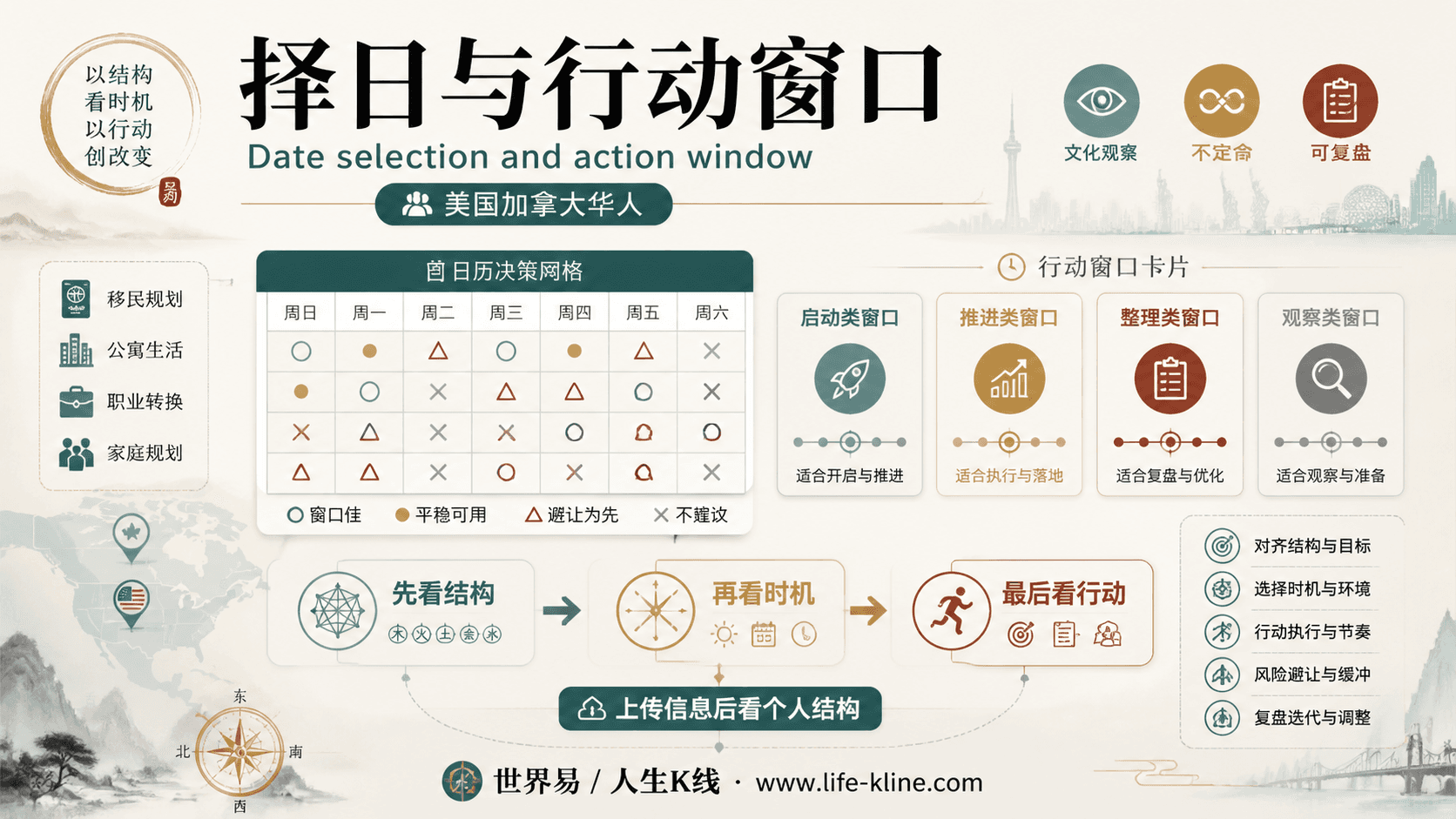
Finally, based on the degree of BaZi energy and environmental matching, combined with practical factors such as family distance, cross-border tax compliance, and exchange rate risks, formulate a migration timetable. Prioritize actions during favorable Da Yun and Liu Nian periods, avoiding major moves during weak fortune phases. The entire process should be dynamically adjusted with flexibility to ensure that migration decisions are scientific, reasonable, and forward-looking.
FAQ
Question 1: Why do identical BaZi charts have different migration outcomes in Singapore and Malaysia? Answer: Because Singapore and Malaysia have significant differences in economic, cultural, and policy environments, the Yong Shen and Ji Shen in the BaZi chart are amplified or suppressed differently, leading to inconsistent fortune performances after migration.
Question 2: How to judge the influence of Da Yun and Liu Nian on migration decisions before migrating? Answer: One should combine the strength of the current Da Yun and the characteristics of the Liu Nian to assess the overall energy trend of the BaZi chart. Migration is suitable when the Da Yun is stable and the Liu Nian favorable; if the Da Yun is weak and the Liu Nian requires caution, it is advisable to postpone migration to avoid adverse effects.
Question 3: How to balance BaZi judgment with practical factors like tax and family distance? Answer: BaZi judgment provides energy direction and timing references, while practical factors are specific execution conditions. A comprehensive evaluation is needed: prioritize environments that support the Yong Shen, and use tax costs and family convenience as auxiliary decision factors to ensure migration aligns with both BaZi trends and real needs.
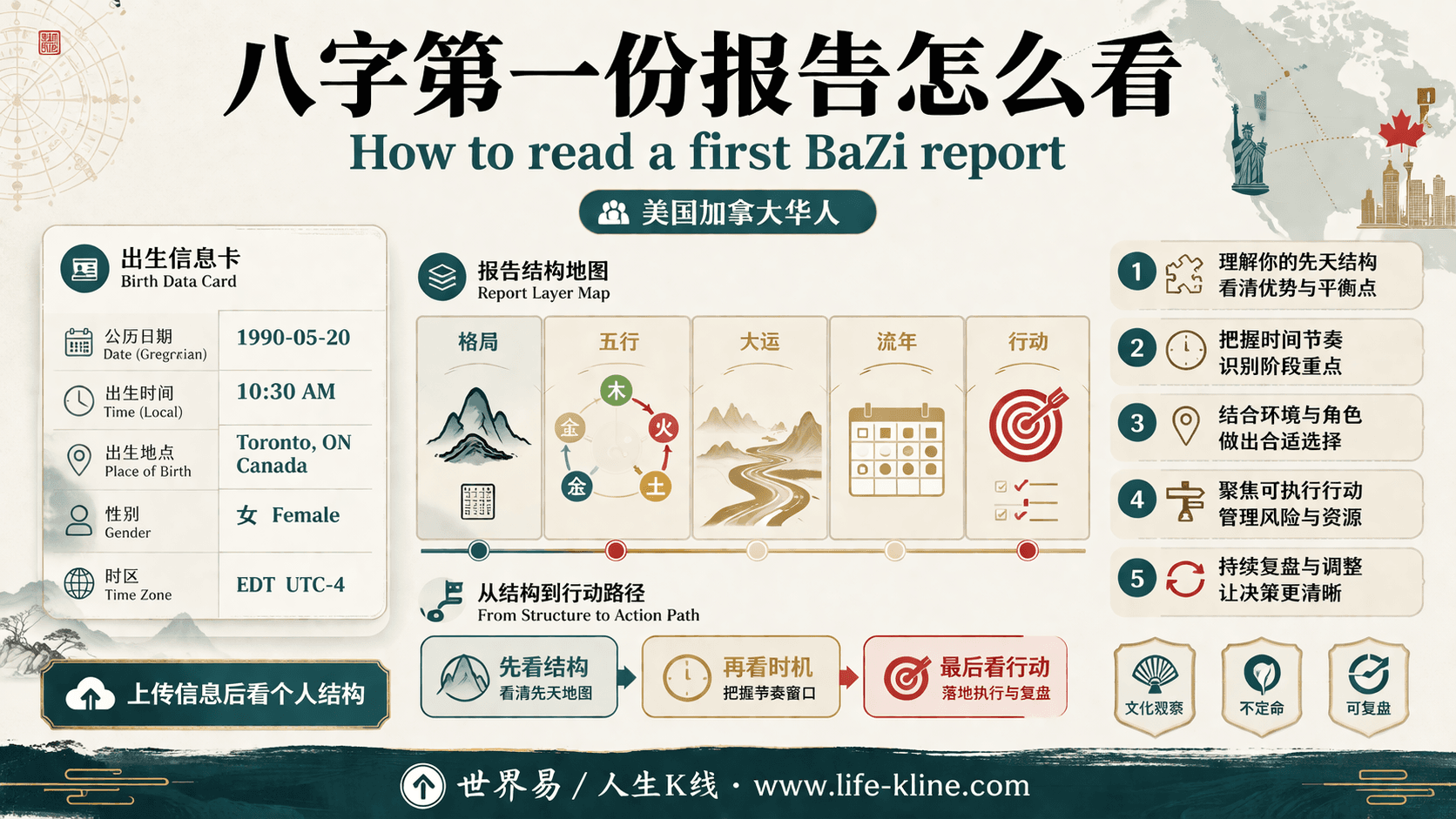
八字第一份报告怎么看|美国加拿大华人
这张图把《BaZi Decision Analysis and Practical Guide for Overseas Chinese Migration Environment Matching in Singapore and Malaysia》里的命理概念转成关系、边界和应用场景,适合先看图建立结构,再回到知识文章正文理解细节。
八字第一份报告怎么看不应被写成固定结论。更适合美国加拿大华人的读法,是把传统术语翻译成结构、时机、环境、行动和复盘。
查看图片解读