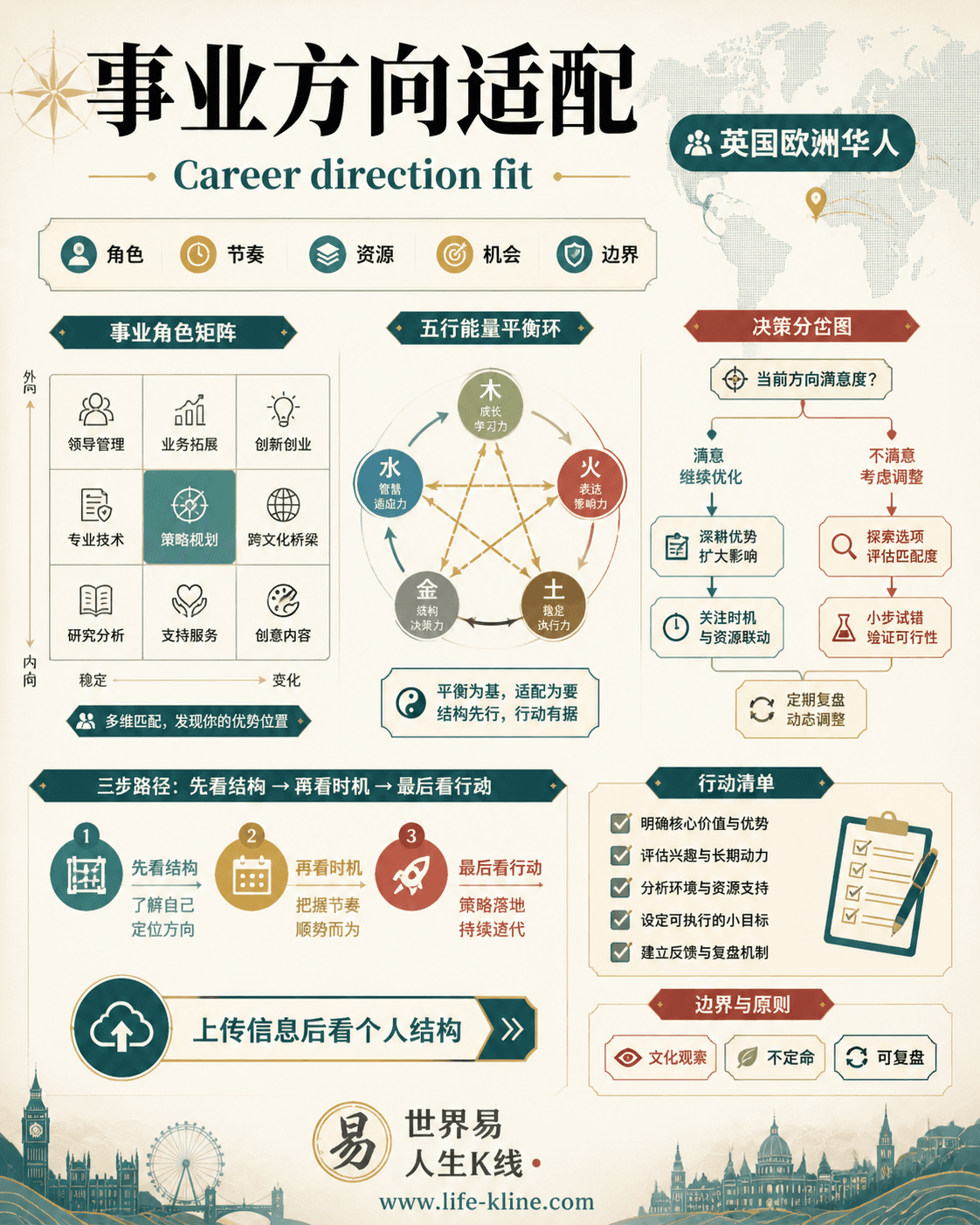
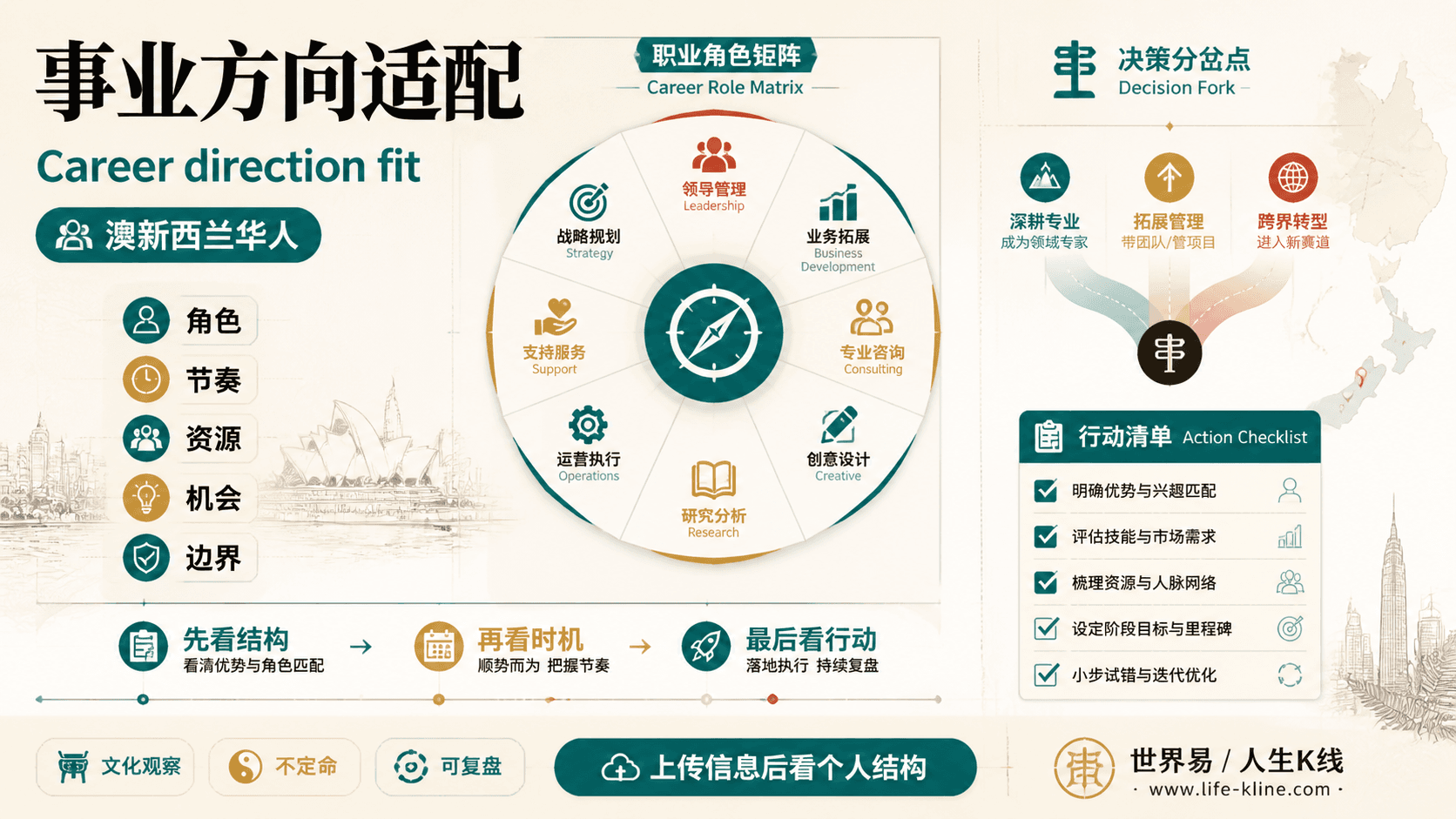
Analysis of SaaS Startup Entry Timing: An Integrated Perspective Based on Metaphysics and Business Decisions
把这篇文章落到自己身上验证:先看结构,再进入个人分析,不做泛泛阅读。
Why This Decision Is Especially Difficult in This Industry
The SaaS and software subscription industries have unique business models that make startup entry decisions particularly complex. The long customer acquisition cycle means significant early investment in customer development and market education, extending the return period and increasing cash flow pressure. The ARR (Annual Recurring Revenue) model helps estimate long-term value, but short-term fluctuations in customer success and renewal rates pose challenges to financial stability. Additionally, accumulated technical debt and product iteration pressures require continuous R&D investment, raising operational costs and making quick results difficult.
Within such a business structure, entrepreneurs often face a dilemma: on one hand, fearing premature market entry and excessive pressure; on the other, worrying about missing the industry’s dividend period. Psychologically, both excessive optimism and pessimism can lead to poor timing choices. The involvement of metaphysical structures—especially focusing on Day Master strength, Yong Shen configuration, and the interaction of Da Yun (decade luck cycles) and Liu Nian (annual fortunes)—provides a rhythmic auxiliary perspective, helping entrepreneurs find relatively stable action signals amid uncertainty.
Specifically, the Wealth Star (Cai Xing) represents capital and income; Bi Jian and Jie Cai symbolize peer competition and resource contention; Qi Sha and Zheng Guan reflect pressure and challenges; while Pian Yin and Zheng Yin relate to support and resource supplementation. Different metaphysical combinations amplify or suppress decision risks when facing SaaS’s long-term compounding and customer success pressures. For example, a strong Yin Star with Wealth Star properly utilized suits internal strength accumulation and steady advancement; a prosperous Wealth Star indicates good capital inflow, favoring aggressive expansion.
Therefore, the difficulty of this decision lies not only in market and financial complexity but also in how entrepreneurs combine their own metaphysical rhythm to reasonably judge when to “open up” and when to “cultivate internally,” avoiding reckless advancement or missed opportunities. The rhythm and trend insights provided by metaphysics effectively complement commercial due diligence but are by no means a substitute.
Three Core Dimensions of Metaphysical Judgment
First, the strength of the Day Master directly reflects the entrepreneur’s internal energy state and ability to withstand pressure. SaaS startups must face long customer cultivation cycles; a relatively strong Day Master indicates strong autonomy and ease in proactively addressing challenges, while a weaker Day Master requires external support and more cautious actions. Second, the combination of Wealth Star, Bi Jian, Qi Sha, and Yin Stars reflects external resource flow and competitive environment.
In the SaaS industry, the Wealth Star symbolizes capital and customer revenue. A vigorous Wealth Star facilitates rapid ARR accumulation and market share expansion, but if excessively strong without restraint, it may lead to improper capital use or blind expansion. Bi Jian represents peer competition and team collaboration; moderate Bi Jian promotes resource sharing and partnership development, but excessive amounts cause internal friction and resource dispersion.
Qi Sha and Zheng Guan stars relate to pressure and regulation. SaaS faces policy, market, and technical risks; excessive Qi Sha or Zheng Guan may bring obstacles, affecting decision execution. Yin Stars represent support forces, including knowledge, customer success, and technical accumulation. A Zheng Yin pattern usually means stable resources and support, suitable for deep technology and product cultivation to build long-term competitive advantages.
Finally, the interaction of Liu Nian and Da Yun provides timing clues for entrepreneurial rhythm. A stable Da Yun combined with adaptable Liu Nian suggests maintaining vigilance and flexible strategy adjustment. The Yong Shen in metaphysics corresponds to key industry resources; whether the Yong Shen is supported is crucial in judging whether to enter immediately or continue internal cultivation.
Three Real Metaphysical Chart Cases
Case 1: This male chart has a relatively strong Xin Metal (辛, Xin) Day Master, belonging to a Zheng Yin pattern, with fire and wood as Yong Shen, and earth as Ji Shen (unfavorable element). Currently in the Xin Wei Da Yun (age 21-30, a stable luck cycle favoring consolidation), with Liu Nian Bing Wu (丙午) bringing opportunities for adaptability. The strong Xin Metal Day Master indicates strong execution and adaptability; the Zheng Yin pattern shows stable resources and internal cultivation ability. Fire and wood as Yong Shen imply reliance on innovation and growth momentum. The Xin Wei Da Yun favors consolidation, suggesting against rash moves, but the Bing Wu Liu Nian offers chances to seek breakthroughs in the market.
Applying this chart to the SaaS industry, facing long customer acquisition cycles and technical debt, this entrepreneur tends to first stabilize product and customer bases, gradually accumulating ARR. The fire and wood Yong Shen enhance possibilities for technological innovation and customer success, suitable for optimizing products and improving customer experience during this period. The interaction of Da Yun and Liu Nian suggests flexibility on a consolidation foundation, allowing small-scale market pilots.
Judgment suggestion: Under this structure, market due diligence should be the basis. When product maturity and customer feedback are confirmed good, moderate investment in customer acquisition and marketing is appropriate, avoiding premature large-scale expansion. If capital and team are not yet mature, continue internal cultivation, strengthening technical accumulation and customer success management, waiting for more favorable Da Yun before large-scale market entry.
Case 2: This female chart has a relatively strong Gui Water (癸, Gui) Day Master, a Pian Cai (偏财) pattern, with earth and fire as Yong Shen, and metal as Ji Shen. Currently in the Geng Yin Da Yun (age 21-30, a stable luck cycle favoring consolidation), with Liu Nian Bing Wu (丙午) for adaptability. The strong Gui Water Day Master shows flexibility and resource integration ability; the Pian Cai pattern indicates active capital and external resources. Yong Shen earth and fire emphasize stability and proactive drive; Ji Shen metal warns against excessive competition and internal friction. Both Da Yun and Liu Nian suggest steady progress with flexible market strategy adjustments.
In the SaaS context, the Pian Cai pattern indicates strong capital and customer resource advantages, suitable for accelerating customer acquisition and product iteration through partnerships and capital injection. Earth and fire Yong Shen benefit team stability and technical support, aligning with long-term customer success logic. The current Da Yun favors consolidation, but Liu Nian allows for adjustment space, suitable for testing market response and tweaking business models.
Judgment suggestion: This entrepreneur should first verify capital and customer base stability through due diligence, then moderately increase market investment after confirming core customer success rates and product fit. If market feedback is poor or the team immature, priority should be given to strengthening internal management and technical R&D to avoid wasteful blind expansion.
Case 3: This male chart has a relatively weak Ji Earth (己, Ji) Day Master, a Pian Cai pattern, with fire as Yong Shen and metal and water as Ji Shen. Currently in the Wu Chen Da Yun (age 48-57, a stable luck cycle favoring consolidation), with Liu Nian Bing Wu (丙午) for adaptability. The weak Ji Earth Day Master means limited self-pressure endurance; the Pian Cai pattern shows capital and external resources are very critical. Fire as Yong Shen indicates reliance on passion and driving force; Ji Shen metal and water warn against internal consumption and external competitive pressure.
In the SaaS industry context, an older entrepreneur facing long customer acquisition cycles and technical update pressures should focus on steady accumulation of capital and technology. The weak Day Master suggests reliance on external resources and team collaboration; fire Yong Shen emphasizes maintaining innovation and vitality. Although the current Da Yun is stable, age and market pressures require more caution, emphasizing customer success and technical debt management.
Judgment suggestion: It is recommended that this entrepreneur maintain a steady business strategy based on thorough due diligence of capital and team stability, avoiding blind expansion. When market and team conditions mature and fire Yong Shen is supported, gradual market entry and increased investment can be considered. If Da Yun or Liu Nian signals unfavorable, priority should be given to internal cultivation, risk prevention, and customer maintenance.
These three cases collectively demonstrate the auxiliary value of metaphysics in judging SaaS startup entry timing. The strength of the Day Master, the gain or loss of Yong Shen, and the interaction of Da Yun and Liu Nian, combined with industry characteristics, provide entrepreneurs with rhythmic sense and risk warnings for rational choices.
Common Misjudgments and Blind Spots in This Industry
One common misjudgment among SaaS entrepreneurs is over-reliance on market trends while neglecting the long-term accumulation characteristics of customer acquisition cycles and ARR models. Blind rapid expansion often leads to capital chain breaks and technical debt accumulation, especially when the Wealth Star is overly strong but the Yong Shen is unsupported, making risks particularly prominent.
Another blind spot is ignoring the internal support of team and resources. The Yin Star in metaphysics represents stable resources and knowledge accumulation; lacking Yin Star or having Yin Star restrained often causes entrepreneurs to overestimate their own abilities and underestimate external environmental pressures, resulting in decision errors.
Additionally, entrepreneurs frequently overlook the rhythmic sense of Liu Nian and Da Yun due to psychological biases, acting hastily or being overly conservative. The interaction of Da Yun and Liu Nian in metaphysics provides effective timing judgment assistance; ignoring this often causes missed optimal entry windows or unnecessary waiting.
Finally, overly mechanical interpretation of metaphysics without integrating commercial due diligence and financial analysis is a common pitfall. Metaphysics should serve as a rhythmic reference rather than an absolute decision basis; lacking scientific market validation amplifies judgment risks.
Practical Judgment Sequence
Step one: Confirm the strength of your own Day Master and whether the Yong Shen is supported, clarifying if the current Da Yun and Liu Nian are stable or bring opportunities for adaptability. A strong Day Master with supported Yong Shen indicates strong action capability; a weak Day Master or restrained Yong Shen requires cautious evaluation of external resources and team support.
Step two: Combine with SaaS industry realities, focusing on the cost and return of customer acquisition cycles, health of the ARR model, actual execution of customer success, and management level of technical debt. When the Wealth Star is vigorous, moderate increases in customer acquisition and marketing investment are possible; when the Wealth Star is restrained or Yin Star is weak, strengthening internal cultivation and optimizing products and teams is recommended.
Step three: Seek rhythmic signals from the interaction of Da Yun and Liu Nian. Stable Da Yun favors consolidation; Liu Nian bringing adaptability suits small-scale testing and adjustments. When encountering unfavorable Da Yun or Liu Nian, priority should be to wait or adjust strategies, avoiding blind advancement.
Integrating these three steps, entrepreneurs should use metaphysics as a rhythmic auxiliary tool combined with detailed commercial due diligence and financial analysis to judge when to “open up” and actively enter, and when to “cultivate internally” and accumulate strength, achieving rational decisions and steady progress.
FAQ
Question 1: How does Yong Shen in metaphysics affect SaaS startup entry timing? Answer: Yong Shen represents the most favorable Five Elements in the chart, reflecting the resources and capabilities the entrepreneur should rely on. In SaaS, if Yong Shen is fire or wood—elements of innovation and growth—and is supported, it indicates suitability for actively promoting technology iteration and customer success, making entry timing favorable; if Yong Shen is restrained, it is advisable to accumulate strength first and avoid blind expansion.
Question 2: How significant are Da Yun and Liu Nian for entrepreneurial decisions? Answer: Da Yun represents the overall trend over a longer period, while Liu Nian reflects annual changes. A stable Da Yun suggests suitability for consolidation and steady development; Liu Nian bringing adaptability allows moderate attempts of new strategies. Entrepreneurs should grasp rhythm by combining these two dimensions to avoid blind actions during unfavorable Da Yun or Liu Nian.
Question 3: Can metaphysics replace commercial due diligence and financial analysis? Answer: No. Metaphysics provides rhythmic and trend auxiliary references, helping understand relative advantages or disadvantages of action timing, but it lacks the specific risk assessment and data support of commercial due diligence and financial analysis. Startup decisions must integrate multiple information sources; metaphysics is only one auxiliary tool.
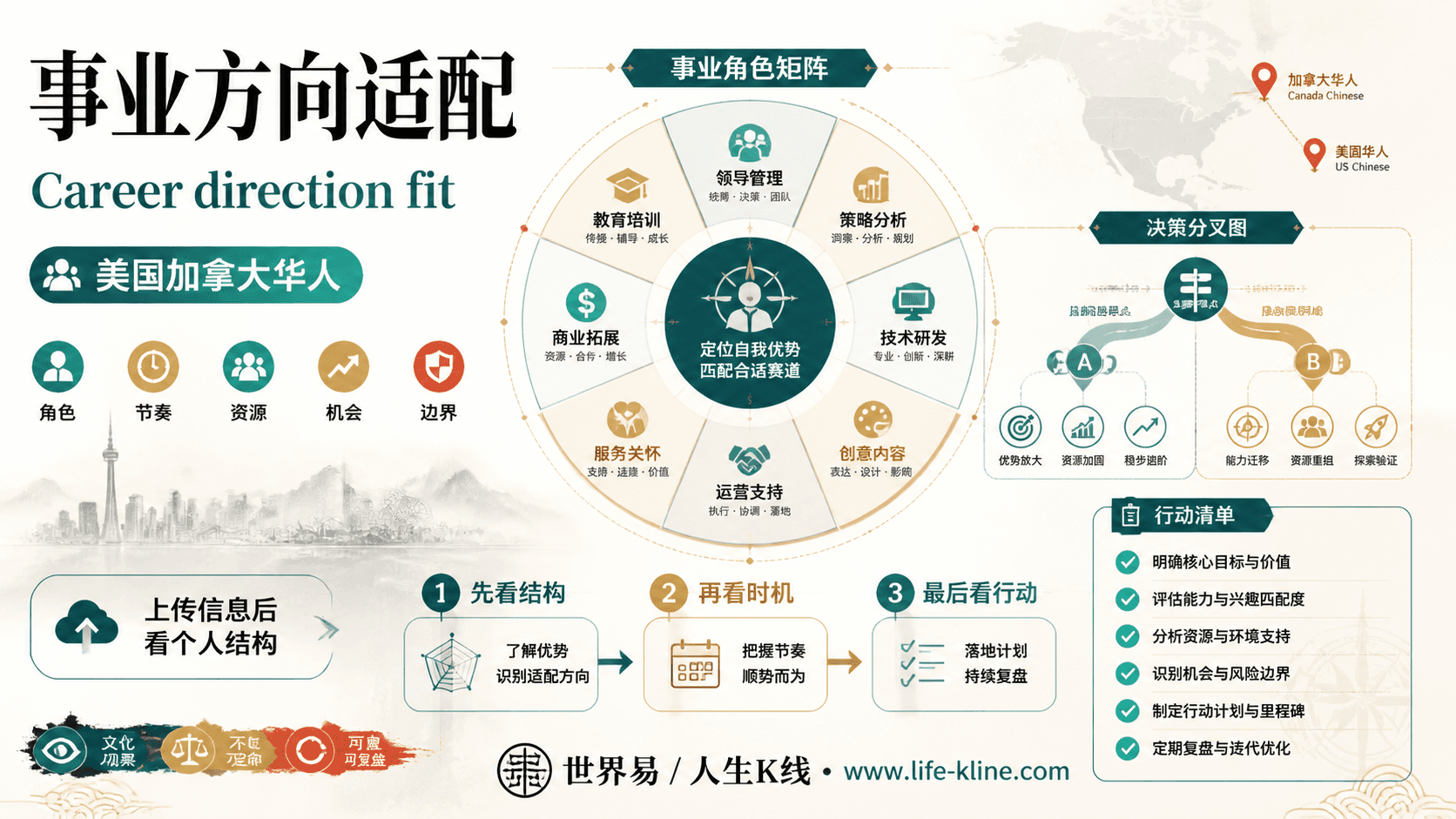
事业方向适配|美国加拿大华人
这张图把《Analysis of SaaS Startup Entry Timing: An Integrated Perspective Based on Metaphysics and Business Decisions》里的命理概念转成关系、边界和应用场景,适合先看图建立结构,再回到知识文章正文理解细节。
事业方向适配不应被写成固定结论。更适合美国加拿大华人的读法,是把传统术语翻译成结构、时机、环境、行动和复盘。
查看图片解读