Interpretation and Practical Guidance on the Best Communication Timing for Parent-Child Conflicts during Adolescent Rebellion
把这篇文章落到自己身上验证:先看结构,再进入个人分析,不做泛泛阅读。
Why This Decision Is Especially Difficult in This Scenario
Adolescence is a stage where children’s self-identity rapidly develops and deeply conflicts with authority structures, making communication breakdowns and tense family atmospheres core challenges for parenting. Adolescent rebellion is not only a necessary psychological growth process but also involves the individual’s deconstruction and redefinition of family authority, rendering parental decisions on when to adjust rules or uphold principles extremely complex.
From the perspective of parenting dynamics, parents often struggle to accurately grasp their children’s emotional fluctuations and needs expression, easily falling into vicious cycles of emotional confrontation or authoritarian pressure. Meanwhile, generational expectations and educational pressures compound, further intensifying parental anxiety and blind spots in action. At such times, any communication attempt that fails to precisely capture the child’s emotional rhythm often backfires.
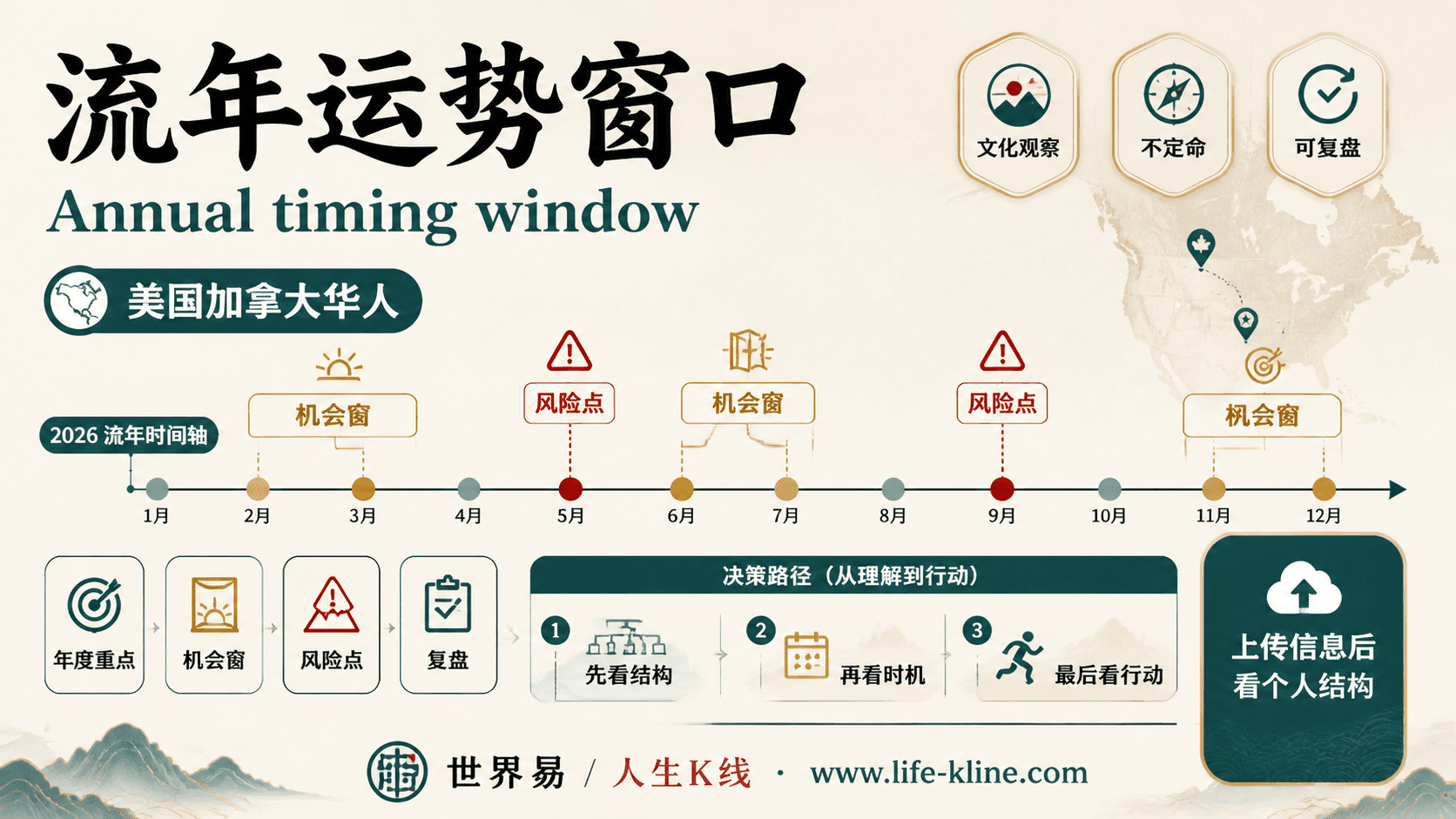
BaZi structure offers a rhythmic auxiliary perspective, especially the strength of the Day Master and the combination of Yin stars (印星, Pian Yin/Zheng Yin) and Shi Shen/Shang Guan (食神/伤官) in the pattern, reflecting the child’s intrinsic attachment and emotional expression characteristics. The interaction between Da Yun (decade luck cycle) and Liu Nian (annual fortune) reveals the cyclical rhythm of external environment and emotional fluctuations, helping parents identify the best communication windows.
However, BaZi is only an auxiliary tool and cannot replace professional psychological counseling and family therapy. Particularly when signals such as self-harm, depression, or violent tendencies appear, professional help must be sought first. Grasping communication timing requires combining BaZi rhythms with psychological and behavioral observations, balancing respect for the child’s autonomy with maintaining family structural stability.
Three Core Dimensions of BaZi Judgment
The first core dimension is the relationship between the Day Master and Shi Shen (Eating God). The Day Master represents the child’s core self, while Shi Shen symbolizes the child star representing expression and creativity. In adolescent rebellion, a strong Shi Shen often accompanies intense emotional and self-expression needs; when the Day Master is relatively weak, more patient parental guidance is necessary, whereas a strong Day Master may manifest as stronger autonomous resistance.
The second core dimension is the Yin star (印星, Pian Yin/Zheng Yin) and attachment relationship. Yin stars represent protection and support. A Pian Yin pattern often reflects the child’s psychological dependence on parents. Both excessive and insufficient Yin star strength affect the stability of parent-child attachment, thereby influencing communication smoothness. Reasonable harmonization of the Yong Shen (favorable element) helps parents adjust strategies, either strengthening or moderately relaxing rules.
The third core dimension is the Guan Sha stars (官杀星) symbolizing authority. Guan Sha represents parental authority and social rules. Adolescence itself is a process of authority deconstruction. The strength of the Guan Sha combination and its interaction with the Day Master determine the child’s acceptance or resistance to authority. The clash and combination relationships within Da Yun and Liu Nian reflect the cyclical changes in communication and rule adjustment timing, indicating when parental actions are more effective.
Three Real BaZi Case Studies
Case 1: The Day Master is Wu (戊, Earth) and relatively weak. The pattern is Pian Yin (偏印), with prominent Yin stars, indicating a strong attachment need in the child’s personality. The Yong Shen is Fire, and the Ji Shen (unfavorable elements) are Metal and Water. The current Da Yun is Jia Xu (甲戌, ages 19-28, suitable for consolidation) and the Liu Nian is Bing Wu (丙午). Overall fortune is stable, with the Liu Nian promoting adaptability. During adolescent rebellion, the child’s dependency on parents is obvious, but the weak Day Master causes unstable self-identity and emotional volatility. The best communication timing often appears during Liu Nian periods of strong Fire. Parents should respond to the child’s need for security, adjusting rules with gentle guidance and avoiding harsh confrontation. It is recommended that parents first observe the child’s emotional changes before communication, align key conversations with Liu Nian Fire peaks, and combine with psychological counseling to alleviate attachment anxiety and rebellious tension.
Case 2: The Day Master is Bing (丙, Fire) and relatively strong. The pattern is Yang Ren (羊刃), symbolizing intense internal conflict and prominent self-awareness. The Yong Shen is Water, and the Ji Shen is Wood. The current Da Yun is Jia Xu (甲戌, ages 37-46, suitable for consolidation) and the Liu Nian is Bing Wu (丙午). The overall fortune is stable but the Liu Nian brings some pressure for adaptability. Adolescent rebellion in this BaZi manifests as strong authority resistance and self-expression desires, especially with the emotional impact from the Yang Ren pattern, making communication timing extremely sensitive. Parents must be cautious not to impose pressure during impulsive periods, as this may escalate conflicts. The best communication timing often occurs during Da Yun and Liu Nian combinations when Fire is somewhat subdued. Parents should use softness to overcome hardness, employing Water’s calmness and tolerance to ease tension. It is recommended to integrate family therapy during clear authority deconstruction phases and gradually adjust rules to avoid rash decisions.
Case 3: The Day Master is Xin (辛, Metal) and relatively strong. The pattern is Jie Cai (劫财), reflecting the child’s prominent autonomy and competitive awareness. The Yong Shen are Fire and Wood, and the Ji Shen is Earth. The current Da Yun is Gui Hai (癸亥, ages 22-31, suitable for consolidation) and the Liu Nian is Bing Wu (丙午). The fortune is relatively stable with dynamic adjustments brought by the Liu Nian. The Jie Cai pattern combined with a strong Day Master causes adolescent rebellion to manifest as strong individual consciousness and challenges to rules. Timing communication is particularly critical at this stage. The Liu Nian’s strong Fire helps stimulate positive expression but may also trigger intense disputes. Parents should leverage the Liu Nian Fire energy to encourage constructive expression while preventing emotional excess. It is recommended that parents closely monitor emotional fluctuations during stable Da Yun periods combined with Liu Nian rhythms, adopt open communication, and introduce psychological professional support when necessary to avoid escalation of authority conflicts.
Common Misjudgments and Blind Spots in This Scenario
Parents often misinterpret adolescent rebellion as deliberate provocation or defiance, neglecting the child’s internal self-identity and attachment needs. This leads to one-dimensional communication strategies, primarily relying on authoritarian enforcement while ignoring emotional rhythms and the child’s psychological state changes.
Another blind spot is ignoring the influence of Da Yun and Liu Nian cycles on emotions and behaviors. Parents applying high-pressure governance or communication at the wrong timing tend to provoke deeper resistance, further tightening family atmosphere.
Some families treat BaZi as absolute prophecy, resulting in rigid actions and passive waiting for the right moment, overlooking that BaZi is only a rhythmic reference and must be combined with actual psychological observation and professional intervention.
Another mistake is oversimplifying parent-child conflicts as stemming from the child’s stubborn personality or disobedience, ignoring the deep influence of Day Master strength and Yin star and Guan Sha combinations on attachment and authority perception, leading to non-targeted parenting strategies.
Practical Judgment Sequence
First, parents should observe the child’s current emotional state and behavior, combining BaZi indicators such as Day Master strength and Yin star status to assess the intensity of attachment needs and potential emotional fluctuations.
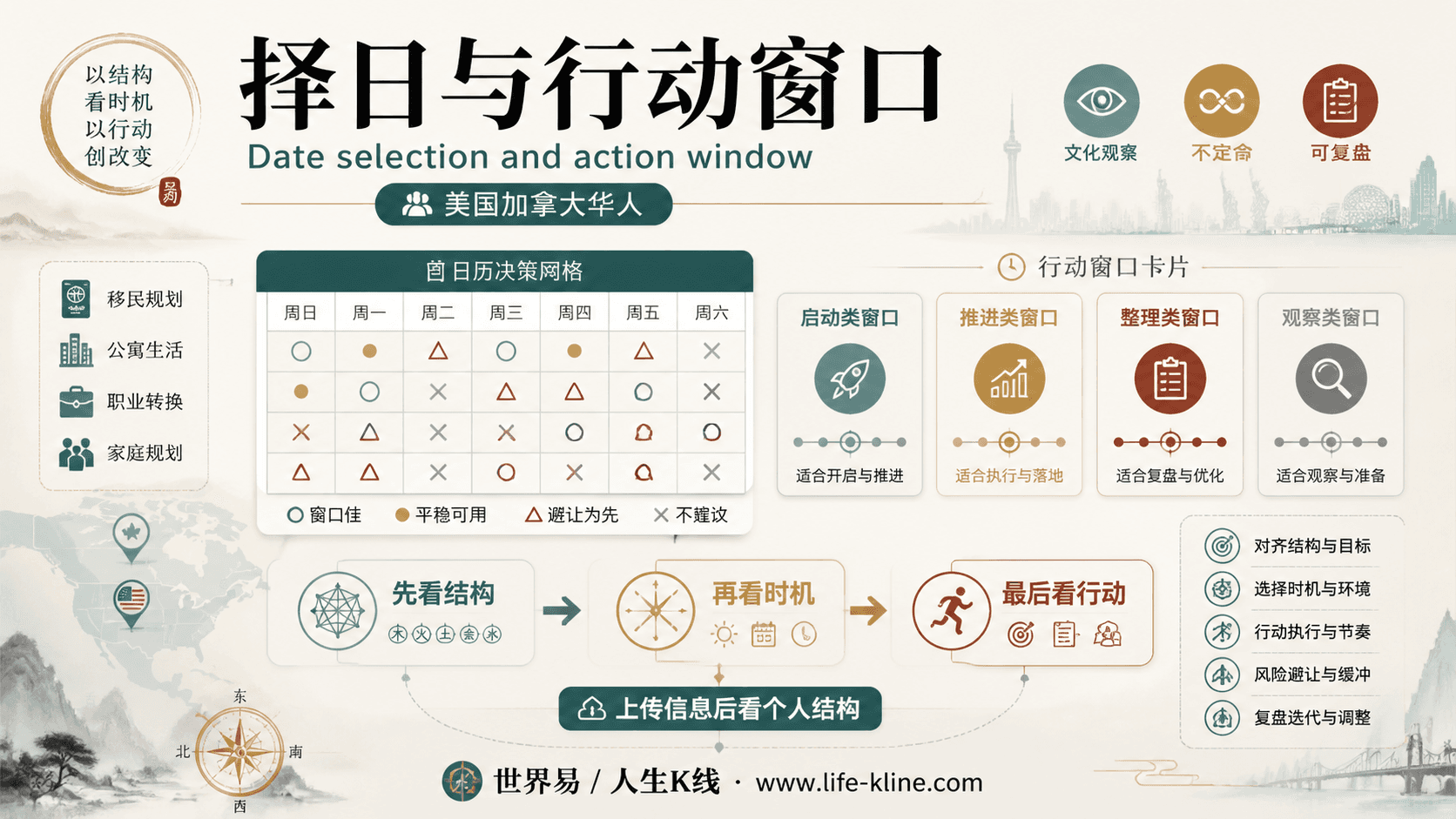
Second, refer to the current interaction between Da Yun and Liu Nian to identify emotional rhythm peaks and troughs, avoiding imposing pressure during peaks and choosing to conduct key communication and rule adjustments during Liu Nian periods that promote adaptability and moderate Fire strength.
Finally, parents should cooperate with professional psychological counseling or family therapy to ensure BaZi judgments align with psychological and behavioral dynamics. Especially when severe emotional issues arise, decisively seek professional help rather than relying solely on BaZi tools for decisions. Overall, grasping communication and guidance timing is a dynamic process requiring continuous observation and flexible adjustment, respecting the child’s autonomous development while maintaining family structural stability.
FAQ
Question 1: How do Yong Shen (favorable elements) and Ji Shen (unfavorable elements) in BaZi help judge communication timing? Answer: Yong Shen represents the energy and environmental support the child most needs, while Ji Shen are factors that easily trigger conflicts. By observing the strength changes of Yong Shen and Ji Shen in the current Da Yun and Liu Nian, parents can judge the child’s emotional tendencies and the likelihood of accepting communication, thereby selecting more appropriate timing for dialogue.
Question 2: If the child’s emotional fluctuations are very large, can BaZi judgment still be effective? Answer: BaZi provides rhythmic and trend references. For intense emotional fluctuations, professional psychological counseling must be combined. BaZi can help parents anticipate emotional high and low cycles in advance but cannot replace professional intervention. When extreme signals such as self-harm or violence appear, professional help should be prioritized.
Question 3: How to avoid communication delays caused by BaZi judgment? Answer: BaZi is an auxiliary tool and should not be an excuse for delaying or avoiding communication. Parents should flexibly grasp timing after observing emotions and BaZi rhythms, responding promptly to the child’s needs. If communication difficulties persist, actively seek family therapy or psychological support to ensure healthy parent-child relationship development.
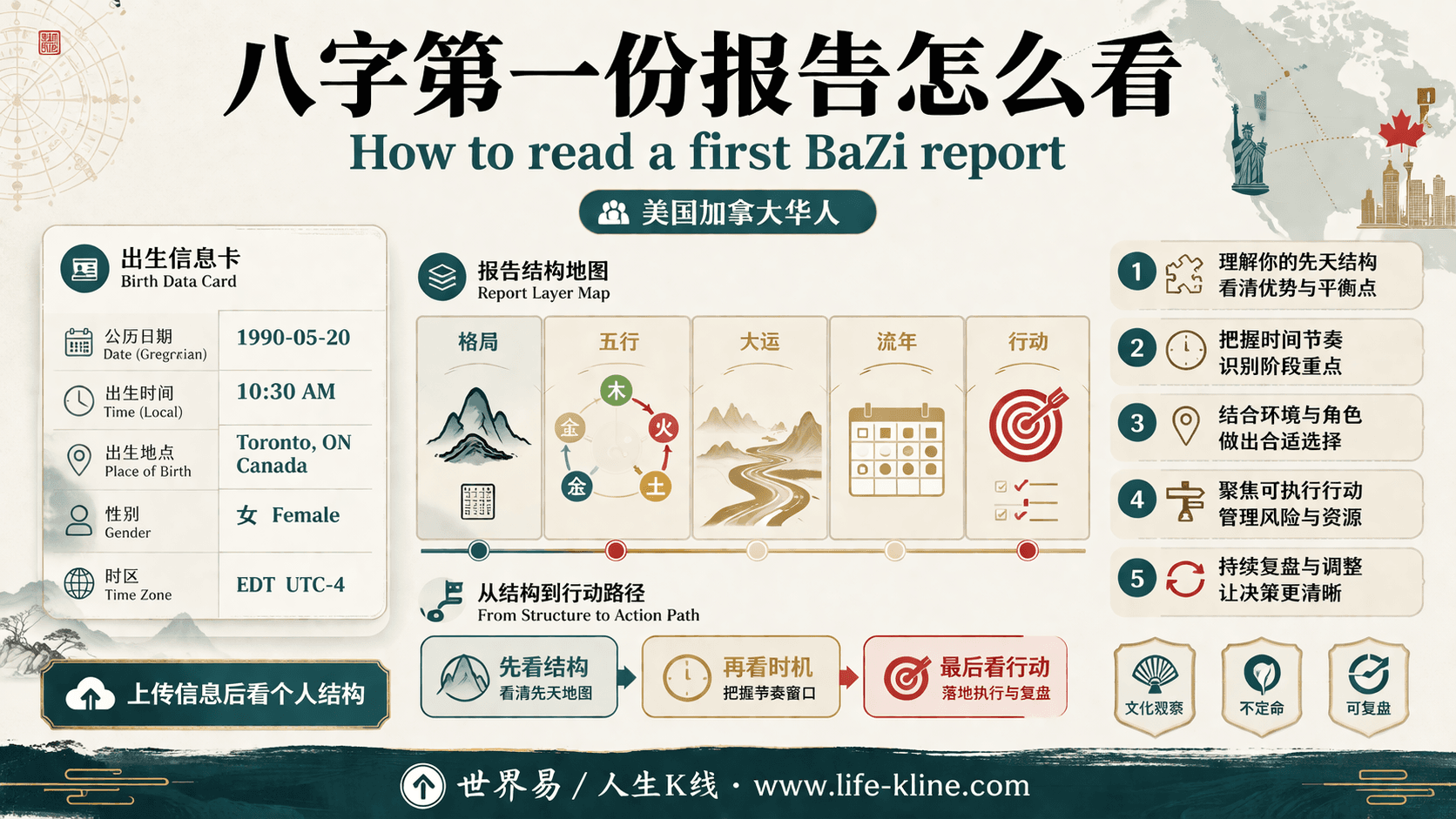
八字第一份报告怎么看|美国加拿大华人
这张图把《Interpretation and Practical Guidance on the Best Communication Timing for Parent-Child Conflicts during Adolescent Rebellion》里的命理概念转成关系、边界和应用场景,适合先看图建立结构,再回到知识文章正文理解细节。
八字第一份报告怎么看不应被写成固定结论。更适合美国加拿大华人的读法,是把传统术语翻译成结构、时机、环境、行动和复盘。
查看图片解读