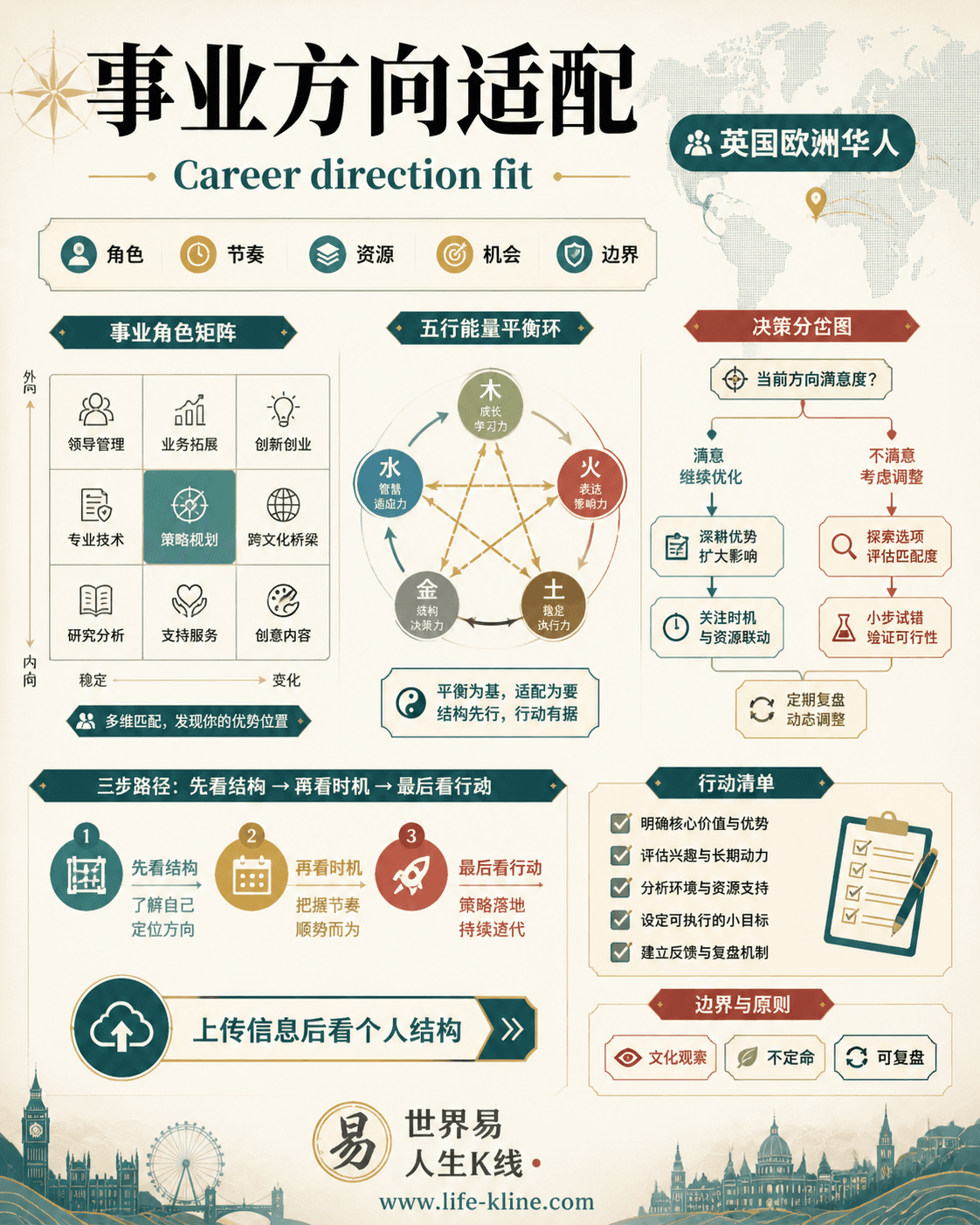
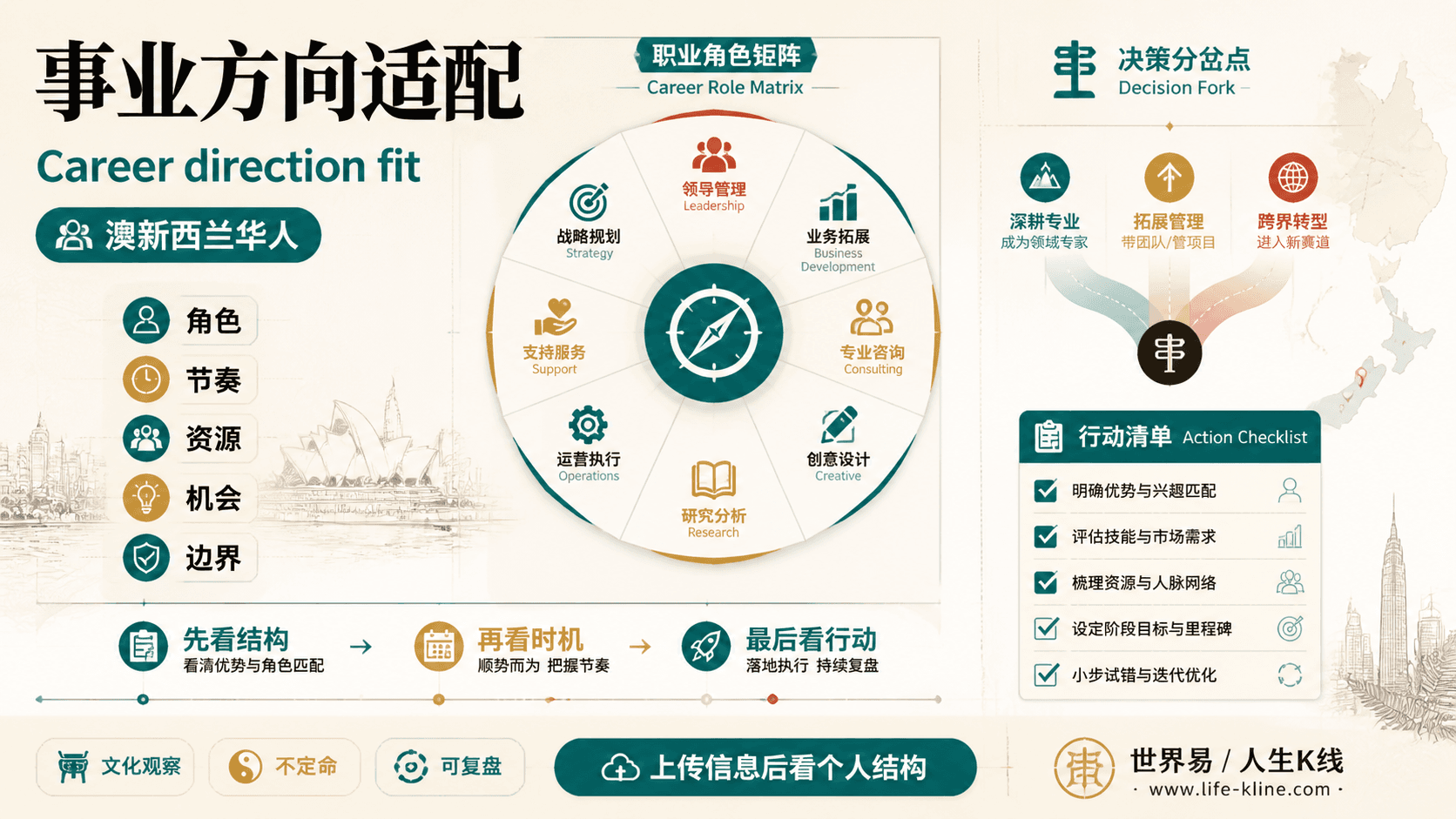
BaZi Analysis and Practical Guide for Programmers’ Job Hopping and Career Transition Timing
把这篇文章落到自己身上验证:先看结构,再进入个人分析,不做泛泛阅读。
Why This Decision Is Especially Difficult in This Field
The programmer profession inherently requires a high degree of logical closure and sustained long-chain thinking. The work pace is usually accompanied by cyclical pressures from version releases, and night shifts during peak periods further test physical and mental endurance. For programmers, job hopping and career transitions are not just adjustments in career direction but involve re-adapting to technology stacks and significant environmental changes, resulting in considerable psychological and time costs.
From the income structure perspective, most programmers’ earnings are directly linked to skill level and project experience. Job hopping often involves renegotiating salary structures and benefits, bringing economic uncertainty. At the same time, conflicts between family responsibilities and career investment make transition decisions more complex, especially in middle age when stability becomes a major consideration.
From the BaZi perspective, programmers often have the Ten Gods patterns of Pian Yin (偏印) and Shi Shen (食神) as main lines, reflecting their thinking and knowledge absorption characteristics. Changes in the Yong Shen (favorable elements) such as Metal, Earth, and Water within Da Yun and Liu Nian directly affect personal energy balance and timing of decisions. When Da Yun is stable, it is suitable to maintain status quo; when Liu Nian aligns favorably, it is appropriate to take action. Conversely, caution and waiting are advised. These metaphysical details combined with professional traits amplify the difficulty and risks of decision-making.
Therefore, judging the timing of job hopping and career transition for programmers requires not only technical and market considerations but also scientific evaluation of one’s energy state and external environment compatibility through Da Yun and Liu Nian changes in BaZi. This significantly improves the success rate of transitions and avoids setbacks caused by blind actions.
Three Core Dimensions of BaZi Judgment
The primary dimension is the Day Master and overall pattern. The Day Master represents the core vitality of the individual; its strength relates to the person’s resilience and adaptability to environmental changes. Patterns such as Bi Jian (比肩), Shi Shen (食神), and Pian Cai (偏财) reveal the energy distribution and main survival strategies of the person. For programmers, this reflects their thinking style and problem-solving focus.
Secondly, the Yong Shen (favorable elements) and Ji Shen (unfavorable elements). Yong Shen represents key elements that remedy and harmonize the BaZi chart, enhancing personal resources and advantages, such as Metal, Earth, and Fire. Ji Shen are elements prone to causing conflicts and obstacles, such as Water and Wood. When Da Yun and Liu Nian support the Yong Shen, energy flows smoothly and active action is suitable; otherwise, patience and waiting are advised.
Thirdly, the interaction between Da Yun and Liu Nian. Da Yun represents energy changes in ten-year cycles, while Liu Nian reflects the specific annual energy shifts. When the current Da Yun is auspicious and Liu Nian aligns well, it is often the golden period for career transitions. If Da Yun is stable and requires maintaining status quo, but Liu Nian brings variability, it is better to hold steady and avoid rash moves. Combining these three dimensions allows more precise timing judgments for job hopping.
Three Real BaZi Chart Cases
Case 1: This gentleman’s Day Master is Jia (甲) Wood, with a Bi Jian (比肩) pattern. The Day Master is relatively strong. His Yong Shen are Metal and Earth; Ji Shen is Water. He is currently in the Ji Hai (己亥) Da Yun (ages 48-57), which is stable and suitable for maintaining status quo. The Liu Nian is Bing Wu (丙午), indicating an environment requiring adaptability. As a programmer in the mid-to-late career stage, he faces dual pressures of technological updates and team management. The relatively strong Day Master shows strong internal drive, but the Yong Shen Metal and Earth suggest the need for stable resources and environment to support transition. The current Da Yun advises maintaining status quo; although Liu Nian shows some changes, rash moves are not recommended. The success rate of job hopping or transition is low. It is advised to focus on technical accumulation and networking, waiting for a more favorable Da Yun before taking action.
Case 2: This gentleman’s Day Master is Ren (壬) Water, with a Shi Shen (食神) pattern. The Day Master is relatively weak. His Yong Shen is Fire; Ji Shen is Wood. He is currently in the Geng Wu (庚午) Da Yun (ages 31-40), an auspicious cycle with career and financial progress. The Liu Nian is Bing Wu (丙午), with a favorable energy flow. The weak Day Master indicates greater dependence on external environment. The Shi Shen pattern shows his strength in output and expression. Fire as Yong Shen enhances his action capability and creativity. In job hopping and career transition, benefiting from both auspicious Da Yun and Liu Nian, it is suitable to actively seek new opportunities and upgrade skills and positions. It is recommended to carefully evaluate the compatibility and development potential of target roles and decisively seize the advantages of the Liu Nian to achieve successful transition.
Case 3: This lady’s Day Master is Xin (辛) Metal, with a Pian Cai (偏财) pattern. The Day Master is relatively weak. Her Yong Shen is Earth; Ji Shen are Water and Wood. She is currently in the Geng Wu (庚午) Da Yun (ages 50-59), a stable cycle suitable for maintaining status quo. The Liu Nian is Bing Wu (丙午), requiring adaptability. As a middle-aged female programmer, the weak Day Master indicates limited energy. The Pian Cai pattern reflects strong resource integration ability, but the Yong Shen Earth requires a stable environment for support. The Da Yun is stable but lacks breakthrough power. Although Liu Nian shows some changes, it is not advisable to lightly job hop or make drastic transitions. It is recommended to focus on consolidating existing strengths and optimizing current job value, waiting for a more favorable Da Yun or Liu Nian before considering job changes to avoid risks from premature moves.
Common Misjudgments and Blind Spots in This Field
Programmers often neglect the influence of Da Yun and Liu Nian on their personal energy state during job hopping and transition decisions, relying excessively on market conditions and short-term emotions, leading to blind actions. For example, forcing a job change during an unfavorable Da Yun often results in adaptation difficulties and career setbacks, affecting mental health and financial status.
Another misconception is ignoring the regulatory role of Yong Shen and Ji Shen in BaZi. Programmers often rely on Pian Yin (偏印) and Shi Shen (食神). If the Ji Shen is overly strong in the transition environment, it exacerbates pressure and resistance, causing transition failure. Properly assessing the gains and losses of Yong Shen and choosing roles and directions compatible with one’s BaZi is key to successful transitions.
Additionally, the solitary endurance and long-chain thinking characteristics of the programmer profession require decision-making to consider personal energy and mental state. Ignoring Day Master strength and pattern traits and blindly following trends for job hopping often leads to physical and psychological exhaustion, harming long-term career development. Integrating BaZi with professional traits and scientifically planning job hopping and transition paths is an effective way to avoid common blind spots.
Practical Judgment Sequence
First, confirm the strength of the Day Master and overall pattern to assess current energy state and coping ability, clarifying whether one has the foundation for proactive changes. Strong Day Masters and auspicious patterns generally suit active moves; weak Day Masters advise caution.
Second, focus on evaluating Yong Shen and Ji Shen. Whether the Yong Shen can be utilized and Ji Shen controlled in the target job or transition environment is an important basis for judging success rate. Ensuring the new position or industry aligns with one’s Yong Shen effectively enhances adaptability.
Finally, combine the current Da Yun and Liu Nian to analyze their auspiciousness and trends. When Da Yun is auspicious and Liu Nian aligns, decisive action is appropriate; when Da Yun is stable or unfavorable and Liu Nian variable, maintaining status quo or observing is recommended. Through this layered judgment process, programmers can more scientifically grasp the best timing for job hopping and career transitions, avoiding impulsive moves and missed opportunities.
FAQ
Question 1: Why should programmers pay attention to Da Yun and not just Liu Nian when job hopping? Answer: Da Yun cycles last ten years and represent the overall energy trend and environmental foundation, determining career stability and potential over a longer period. Although Liu Nian reflects the energy changes of a specific year, if Da Yun is unfavorable, even a favorable Liu Nian cannot sustain adaptation and growth after job hopping in the long term.
Question 2: How to determine one’s Yong Shen and Ji Shen to choose a suitable transition direction? Answer: Yong Shen and Ji Shen are determined by the BaZi chart pattern. Programmers commonly have Pian Yin (偏印) and Shi Shen (食神) as main lines, combined with specific Five Elements attributes such as Metal, Earth, and Fire. When transitioning, one should select work environments and positions that enhance Yong Shen and suppress Ji Shen to ensure energy support and increase success rate.
Question 3: If the current Da Yun is stable but Liu Nian is unfavorable, how should programmers handle job hopping and transitions? Answer: It is advisable to maintain status quo and avoid major changes during this period. Use this time to improve skills and accumulate resources, optimizing performance in the current position to prepare for more favorable Da Yun and Liu Nian in the future. Blind job hopping may cause career setbacks and energy depletion, which is detrimental to long-term development.
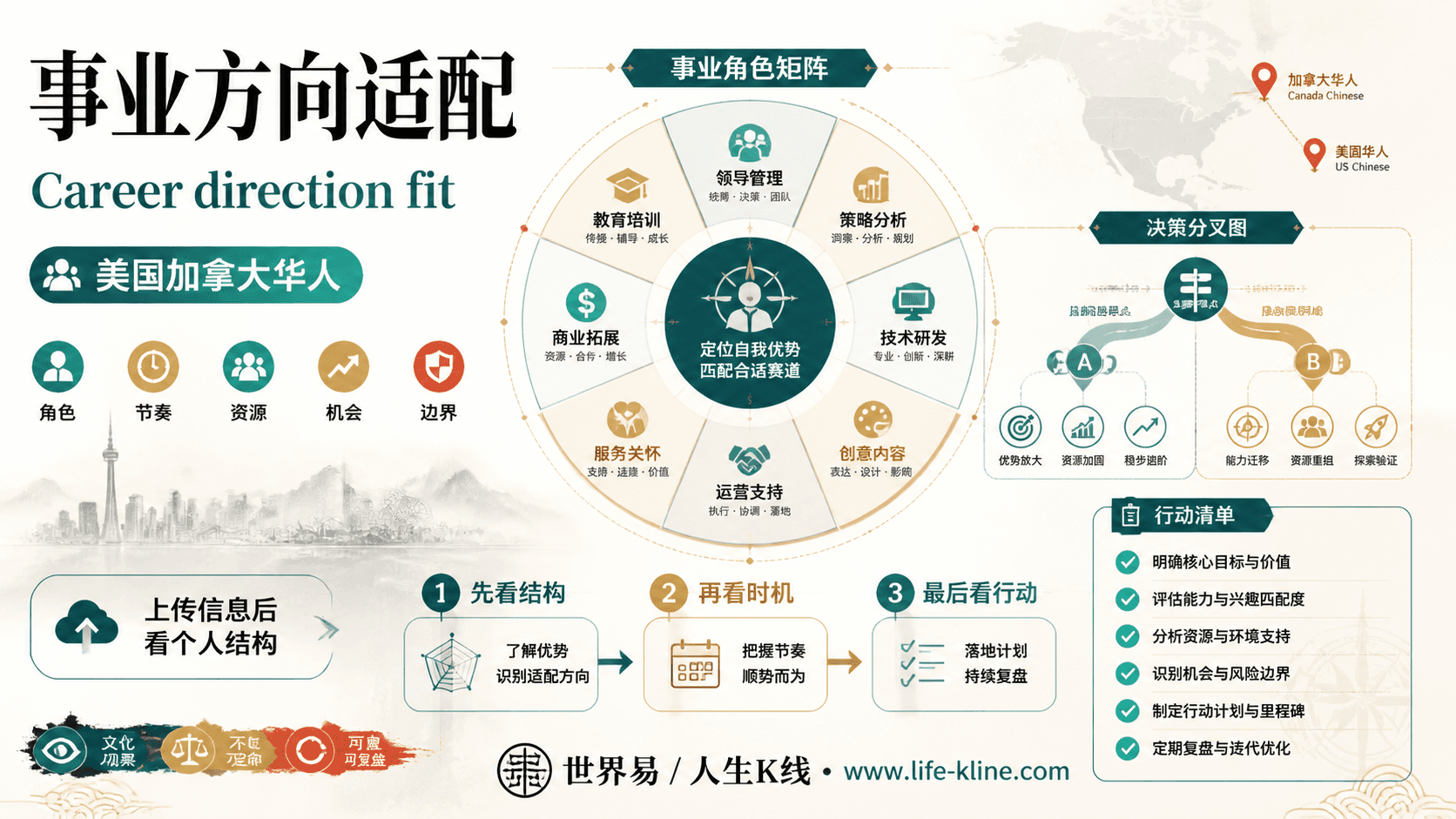
事业方向适配|美国加拿大华人
这张图把《BaZi Analysis and Practical Guide for Programmers’ Job Hopping and Career Transition Timing》里的命理概念转成关系、边界和应用场景,适合先看图建立结构,再回到知识文章正文理解细节。
事业方向适配不应被写成固定结论。更适合美国加拿大华人的读法,是把传统术语翻译成结构、时机、环境、行动和复盘。
查看图片解读