Long-Term Impacts and Restart Decision Analysis After Partnership Equity Disputes
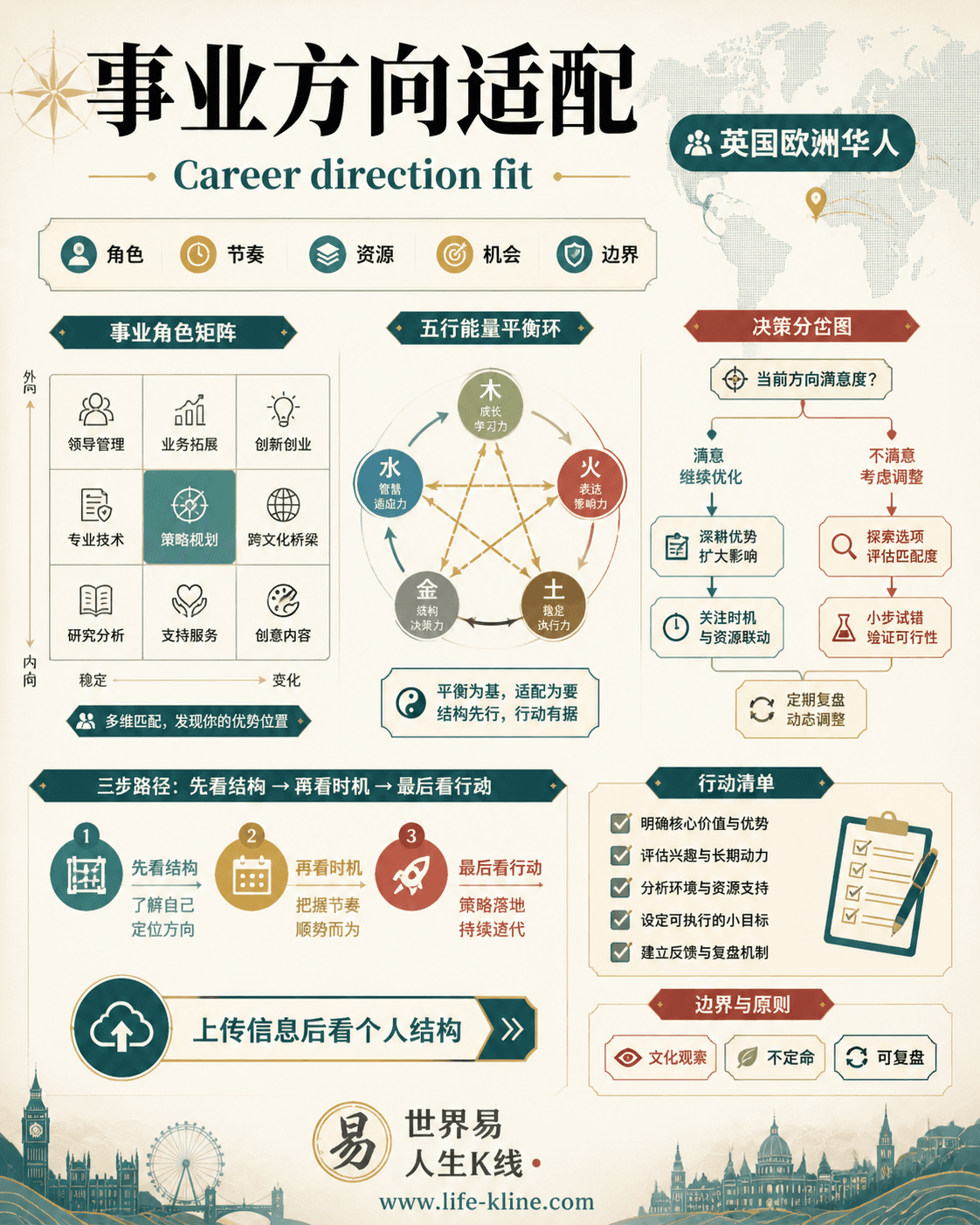
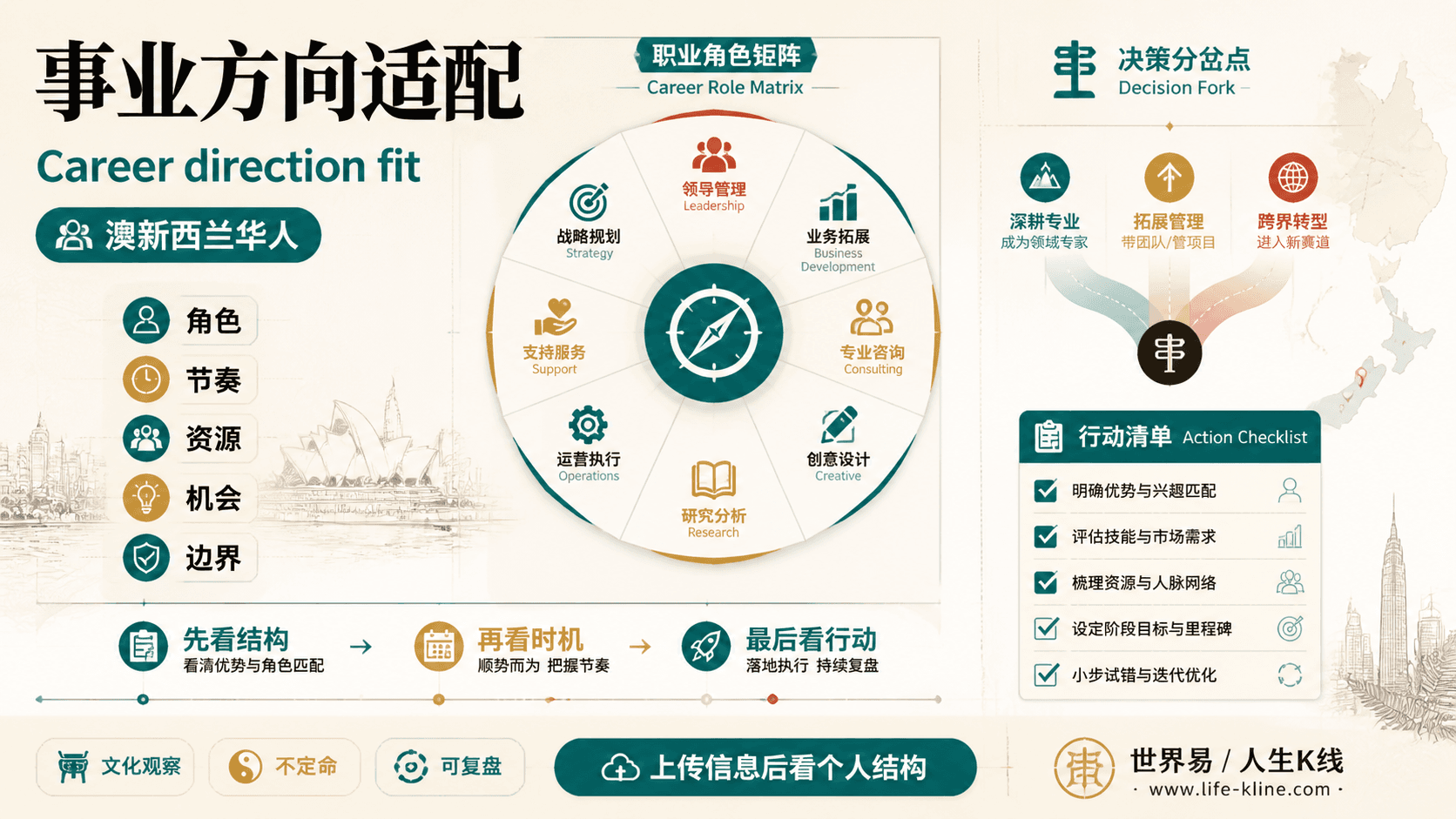
把这篇文章落到自己身上验证:先看结构,再进入个人分析,不做泛泛阅读。
Why This Decision Is Especially Difficult in This Legal Context
The long-term impacts and restart decisions in partnership and equity disputes are complex and multi-dimensional, involving not only the conclusion of legal procedures but also the parties’ future career planning, family stability, and financial arrangements. Issues such as equity dilution, uneven profit distribution, withdrawal liquidation, and dispute resolution over contractual clauses often mark only the beginning. The greater challenge lies in rebuilding under legal constraints and real-world resource limitations.
In legal practice, partnership disputes often face difficulties in evidence collection, enforcement, and statute of limitations. Both mediation priority and post-litigation enforcement procedures consume significant time and cost. Attorney fees and procedural complexity force parties to weigh the pros and cons of continuing disputes versus peaceful restarts, especially when benefit divisions remain unclear, sharply increasing decision difficulty.
The BaZi structure, including the strength of the Day Master, the pattern (geju), and the Yong Shen (favorable elements), especially combinations involving Zheng Guan (official authority), Shang Guan (Hurting Officer), and Bi Jian (Peer/Competitor), can to some extent indicate the party’s internal rhythm and psychological state when facing disputes. The pace of legal proceedings combined with the timing of BaZi luck cycles affects confidence and initiative in future career and financial planning.
Therefore, long-term decisions after partnership equity disputes must be carefully evaluated within the legal framework, integrating BaZi structure to assist in determining the best timing and strategy for the party. This avoids blind restarts that may cause new disputes or waste resources, ensuring steady progress in career and financial reconstruction.
Three Core Dimensions of BaZi Judgment
First, the strength or weakness of the Day Master reflects the party’s internal power and endurance when facing disputes. A relatively strong Day Master usually has better self-regulation and problem-solving abilities, suitable for proactive action or active restarts; a weaker Day Master relies more on external resources and cautious strategies, avoiding excessive risk-taking.
Second, the pattern’s combinations of Zheng Guan (Official), Shang Guan (Hurting Officer), and Bi Jian (Peer/Competitor) directly relate to the party’s confrontational attitude and expression style in legal disputes. Zheng Guan represents authority and legal relations, Shang Guan embodies expression and rebellious spirit, and Bi Jian emphasizes competition and resource contention. Different combinations suggest whether the party tends toward compromise, resistance, or cooperation, which significantly influences the rhythm of subsequent restarts.
Finally, the Da Yun (decade luck cycle) and Liu Nian (annual fortune) impact the current state of the BaZi owner and should not be overlooked. Auspicious luck periods favor resource integration and rebuilding cooperative relationships, suitable for active future planning; stable or inauspicious cycles suggest caution, slowing restart pace, prioritizing consolidation of existing achievements, and avoiding overexpansion.
These three dimensions collectively form a multi-layered reference framework to assist parties after partnership disputes in reasonably assessing when to initiate career or financial rebuilding and when to prioritize handling family relationships, ensuring decisions align with personal metaphysical rhythm and legal environment.
Three Real BaZi Case Studies
Case 1: The male BaZi owner has a Ren Water (壬, Ren) Day Master, relatively strong, with a Pian Yin (偏印, Partial Resource) pattern. The Yong Shen is Metal (金, Jin), while Metal is also the Ji Shen (unfavorable element). Currently, he is in the 9th year of the Ding You (丁酉, Fire Rooster) Da Yun, an auspicious luck cycle, with the Liu Nian of Bing Wu (丙午, Fire Horse) favoring momentum. The relatively strong Ren Water Day Master indicates abundant internal energy; the Pian Yin pattern symbolizes wisdom and auxiliary power. Metal as Yong Shen, though also Ji Shen, suggests he needs to balance confrontation and cooperation in the dispute. In legal battles involving equity dilution and complex profit distribution, he should leverage the current auspicious Da Yun to actively integrate resources, strengthen legal evidence, and financial liquidation, but avoid blind and intense confrontation. For long-term impact and restart phases, focus should be on harmonizing Metal to prevent emotional impulsiveness causing legal risks. It is recommended he first prudently completes legal procedures, uses the favorable Da Yun timing to gradually plan new partnerships or career paths, and maintains rigorous legal consultation and evidence preparation.
Case 2: This male BaZi owner has a Bing Fire (丙, Bing) Day Master, relatively weak, with a Jie Cai (劫财, Rob Wealth) pattern. The Yong Shen is Wood (木, Mu), while Ji Shen are Earth (土, Tu) and Metal (金, Jin). Currently, he is in the 10th year of the Ren Shen (壬申, Water Monkey) Da Yun, a stable luck cycle, with the Liu Nian of Bing Wu (丙午, Fire Horse) requiring adaptive responses. The weak Bing Fire Day Master indicates limited internal energy; the Jie Cai pattern highlights conflicts between competition and cooperation. Wood as Yong Shen suggests reliance on external support, while Earth and Metal as Ji Shen emphasize avoiding obstacles and excessive competition. In legal practice, he may face pressures from withdrawal liquidation and contractual clauses on performance. A conservative and steady approach is suitable, avoiding intense confrontation that exhausts resources. In the restart phase, metaphysics suggests first organizing existing assets and legal documents, stabilizing family relations, then considering new career or investments. It is recommended to prioritize mediation or litigation phase summaries, integrate lawyer advice to assess risks, and avoid rushing into new partnerships.
Case 3: The female BaZi owner has a Gui Water (癸, Gui) Day Master, relatively strong, with a Yang Ren (羊刃, Yang Blade) pattern. The Yong Shen are Earth (土, Tu) and Fire (火, Huo), while Ji Shen is Metal (金, Jin). Currently, she is in the 9th year of the Wu Yin (戊寅, Earth Tiger) Da Yun, an auspicious luck cycle, with the Liu Nian of Bing Wu (丙午, Fire Horse) supporting momentum. The Yang Ren pattern symbolizes strong self-drive and breakthrough spirit; the relatively strong Gui Water Day Master shows strong adaptability and adjustment ability. Earth and Fire as Yong Shen indicate the need to stabilize foundations and enhance action power, while Metal as Ji Shen warns against exposing too much sharpness in legal disputes. In legal battles, she may assert strong claims as a silent shareholder or in profit distribution, suitable for using legal procedures to protect rights but must avoid excessive hardness causing relationship breakdowns. For long-term impact and restart, metaphysics advises strengthening Earth and Fire energies, focusing on family and financial stability, while reasonably leveraging auspicious luck to expand new opportunities. It is recommended to combine lawyer advice, first complete legal rights confirmation, then steadily advance career and financial rebuilding.
These three cases demonstrate the specific application of different BaZi structures in the long-term impact and restart decisions of partnership equity disputes. Combined with legal practice, metaphysics can assist in grasping timing and strategy, but must center on legal procedures to ensure legitimate and effective rights.
Common Misjudgments and Blind Spots in This Scenario
After partnership equity disputes, many parties mistakenly believe that once legal procedures conclude, they can fully disengage, neglecting the long-term impacts and potential constraints on career and finances. In reality, legal judgments are only milestone nodes; subsequent enforcement, cash flow, and interpersonal relationship repair are equally critical.
When deciding to restart, blindly relying on metaphysics to make absolute judgments of “certain victory” or “certain failure” risks ignoring the rigor of legal procedures and real-world complexity, leading to action deviations. Metaphysics should serve as a supplementary rhythm reference, coordinated with professional legal advice, not as a substitute for legal judgment.
Another common blind spot is ignoring the influence of Da Yun and Liu Nian on the BaZi owner’s state, resulting in rashly launching new projects or partnerships at inopportune times, increasing the risk of recurring legal disputes. Reasonable evaluation of metaphysical timing can help parties proceed gradually and reduce legal risks.
Finally, misunderstandings of Zheng Guan (Official), Shang Guan (Hurting Officer), and Bi Jian (Peer/Competitor) often cause misjudgments—for example, equating Shang Guan’s expressive ability directly with legal defense capability, or overlooking resource competition implied by Bi Jian, failing to make comprehensive judgments in the specific legal environment.
Practical Judgment Sequence
First, the party should comprehensively review all legal documents, contract clauses, and enforcement status related to the partnership dispute, confirming that litigation, mediation, and liquidation procedures are as complete as possible to avoid procedural flaws affecting subsequent rights realization.
Second, combine the BaZi Day Master’s strength and Yong Shen situation to judge whether the current Da Yun and Liu Nian are suitable for actively advancing career or financial restarts. Those in auspicious luck cycles with relatively strong Day Masters can consider proactively planning new partnerships or investments; weaker Day Masters should adopt steady preservation, prioritizing family and financial foundation consolidation.
Third, evaluate how the party’s Zheng Guan (Official), Shang Guan (Hurting Officer), and Bi Jian (Peer/Competitor) combinations influence dispute attitudes, reasonably adjusting legal strategies and communication styles. This is especially important regarding contractual clauses on performance and silent shareholder issues, where legal evidence and expressive ability are equally important.
Finally, it is recommended that parties maintain continuous communication with professional lawyers, integrating metaphysical timing cues to grasp optimal opportunities, avoiding impulsive or overly conservative actions, and ensuring long-term plans and legal protections complement each other for steady career, family, and financial reconstruction.
FAQ
Question 1: Can BaZi determine my legal victory or defeat after a partnership dispute? Answer: BaZi does not determine victory or defeat. Legal disputes should be based on legal facts and procedures. BaZi only assists parties in grasping action rhythms and psychological states, helping to reasonably plan long-term impacts and restarts.
Question 2: How do I combine BaZi to judge whether I am suitable for quickly restarting a new partnership? Answer: Consider the Day Master’s strength and the current Da Yun and Liu Nian’s auspiciousness. If in a favorable luck cycle with a relatively strong Day Master, the restart timing is more advantageous; otherwise, a cautious approach is advised, prioritizing resolution of existing legal and financial issues.
Question 3: Facing complex equity dilution and contractual clauses on performance, how does BaZi assist legal decisions? Answer: The combinations of Zheng Guan (Official), Shang Guan (Hurting Officer), and Bi Jian (Peer/Competitor) reflect the party’s attitude toward confrontation and expression. Combined with legal practice, this helps adjust communication strategies and risk management, ensuring smooth legal procedure progress and reducing dispute escalation risks.
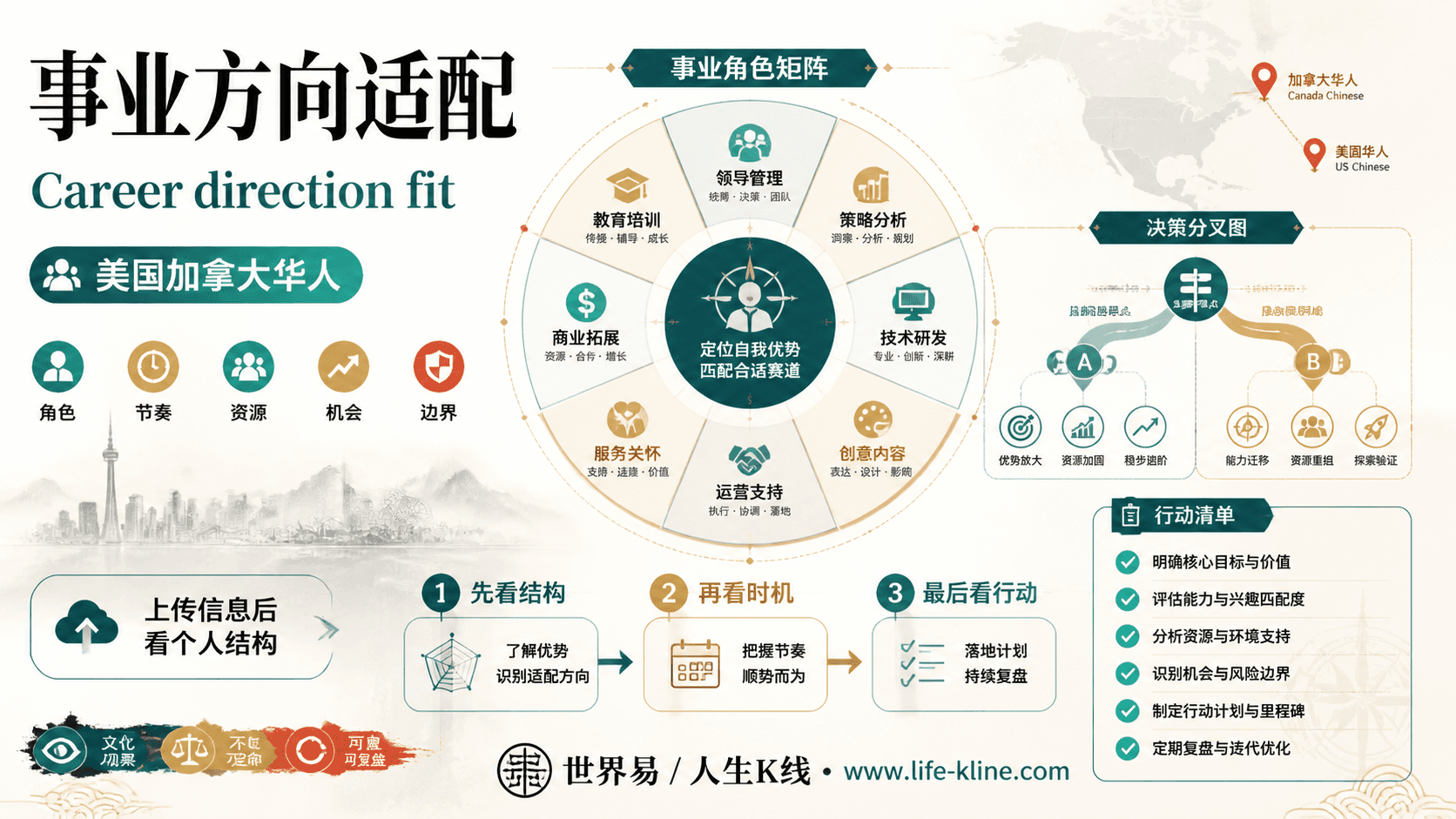
事业方向适配|美国加拿大华人
这张图把《Long-Term Impacts and Restart Decision Analysis After Partnership Equity Disputes》里的命理概念转成关系、边界和应用场景,适合先看图建立结构,再回到知识文章正文理解细节。
事业方向适配不应被写成固定结论。更适合美国加拿大华人的读法,是把传统术语翻译成结构、时机、环境、行动和复盘。
查看图片解读