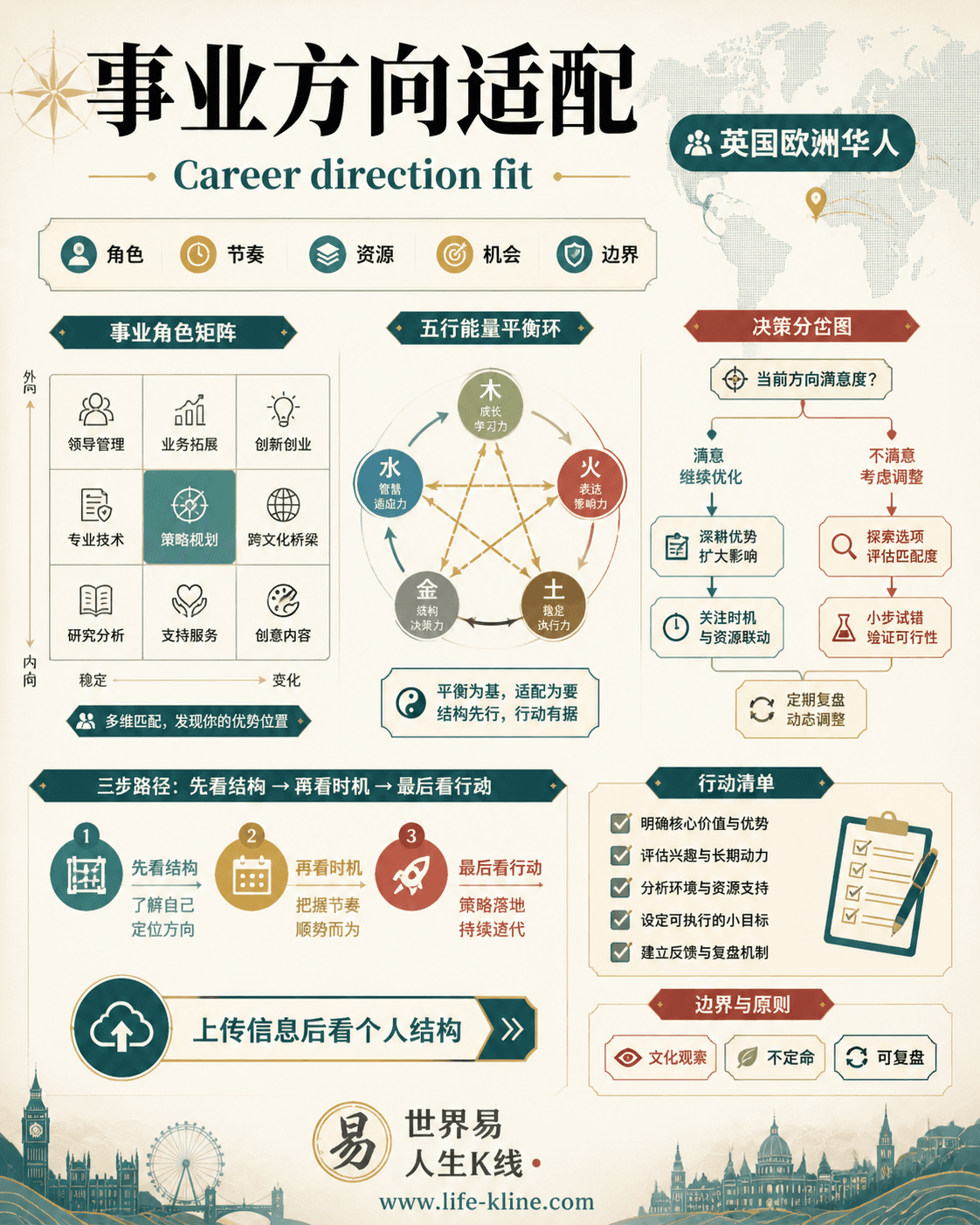
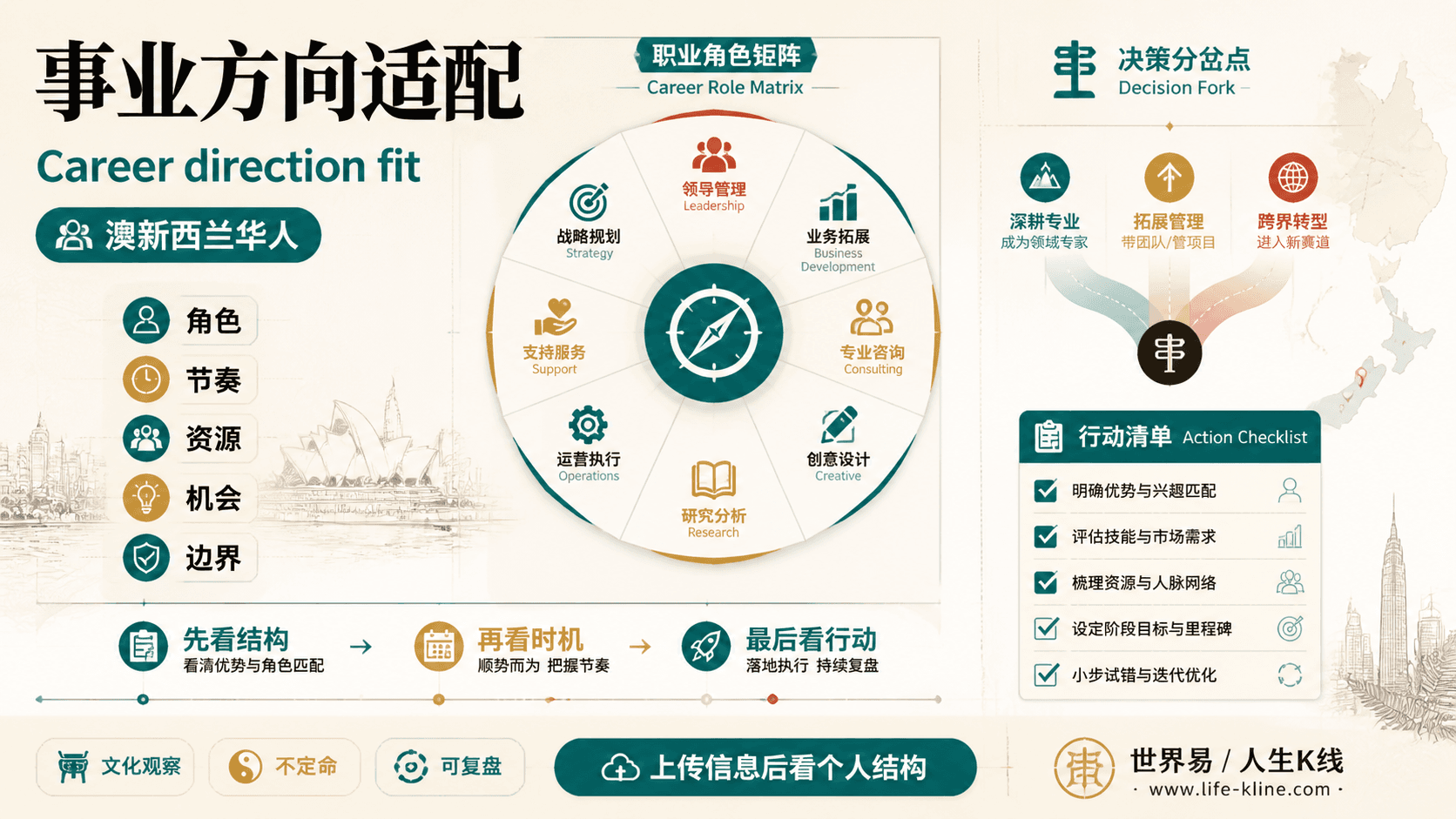
Metaphysical Guidance for Deciding Between Partnership or Sole Proprietorship in Manufacturing Startups
把这篇文章落到自己身上验证:先看结构,再进入个人分析,不做泛泛阅读。
Why This Decision Is Especially Difficult in Manufacturing and OEM
The manufacturing and OEM industries are inherently capital-intensive and high-investment business models, involving substantial equipment procurement, raw material inventory, and compliance management, resulting in significant financial pressure and notable order fluctuations. Especially when expanding to overseas clients, exchange rate volatility and policy risks intensify, making operational risks concentrated and complex.
Entrepreneurs face psychological uncertainty when choosing between partnership and sole proprietorship. Partnerships involve trust and allocation of rights and responsibilities; the partners’ personalities, resource complementarities, and risk-bearing capacities are crucial for stable business development. Sole proprietorship, however, bears all operational pressure alone, with more centralized decision-making but higher risk.
From a metaphysical perspective, in manufacturing entrepreneurs’ BaZi charts, Bi Jian stars symbolize partnership or peer support, Guan Sha stars represent external pressure and competition, and Yin stars relate to resource acquisition and informational support. Different BaZi structures affect entrepreneurs’ adaptability to cooperation and risk resistance, thus influencing the suitability of partnership or sole proprietorship.
Therefore, the partnership versus sole proprietorship decision in manufacturing and OEM startups reflects an interplay of business structure, psychological biases, and metaphysical rhythms. Understanding how Bi Jian, Guan Sha, and Yin star combinations amplify or mitigate industry risks helps entrepreneurs make steadier choices in complex environments.
Three Core Dimensions of Metaphysical Judgment
First, the relationship between the Day Master (Ri Zhu) and the Wealth Stars (Cai Xing) forms the foundation. In manufacturing, Wealth Stars represent capital and order sources. When the Day Master is weak, an overly strong Wealth Star may cause financial pressure or resource imbalance. The choice of Yong Shen (favorable element) is critical, as it regulates the financial energy and Day Master strength, influencing capital management and stress endurance.
Second, Bi Jian stars symbolize partners and peer relationships. A strong Bi Jian structure often indicates reliance on partnership or team support, but excessive Bi Jian may trigger internal competition and resource dispersion, undermining operational stability. A reasonable Bi Jian configuration helps leverage partnership advantages and ease financial and operational pressures.
Third, Guan Sha stars represent external competition and pressure. Compliance risks and overseas market challenges in manufacturing relate to Guan Sha. Yin stars reflect informational support and policy resources; abundant Yin stars facilitate regulatory guidance and resource assistance. Changes in Guan Sha during Da Yun (decade luck cycle) and Liu Nian (annual fortune) directly affect the company’s competitive stance and risk management during critical periods.
Overall, in manufacturing startups, BaZi charts with a weak Day Master but stable Yong Shen suit steady operations better. Strong Bi Jian structures suggest clear partnership advantages, while vigorous Guan Sha requires cautious external risk management. Strong Yin stars indicate potential for policy and resource support. These metaphysical factors combined with industry business structures are key entry points for deciding between partnership and sole proprietorship.
Three Real BaZi Chart Case Studies
Case 1: The Day Master is weak Gui Water (癸, Gui), with a Shi Shen (Eating God) pattern. The Yong Shen is Metal, and the Ji Shen (unfavorable elements) are Wood and Fire. The current Da Yun is Ren Zi (壬子), and the Liu Nian is Bing Wu (丙午). The chart shows weak Bi Jian stars, moderate Guan Sha, and faint Yin stars. Applied to manufacturing OEM, the weak Day Master suggests the entrepreneur needs external support for capital and operational capability. The Shi Shen pattern indicates innovation and productivity. Weak Bi Jian implies limited partnership, favoring sole proprietorship or small-scale cooperation to avoid resource dispersion risks. The current Da Yun is stable, suitable for maintaining the status quo, while the Liu Nian Bing Wu triggers changes requiring adaptability. The recommendation is to prioritize sole proprietorship to concentrate capital and decision-making power, while strengthening financial due diligence to avoid blind expansion.
Case 2: The Day Master is weak Jia Wood (甲, Jia), with a Shang Guan (Hurting Officer) pattern. The Yong Shen is Water, and the Ji Shen are Fire and Earth. Currently in the Geng Shen (庚申) Da Yun, with Bing Wu (丙午) Liu Nian. This chart has active Bi Jian stars, Guan Sha under pressure but controlled, and weak Yin stars, indicating limited resource support. Jia Wood is weak but the Shang Guan pattern favors expression and expansion, suitable for market development. In manufacturing, a strong Bi Jian structure implies the necessity of partnership to share pressure, while the Shang Guan pattern symbolizes innovation drive. It is advised that this entrepreneur emphasizes complementary and risk-sharing partnerships, choosing stable partnerships to match order fluctuations and policy risks. The judgment sequence is to first assess partners’ resources and credit, then combine financial and contract due diligence to ensure a sound partnership framework.
Case 3: The Day Master is weak Gui Water (癸, Gui), with a Shi Shen (Eating God) pattern. The Yong Shen is Metal, and the Ji Shen are Wood and Fire. The current Da Yun is Ren Yin (壬寅), and Liu Nian is Bing Wu (丙午). This chart has moderate Bi Jian, weak Guan Sha, and some Yin star support. In manufacturing, the Shi Shen pattern suits production and creation, and Metal Yong Shen aids capital and equipment resources. Moderate Bi Jian suggests partnership can be beneficial but should not be excessive to avoid internal friction. Weak Guan Sha indicates relatively light external competitive pressure, favorable for steady development. This chart suits a flexible partnership model, with clear partnership ratios and responsibility allocations to prevent internal conflicts. The recommendation is to first evaluate partners’ backgrounds and resources, combine with industry order conditions, and adjust partnership structures timely, supported by professional financial advice for risk diversification.
Common Misjudgments and Blind Spots in This Industry
Manufacturing and OEM entrepreneurs often mistakenly believe partnerships can fully share risks, neglecting the metaphysical compatibility and resource matching among partners, leading to internal management chaos and conflicts of interest. In BaZi, overly strong Bi Jian is not necessarily beneficial; excessive Bi Jian may intensify resource contention and management costs, weakening competitiveness.
On the other hand, sole proprietors tend to overlook managing external pressures. Especially when Guan Sha stars are strong, sole proprietorship bears all competition and policy risks alone, concentrating financial pressure, lacking risk mitigation and resource support from partners, easily resulting in operational bottlenecks.
Some entrepreneurs also neglect the role of Yin stars, failing to leverage the policy and informational resources they bring, causing the enterprise to lose advantages in compliance and client development. Metaphysical judgment should not simply apply a single star pattern but must integrate industry characteristics and changes in Da Yun and Liu Nian, dynamically adjusting cooperation and operational strategies.
Therefore, blindly pursuing partnership or sole proprietorship without considering metaphysical rhythms and industry realities amplifies operational risks. Metaphysics serves only as an auxiliary reference and must be combined with business due diligence and financial planning to make more scientific decisions.
Practical Judgment Sequence
Step one: Assess the strength of your own Day Master and the preference or avoidance of Yong Shen, combined with the industry’s capital needs and operational pressures, to determine if you are more suited to concentrate resources in sole proprietorship or share risks through partnership. A weak Day Master with stable Yong Shen suggests steady sole proprietorship or small-scale cooperation; an active Bi Jian leans toward partnership.
Step two: Carefully examine the partners’ BaZi structures, especially the strength of Bi Jian stars and the synergy with Guan Sha stars, ensuring resource complementarity and manageable pressure within the partnership. Conduct thorough financial and legal due diligence before partnering, clarifying rights, responsibilities, and risk-sharing to prevent internal conflicts.
Step three: Combine Da Yun and Liu Nian changes to dynamically adjust partnership or sole proprietorship strategies. Stable Da Yun suits maintaining the status quo; during Liu Nian conflicts or combinations, carefully evaluate market changes and contract risks, adjusting cooperation models accordingly. Metaphysical rhythm signals should be used as auxiliary references in risk management, executed with professional advice.
FAQ
Question 1: In manufacturing startups, does a strong Bi Jian star mean partnership is mandatory? Answer: Strong Bi Jian indicates an inclination toward relying on cooperation, but whether to partner depends on the specific partners’ BaZi and actual resource compatibility. It must be supplemented by business due diligence and financial analysis; metaphysics alone cannot decide.
Question 2: How does a strong Guan Sha star affect partnership decisions in manufacturing startups? Answer: Guan Sha symbolizes external pressure and competition. When strong, sole proprietorship may concentrate pressure, making partnership more suitable to share risks. However, one must also prevent internal conflicts arising from pressure within partnerships, requiring comprehensive consideration.
Question 3: How do Yin stars assist manufacturing startup decisions? Answer: Yin stars represent informational and policy resources. When abundant, they favor compliance and client expansion. Entrepreneurs can leverage Yin star-enhanced resource advantages to have more initiative and risk management capability when choosing partnership or sole proprietorship.
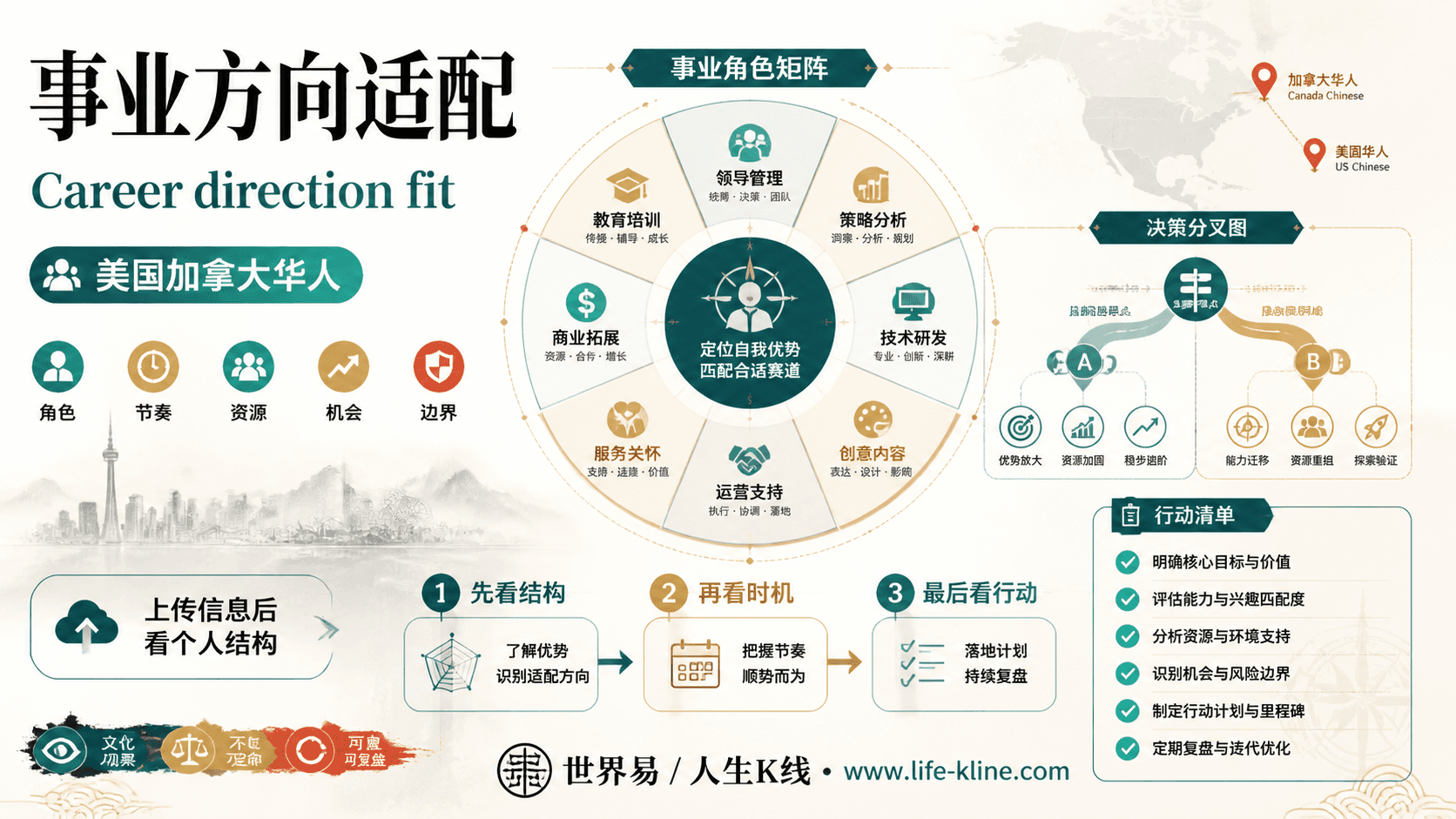
事业方向适配|美国加拿大华人
这张图把《Metaphysical Guidance for Deciding Between Partnership or Sole Proprietorship in Manufacturing Startups》里的命理概念转成关系、边界和应用场景,适合先看图建立结构,再回到知识文章正文理解细节。
事业方向适配不应被写成固定结论。更适合美国加拿大华人的读法,是把传统术语翻译成结构、时机、环境、行动和复盘。
查看图片解读