Astrological Analysis of Intervention and Medical Timing in Major Surgeries and Critical Illness Decisions
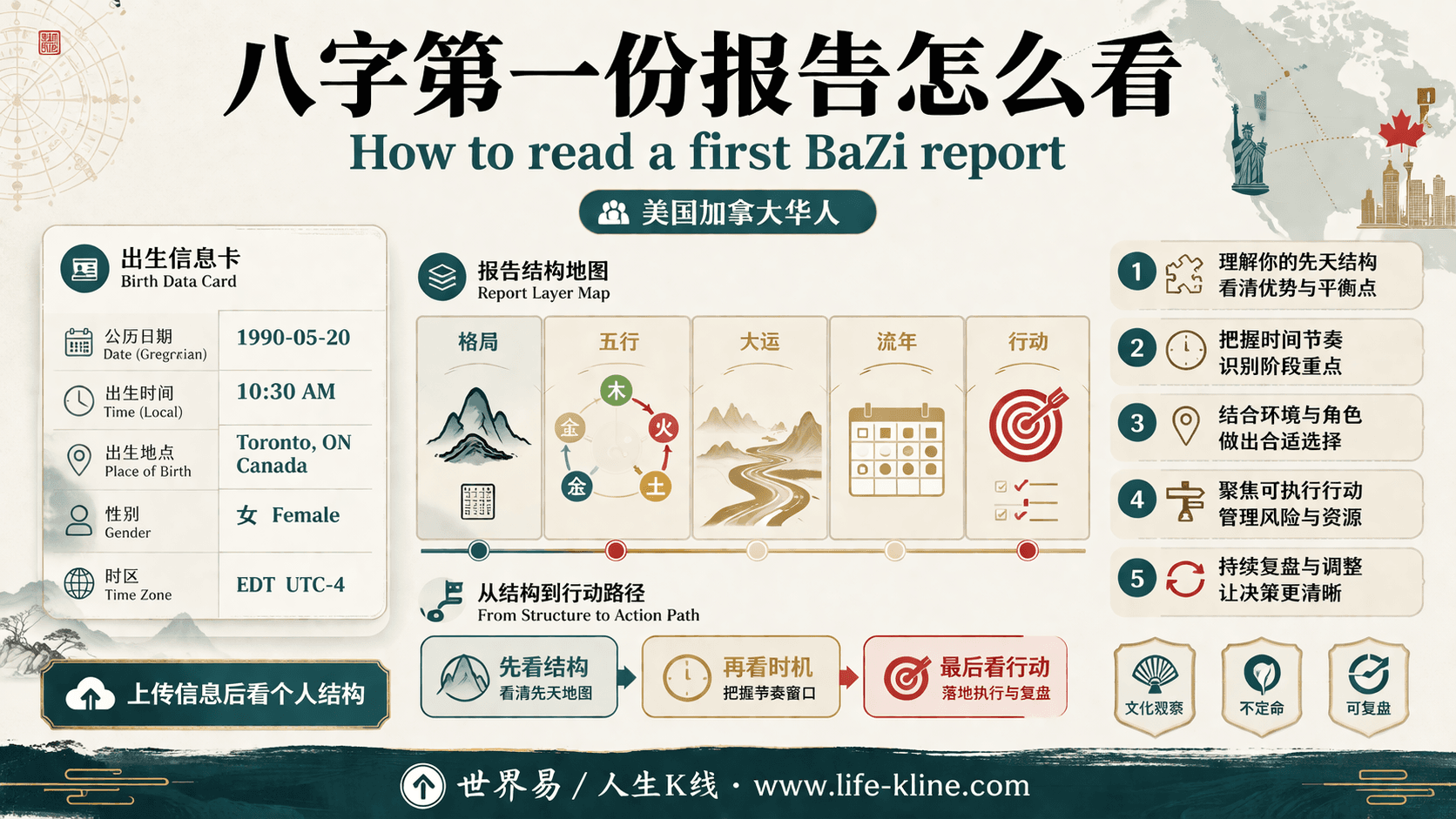
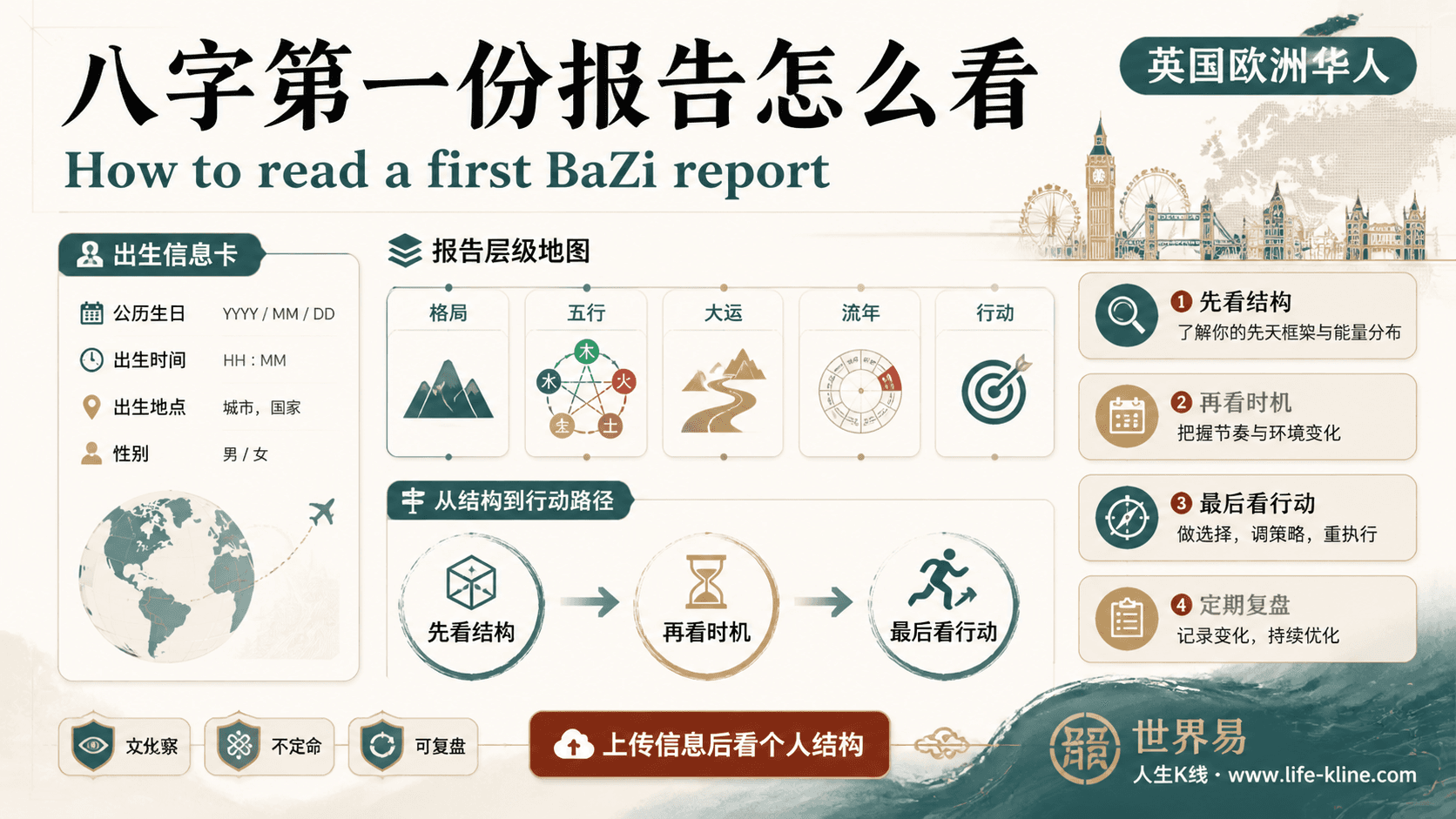
把这篇文章落到自己身上验证:先看结构,再进入个人分析,不做泛泛阅读。
Why This Decision Is Especially Difficult in This Health Scenario
The choice of timing for intervention and medical treatment in major surgeries and critical illness decisions is extremely complex, often involving rapid changes in the patient's physical condition and emotional fluctuations. Patients may experience insomnia, anxiety, postoperative pain, or fatigue, disrupting their life rhythms. Medical resources and family support also become important variables. At this time, beyond traditional medical diagnosis, integrating BaZi Five Elements and organ rhythms can provide an additional reference perspective for decision-making.
The state of physical health corresponds to the functions of organs related to the Five Elements in BaZi, which often exhibit cyclical fluctuations, especially during changes in Da Yun (decade luck cycles) and Liu Nian (annual fortunes). Certain organ functions may become excessive or deficient, affecting recovery ability and surgical risks. Observing the illness cannot rely solely on surface symptoms; it is necessary to perceive the internal Five Elements balance to avoid missing the optimal intervention window or causing adverse reactions from premature intervention.
Moreover, the individual's BaZi pattern and the relationship between Yong Shen (favorable elements) and Ji Shen (unfavorable elements) determine their sensitivity to external environments and treatments. Ignoring these factors during decision-making may lead to reduced treatment effectiveness or postoperative recovery obstacles. Combining BaZi analysis to reasonably schedule surgery timing and postoperative care is an important guarantee for improving success rates.
Therefore, in intervention decisions for major surgeries and critical illnesses, attention must be paid not only to the patient's physical and psychological symptoms but also to BaZi Five Elements and rhythms, accurately judging timing and balancing medical treatment with natural rhythms to achieve the best therapeutic outcomes.
Correspondence Between BaZi and Five Elements Organs
The Day Master represents the individual's core vitality and its affiliated Five Element. Its strength, excess, or deficiency directly relates to the functional state of corresponding organs. For example, a Metal Day Master (such as 庚 (Geng)) that is relatively strong indicates strong lung (Metal) function, but excessive Metal may exhaust the Spleen (Earth) or Kidneys (Water), affecting immunity and recovery. The Yong Shen of Earth in the chart often represents the Spleen and Stomach system, regulating the generation of Qi and blood, which is a crucial foundation for postoperative recovery.
Da Yun (decade luck cycles) represent the dominant Five Element forces in different life stages, while Liu Nian (annual fortunes) reflect the environmental Qi of the current year. Their interaction determines the favorable or adverse conditions of organ functions. Auspicious Da Yun combined with supportive Liu Nian helps the Yong Shen exert harmonizing effects, enhancing the body's recovery capacity; conversely, adverse combinations may strengthen the influence of Ji Shen, causing organ imbalance and increasing surgical risks.
If the Ji Shen Five Element corresponds to organs that are clashed or overcome during Da Yun or Liu Nian, extra caution is required in selecting intervention timing. For example, if Fire is the Ji Shen and the Liu Nian is Fire-strong, heart or small intestine functions may become overheated, easily triggering inflammation and complicating postoperative recovery, necessitating adjustments to treatment plans or postponement of surgery.
By integrating the Five Elements organ rhythms and precisely analyzing the Yong Shen and Ji Shen in the BaZi chart, as well as their impacts on organs during different Da Yun and Liu Nian phases, one can assist in judging whether the body can endure intervention and the smoothness of postoperative recovery, thereby enhancing the scientific and individualized nature of decision-making.
Three Real BaZi Chart Case Studies
Case 1: Male, aged 20-25, Day Master 庚 (Geng, Metal), balanced strength, Qi Sha pattern, Yong Shen Earth, Ji Shen Fire. Currently in the 10th year of the 戊申 (Wu Shen) Da Yun (auspicious luck cycle), with 丙午 (Bing Wu) Liu Nian (annual fortune), the Liu Nian is supportive. This BaZi chart has a balanced Metal Day Master; the Earth Yong Shen helps regulate the Spleen and Stomach, supporting postoperative Qi and blood production. Fire is the Ji Shen, but the Liu Nian 丙午 has strong Fire, so caution is needed regarding heart and small intestine burden. The Da Yun is auspicious and the Liu Nian is favorable, making it suitable to choose a time when the patient's condition is good and Ji Shen Fire is not excessively strong for surgical intervention, avoiding postoperative heart Fire hyperactivity that could impede recovery. It is recommended to first focus on the impact of Fire on heart function, regulate heart function, and then select the timing for surgery.
Case 2: Male, aged 35-40, Day Master 辛 (Xin, Metal), relatively strong, Zhuan Wang (special strong) pattern, Yong Shen Earth, Ji Shen Wood. Currently in the 10th year of the 丙申 (Bing Shen) Da Yun, with 丙午 (Bing Wu) Liu Nian, the Da Yun is stable and the Liu Nian requires flexible adaptation. Xin Metal is relatively strong, indicating strong lung function but easily exhausts Earth (Spleen and Stomach). The Earth Yong Shen helps replenish the Spleen and Stomach. The Ji Shen Wood corresponds to the Liver; if Wood is strong in Da Yun or Liu Nian, it may affect liver function, inducing anxiety or insomnia. Currently, the Liu Nian Fire is strong while Wood is weaker, which helps suppress the Ji Shen Wood but requires caution against Fire overconsuming Earth. This BaZi chart is suitable for surgical intervention when Da Yun and Liu Nian align with Spleen and Stomach regulation and stable liver function, avoiding Wood excess triggering liver Fire disturbances that affect recovery. It is recommended to focus on preoperative assessment of liver status and Spleen-Stomach function before selecting intervention timing.
Case 3: Female, aged 35-40, Day Master 甲 (Jia, Wood), relatively strong, Yang Ren pattern, Yong Shen Metal and Earth, Ji Shen Water. Currently in the 2nd year of the 丙辰 (Bing Chen) Da Yun, with 丙午 (Bing Wu) Liu Nian, both auspicious and supportive. Jia Wood is relatively strong, indicating strong liver function but easily exhausting Metal (lungs). The Metal and Earth Yong Shen help regulate lungs and spleen, supporting postoperative Qi, blood, and immunity. Ji Shen Water corresponds to the Kidneys; Water is suppressed, which helps control kidney burden. The Da Yun and Liu Nian have strong Metal and Earth, very favorable for postoperative recovery, making it suitable for active intervention and surgery. It is recommended to monitor kidney function indicators and avoid exhausting kidney Water during surgery to ensure smooth recovery.
The above three cases combine BaZi Day Master Five Elements excesses or deficiencies and the Yong Shen and Ji Shen corresponding to organs, assisting in judging intervention and medical timing from an astrological perspective. They emphasize following natural rhythms and regulating organ functions to support treatment.
Common Misjudgments and Blind Spots in This Scenario
One common misjudgment in major surgery and critical illness decisions is overreliance on BaZi conclusions while neglecting clinical medical diagnosis. BaZi analysis is only an auxiliary tool and cannot replace professional medical diagnosis and treatment advice. In cases of acute life-threatening conditions such as severe chest pain, difficulty breathing, or altered consciousness, immediate medical attention is mandatory and must not be delayed.
Another blind spot is ignoring the influence of Ji Shen in the Five Elements and intervening blindly. When Ji Shen elements are strong, organ functions tend to be imbalanced, increasing surgical risks and complicating recovery. Without considering Da Yun and Liu Nian timing and ignoring Five Elements rhythms, postoperative complications may arise.
Some patients and families overly fixate on BaZi patterns, neglecting current physical symptoms and family support situations. Surgical success depends not only on BaZi rhythms but also on psychological state, nutritional status, and postoperative care. BaZi only provides rhythm references and should not be used as a reason to delay or refuse medical intervention.
Practical Judgment Sequence
First, conduct a detailed assessment of the patient's current clinical symptoms and vital signs, screening for any urgent red flags such as severe pain, persistent high fever, or severe respiratory distress. If found, immediate medical treatment is required to ensure life safety.
Second, analyze the BaZi chart’s Day Master strength, Yong Shen and Ji Shen, and the excess or deficiency of Five Elements in Da Yun and Liu Nian to assess the functional state of corresponding organs and the potential risks of surgery or intervention. If the Yong Shen is strong and Ji Shen is controlled, it indicates sufficient Qi and blood and strong recovery ability, suitable for timely intervention.
Third, integrate family support and psychological status to ensure the patient has a good postoperative care environment. According to the principle of following Da Yun and Liu Nian rhythms, select a time window that fits the body's natural rhythm for surgery or treatment to minimize postoperative complications.
Finally, continuously monitor changes in physical condition and BaZi rhythms dynamically, adjusting treatment plans as necessary to ensure scientific and reasonable decision-making. BaZi-assisted judgment is only a reference; any abnormal symptoms require timely medical attention.
FAQ
Question 1: Can BaZi directly determine the success or failure of surgery? Answer: BaZi can only provide references regarding the body's Five Elements rhythms and organ functions; it cannot replace clinical medical diagnosis and treatment decisions. In emergencies, please seek immediate medical care.
Question 2: If Da Yun and Liu Nian are unfavorable, must surgery be postponed? Answer: Not necessarily. Da Yun and Liu Nian only influence recovery ability and risks; decisions must be made based on specific conditions and medical advice, and treatment should not be blindly delayed.
Question 3: How to use Yong Shen and Ji Shen to judge intervention timing? Answer: Yong Shen represents the Five Elements that need supplementation and regulation in the body, aiding recovery; Ji Shen represents elements that may bring burden and risk. Choosing intervention timing when Yong Shen is strong and Ji Shen is controlled favors surgical success and postoperative recovery.
木过旺与再平衡
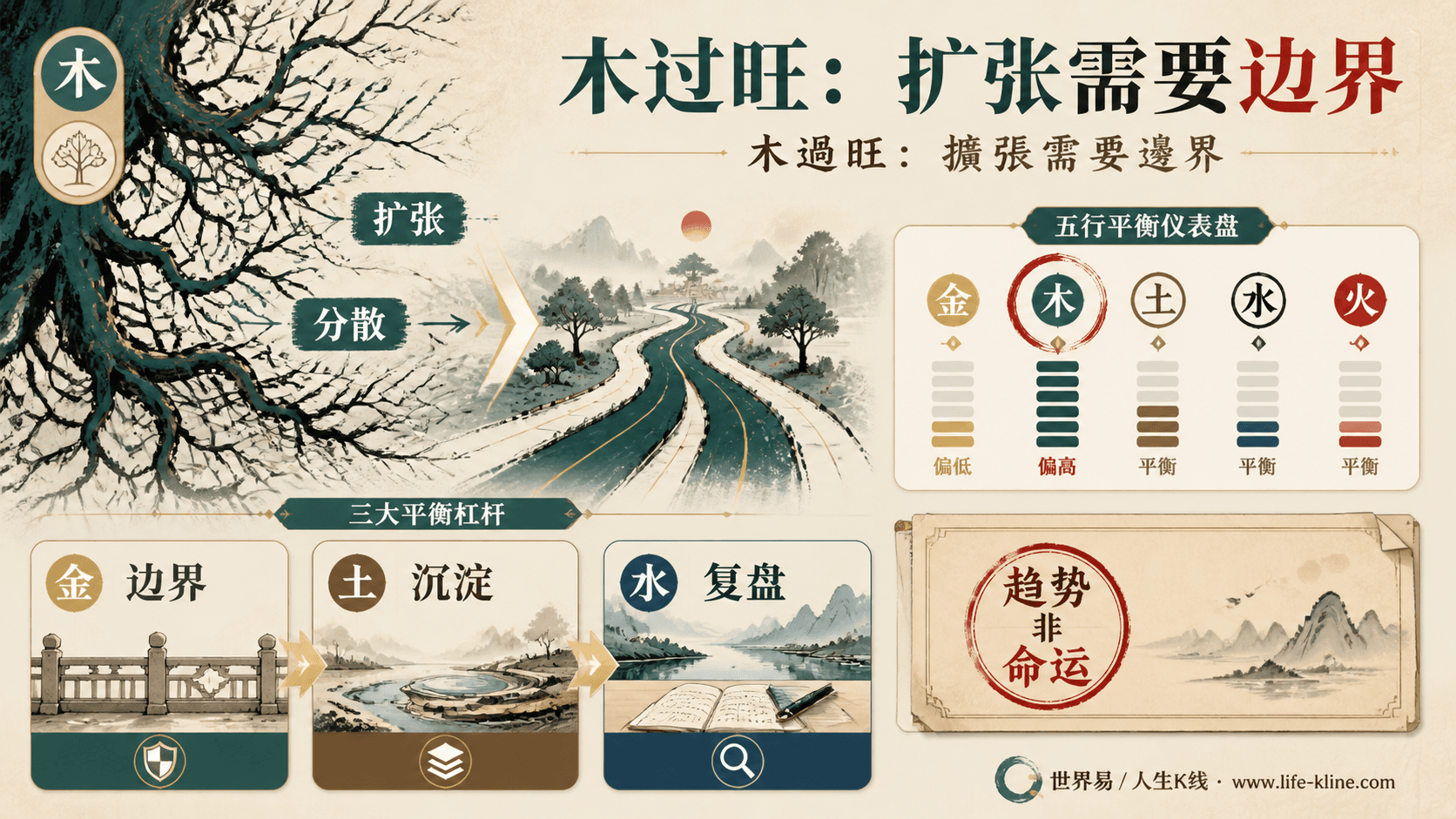
这张图把《Astrological Analysis of Intervention and Medical Timing in Major Surgeries and Critical Illness Decisions》里的命理概念转成关系、边界和应用场景,适合先看图建立结构,再回到知识文章正文理解细节。
木过旺常表现为扩张过快、计划繁多、方向分散。在人生K线系统中,这是一种时位特征,而非固定标签。通过引入边界、沉淀与复盘,可实现自然再平衡,导向更可持续的结构。
查看图片解读