Qingming Solar Term Metaphysics Analysis: Chen Month Wood Decay and Earth Burial
Qingming is the fifth solar term of spring, with the month pillar set to Chen. The Sun's ecliptic longitude is 15 degrees, corresponding to a mixed-energy month where Wood energy is waning and Earth energy is entering the tomb.
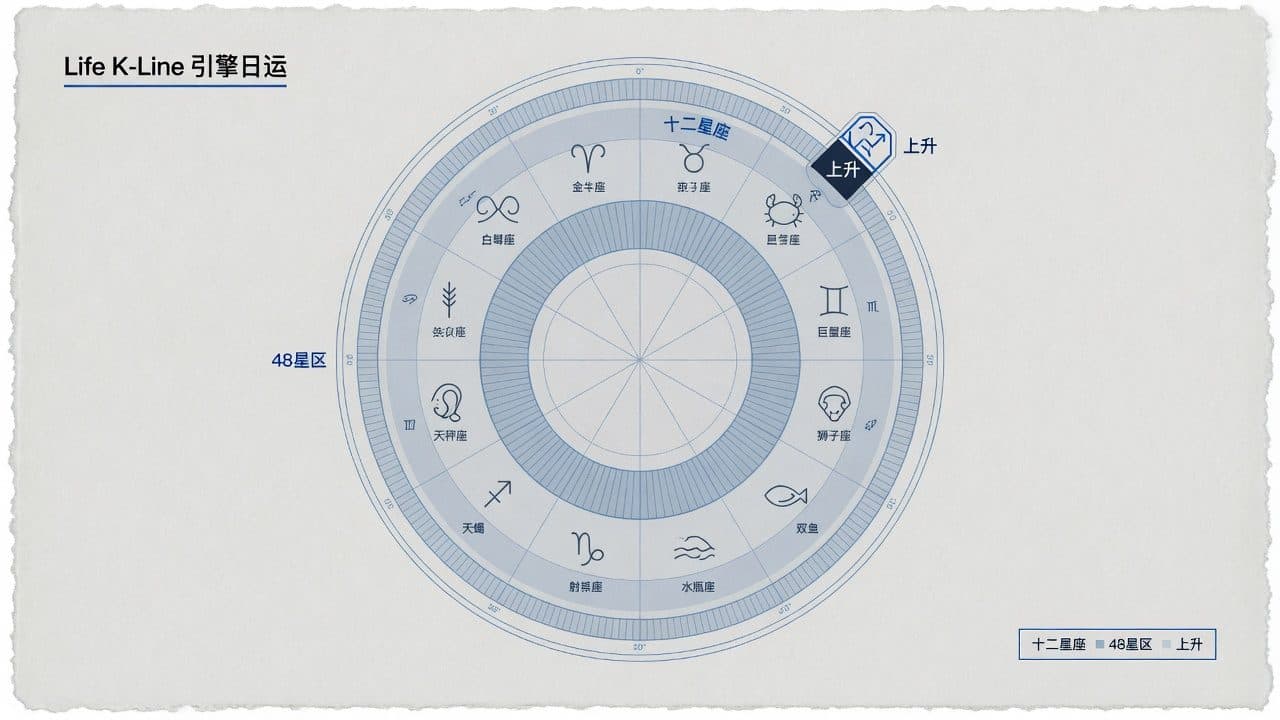
星座百科总览:把抽象判断拆成可看见的结构关系。
Concept Definition
Qingming is the fifth node among the 24 Solar Terms, marking the deep development of spring. In terms of time, it falls between April 4th and 6th of the Gregorian calendar, when the Sun travels to an ecliptic longitude of 15 degrees. As a product combining astronomy and calendar systems, Qingming is not only a marker of phenological changes but also the sole standard time coordinate for dividing months and starting Da Yun in the traditional Chinese metaphysics system.
From a technical perspective in metaphysics chart casting, Qingming holds an irreplaceable boundary significance. The determination of the month pillar and the starting point of Da Yun must strictly follow the switch of this solar term, rather than the first day of the Lunar month. This means that regardless of how the Lunar calendar changes, as long as Qingming has not passed or Guyu (Grain Rain) has not arrived, the month belongs to the Chen month. This rule ensures that metaphysical calculations are based on the objective facts of the Sun's trajectory, reflecting the mathematical logic of unity between Heaven and Man.
Traditional Metaphysical Significance
From the perspective of Five Elements energy flow, the Qingming season presents a unique pattern of waning Wood energy and Earth energy entering the tomb. At this time, the Chen month is in command. Chen Earth is the water reservoir and also the tomb of Wu Earth. Although Wood energy is born and strong in spring, by the time of Qingming, Yang energy has further risen, causing Wood energy to shift from generation to a trend of contraction, hence termed 'Wood energy waning'. Simultaneously, Earth energy is in command and strong in the Chen month, and since Chen is the tomb of Earth, Earth energy manifests as entering the tomb state.
This combination of Five Elements characteristics makes Qingming a typical 'Mixed Energy' (Za Qi) month. Mixed energy implies a chaotic field of force, containing the residual energy of Wood, the commanding energy of Earth, and traces of other Five Elements. In traditional metaphysics classics, Mixed Energy months often symbolize complex stages of development where opportunities and obstacles coexist. For a destiny chart (BaZi), a Qingming month pillar often prompts the individual to pay attention to the balance of Five Elements, particularly the generating and controlling relationship between Wood and Earth, avoiding excessive imbalance.
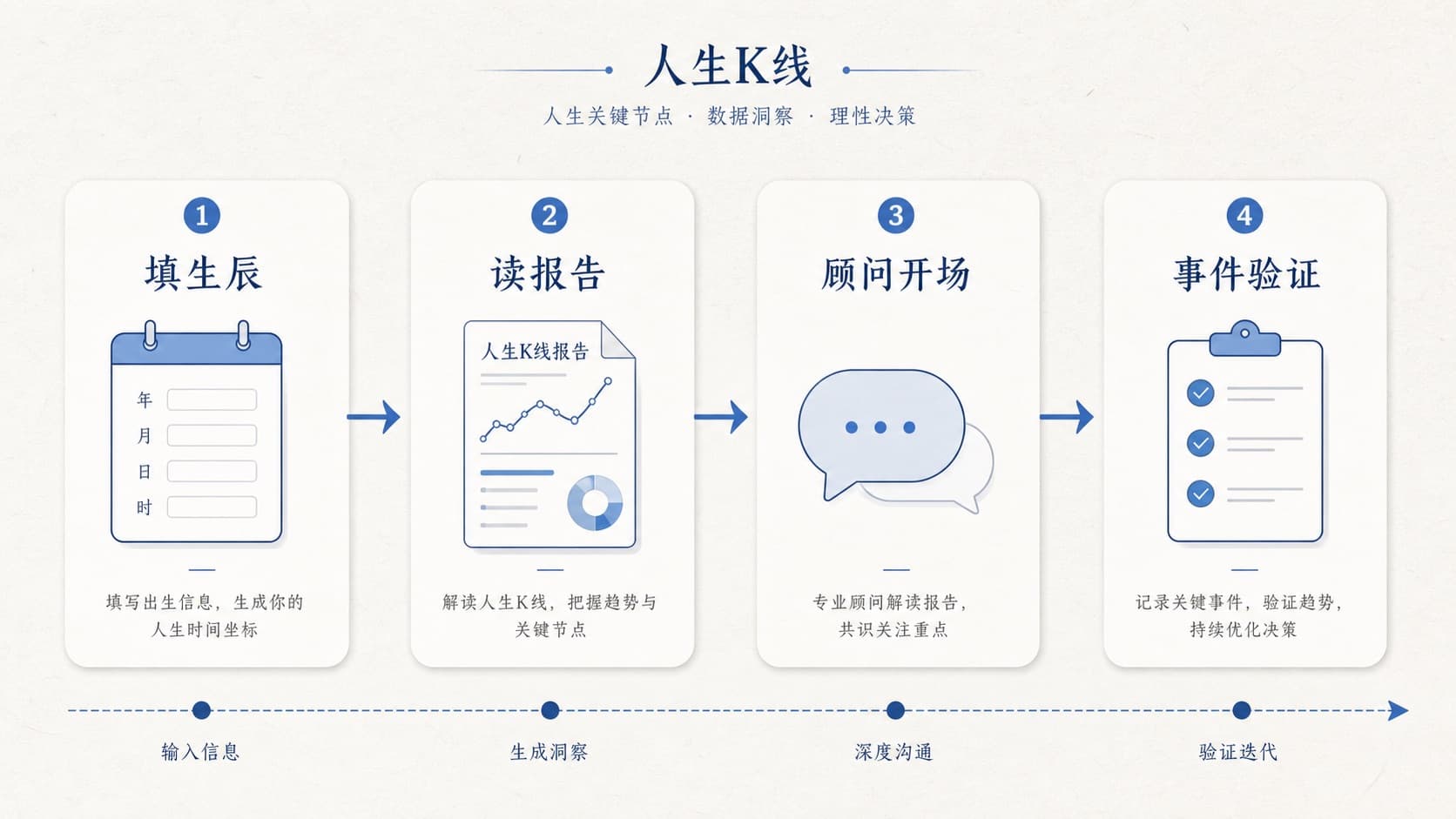
从生辰到可执行判断:把抽象判断拆成可看见的结构关系。
Practical Configuration and Interpretation
In practical BaZi chart casting operations, Qingming is the critical node determining the conversion of the month pillar's Heavenly Stems and Earthly Branches. If someone is born on Qingming day or the following day, even if only one day has passed in the Lunar calendar, their month pillar still belongs to the end of the previous month and will not switch until the next solar term arrives. This rule is often overlooked by beginners, leading to errors in the month pillar, which in turn affects the judgment of the entire destiny chart's strength and weakness. Therefore, when configuring a BaZi chart, one must precisely check the Gregorian date and locate it against the solar term table.
The starting point of Da Yun also follows the principle of switching based on Qingming. The handover day of Da Yun must fall at the time of the solar term, not on an integer day of the Heavenly Stems and Earthly Branches cycle. This means the flow speed of Da Yun is influenced by the solar terms, rather than the simple passage of months. When analyzing the annual fortune (Liu Nian), if the master's Da Yun reaches the Qingming node, special attention must be paid to the impact of the waning Wood and tombing Earth energy on the original chart. For example, if the original chart has weak Wood, it may suffer from control and leakage; if Earth is heavy, it may be trapped in the tomb, requiring comprehensive interpretation based on specific Heavenly Stems and Earthly Branch combinations.
Common Misconceptions
Many beginners easily confuse the first day of the Lunar month with the solar term, mistakenly believing that the start of the Lunar month is when the month pillar changes. In fact, the division of months in BaZi metaphysics is strictly based on the changes in the Sun's ecliptic longitude at the solar terms. The first day of the Lunar month is merely a cultural calendar marker and does not possess the boundary effect in metaphysics. This misunderstanding can lead to completely wrong month pillar Heavenly Stems and Earthly Branches, rendering subsequent Da Yun casting and annual fortune analysis entirely invalid, which is the biggest hard flaw in metaphysics learning.
Another common misconception is equating Qingming simply with a regular spring month, ignoring its special characteristics of waning Wood and tombing Earth. Before Qingming, Wood energy is still strong; after Guyu, Wood energy becomes even stronger. Qingming is in the transition period where Wood energy shifts from strong to waning, and Earth energy enters the tomb state. If this subtle change in Five Elements characteristics is ignored and the month is judged merely as a regular spring month, the strength comparison of Wood and Earth lines in the destiny chart will inevitably be underestimated or overestimated, leading to deviations in fortune and misfortune inferences.
FAQ
Q: What is the specific date of the Qingming solar term? A: Qingming is the fifth solar term of spring, usually occurring between April 4th and 6th of the Gregorian calendar. The specific date fluctuates slightly each year, depending on the moment the Sun's ecliptic longitude reaches 15 degrees.
Q: Is the month pillar in BaZi chart casting divided based on the first day of the Lunar month? A: No. In BaZi chart casting, the month pillar switches based on the 24 Solar Terms. Qingming is the fifth solar term of spring, with the month pillar set to Chen Earth. Regardless of the Lunar calendar, the month pillar must convert according to the solar terms.
本文含 2 张图解(封面/结构/时位/行动或风险)。图解用于建立判断框架,不构成宿命结论; 个人决策请结合测算报告与工具验证。