Detailed Analysis of the Spring Equinox in Metaphysics and Guide to BaZi Charting Application
As the fourth solar term of spring, the Spring Equinox establishes the Mao month pillar and divides day and night equally. This article analyzes its core status in metaphysics, explains its precise impact on Da Yun and Yue Zhu, and clarifies the common misconception of using the lunar first day instead of the solar term.
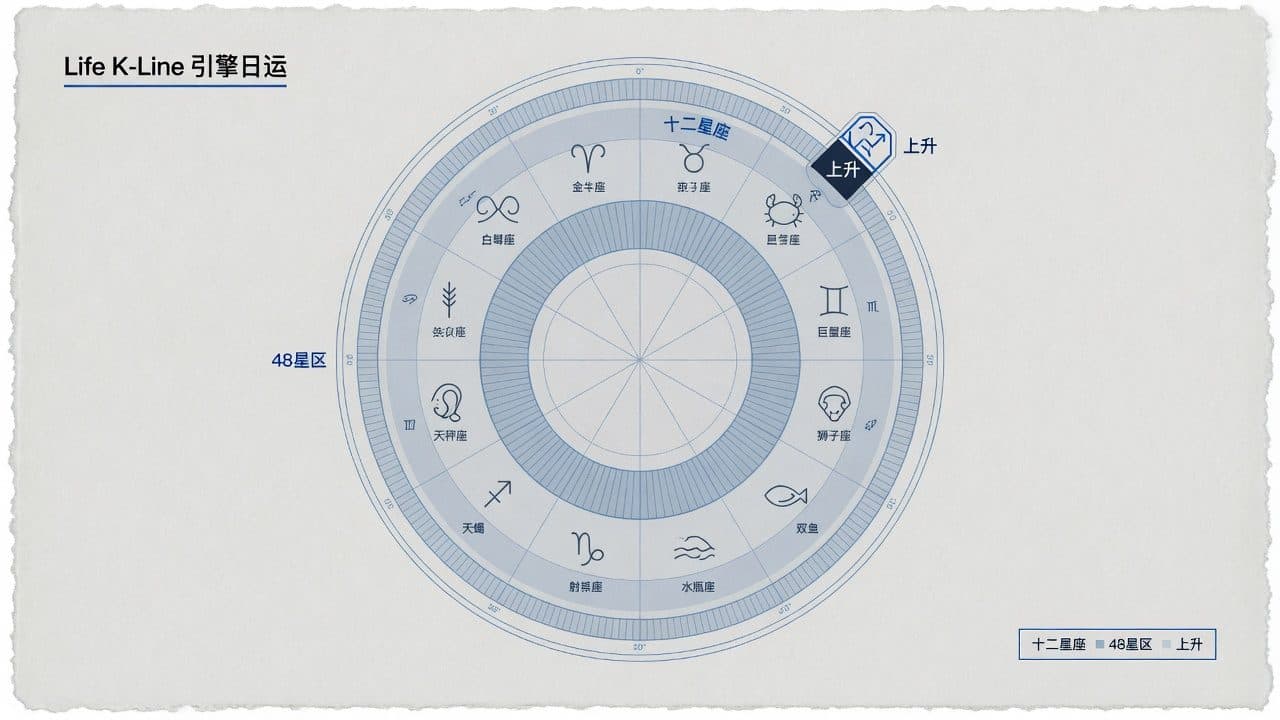
星座百科总览:把抽象判断拆成可看见的结构关系。
Concept Definition
The Spring Equinox is the fifth solar term among the twenty-four solar terms, ranking as the fourth of spring. At this time, the Sun's ecliptic longitude runs to 0 degrees, marking a dynamic balance state between Yin and Yang energies. From an astronomical and calendrical perspective, on this day, the day and night durations are roughly equal globally, hence the name 'equal division of day and night.' In terms of Gregorian calendar time, the Spring Equinox usually appears on March 20th or 22nd each year, with slight fluctuations due to calendrical adjustments.
In metaphysics, the Spring Equinox holds an extremely special status. It serves as the boundary dividing spring from summer and is also the critical node where the Yue Zhu (month pillar) is established as Mao Wood. For BaZi charting, the Spring Equinox is the true dividing line for determining the Heavenly Stems and Earthly Branches of the month pillar as well as the timing for starting Da Yun. This means the Heavenly Stems and Earthly Branches of the month pillar in the destiny chart must be determined based on the arrival time of the Spring Equinox, rather than the traditional lunar first day. This charting method based on solar terms ensures that metaphysical analysis can accurately reflect the actual impact of the Sun's movement on the changes of human energy fields.
Traditional Metaphysical Significance
In the metaphysical system, the Spring Equinox symbolizes a transformation and transition. As the tail end of spring, it represents the peak state of Yang energy generation, as well as the period when all things grow most vigorously. The arrival of the Mao Wood Yue Zhu means that the Wood energy of the Qian palace begins to dominate the monthly energy field, and the generating relationship of Water producing Wood reaches a specific balance at this moment. The characteristics of Mao Wood are grass and flower trees, representing growth, expansion, and flexibility, which directly affects the personality base and fortune trajectory of people born in this month.
As a solar ecliptic node dividing the ecliptic into twenty-four parts, the metaphysical significance of the Spring Equinox lies in establishing the energy scale of time. In traditional metaphysics classics, this precise boundary is regarded as the hub where heaven and earth energies switch. When the Sun's ecliptic longitude reaches 0 degrees, the energy field between heaven and earth undergoes a qualitative change, entering the stage dominated by Wood energy of the Mao month. This switch of energy fields has a decisive impact on an individual's Liu Nian (annual fortune) and Da Yun (decade luck cycle) transitions, which is why ancient sages dedicated their writings to recording the deep shaping role of solar term transitions on the destiny chart structure.
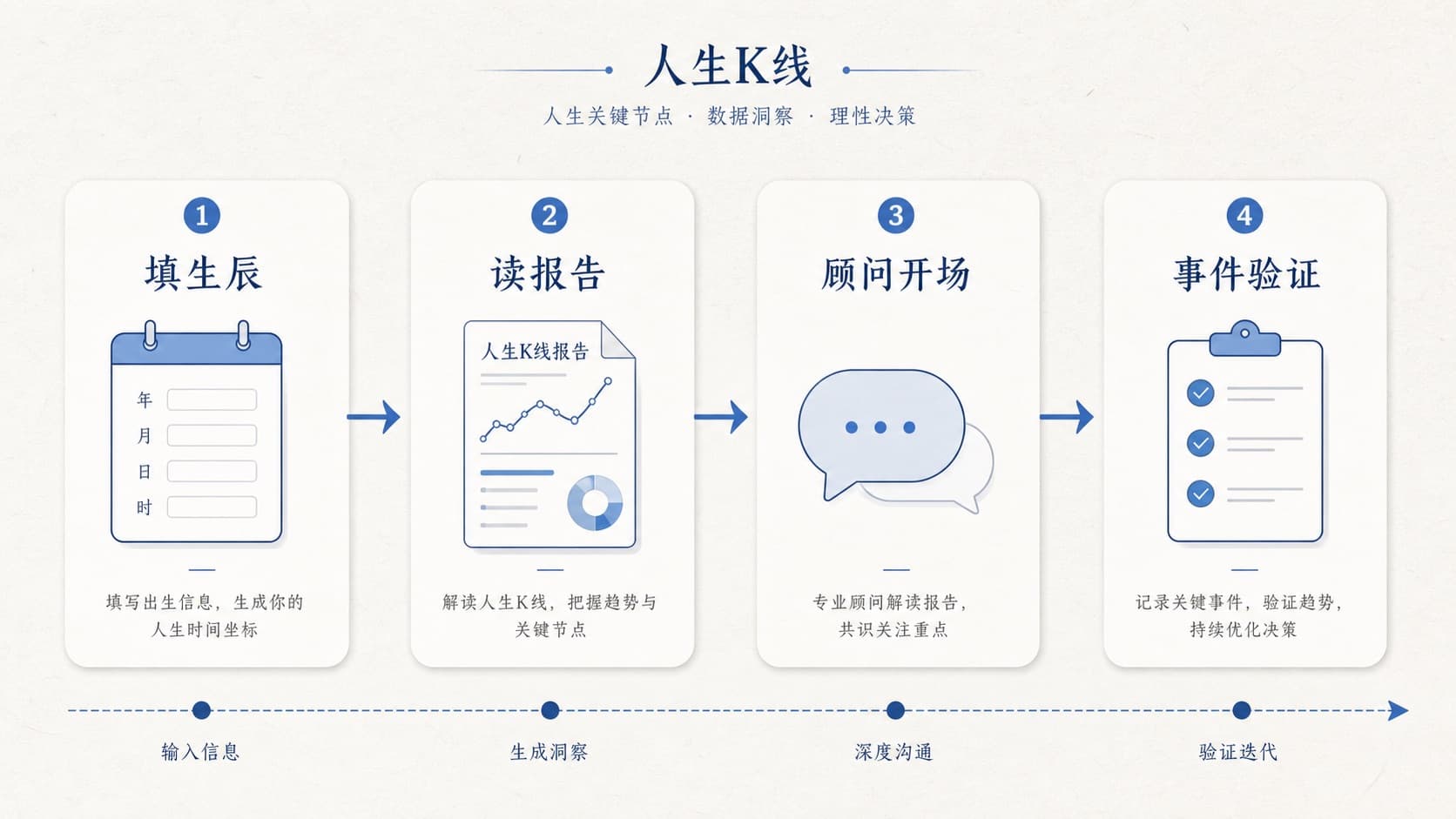
从生辰到可执行判断:把抽象判断拆成可看见的结构关系。
Practical Configuration and Interpretation
In practical BaZi charting, the determination of the Spring Equinox is crucial. When charting the month pillar, one must strictly calculate the solar term moment based on the Gregorian date. If the birth time has passed the Spring Equinox point, the month pillar changes from Jia Yin Wood to Yi Mao Wood. This is a place where beginners often get confused, as folk habits take the lunar first day as the standard for month changes, which is incorrect in professional metaphysical analysis. Only by taking solar term transitions as the standard can one accurately capture the generating and controlling actions of the month pillar Heavenly Stems and Earthly Branches on the Day Master's Five Elements.
The Mao Wood Yue Zhu brought by the Spring Equinox has a direct impact on the destiny chart configuration. If the Day Master is Metal, Mao Wood appears as Pian Cai (officer wealth) penetrating the chart, showing intense desire for wealth but needing to guard against wealth being too much for the body; if the Day Master is Water, then Mao Wood represents Shi Shen (food god), representing exposed talent and creative explosion. For the calculation of Da Yun, the node for changing Da Yun years also needs to refer to this dividing point of the Spring Equinox to ensure the intersection of Da Yun and Liu Nian is accurate without error. This configuration method based on real astronomical solar terms can restore the true energy state of the destiny chart to the maximum extent.
Common Misconceptions
The biggest misconception lies in confusing the boundary between lunar months and solar term months. Many people believe that the third lunar month is the Mao month, which is not true. Since the lunar calendar is a Yin-Yang combined calendar, month lengths are not fixed, while solar terms are pure solar calendar concepts, and the two are not always synchronized. For example, before the arrival of the Spring Equinox, the lunar calendar might still be in the second month, and only after that does it enter the third month, but the Yue Zhu has already been established as Mao. If the month pillar is charted based on the lunar first day, it will cause a misalignment between the month pillar Heavenly Stems and Earthly Branches and the actual solar energy, leading to a completely wrong analysis.
Another misconception is ignoring the time error brought by solar term fluctuations. Although the Spring Equinox usually occurs on March 20th or 22nd, the specific moment may fluctuate forward or backward by 1 to 2 days due to leap seconds or calendrical adjustments. In metaphysical charting, the birth time must be precise to the hour, and the specific moment of the solar term switch is even more critical for determining the month pillar's ownership. If this subtle difference of 1-2 days is ignored, it may lead to errors in judging the Heavenly Stems and Earthly Branches of the month pillar, thereby affecting the accuracy of interpreting personality traits and fortune trajectories.
FAQ
Q: Why is BaZi charting based on solar terms rather than the lunar first day? A: Because BaZi metaphysics is the study of the interaction of energies between heaven, earth, and man, while solar terms are the true coordinates of the Sun's movement dividing the ecliptic into twenty-four equal parts, directly reflecting the objective laws of seasonal changes and Yin-Yang growth and decline. The replacement of the Mao Wood Yue Zhu is essentially triggered by this astronomical fact when the Sun's ecliptic longitude reaches 0 degrees. The lunar first day is merely a human-set calendar node and cannot accurately correspond to the true moment of heaven and earth energy conversion.
Q: For people born on the day of the Spring Equinox, is the month pillar charted for the previous month or the next month? A: This depends on the specific birth hour. If born at a time point before the arrival of the Spring Equinox solar term, the month pillar remains that of the previous month; if born at a time point after the arrival of the Spring Equinox solar term, regardless of whether it is early morning, the month pillar has already switched to the Mao month. Therefore, one must precisely calculate the solar term moment corresponding to the Gregorian date and combine it with the birth hour for comprehensive judgment, not mechanically dividing based on date numbers or lunar months.
Q: What specific impact does the Yue Zhu Mao have on the BaZi destiny chart? A: The Yue Zhu Mao Wood means that the monthly energy field is dominated by Water producing Wood, and Mao Wood characteristics are grass and flower trees, representing growth and expansion. For the Day Master, if it is Metal, it sees wealth; if it is Water, it sees Shi Shen; if it is Wood, it sees Bi Jian (peer). This specific energy attribute of the month pillar will profoundly affect the personality tendencies, career choices, and auspicious or inauspicious response periods of Da Yun and Liu Nian, serving as an important basis for judging Five Elements strength in metaphysical analysis.
本文含 2 张图解(封面/结构/时位/行动或风险)。图解用于建立判断框架,不构成宿命结论; 个人决策请结合测算报告与工具验证。