Xiao Man: The Second Solar Term of Summer and the Boundary of BaZi Month Pillars
Xiao Man is the second solar term of summer, with Yue Jian (Month Pillar) at Si, at the Sun's ecliptic longitude of 60 degrees, occurring between May 20-22. Its core metaphysical significance lies in establishing the true dividing point for the BaZi month pillar and the start of Da Yun (decade luck), strictly adhering to solar terms rather than the lunar new moon.
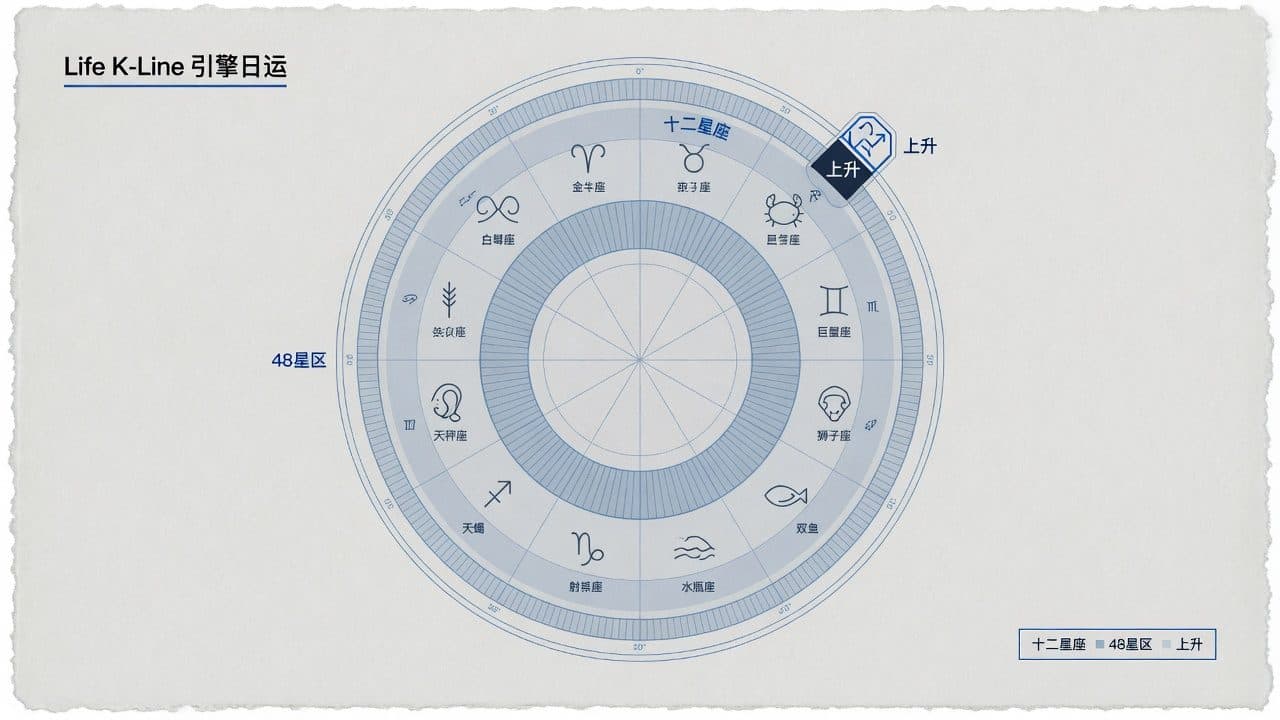
星座百科总览:把抽象判断拆成可看见的结构关系。
Concept Definition
Xiao Man is the ninth of the Twenty-Four Solar Terms, ranking as the second stage of summer. Its celestial characteristic is marked by the Sun's ecliptic longitude reaching 60 degrees, typically occurring between May 20 and 22 of the Gregorian calendar. From a natural climate perspective, temperatures rise significantly and rainfall increases at this time; all things begin to become full but have not yet reached their peak, hence the name Xiao Man (Small Fullness).
In the metaphysical system, Xiao Man plays an extremely important structural role. It serves as the true dividing point for dividing the BaZi month pillar and establishing the timing for the start of Da Yun (decade luck). Metaphysical charting emphasizes the flow of celestial time and must strictly follow the laws of solar apparent motion, using the solar term moment as the boundary for month conversion. This rule ensures the metaphysical model can accurately reflect the qi (energy) changes brought by celestial body movements.
Xiao Man is not only a time coordinate but also a key node for the transformation of the Five Elements. As the month pillar enters the Si month, fire qi gradually strengthens, and the earthly branch attributes undergo a fundamental shift. For the Day Master (日主), transitioning from the month pillar of the previous solar term to the month pillar of Xiao Man signifies a rebalancing and reorganization of Five Element forces within the chart. This is an important basis for judging the ups and downs of annual fortune trends.
Traditional Metaphysical Significance
Ancient classics regard Xiao Man as the prologue to summer. At this time, the Yang energy reaches the prelude to its peak, and the Yue Jian (Month Pillar) is fixed at Si. Si belongs to Fire in the Five Elements and represents Yin Fire, symbolizing the accumulation and eruption of energy. In traditional metaphysical logic, the month pillar is the core determining the high or low level of the BaZi pattern. As the starting point of Yue Jian Si, Xiao Man marks the moment when fire qi officially takes over the dominance of the month, exerting a direct restraining or nurturing effect on the Day Master's Five Element.
Xiao Man bears an irreplaceable cutting function in metaphysical charting. It is not only the switch for month changes but also the trigger for Da Yun (decade luck) flow. As the ancients said, the month pillar is determined by solar term transitions, not by the first day of the lunar month. This principle was established to avoid spatial and temporal misalignment caused by differences in the lunar year, ensuring the chart can accurately correspond to the real trajectory of celestial movements, thereby deriving more accurate fortune trends.
From the perspective of Yin-Yang flow, Xiao Man embodies the accumulation process before the reversal of extremes. The Sun's ecliptic longitude of 60 degrees means the angle of direct light on the Northern Hemisphere deepens further, accelerating the process where Yang energy shifts from peak to extreme. In metaphysical interpretation, such an energy state conversion often predicts that the Day Master will experience a key turning point from quantitative change to qualitative change in the coming period, making it the best window to observe turning points in fortune trends.
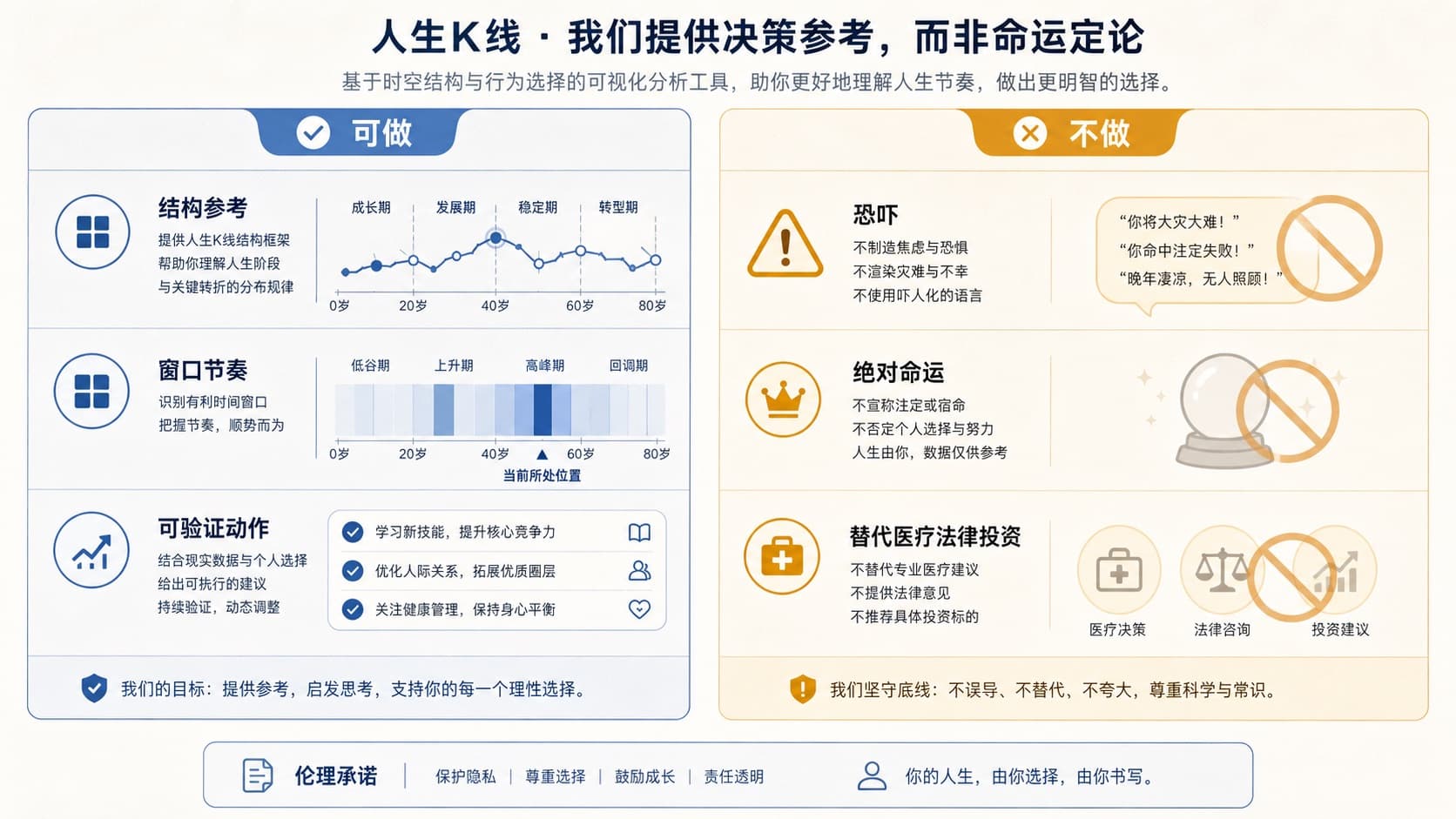
判断边界:参考不是定论:把抽象判断拆成可看见的结构关系。
Practical Configuration and Interpretation
In actual charting operations, one must strictly verify the Gregorian date and the exact moment of the solar term. If the solar term time occurs after 00:00 on May 20, the month pillar officially switches from the previous earthly branch to Si. At this moment, the Da Yun (decade luck) change point is also determined, and the calculation of the start of Da Yun must be based on this precise solar term node. Any charting that ignores minute errors in solar terms will lead to deviations in judging Five Element forces, thereby affecting subsequent Da Yun judgments.
For those whose chart has strong Fire or who favor Fire, the arrival of the Yue Jian Si at Xiao Man means they are 'in their element' and strong. If the Da Yun at this time is also a Fire run, it indicates rising career momentum and abundant vitality. Conversely, if the Day Master is Metal or Water and Fire is a Ji Shen (unfavorable element), the arrival of the month pillar at Xiao Man may bring pressure and challenges, requiring caution against verbal disputes or health issues. In practice, one must combine the configuration of the Ten Gods to analyze the specific impact of Si Fire on the Day Master.
As the beginning of Yue Jian Si, Xiao Man also hints at the trends of subsequent months. Si contains Bing Fire, Wu Earth, and Geng Metal; Fire and Earth generate each other, while Metal qi is weak. Under the combination of annual fortune and Da Yun, if the annual fortune sees Earth or Metal, it may easily trigger the deep effects of the Yue Jian Si. Metaphysicians must comprehensively consider the specific hour of the solar term handover to judge the instant of qi transformation, thus providing more targeted annual fortune advice.
Common Misconceptions
The biggest misconception lies in confusing the first day of the lunar month with the solar term transition time. Many beginners habitually take the first day of the lunar month as the starting point of the month pillar, which is completely wrong in metaphysics. The division of the month pillar must strictly follow the Sun's ecliptic longitude and the solar term moment. A Gregorian date fluctuation of one to two days is normal; one must accurately determine the month based on the solar term and cannot forcibly adjust it due to lunar dates.
Another common error is ignoring the climatic characteristics of Xiao Man, the second solar term of summer, and their symbolic meaning for the chart. The ripening of wheat ears is its natural appearance, corresponding to the metaphysical stage where all things begin to become full but are not yet mature. If Xiao Man is simply equated to the end of summer or the peak state, one misunderstands its essence as a key node of potential energy, leading to deviations in the judgment of the rhythm of fortune fluctuations.
FAQ
Question: Is the specific date of the Xiao Man solar term fixed every year? Answer: The date of the Xiao Man solar term is not absolutely fixed; it typically fluctuates between May 20 and 22 of the Gregorian calendar, depending on the precise moment when the Sun's ecliptic longitude runs to 60 degrees that year.
Question: Why is BaZi charting not based on the first day of the lunar month? Answer: BaZi metaphysics pursues the true spatiotemporal coordinates of celestial body movements. The handover of the month pillar must be based on solar terms divided by the apparent motion of the Sun, not the artificially determined lunar year. Therefore, the solar term transition must be the standard.
本文含 2 张图解(封面/结构/时位/行动或风险)。图解用于建立判断框架,不构成宿命结论; 个人决策请结合测算报告与工具验证。