Winter Solstice: The Critical Turning Point in BaZi Chart Casting
The Winter Solstice is the fourth solar term of winter, where the Earthly Branch is Zi, the Sun reaches 270 degrees longitude, and yin reaches its peak while yang begins to revive. As the true dividing point for BaZi chart casting and starting the Da Yun, it is determined by solar terms rather than the lunar calendar's first day, serving as the core hub for judging the fluctuation of yin and yang and the turning point of fortune.
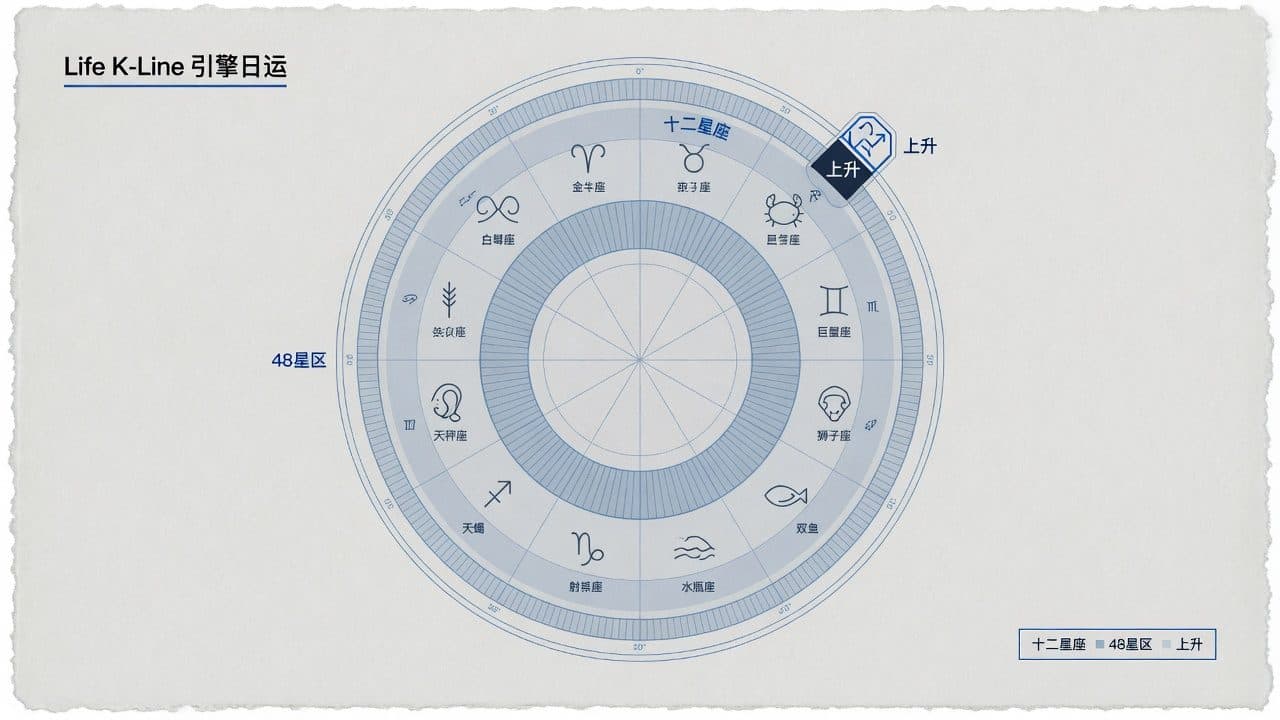
星座百科总览:把抽象判断拆成可看见的结构关系。
Concept Definition
The Winter Solstice is the fourth solar term of winter, with its time fixed between December 21 and 23 of the Gregorian calendar. From an astronomical perspective, the Winter Solstice marks the Sun running to 270 degrees of ecliptic longitude, at which time the Northern Hemisphere experiences the shortest day of the year and the longest night. In the calendar system, the Winter Solstice is an important node dividing the transition between winter and spring, and also a key reference point for the alternation of lunar months.
In the metaphysical system, the Winter Solstice holds a very high status; it is the true dividing point for determining the Month Pillar and calculating the Da Yun. BaZi fortune-telling follows the principles of yin and yang flow, and the determination of the Month Pillar must strictly adhere to the time nodes of solar terms, not the first day of the lunar calendar. This means that regardless of how the lunar calendar changes, as long as the Winter Solstice has passed, the Month Pillar in the chart will undergo a fundamental change, transforming from the亥 month to the子 month, thereby completely altering the five elements energy field of the entire chart.
As one of the starting points of the 24 equal divisions of the solar ecliptic, the Winter Solstice carries profound connotations of the cosmic view. It is not only the turning point from cold to warm in natural climate, but also the embodiment of the metaphorical meaning of 'extreme things turn to their opposite' in metaphysical judgment. When casting charts, the master must use the Gregorian solar term table as the baseline, accurately capturing this instant of the Winter Solstice to establish the Month as Zi, ensuring that the subsequent calculation of Da Yun and Liu Nian is built on an accurate time coordinate, avoiding comprehensive errors caused by date deviations.
Traditional Metaphysical Significance
In traditional metaphysics, the Winter Solstice symbolizes 'the beginning of the revival of Yang', which is a very critical moment in the theory of the fluctuation of yin and yang. Although the external climate is at its coldest at this time, in the operation of the Heavenly Dao, the Yang Qi begins to revive at this moment. For the chart, this represents the turning point where Yin Qi reaches its peak and is about to retreat, and Yang Qi is about to rise. This natural law was observed by ancients and introduced into metaphysics to explain the turning point after a low point in life's fortune.
The Month as Zi means the Earthly Branch enters the Zi position, belonging to the Water element, and specifically Yang Water. In Zi Ping BaZi, the Month Pillar represents the Palace of Parents, the Palace of Brothers, and the inner temperament of oneself. When the Month Pillar switches to the Zi month, it means the environmental energy field in which the chart owner resides completely shifts from the 'soft' Yin Water of 'Hai' to the 'deep' Yang Water of 'Zi'. This change directly affects the strength judgment of the chart owner in the chart, as well as the selection of the Yong Shen, serving as the core basis for analyzing the color of personal character and the potential direction of fortune.
In the sources of ancient books, the Winter Solstice is often endowed with the philosophical meaning of 'the extreme of Yin, the birth of Yang'. Metaphysical masters use this concept to judge whether the chart owner is in a 'Winter Solstice' like low point of fortune. If the chart owner's Da Yun or Liu Nian encounters this solar term, it often predicts that the previous difficulties are about to end and new vitality is being nurtured. This metaphorical meaning of 'misery ends, happiness begins' makes the Winter Solstice not only a time scale but also an important theoretical support for predicting the ups and downs of life and grasping the turning point of fortune, guiding people to maintain hope in adversity.
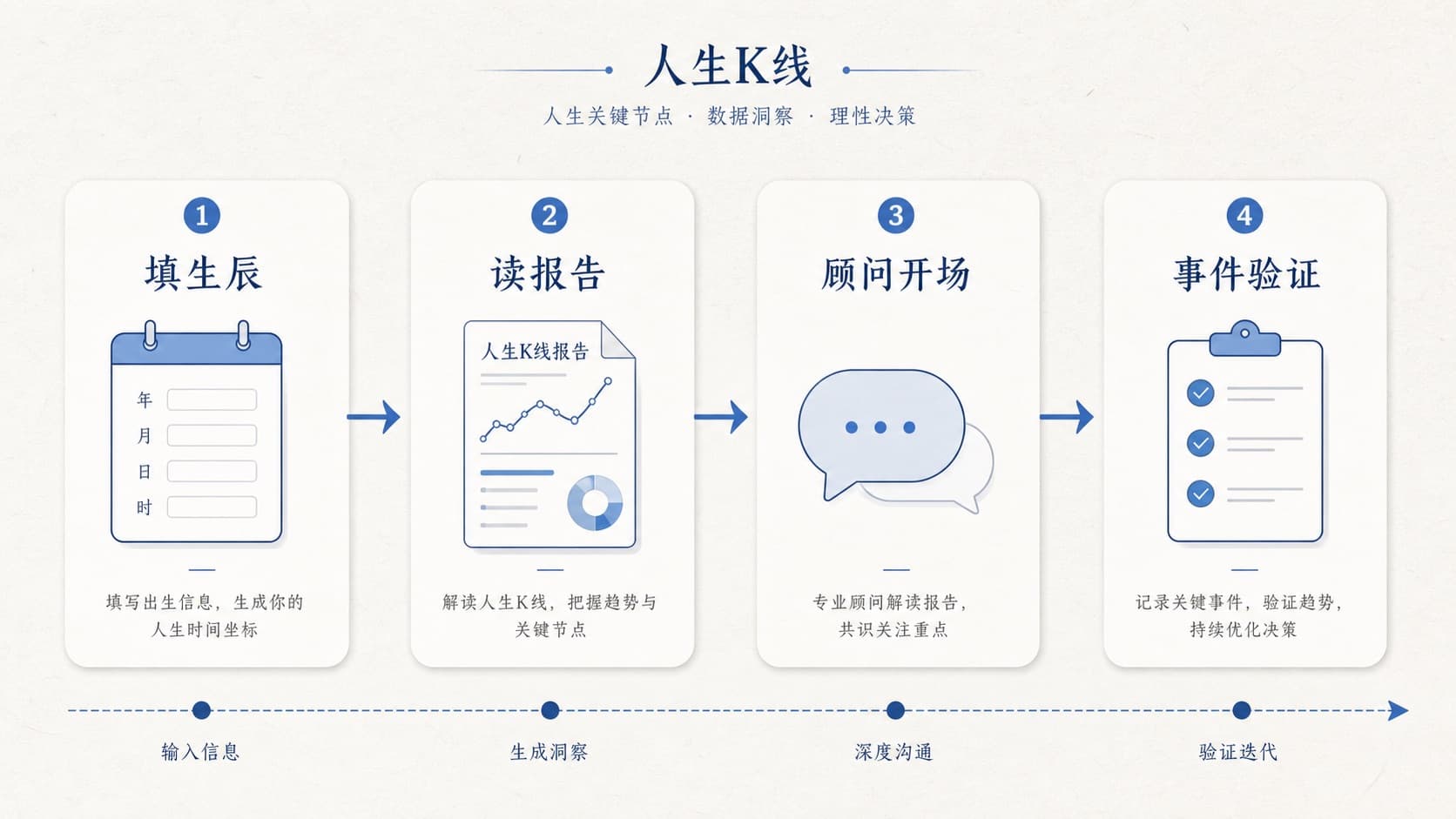
从生辰到可执行判断:把抽象判断拆成可看见的结构关系。
Practical Configuration and Interpretation
In practical BaZi configuration, the Winter Solstice is the only standard for determining the attribute of the Month Pillar. The Gregorian date may fluctuate by 1 to 2 days, but the standard must be the moment of the solar term transition. If the birth time has passed the Winter Solstice but not reached the next solar term, the Month Pillar is Hai; once crossing the Winter Solstice, the Month Pillar immediately becomes Zi. This rule strictly prohibits using the first day of the lunar calendar as the dividing line, because lunar dates do not completely coincide with solar term moments, and determining the Month Pillar based on the lunar calendar will lead to serious casting errors.
The true dividing point for starting the Da Yun also relies on the Winter Solstice. The year change point for the Da Yun usually combines with solar terms, and the Winter Solstice, as the start of the Zi month, is a key reference for calculating the Da Yun starting time. The master needs to precisely calculate the moment of the Winter Solstice, combined with the true solar time of the birth place, to determine when the chart owner enters the Zi month, and then calculate the start and end years of the Da Yun. Any vague handling regarding solar term dates may lead to deviations in the Da Yun starting time, directly affecting the judgment of key stages in life.
In the interpretation of Liu Nian fortune, the year of the Winter Solstice is often regarded as a key turning point in the year. If the original chart likes Water or likes Zi Water, encountering the Winter Solstice receives the help of the month master, greatly increasing the momentum; if it dislikes Water, it needs to be wary of the cold and damp Qi brought by the Zi month. In addition, as the time of the longest night, the Winter Solstice often corresponds to the deepest period of confusion in life, followed by the dawn before the light. Therefore, in metaphysical analysis, special attention must be paid to the fortune trend before and after the Winter Solstice for several years to judge the fluctuation cycle of the chart owner's life.
Common Misconceptions
The most common misconception is confusing the Winter Solstice with the first day of the lunar calendar, believing that the first day marks the beginning of the new moon and thus incorrectly adjusting the Month Pillar. In fact, BaZi chart casting must strictly follow the solar terms, not the first day of the GanZi calendar. Regardless of how the lunar calendar changes, as long as the Winter Solstice has not passed, the Month Pillar still belongs to Hai; after passing the Winter Solstice, the Month Pillar is Zi. This confusion will lead to deviations in the judgment of five elements strength and weakness in the entire chart, thereby affecting the selection of the Yong Shen and the inference of fortune.
Another misconception is ignoring the fluctuation of the Gregorian date, believing that the Winter Solstice is always fixed on December 22. In reality, the Winter Solstice date fluctuates between December 21 and 23 in the Gregorian calendar. BaZi chart casting must consult the specific solar term moment table of the year, precise to the hour, to determine whether the chart owner has truly entered the Zi month. If only relying on a fixed date or rough estimation, the 'instant of the revival of Yang' cannot be accurately captured, leading to errors in Da Yun arrangement, causing the subsequent Liu Nian analysis to lose its foundation.
Some beginners easily view the Winter Solstice merely as a climate node, ignoring its structural role in metaphysical chart casting. The Winter Solstice is not only a time concept but also a hard rule for establishing the Month as Zi. In practice, if the Winter Solstice is ignored and the old Month Pillar is used, it will lead to the failure of fortune analysis for the chart owner in Zi years, Zi months, Zi days, and Zi hours. Therefore, the Winter Solstice must be regarded as the iron law in BaZi chart casting; any calculation regarding the Month Pillar and Da Yun must be recalibrated based on the Winter Solstice.
FAQ
Question: When casting a BaZi chart, if born on the first day of the lunar calendar but after the Winter Solstice, how is the Month Pillar determined? Answer: The Month Pillar is determined based on the solar term transition, not the first day of the lunar calendar. If the Winter Solstice has passed, the Month Pillar is the Zi month, belonging to winter, rather than other months corresponding to the other months just after the lunar New Year.
Question: Is the Winter Solstice date fixed every year? Answer: The Winter Solstice is a node of the 24 equal divisions of the solar ecliptic, and the Gregorian date usually fluctuates between December 21 and 23. The specific date needs to be consulted from the solar term table of the year, and the true moment of the solar term transition is the dividing line, not the hour.
Question: Does the Winter Solstice have an impact on the Da Yun starting time? Answer: It has a significant impact. The true dividing point for starting the Da Yun is based on solar terms. The Winter Solstice, as the start of the Zi month, is a key node for calculating the Da Yun starting time, and it must be precisely calculated to determine the Month Pillar, thereby locking the Da Yun.
本文含 2 张图解(封面/结构/时位/行动或风险)。图解用于建立判断框架,不构成宿命结论; 个人决策请结合测算报告与工具验证。