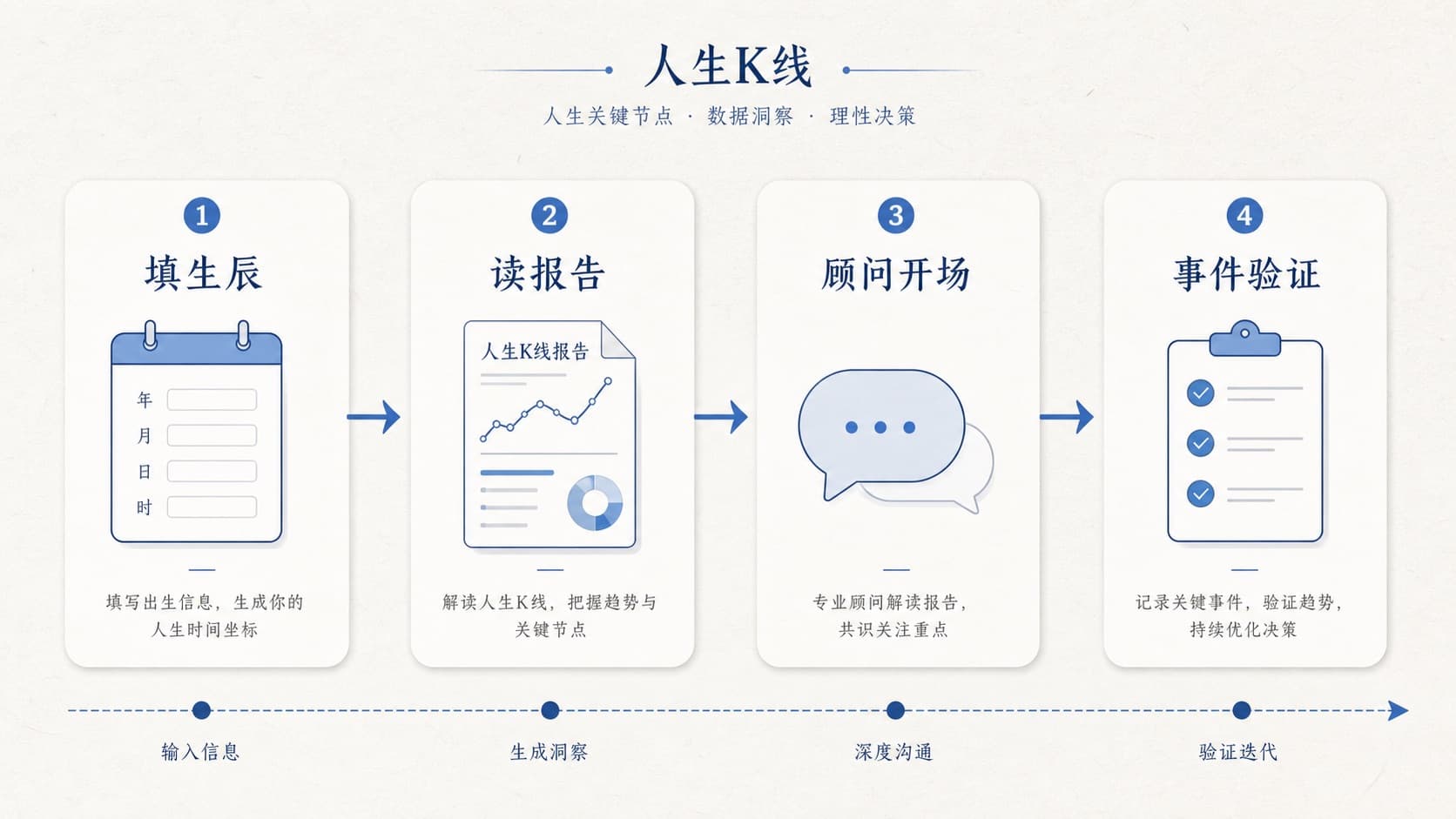
从生辰到可执行判断:把抽象判断拆成可看见的结构关系。
Concept Definition
Zhen for Thunder is the second hexagram of the 64, formed by two Zhen hexagrams overlapping, creating an imagery of heavy thunder vibration. In the construction system of the 64 hexagrams, each hexagram is composed of two trigrams stacked together, and each trigram contains six line positions, numbered from bottom to top as the initial line to the upper line. The structure of Zhen for Thunder reflects the characteristic of thunder both above and below, symbolizing the continuity of thunder and the superposition of power. The core meaning of this hexagram lies in Zhen below and Zhen above, emphasizing the strong impact brought by heavy thunder vibration. This structure not only depicts the scene of thunderous power in nature but also metaphorically represents sudden changes and drastic shifts that may occur in human society. As one of the 64 hexagrams, Zhen for Thunder holds an important position in the metaphysical system, and its structural characteristics determine its unique significance in prediction and judgment.
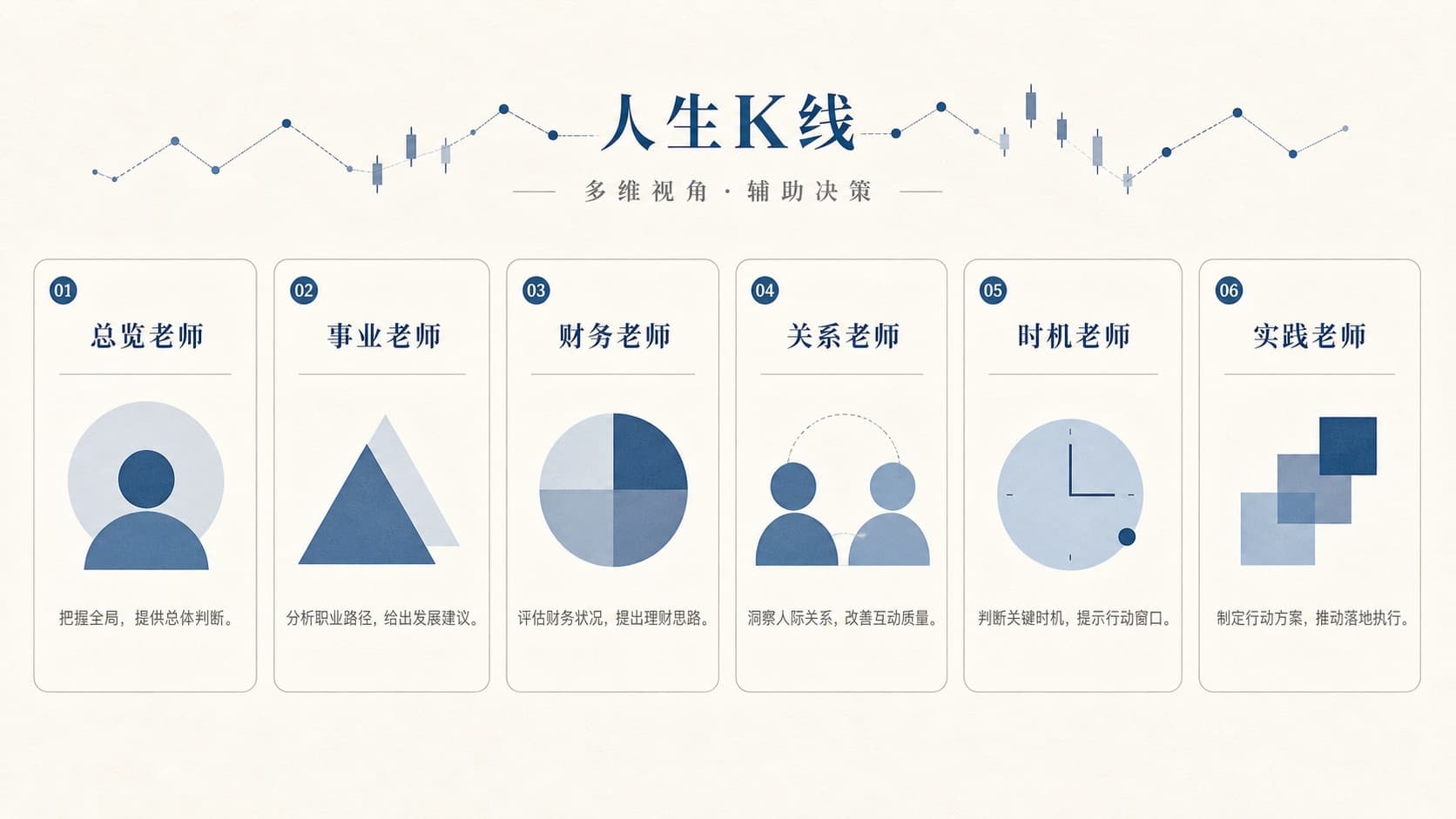
一位老师专一事:把抽象判断拆成可看见的结构关系。
Traditional Metaphysical Significance
The meaning of Zhen for Thunder mainly manifests as shock, stimulation, and action. Heavy thunder vibration symbolizes a sudden force that can break tranquility and stimulate potential vitality. In traditional culture, thunder is regarded as a symbol of Yang energy rising and all things reviving, and its vibrational power can awaken dormant life force. This stimulating effect can be either positive or negative, depending on the specific context and configuration. The meaning of the hexagram also emphasizes the need for fear and self-reflection, and warns against panic. When facing the impact brought by heavy thunder vibration, one should maintain a sense of awe, reflect on one's own behavior, and avoid making wrong decisions due to panic. Fear and self-reflection are not about avoiding the world passively, but rather maintaining inner calm and self-examination to cope with external changes. This mindset is regarded as a key factor in resolving crises and turning danger into safety in metaphysical practice. From the perspective of the Five Elements, Zhen for Thunder belongs to Wood, corresponding to spring and the east, symbolizing growth and development. Its vibrational power is like spring rain nourishing all things. However, if the vibration is excessive, it may lead to destruction, so balance needs to be maintained. In metaphysical applications, Zhen for Thunder is often used to analyze impulsiveness and action in personal character, as well as reaction patterns when facing challenges.
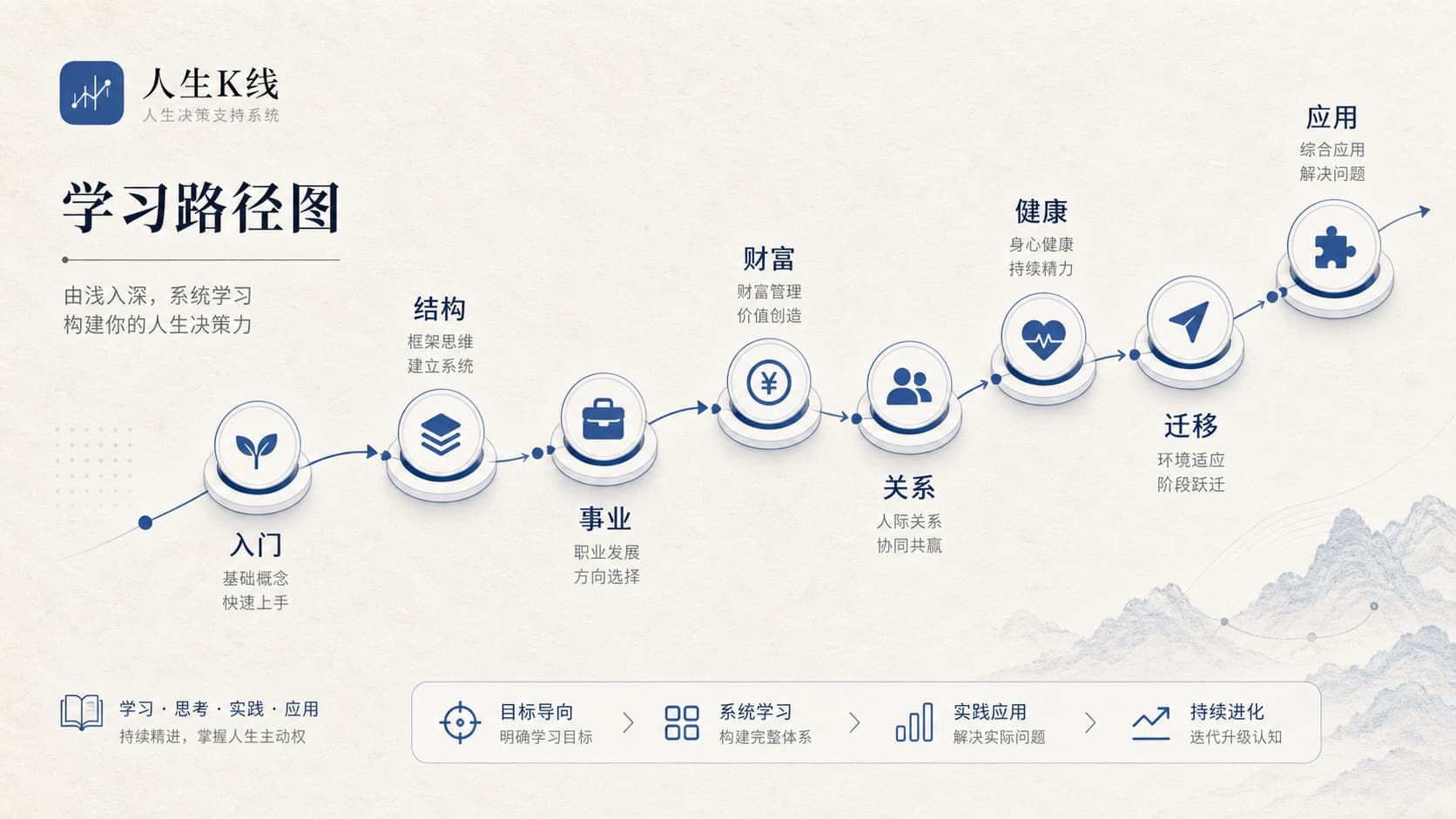
学习路径:专题可读:把抽象判断拆成可看见的结构关系。
Practical Configuration and Interpretation
In Liu Yao divination, the application of Zhen for Thunder revolves around the Self-Line (Shi Yao), Response-Line (Ying Yao), Useful God (Yong Shen), and generation/overcoming relationships. The Self-Line represents the querent, the Response-Line represents the external environment, and the Useful God is the specific matter to be predicted. If the Useful God in the Zhen hexagram receives support, it predicts smooth development; if it is harmed, obstacles may be encountered. Additionally, the attribute of the Zhen hexagram itself needs to be comprehensively analyzed in combination with changes in other line positions to determine the final auspicious or inauspicious trend. Plum Blossom Numerology determines auspiciousness and misfortune based on the generation/overcoming relationship between the Body Trigram (Ti Gua) and the Use Trigram (Yong Gua), emphasizing dynamic balance. When Zhen for Thunder appears, one needs to observe the relationship between the Body Trigram and the Use Trigram. If the Body Trigram receives generation, the effort will be multiplied; if the Body Trigram is overcome, one needs to act cautiously. The vibrational characteristic of the Zhen hexagram is often used in Plum Blossom Numerology to analyze the impact of sudden events, such as weather changes or market fluctuations. Through the generation/overcoming of Body and Use, the direction and result of an event can be predicted with relatively high accuracy. In practical application, the configuration scenarios of Zhen for Thunder often appear in situations requiring quick decision-making or coping with sudden circumstances. For example, when a company faces a sudden market change, it can refer to the stimulating effect of the Zhen hexagram to formulate a response strategy. Individuals who have experienced major changes can also adjust their mindset through the attitude of fear and self-reflection to better adapt to the new environment. When interpreting a hexagram, the metaphysician needs to flexibly adjust the interpretation angle according to the specific configuration and avoid generalization.
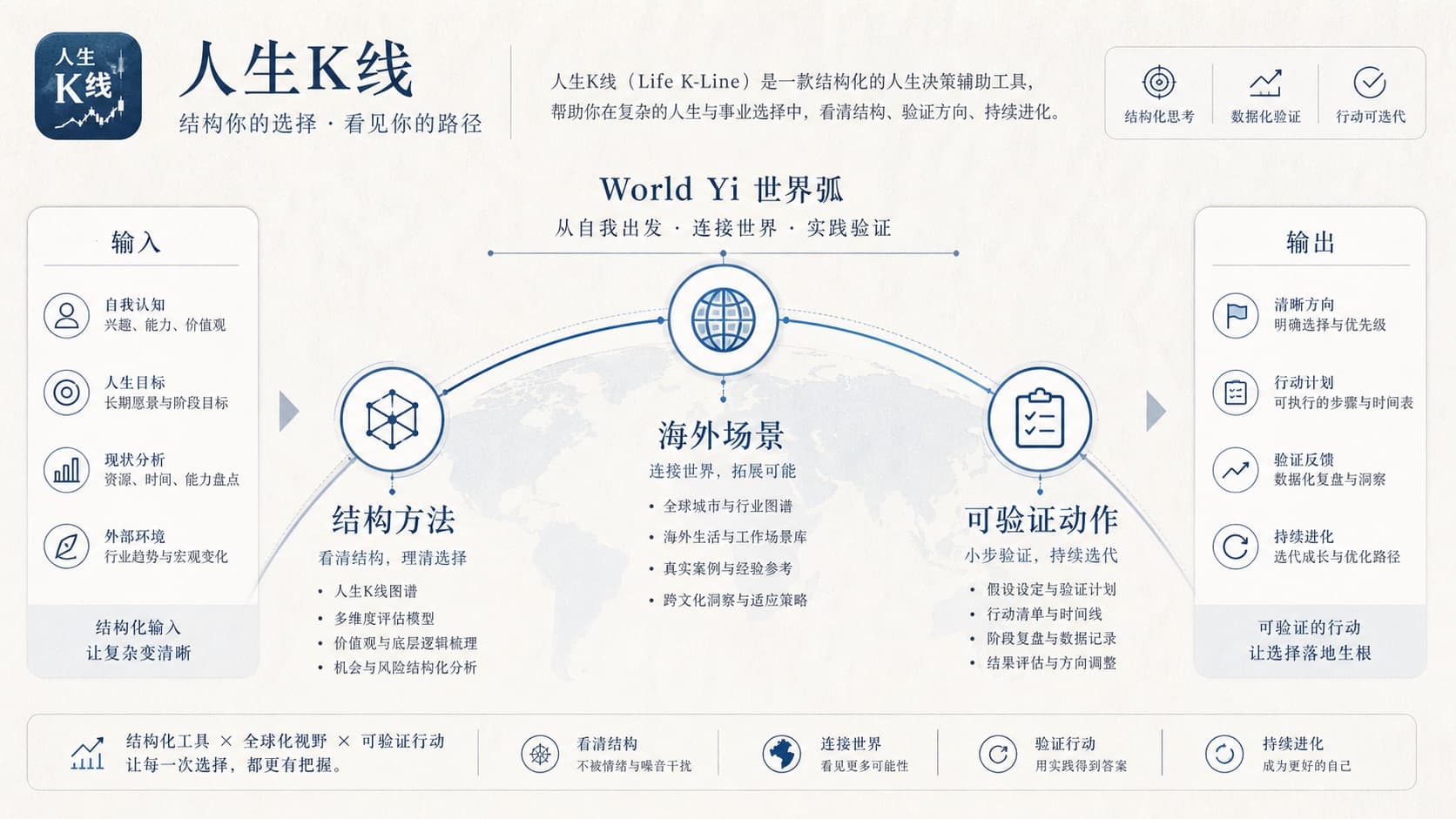
世界易:全球场景应用:把抽象判断拆成可看见的结构关系。
Common Misconceptions
A common misconception is to mistakenly interpret Zhen for Thunder solely as an inauspicious hexagram. In fact, the vibrational power of the Zhen hexagram includes both destructive and stimulating/generative potential. Focusing only on the fright brought by its vibration while ignoring its positive meaning may lead to errors in judging the situation. The key to correctly understanding Zhen for Thunder lies in grasping its dual attributes: being vigilant about risks while making good use of its stimulating power. Another misconception is over-reliance on the hexagram while ignoring real-world factors. Although Zhen for Thunder provides important reference, in practical application, it still needs to be analyzed in combination with specific circumstances. For example, in Liu Yao divination, while the relationship between Self and Response and the generation/overcoming of the Useful God are important, one cannot detach from real conditions such as time and place. The essence of metaphysical prediction is to assist decision-making, not to replace real-world action.
FAQ
Question: What does the Zhen for Thunder hexagram represent in divination? Answer: The Zhen for Thunder hexagram represents shock, stimulation, and action, while also advising fear and self-reflection, and warning against panic. In Liu Yao divination, it takes the Self-Line, Response-Line, Useful God, and generation/overcoming as core judgment bases; in Plum Blossom Numerology, it determines auspiciousness and misfortune through the generation/overcoming of Body and Use. Question: How to correctly understand the fear and self-reflection of Zhen for Thunder? Answer: Fear and self-reflection refers to maintaining a sense of awe when facing sudden changes, adjusting the mindset through reflection and self-examination, and avoiding making wrong decisions due to panic. This is a positive coping strategy that helps resolve crises and turn danger into safety.
本文含 4 张图解(封面/结构/时位/行动或风险)。图解用于建立判断框架,不构成宿命结论; 个人决策请结合测算报告与工具验证。