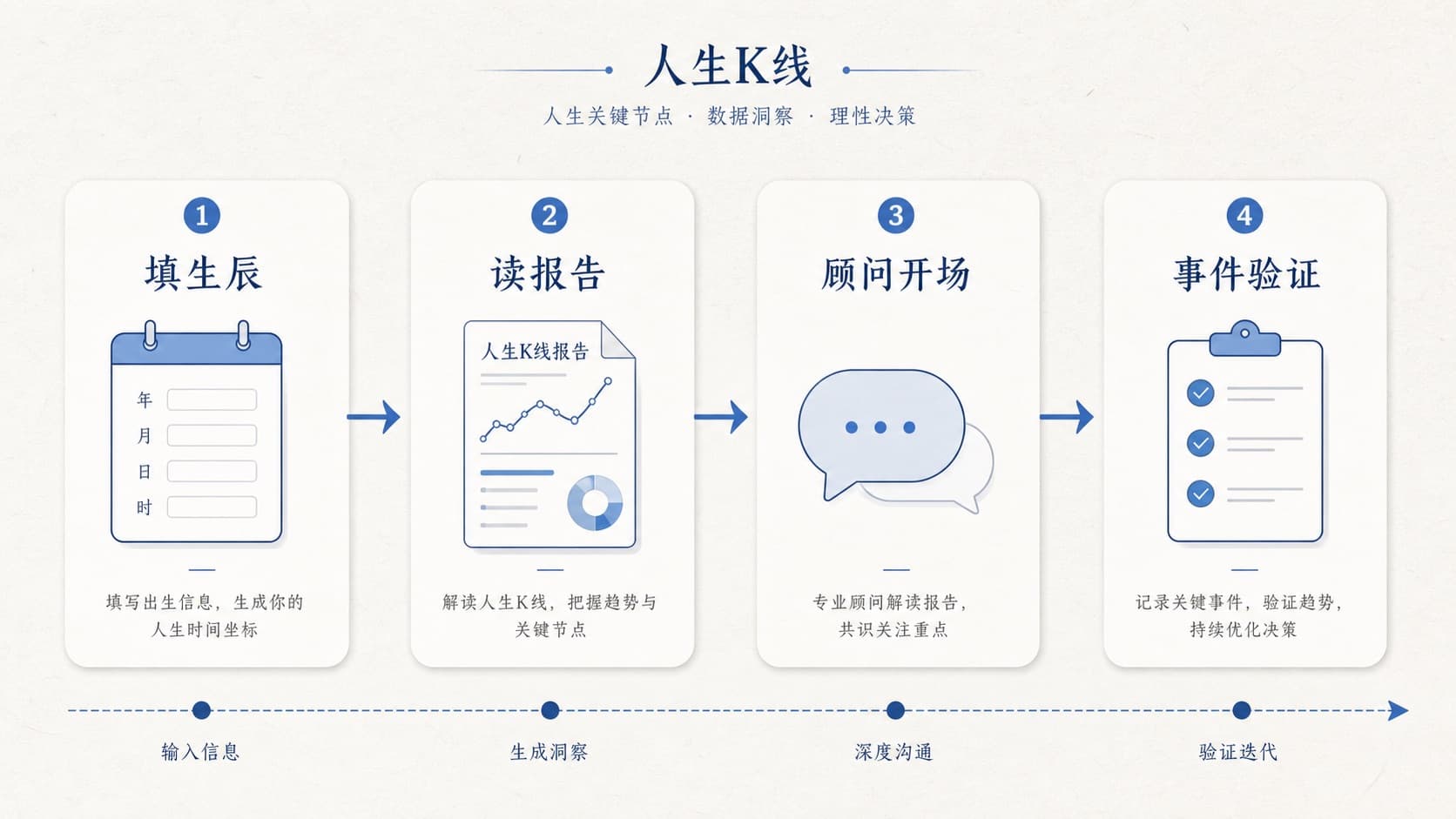
从生辰到可执行判断:把抽象判断拆成可看见的结构关系。
Concept Definition
Hexagram Yu belongs to the system of sixty-four hexagrams. Its structure is formed by the superposition of two trigrams, specifically with the Zhen trigram (震卦) in the upper position and the Kun trigram (坤卦) in the lower position. Each hexagram consists of six line positions, counting from the initial line at the bottom up to the uppermost line. This structure endows Hexagram Yu with unique symbolic meanings of time and space. Kun represents the earth, symbolizing compliance and bearing, while Zhen represents thunder, symbolizing rising and action. The combination of the two forms a basic pattern of appropriate balance between movement and stillness. From a literal perspective, the name of the hexagram directly points to the core imagery: the sound of thunder emerging from the earth, causing the earth to become vigorous. This scene of interaction between heaven and earth is endowed with profound philosophical connotations, abstracting natural phenomena into metaphors for human life situations. Within the grand architecture of the metaphysical system, it represents not just a combination of symbols, but a specific state of energy, namely the vigorous vitality arising from within and the harmonious cooperation with the external environment. In ancient Chinese, Yu implies both peace and joy, as well as notification and preparation. As a hexagram name, it suggests that this state is built upon the foundation of inner happiness and outer smoothness. It is different from pure stillness, nor is it different from violent turbulence; rather, it is a subtle balance of seeking development within stability and maintaining composure while in action. Understanding this concept requires grasping the internal connection between its structure and meaning.
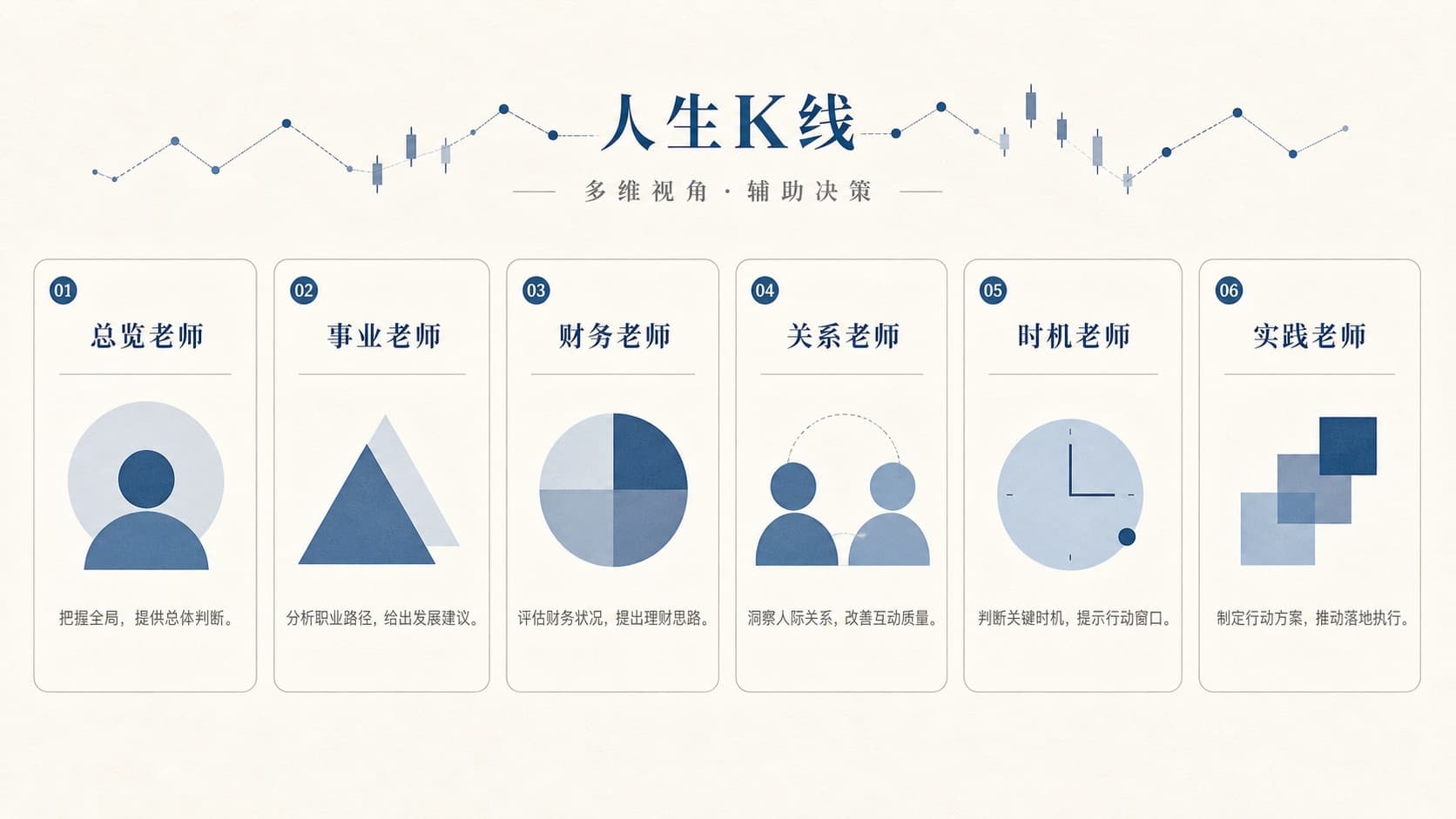
一位老师专一事:把抽象判断拆成可看见的结构关系。
Traditional Metaphysical Significance
The core of the hexagram meaning lies in the combination of Kun below and Zhen above, symbolizing thunder emerging from the earth and stirring it up, thereby triggering a situation of joy and compliance. This natural phenomenon is extended to refer to peace and joy in human affairs, predicting that the development of things has entered a smooth period. At this time, all things grow, and people feel happy; it is an energy field of a positive attitude. Traditional metaphysics believes that being in such a hexagram often means opportunities appear, resistance to action decreases, and goals can be achieved smoothly. However, traditional metaphysics does not blindly推崇 (endorse) peace and joy; instead, it emphasizes the dynamic balance behind joy and compliance. Although thunder emerging from the earth brings excitement, if it loses restraint, this excitement may transform into restlessness. Therefore, the deep logic implied in the hexagram meaning is that while enjoying favorable conditions, one must keep the mind clear and have a keen perception of external changes. This dialectical view of favorable conditions reflects the unique wisdom of the mean in Chinese metaphysical culture. From a broader cultural origin, Hexagram Yu is often regarded as an important reference for self-cultivation. It reminds people not to indulge in pleasure in favorable conditions, but to transform joy into the motivation for advancement. This thought runs through ancient classics' discussions on the success or failure of human affairs, believing that true peace is not a flat stability without waves, but maintaining a calm state of mind and making decisive actions amidst fluctuations. This is also the reason why this hexagram remains new and relevant over time.
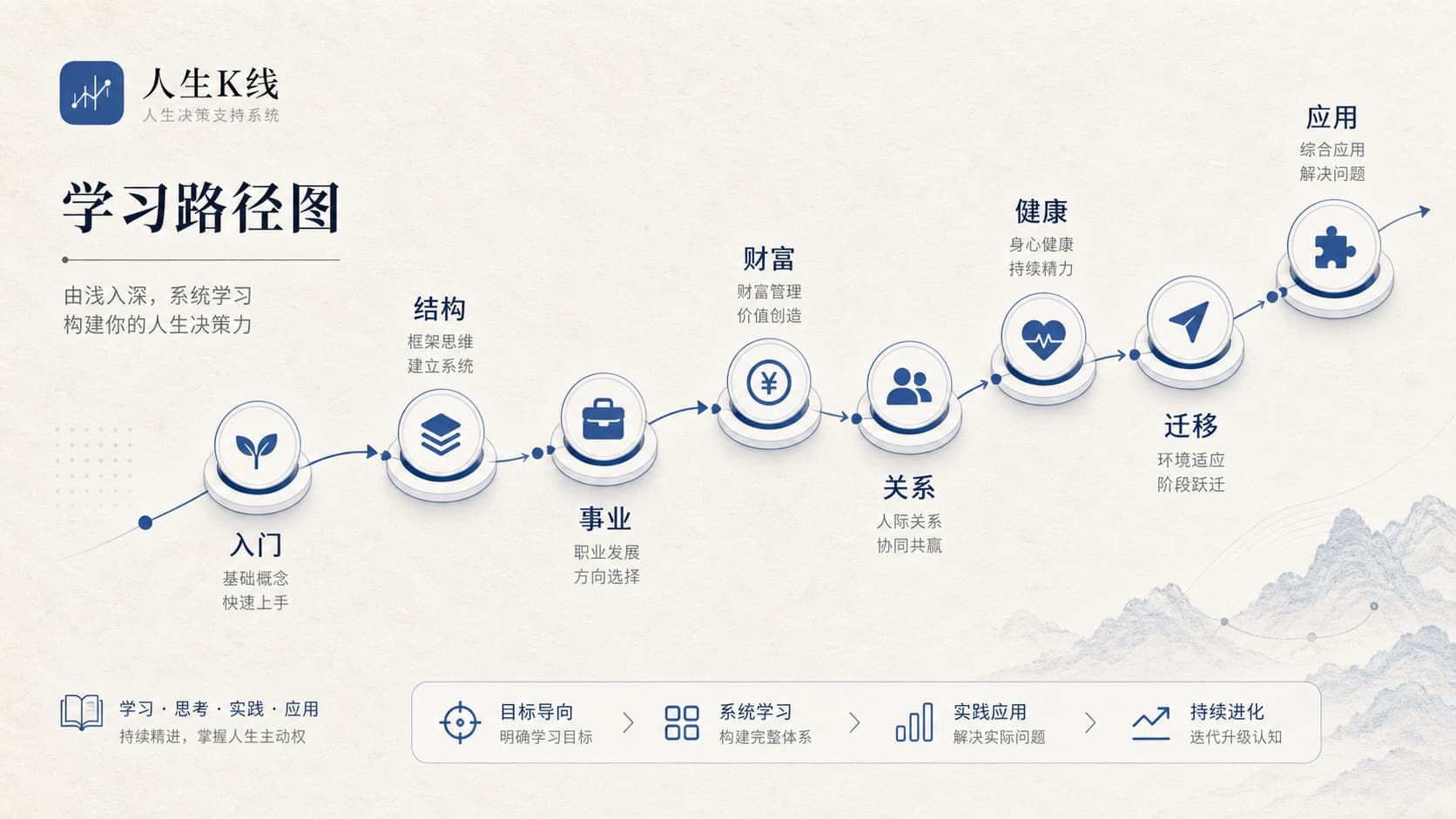
学习路径:专题可读:把抽象判断拆成可看见的结构关系。
Practical Configuration and Judgment
In the practical application of Liu Yao method, the interpretation of Hexagram Yu mainly relies on the Sheng (Self), Ying (Response), Yong Shen (Favorable Spirit), and the Five Elements generating and controlling relationships. First, one must determine that the Sheng line represents the querent themselves, and the Ying line represents the external environment or others. If the Yong Shen is generated and prosperous, combined with the smooth meaning of the hexagram, it predicts a smooth matter and a happy mood. However, if the Sheng line is restricted or the Ying line clashes and controls, even though the hexagram name is Yu, there may be a situation where things appear smooth on the surface but there are underlying currents, requiring a comprehensive judgment combined with specific line position changes. Plum Blossom Numerology focuses on determining auspiciousness and inauspiciousness based on the generating and controlling relationship between the Body (Ti) and Use (Yong). In Hexagram Yu, the upper trigram Zhen is the Body, and the lower trigram Kun is the Use, or vice versa, depending on the method of casting the hexagram. If the Body generates the Use, it shows active giving that yields joy, but one must be vigilant against giving too much; if the Use generates the Body, it symbolizes that the external environment actively brings peace, favoring waiting for the right timing. The generating and controlling relationship between the Body and Use directly determines the direction of auspiciousness and inauspiciousness, which is the key to Plum Blossom Numerology in judging this hexagram. Regardless of the school of thought, the core of judgment lies in grasping the principle of favoring moderation and avoiding excessive joy that leads to loss of alertness. In actual consultation, if asking about career, it mostly indicates promotion or the smooth progress of projects, but one needs to guard against ignoring details due to excessive confidence; if asking about emotions, it mostly indicates harmony and融洽 (smooth relations), but one must avoid sinking into comfort and losing the motivation for communication. Through detailed analysis of generating and controlling relationships combined with the hexagram meaning, precise suggestions can be given to help the querent make correct decisions in favorable conditions.
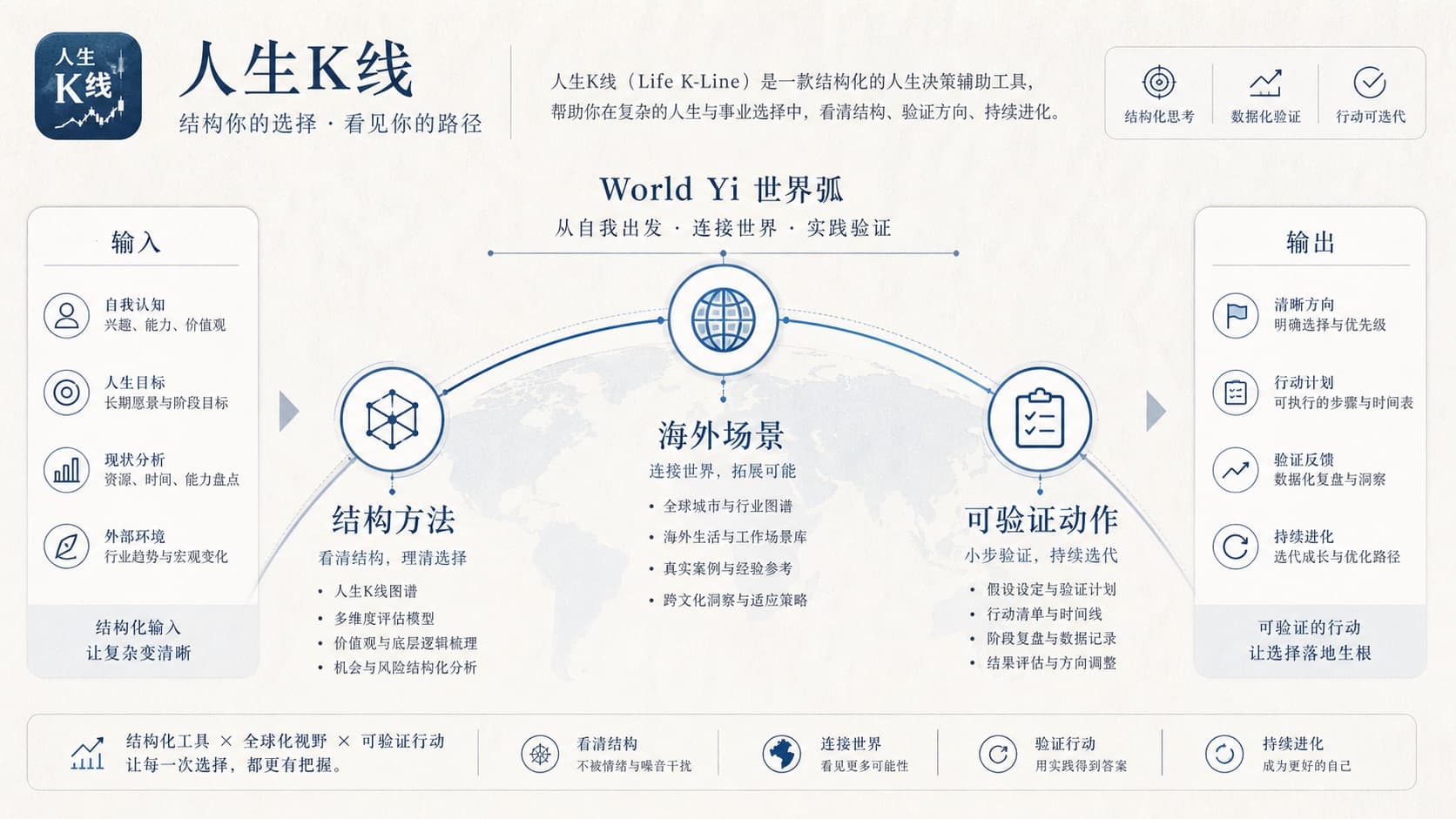
世界易:全球场景应用:把抽象判断拆成可看见的结构关系。
Common Misconceptions
A common misconception is equating Hexagram Yu simply with everything going well or having no worries. Many beginners, seeing the character Yu in the hexagram name, believe that whatever they ask for will certainly succeed easily, ignoring the warning in the hexagram meaning about restraint and alertness. In fact, this hexagram emphasizes maintaining clarity in favorable conditions; if one only sees the peace and joy while ignoring potential crises, it may lead to judgment errors. This one-sided understanding of the hexagram meaning will mislead the application of divination results. Another misconception is fragmenting the integrity of the hexagram image during application. Some people, when analyzing, pay excessive attention to a specific changing line while ignoring the overall trend conveyed by the structure of Zhen above and Kun below, which is thunder emerging from the earth. The symbolic meaning of Hexagram Yu is systematic; changes in local line images must be examined against the background of the overall hexagram meaning. Discussing the local without the whole often leads to misjudgment of the hexagram situation and fails to accurately capture the core essence of favoring moderation. Furthermore, some people confuse the distinction between Hexagram Yu and other hexagram images. Although Yu mainly indicates peace and joy, its foundation lies in the bearing of Kun earth and the excitation of Zhen thunder, unlike the extreme states of certain purely Yang or purely Yin hexagrams. If the generating and controlling logic of Hexagram Yu is applied to other hexagrams, or if one incorrectly believes that all favorable conditions are suitable for the judgment method of Hexagram Yu, deviations will occur. Only by deeply understanding its unique structural characteristics can one accurately and without error apply it in practice.
FAQ
Q: Under what circumstances is Hexagram Yu most suitable for divination? A: This hexagram is most suitable for divination when a career is in an upward phase, interpersonal relationships are harmonious, or one is in a happy mood. At this time, acting with the flow often yields good results, helping to clarify the next direction for advancement or consolidate existing achievements. Q: If Hexagram Yu is cast but the result is not ideal, what might be the reason? A: Although the hexagram meaning indicates peace and joy, if the Sheng line is controlled or the Yong Shen is in a state of rest or poverty, it may mean that behind the surface glory lies hidden dangers. One must be extra careful about the paralyzing psychology brought by excessive optimism, check details in time, avoid losing alertness due to excessive joy, and thus resolve potential crises. Q: How to quickly judge the auspiciousness and inauspiciousness of Hexagram Yu in Plum Blossom Numerology? A: Mainly look at the generating and controlling relationship between the Body trigram and the Use trigram. If the Body trigram is prosperous and not controlled, it usually indicates auspiciousness and smoothness; if the Body trigram is in a state of rest or poverty, or is controlled by the Use trigram, it warns that one needs to be careful and cautious in favorable conditions, not to act blindly, to prevent the tragedy of being too happy.
本文含 4 张图解(封面/结构/时位/行动或风险)。图解用于建立判断框架,不构成宿命结论; 个人决策请结合测算报告与工具验证。