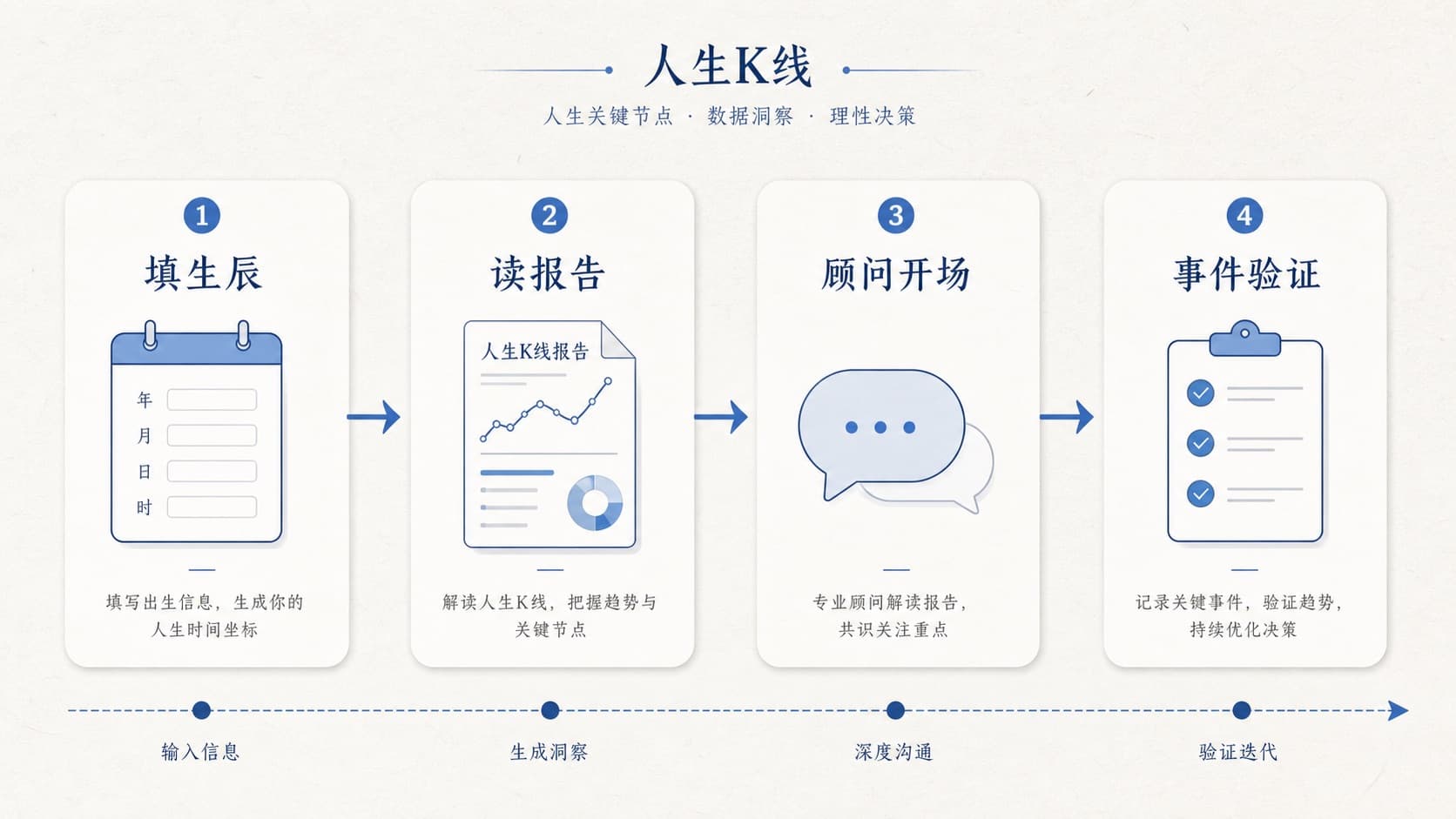
从生辰到可执行判断:把抽象判断拆成可看见的结构关系。
Concept Definition
Gen Wei Shan is the Gen trigram within the Eight Trigrams, ranking as the 28th hexagram in the 64-hexagram system, named Gen Wei Shan. Its structure consists of two Gen trigrams stacked, one below the other, with each hexagram containing six line positions from the initial line to the upper line. In the Pre-heaven Eight Trigrams, Gen represents the Mountain, while in the Post-heaven Eight Trigrams, it represents the Northeast direction, symbolizing stopping, stillness, obstruction, and steadiness. From a textual structure perspective, Gen Wei Shan means taking the mountain as an image, with two mountains connected, heavy and stable. Mountains stand firm and unmoving, hence representing stopping and quietness, making it the only hexagram in the 64 that is entirely composed of stillness imagery. This structure reflects the characteristics of towering high mountains standing firm in nature, extended to the steadiness and introspective thinking humans should possess when facing external changes. Within the Yi Xue system, the Gen hexagram is not merely a symbol but also a code of conduct. It teaches people in a complex world to know when to stop action and reflect on the present. This stillness is not negative stagnation, but rather an accumulation of power waiting for a better opportunity. Therefore, the core spirit of Gen Wei Shan lies in grasping the timing of 'stopping', achieving the state of balance between movement and stillness.
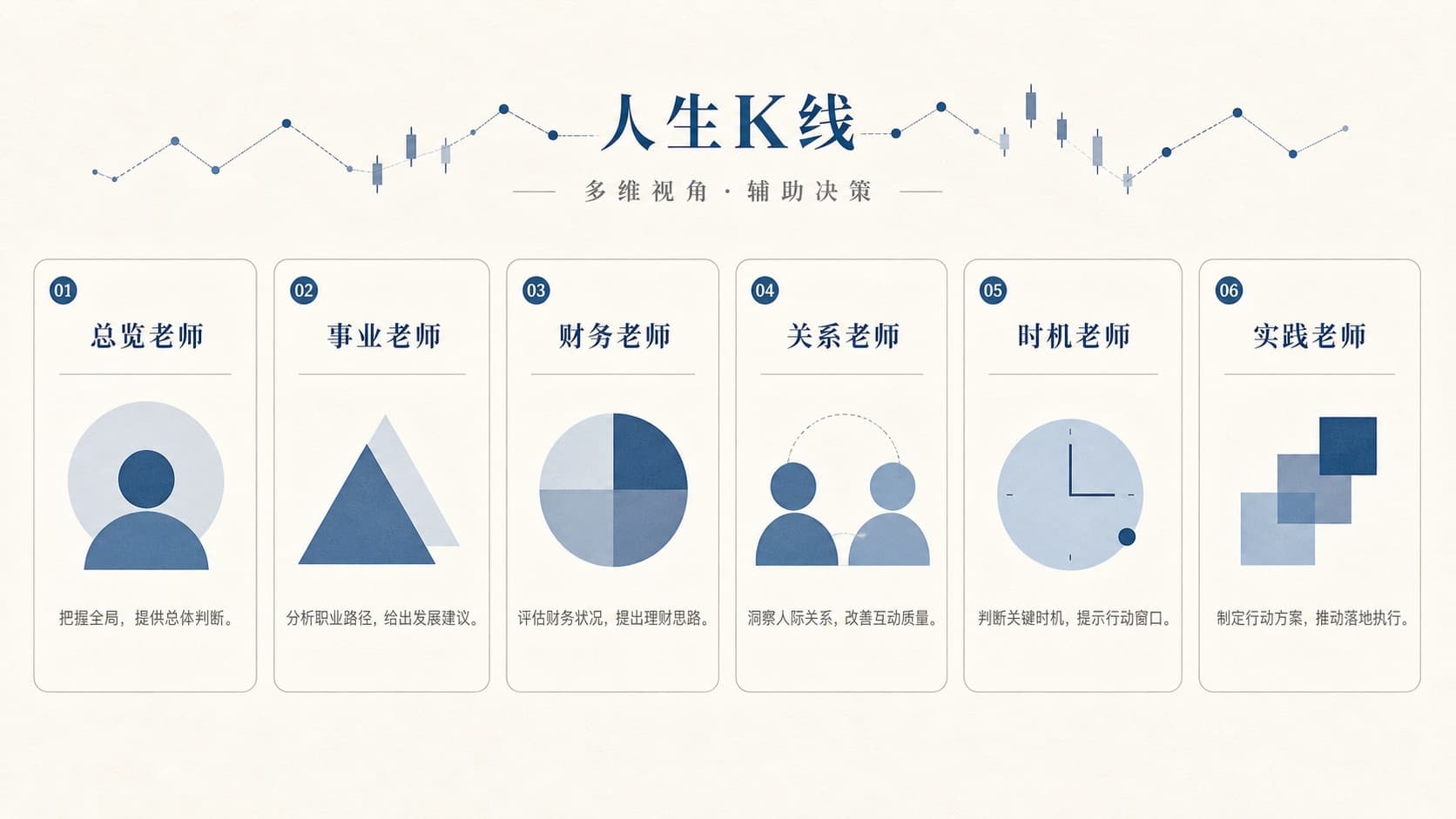
一位老师专一事:把抽象判断拆成可看见的结构关系。
Traditional Metaphysical Significance
The hexagram meaning of Gen Wei Shan emphasizes 'stopping, quietness, and contemplation'. When a person is under the fortune of the Gen hexagram, it means the external environment tends towards stability, or the individual needs to pause their steps for deep thought. At this time, it is suitable to stop when it should be stopped, meaning to remain firm on things that should be stopped, avoiding risks brought by blind advancement. This stillness is strategic, preparing for a subsequent explosion. However, the Gen hexagram also explicitly points out 'avoiding rigidity'. If one becomes too attached to stillness, interpreting stopping as absolute immobility, one will fall into a rigid predicament, losing the possibility of development. Although mountains do not move, if the mountain body collapses or rocks weather, all previous efforts are lost. Therefore, metaphysically, the emphasis is on dynamic balance; stillness is for better action, not escape or closing off. In the interpretation of life circumstances, Gen Wei Shan often appears when one needs to hold principles, accumulate energy, or handle internal affairs. It prompts the native or querent that active attack is not suitable at this time, while maintaining a defensive posture is advisable. Whether in career planning or emotional relationships, a steady strategy should be adopted, avoiding rash decisions. This wisdom runs through the dialectical view of life fluctuations in traditional metaphysics.
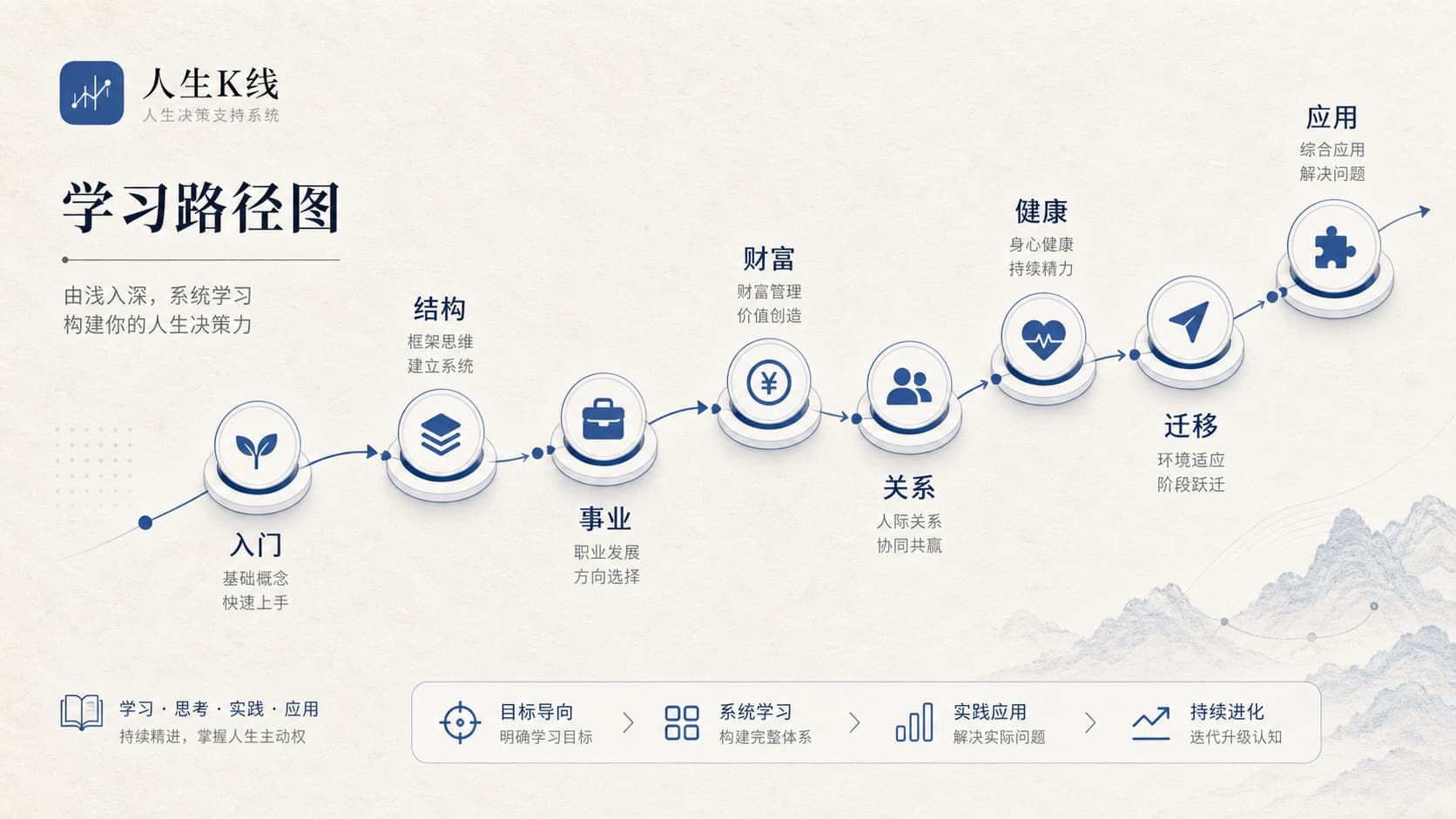
学习路径:专题可读:把抽象判断拆成可看见的结构关系。
Practical Configuration and Interpretation
In Liu Yao method, the configuration of Gen Wei Shan hexagram takes the world line (Shi), response line (Ying), useful deity (Yong Shen), and generation/overcoming relationships as the core for judgment. If the world line or useful deity is in position and prosperous, combined with the heavy nature of Gen earth, it indicates that at this time one should defend rather than attack, needing to solidify the foundation. If the useful deity is overcome or lacks support, it suggests stopping current plans to prevent losses from expanding. If the Shi-Ying relationship shows overcoming, one must be vigilant about internal conflicts and observe changes quietly. Mei Hua Yi Shu determines auspiciousness and inauspiciousness based on the generation/overcoming relationship between the body and use. In the Gen Wei Shan hexagram, if the original hexagram is Gen, the Gen earth is usually taken as the body. If the changing line generates the body, it is auspicious, favorable for action after thinking; if the body overcomes the use, it may be labor without success, requiring knowledge of advance and retreat; if the use overcomes the body, it is inauspicious, and action must be stopped to prevent disasters. Through the generation/overcoming of body and use, one can accurately judge which fields to advance in and which to retreat from, thus formulating correct strategies. In practical application, the Gen Wei Shan hexagram is often used for decision consultation. When facing a major decision, if this hexagram is obtained, it is suggested to postpone action and conduct deep analysis. For business investment, it means not expanding scale, but optimizing existing resources. For health issues, it suggests quiet rest and regulation, avoiding overexertion. This configuration and interpretation method transform abstract hexagram images into specific action guides, helping people make wise choices at critical moments.
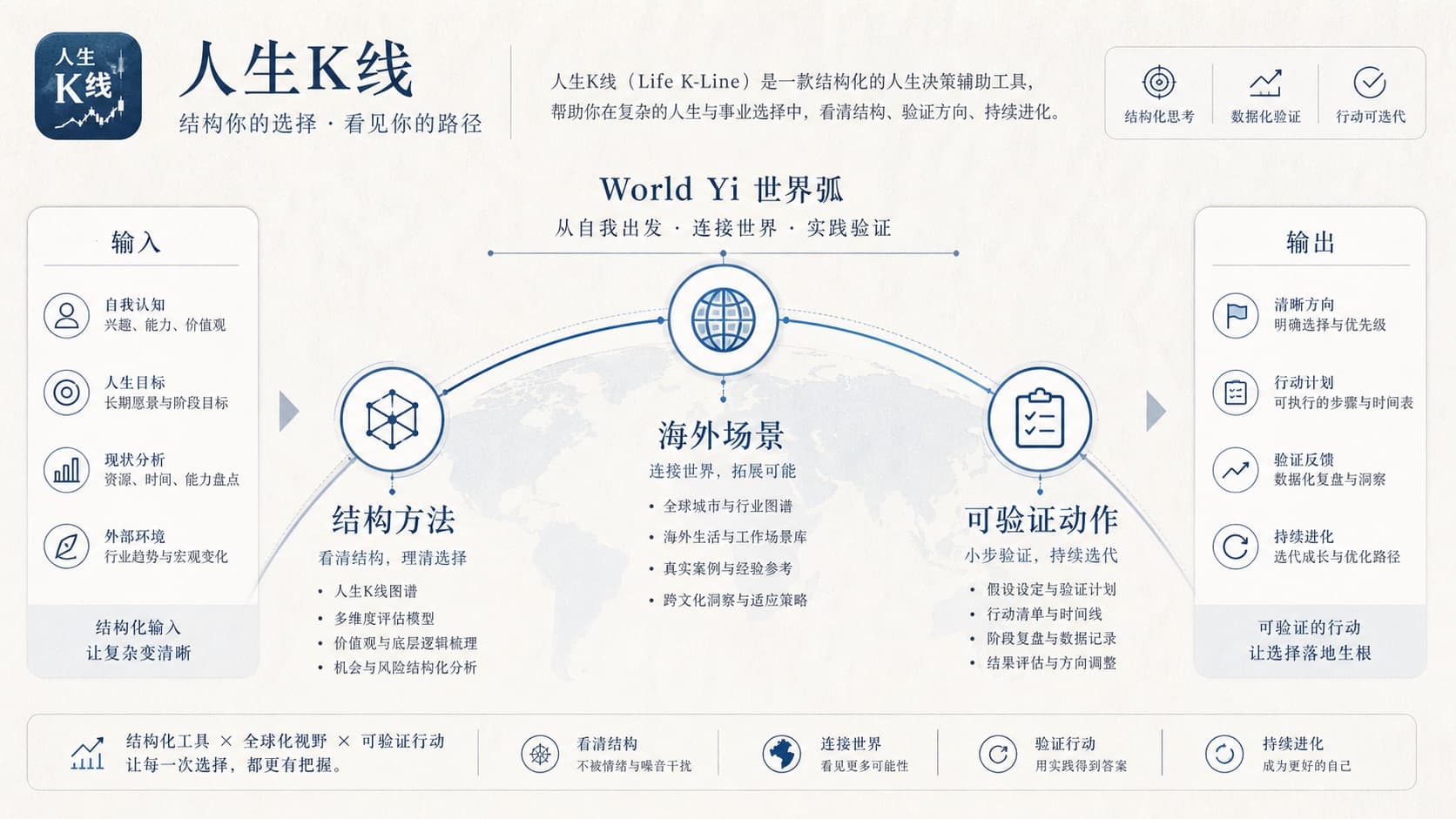
世界易:全球场景应用:把抽象判断拆成可看见的结构关系。
Common Misconceptions
One common misconception is interpreting the Gen hexagram as completely negative stagnation. Many people, seeing 'mountain' and 'stop', believe nothing can be done, which is a misreading. The stopping of Gen hexagram is conditional; it is 'stop when it should be stopped', meaning stopping only at times when stopping is appropriate, rather than stopping at any time. The correct understanding is knowing when to move and when to stop; combining movement and stillness is the superior strategy. Another misconception is ignoring the important hint of 'avoiding rigidity'. Some people, after obtaining the Gen hexagram, mechanically execute the stillness strategy, leading to missed opportunities. Although mountains are still, if lacking vitality, they will eventually decay. Metaphysics emphasizes flexibility; stillness is for a better departure. Therefore, when applying the wisdom of Gen hexagram, one must maintain an open mindset, always ready to adjust strategies according to changing circumstances, and not stubbornly adhere to dogma.
FAQ
Question: Does the Gen Wei Shan hexagram mean all things cannot be done? Answer: No. The Gen Wei Shan hexagram emphasizes stopping when it should be stopped, such as when encountering risks or needing deep thought. When the timing is mature or accumulation is needed, action can still be taken, with the key being grasping the 'scale' of stopping, avoiding rigid immobility. Question: What is the difference between Liu Yao method and Mei Hua Yi Shu in judging the Gen Wei Shan hexagram? Answer: Liu Yao method focuses on the world line, response line, five elements generation/overcoming relationships, combined with specific line position analysis of auspiciousness and inauspiciousness; Mei Hua Yi Shu determines auspiciousness and inauspiciousness through the generation/overcoming relationship between body and use, focusing more on the overall pattern balance of body and use. Both have their own focuses, but both revolve around the dialectical relationship between 'stopping' and 'moving'.
本文含 4 张图解(封面/结构/时位/行动或风险)。图解用于建立判断框架,不构成宿命结论; 个人决策请结合测算报告与工具验证。