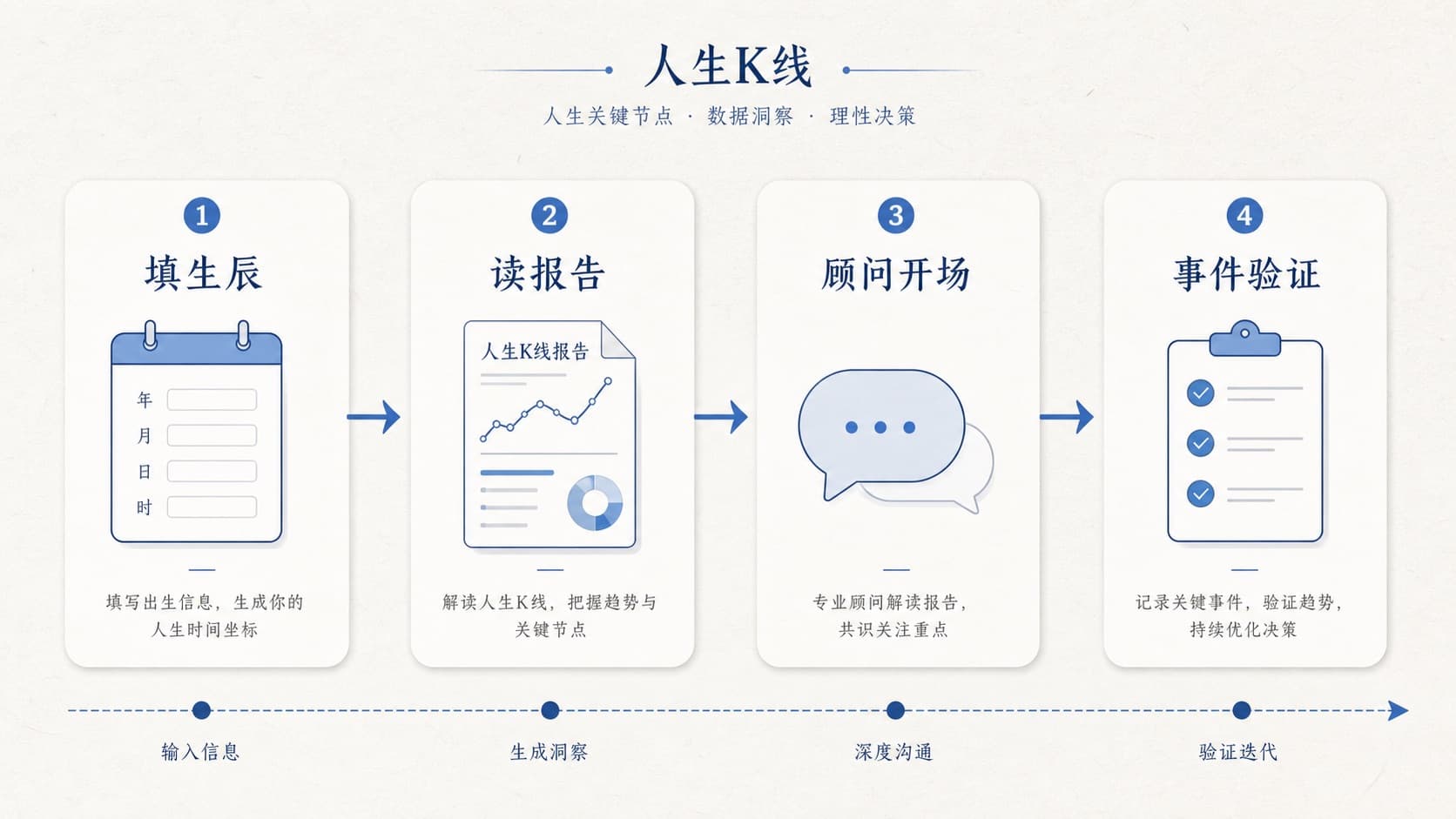
从生辰到可执行判断:把抽象判断拆成可看见的结构关系。
Concept Definition
Zehuo Ge is the 30th hexagram among the 64 hexagrams, structured by the Li trigram below and the Dui trigram above. Li represents Fire, and Dui represents Lake; Fire is beneath Water, steam rises, Fire nature ascends, and the upper and lower pressures force each other, hence the meaning of change. Each hexagram consists of eight basic trigrams stacked in pairs, totaling six lines, from the initial line to the upper line, forming the basic unit of constructing the hexagram image. 'Ge' means to change; this hexagram name directly points to the process of removing old objects and establishing new systems. Within the 64-hexagram system, Ge represents a cycle from stability to turbulence and then to rebirth. It not only refers to social-level regime changes but also applies to major turns in personal fate, meaning one must break old patterns to welcome new vitality. From a physical phenomenon perspective, Water beneath Fire creates steam rising; this is a natural process of steaming and change. This structure implies that internal driving forces and external pressures interact, forcing things to change. Therefore, in metaphysics, Zehuo Ge is defined as a hexagram suitable for major changes and warning against conservatism, ideal for handling situations requiring a thorough cleanup of old issues.
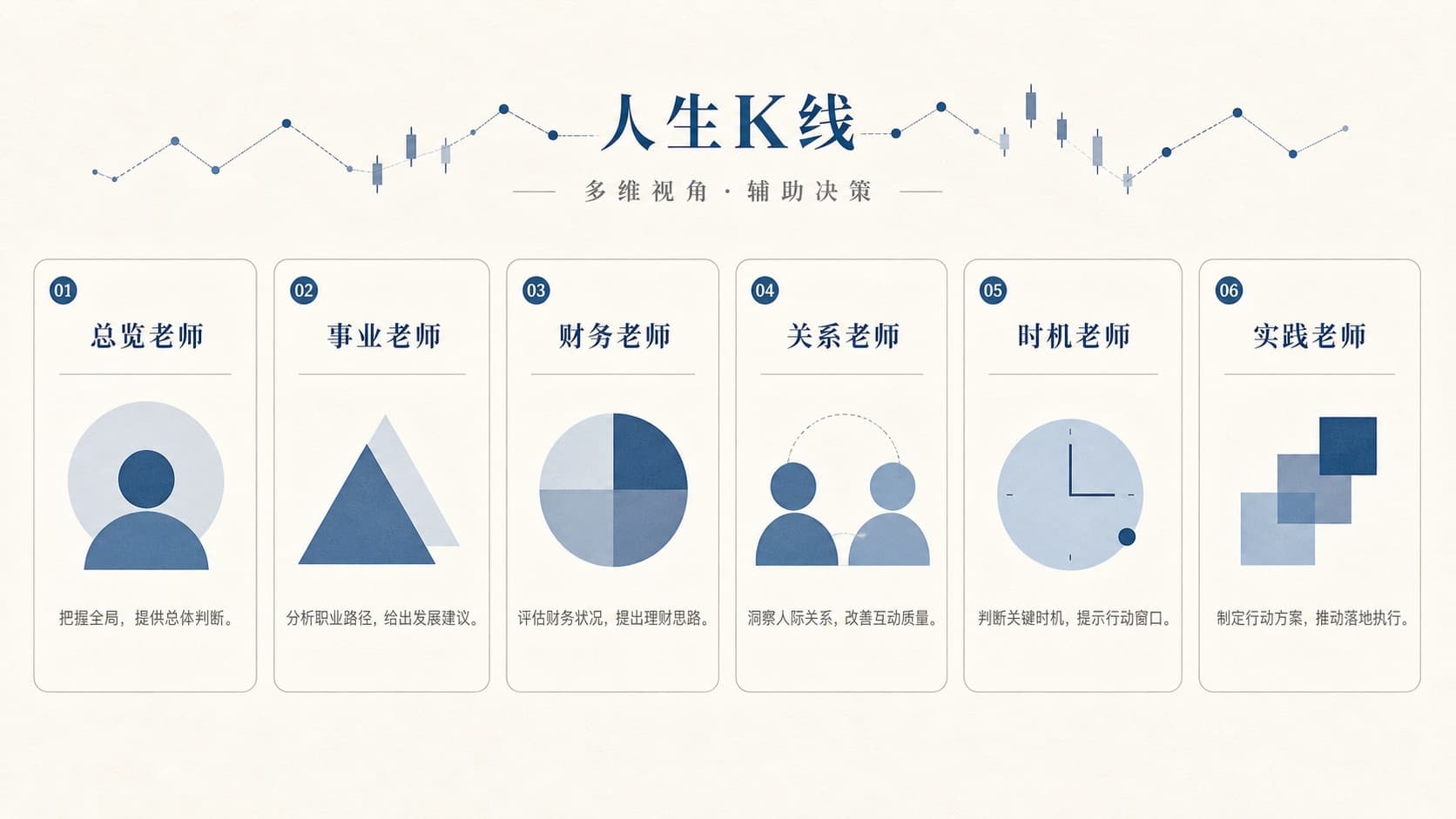
一位老师专一事:把抽象判断拆成可看见的结构关系。
Traditional Metaphysical Significance
In traditional culture, Zehuo Ge is often used to explain historical processes of regime changes. Li Fire represents light and civilization, while Dui Lake represents joy and loss; Water controlling Fire symbolizes the collapse of old systems. This Five Elements generation and control relationship forms the mechanical basis for change, indicating that change often accompanies pain and sacrifice but is also the necessary path to establishing a new order. The hexagram meaning explicitly states 'Ge' means to change, remove the old, establish the new. The Ding is an ancient vessel for cooking food and also a symbol of state power; 'remove the old, establish the new' means replacing the old vessel with a new one. This symbolizes the shift of power or institutional innovation, emphasizing thoroughness; any half-hearted attempt cannot achieve the auspicious result predicted by the hexagram. This hexagram governs major changes, meaning the process of quantitative change causing qualitative change is complete, entering a period of intense turbulence. In metaphysical judgments, if one obtains this hexagram, it often indicates that the inquirer is at a crossroads in life, where old foundations are already shaken, and one must make a decisive change. Conservatism not only fails to maintain the status quo but may also trigger greater crises; only by following the trend of change can one turn danger into safety.
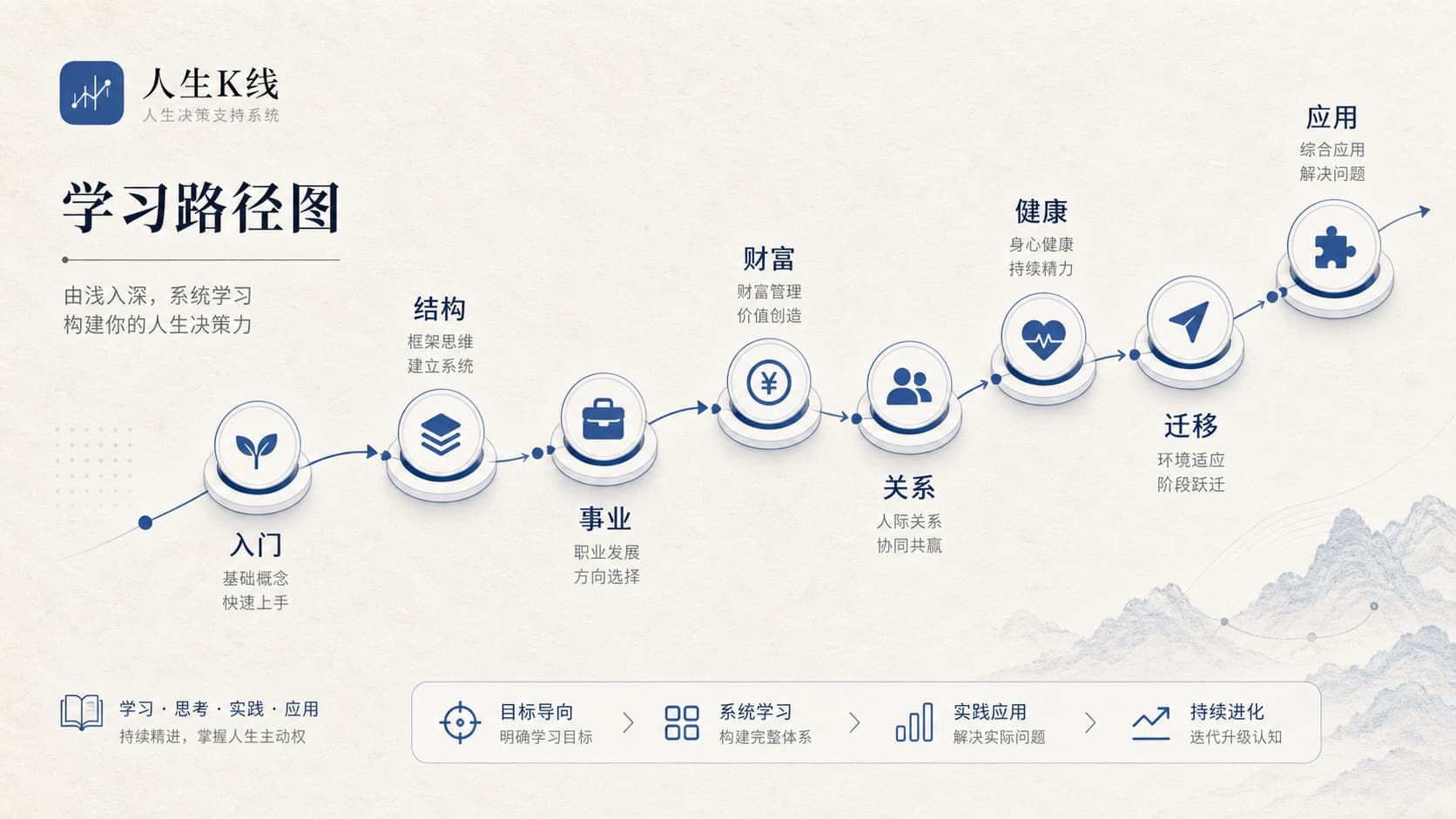
学习路径:专题可读:把抽象判断拆成可看见的结构关系。
Practical Configuration and Interpretation
In Liu Yao divination, the core to judging the auspiciousness or inauspiciousness of Zehuo Ge lies in the Self Line (Shi), Responding Line (Ying), Useful God (Yong Shen), and generation/control relationships. The Self Line represents the inquirer, and the Useful God represents the matter being questioned; if the Useful God supports the Self Line and is prosperous, the change will be smooth and 'remove the old, establish the new' is likely to succeed. Conversely, if the Useful God is restricted or controls the Self Line, the change process will be difficult, possibly encountering resistance or failure. Plum Blossom Divination determines auspiciousness or inauspiciousness based on the generation/control relationship between Body and Use; this method is more intuitive. In Zehuo Ge, Dui Lake is the Body and Li Fire is the Use; since Water controls Fire, it is 'Use controls Body,' indicating intense change. If asking about career, it often implies the need to start over; if asking about relationships, it may face a situation of unpredictable separation and reunion. One must combine with moving lines to see if there is a mediating god resolving the conflict between Water and Fire. In practice, if this hexagram appears, it is advised to take decisive action and not hesitate. The hexagram image indicates suitability for major changes; minor repairs cannot solve problems; one must reform fundamentally. In investment or business fields, if the old model can no longer adapt to the market environment, this is precisely the critical node for decisive transformation. Following the hexagram meaning to make sweeping reforms often brings new life.
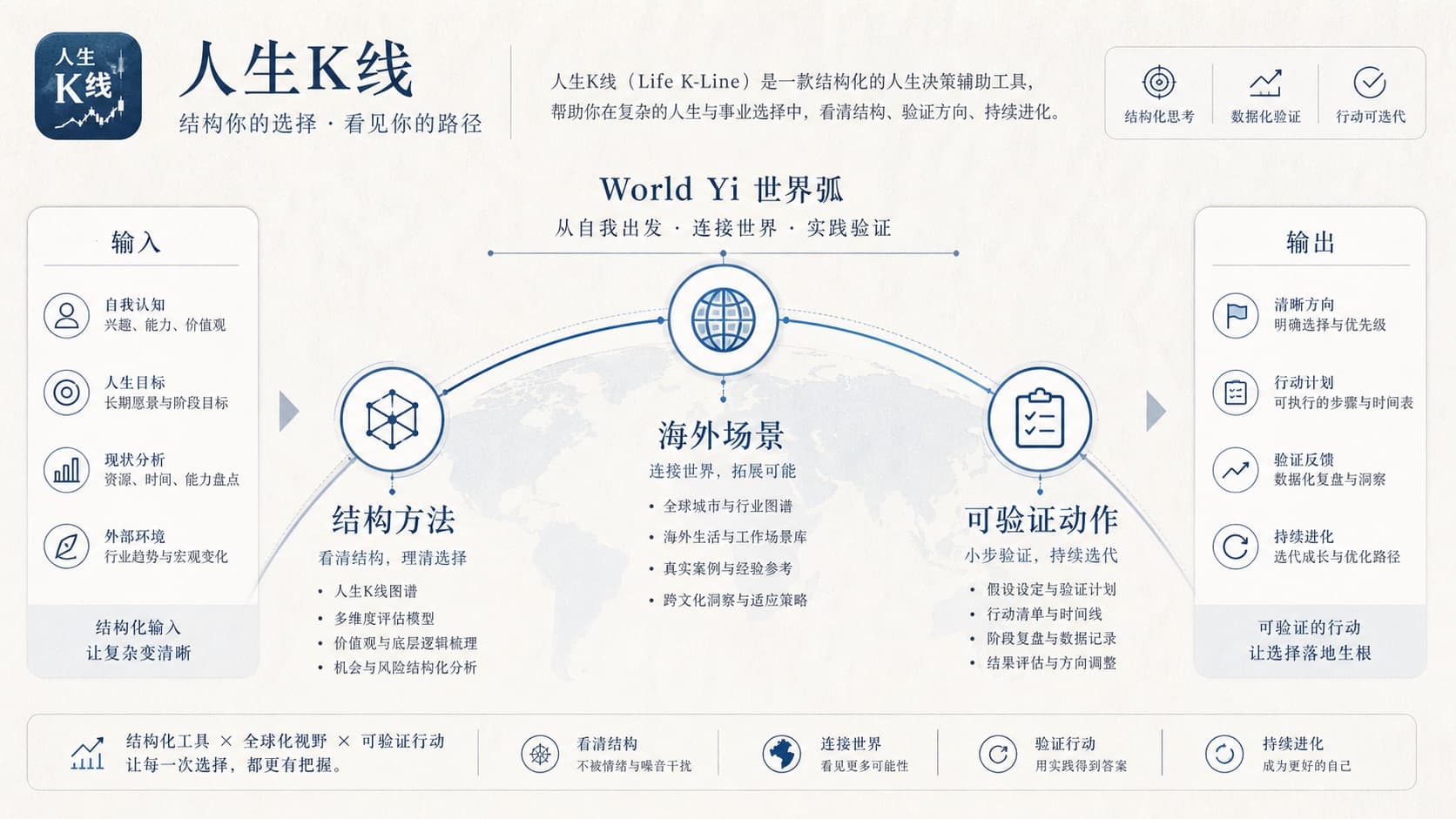
世界易:全球场景应用:把抽象判断拆成可看见的结构关系。
Common Misconceptions
Misinterpreting Zehuo Ge as purely disaster or destruction. In fact, the core of Ge lies in 'establishing the new'; the endpoint of change is establishing a new order. Many diviners see Water controlling Fire and judge it as inauspicious, ignoring the necessity of 'removing the old' and the inevitability of 'establishing the new.' Without breaking the old system, the new system cannot be established; therefore, one must view the conflict dialectically. Misbelieving that conservatism can yield auspicious results in Ge. The hexagram meaning explicitly governs major changes and warns against conservatism; if one persists in maintaining the status quo at this time, it will only accelerate collapse. Some diviners try to cope through minor adjustments, only to find that the root problem remains unsolved, leading to worsening situations. One must recognize the situation clearly, understanding that only thorough change can conform to the metaphysical trend shown by the hexagram.
FAQ
Q: When Zehuo Ge appears, does it mean one must immediately make a major change? A: Yes, the hexagram meaning governs major changes and warns against conservatism; if one still clings to an invalid old system, it will inevitably trigger greater crises; only decisive change aligns with the hexagram intent. Q: How to judge the success or failure of Zehuo Ge in Liu Yao? A: One must take the Self-Responding relationship, Useful God, and generation/control as the core for judgment. If the Useful God supports the Self Line and is prosperous, the change will be smooth; if the Useful God is restricted, the process will be difficult; one must see if moving lines show signs of mediation and resolution.
本文含 4 张图解(封面/结构/时位/行动或风险)。图解用于建立判断框架,不构成宿命结论; 个人决策请结合测算报告与工具验证。