Xun of Wind Hexagram: The Wisdom of Flexibility and Penetration
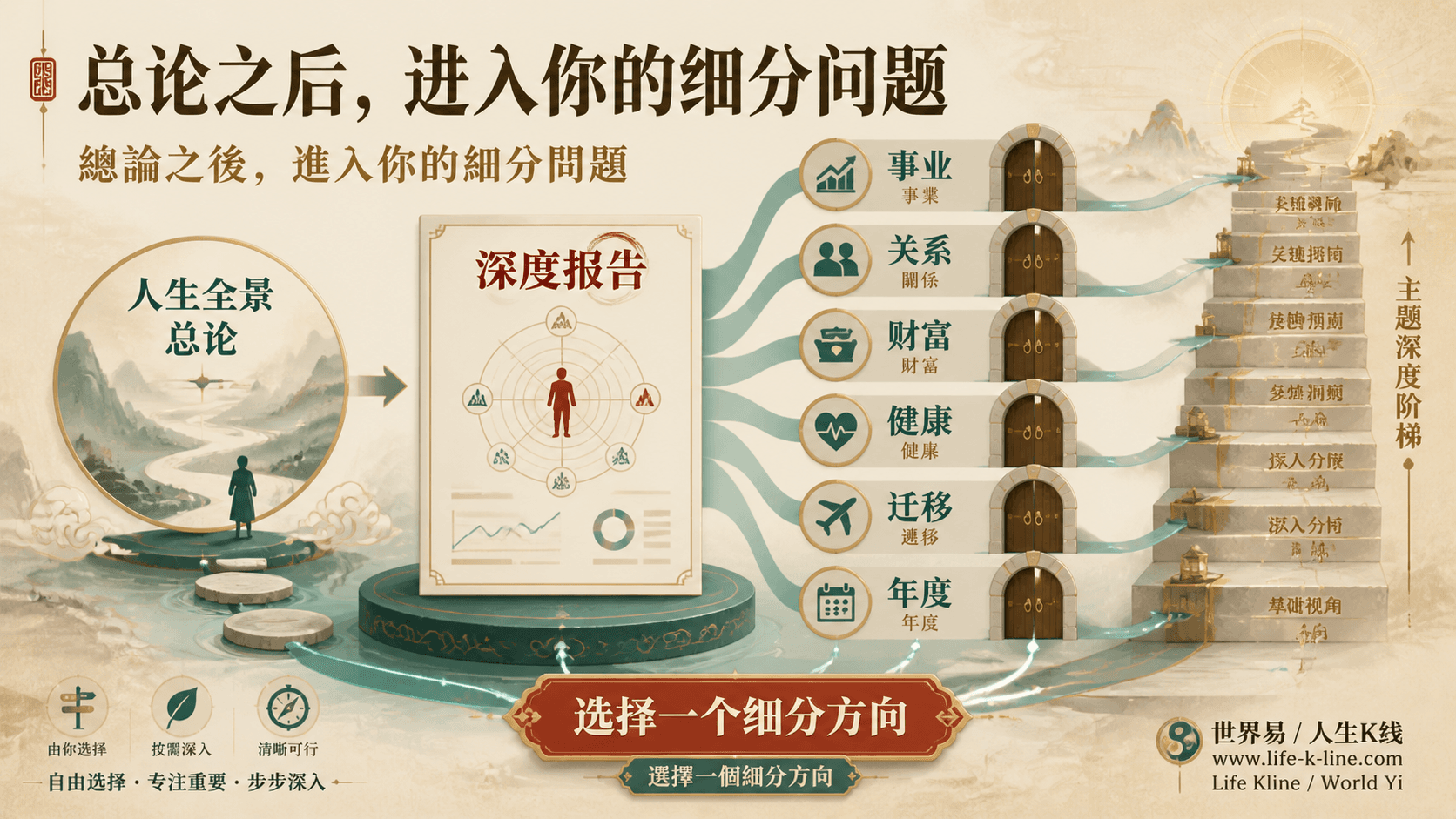
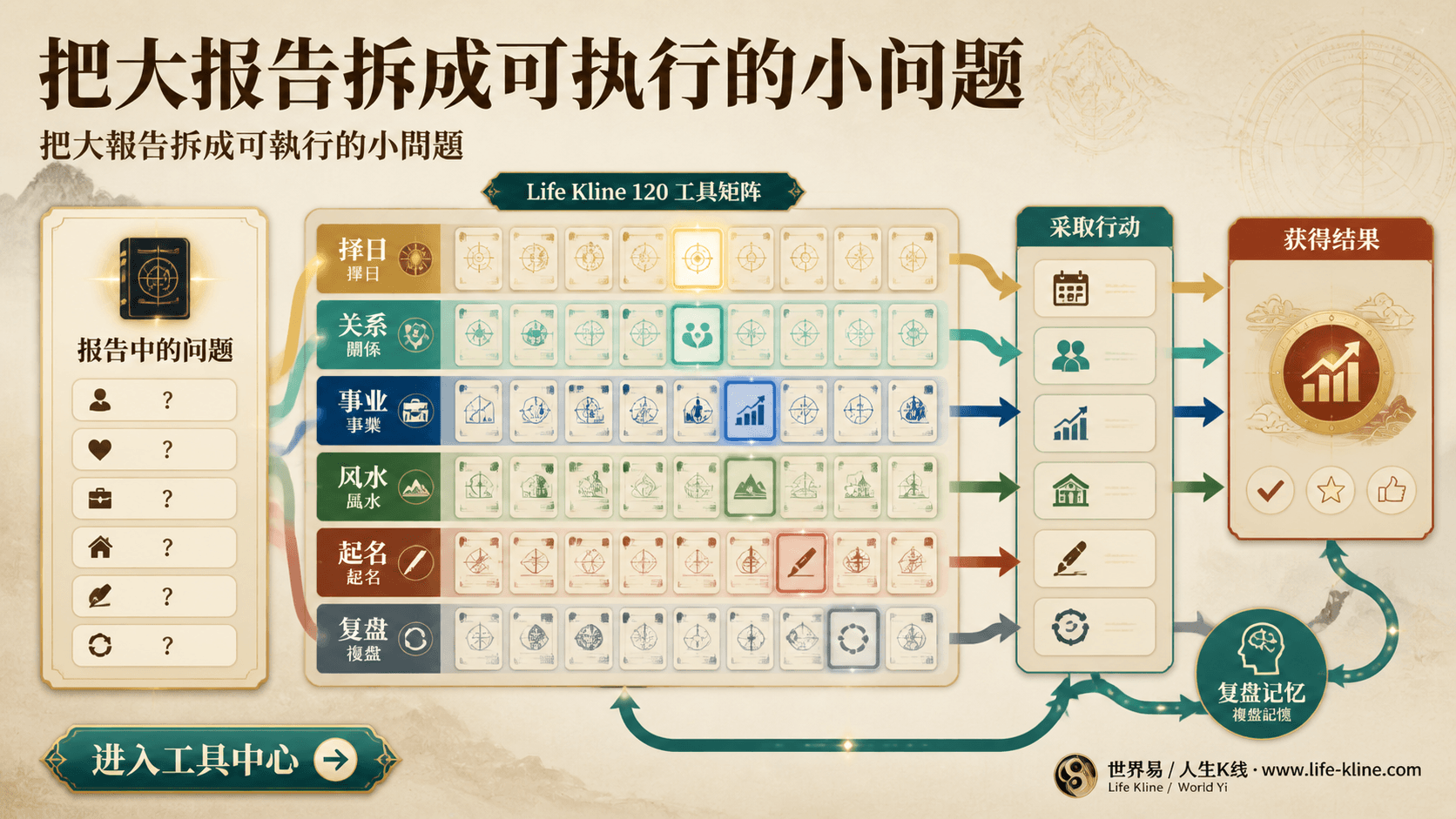
把这篇文章落到自己身上验证:先看结构,再进入个人分析,不做泛泛阅读。
Concept Definition
The Xun of Wind hexagram is composed of Xun below Xun above, forming a structure of double Xun following the wind. The Xun hexagram belongs to the Five Elements of Wood and symbolizes wind, with its nature being penetrating and compliant. When two Xun hexagrams are stacked, it means the characteristics of wind are amplified, like a continuous wind force that penetrates everything without gaps. This structure reflects the continuity and permeability of development, serving as a classic image for understanding compliance and adaptation.
In the arrangement of the 64 hexagrams, Xun of Wind is the 57th hexagram. Each hexagram consists of six lines, ordered from the bottom up as the Initial Line to the Upper Line. The overlap of two Xuns symbolizes wind blowing from all directions, reaching everywhere. This structure not only describes natural phenomena but also metaphorically suggests the flexibility and adaptability traits humans should possess in society, emphasizing the importance of maintaining flexibility and adaptability in a changing environment.
Traditional Metaphysical Significance
The core meaning of the Xun of Wind hexagram is compliance, penetration, and travel. Wind is formless yet powerful, able to penetrate all obstacles, symbolizing the permeability and adaptability that humans should possess. In business or strategy, the Xun hexagram advises people to move like the wind, following environmental changes to find breakthroughs rather than clashing head-on.
The hexagram meaning particularly emphasizes acting in accordance with the flow and warns against indecision. Although wind is compliant, excessive hesitation prevents success. In metaphysical applications, the Xun hexagram often points to fields requiring flexible response, such as transportation, circulation, and information dissemination. At the same time, Xun also represents women or the virtue of gentleness, but in decision-making, one must avoid indecision, otherwise opportunities will be missed.
Practical Configuration and Interpretation
In Liu Yao divination, the Xun of Wind hexagram takes Sheng/Ying, Yong Shen, and generation and control as its core for judgment. The Sheng line represents the querent themselves, while the Ying line represents the external environment or others. If the Sheng line is in its proper position and generates or combines with the Yong Shen, it indicates appropriate compliance and smooth affairs; if the Sheng line is controlled or the Ying line clashes and controls, it warns of environmental resistance. The selection of the Yong Shen must be combined with the matter being asked; for wealth, the Wife Wealth line is taken, and for career, the Official Ghost line is taken.
Plum Blossom Divination determines fortune and misfortune based on the generation and control relationship between Ti and Yong. In the Xun of Wind hexagram, the upper hexagram is Yong and the lower hexagram is Ti. If the Ti hexagram generates the Yong hexagram, it indicates active effort leading to results, beneficial for travel; if the Yong hexagram generates the Ti hexagram, it means external assistance is strong, and acting in accordance with the flow leads to success. If Ti and Yong clash, it suggests adjusting strategies to avoid forcing one's way. The hexagram image shows Xun of Wind, so the Ti/Yong relationship must be comprehensively judged in combination with specific line position changes.
Common Misunderstandings
A common misunderstanding is interpreting the Xun hexagram as completely passive. Although the Xun hexagram governs compliance, it does not mean passively waiting but rather actively adapting to environmental changes. If the Xun hexagram is simply viewed as obedience, it ignores its 'penetrating' aggressive trait. In practical application, one must distinguish the boundaries between 'compliance' and 'compromise'; the former is strategic adjustment, while the latter is losing principles.
Another misunderstanding is limiting the Xun hexagram to a fixed field. The applicability of the Xun of Wind hexagram is broad, covering travel, information, communication, and many other aspects. The focus of the Xun hexagram differs under different scenarios; for example, when asking about travel, emphasis is on通达 (smoothness/throughability), and when asking about interpersonal relationships, emphasis is on harmony. One cannot generalize; it must be interpreted flexibly in combination with specific questions and hexagram line changes to avoid rigid application.
FAQ
Q: What does the Xun of Wind hexagram represent in business? A: In business, the Xun of Wind hexagram represents circulation, channels, and penetration power, suitable for industries such as trade, logistics, or those requiring extensive connections. The hexagram meaning suggests expanding the market in accordance with the flow, warning against stubbornness, and requiring flexible responses to competitors.
Q: How should one respond if the Sheng line is controlled in the Xun hexagram? A: A controlled Sheng line indicates an unfavorable situation for oneself, requiring strategy adjustment to actively seek external assistance or cooperation. The characteristics of the Xun hexagram require compliance with changes; one may consider leveraging the power of others or changing direction to avoid losses caused by stubbornness. The hexagram meaning emphasizes acting in accordance with the flow, and timely adjustment is the key to resolving crises.
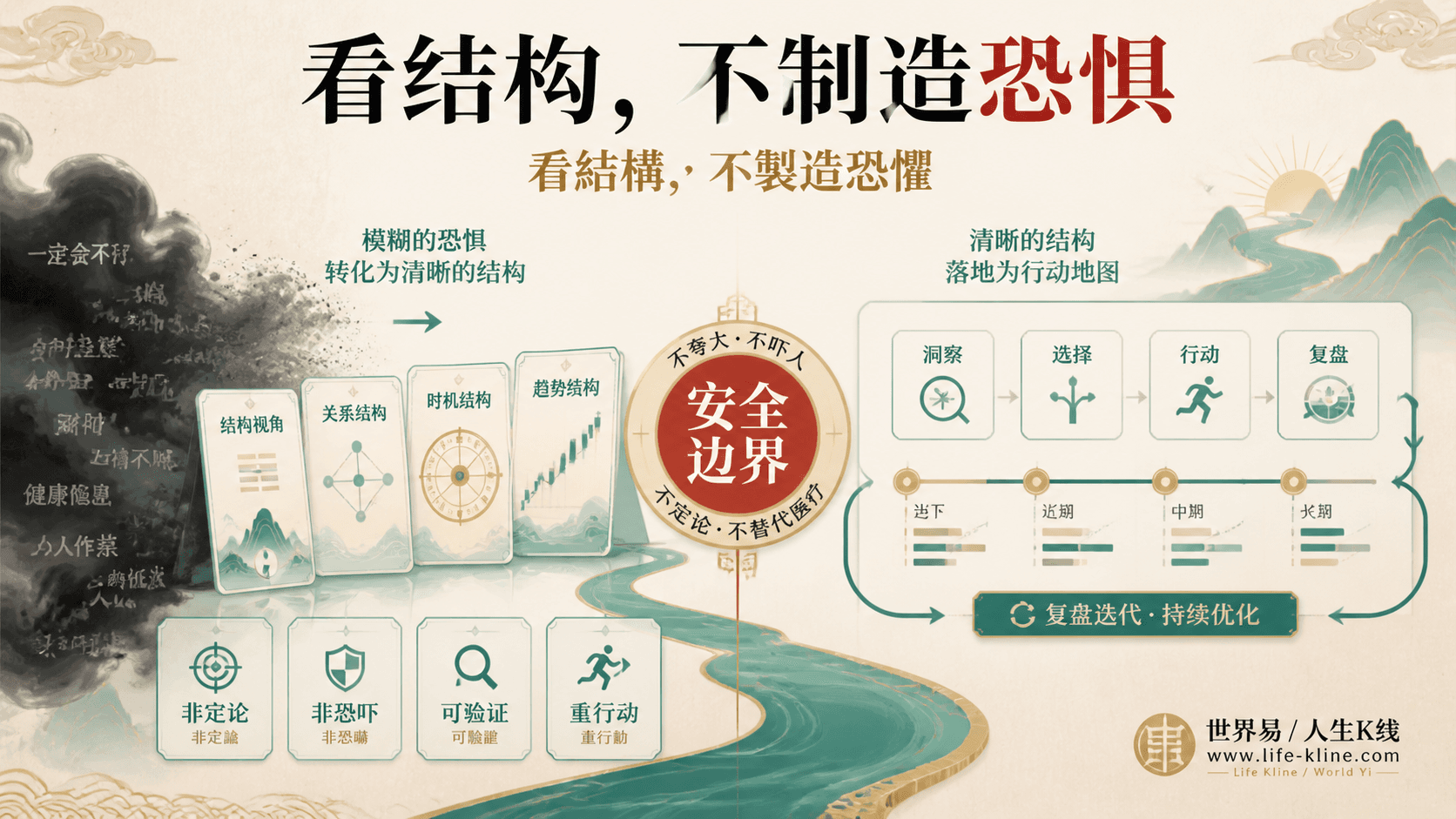
不是宿命论的判断边界
这张图把《Xun of Wind Hexagram: The Wisdom of Flexibility and Penetration》接回世界易的判断语言:结构、时位、环境、行动与复盘,避免只停留在概念阅读。
命理和易学内容必须有边界:它们可以提供文化解释和结构判断,但不能替代现实专业决策。