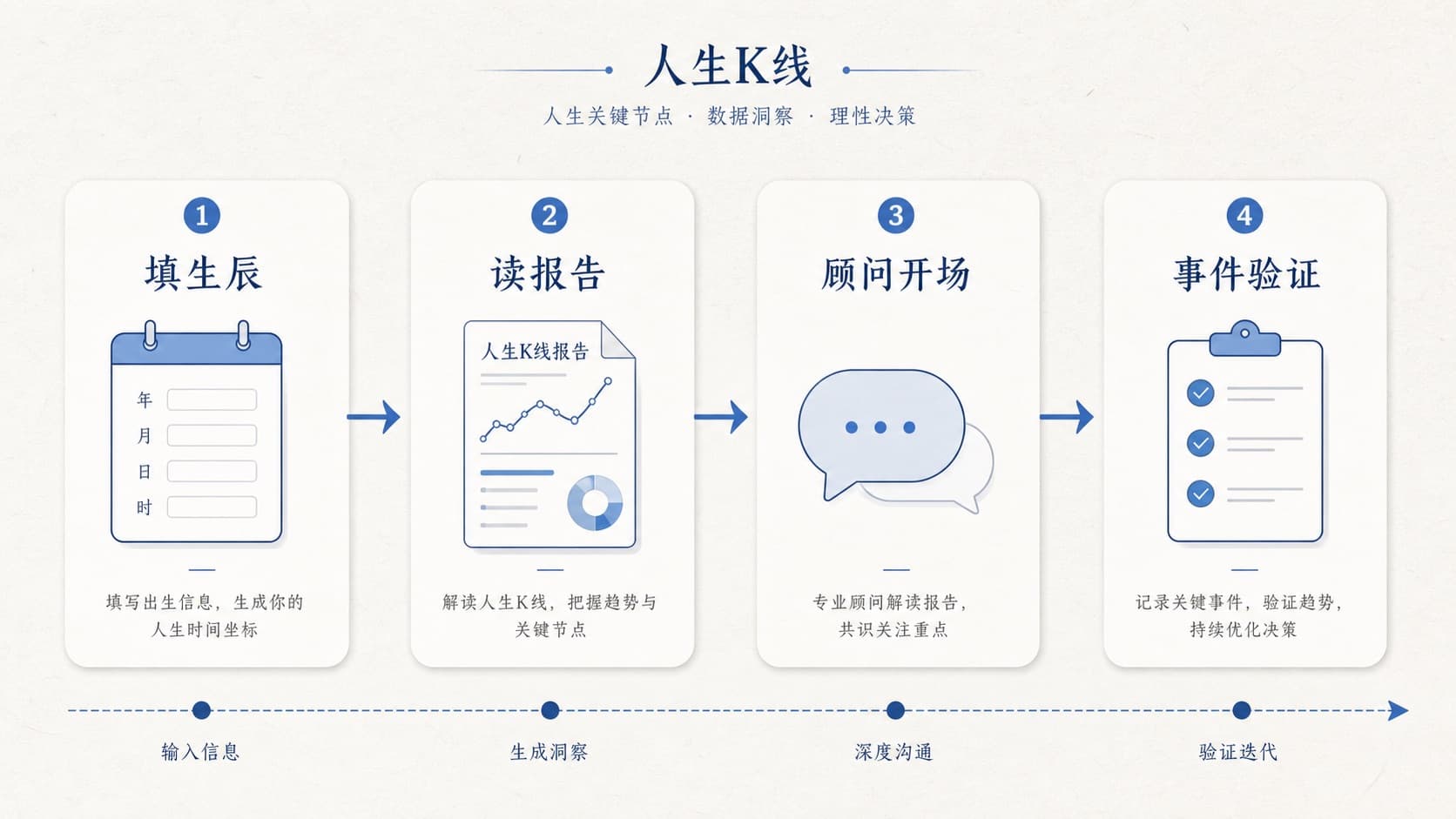
从生辰到可执行判断:把抽象判断拆成可看见的结构关系。
Concept Definition
The Mountain Wind Gu hexagram is formed by Xun Wind below and Gen Mountain above, being one of the hexagrams formed by stacking two basic hexagrams in the sixty-four hexagram system. Each hexagram contains six line positions, called from bottom to top as the initial line through the upper line. This hexagram structure presents a scene of wind moving beneath the mountain, symbolizing that internal accumulated faults have lasted a long time and require a rectification to be renewed. In the system of the sixty-four hexagrams, the uniqueness of the Gu hexagram lies in its direct pointing to the stage of decline and the need for repair of things. It is not simple stagnation, but rather a crisis state that must be faced and resolved. When things develop to a certain degree, loopholes or corruption begin to appear internally; if not intervened, it will ultimately lead to the collapse of the whole. Therefore, the appearance of the Gu hexagram often presages the necessity of change.
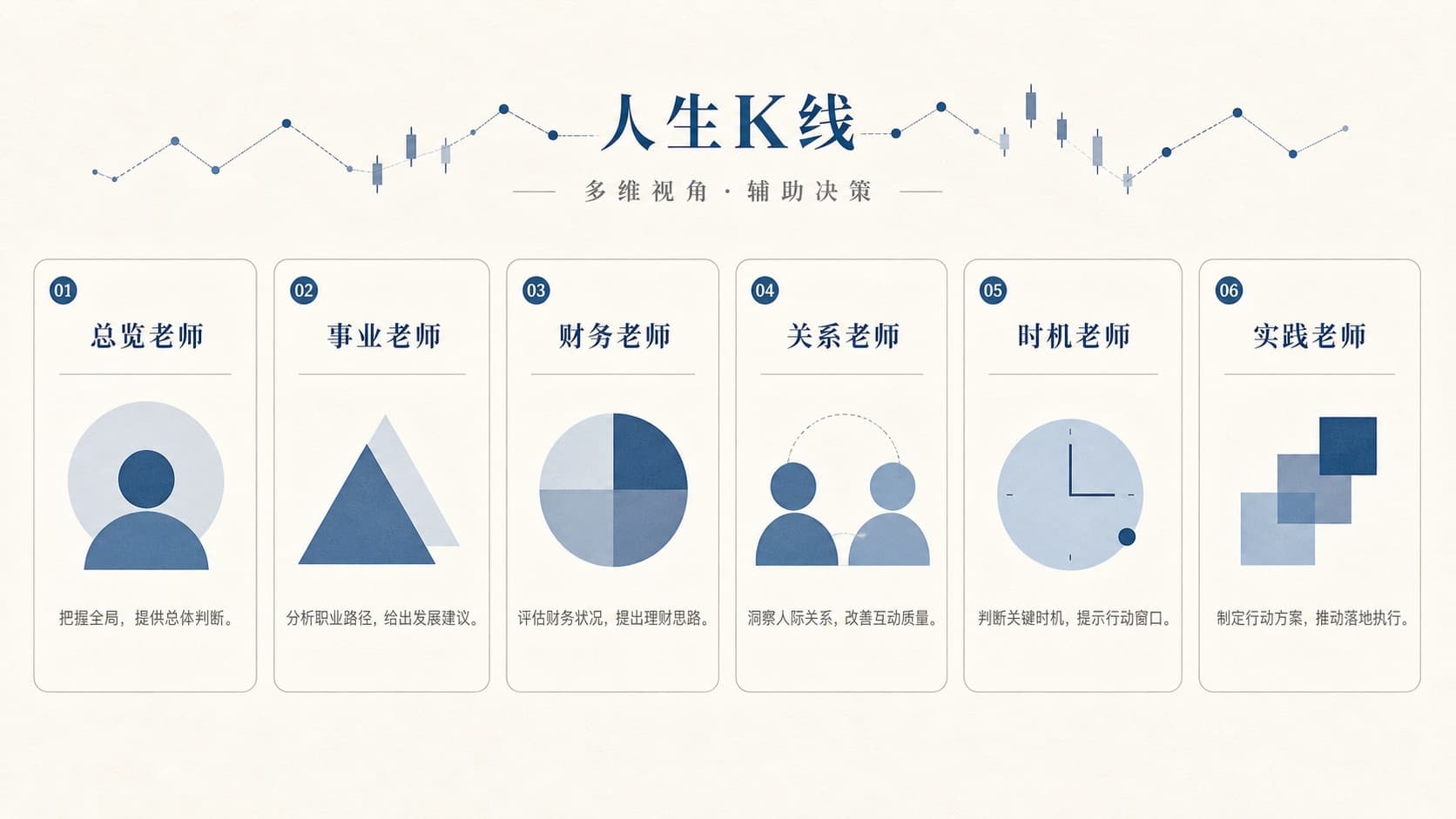
一位老师专一事:把抽象判断拆成可看见的结构关系。
Traditional Metaphysical Meaning
The original meaning of Gu is matters, extended to rectifying faults. In ancient contexts, when a vessel rots and insects are born, it is called Gu, borrowed to refer to corruption growing internally, requiring human intervention for cleaning. After this concept was introduced into the metaphysical system, it was endowed with the profound meaning of rectification, reform, and fault removal. It is not merely a state description, but also an action guide, prompting the person concerned to start solving the problem. The core proposition of this hexagram is to advocate bold action and discourage indulgence. Faced with accumulated faults, gentle repairs are often ineffective; only by taking decisive measures to eradicate the disease from the root can the situation be turned around. Any indulgence or delay in dealing with the problem will only allow the faults to spread further, ultimately resulting in irreparable consequences. This emphasis on decisiveness within the balance of Yin and Yang is the most significant characteristic of the Gu hexagram. From the perspective of Yin-Yang and Five Elements, Xun represents Wind and Gen represents Mountain. Wind moves beneath the mountain; although it can scatter the mist, if the mountain stones obstruct, the wind force is also hindered. This metaphorizes the resistance that may be encountered during the reform process. Only when the reformer possesses sufficient courage to break through obstacles can the power of the wind be exerted to scatter the haze between the mountains, making the situation return to clarity.
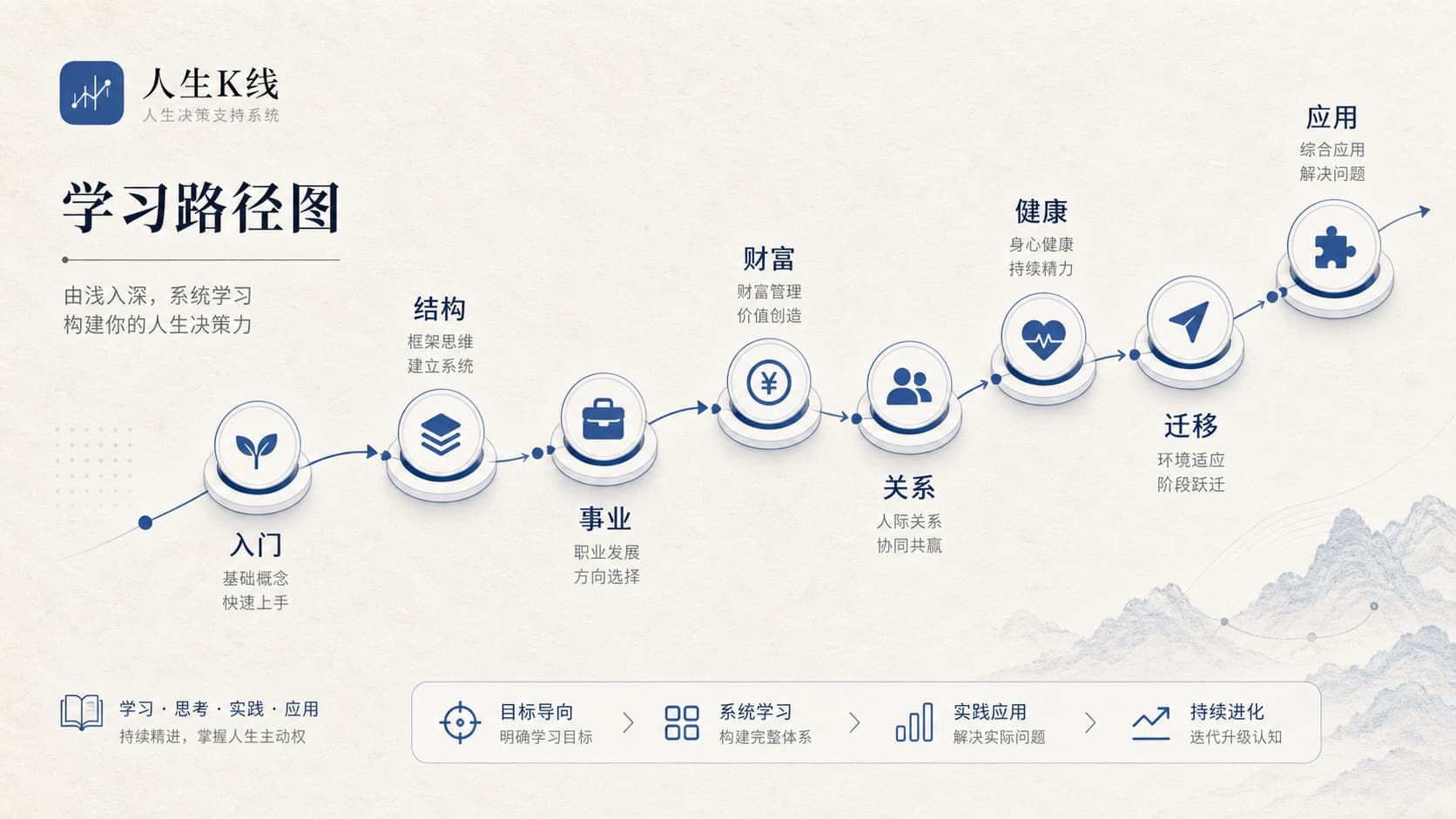
学习路径:专题可读:把抽象判断拆成可看见的结构关系。
Practical Configuration and Interpretation
In the Six Lines divination method, judging the good or bad success of the Gu hexagram mainly relies on the world-line, response-line, and generation and overcoming relationships. The world-line represents the querent themselves or the organizer of the matter in question, while the response-line represents the external environment or relevant institutions. If the world-line is supported and prosperous, able to overcome the Ji Shen (unfavorable element), then the reform succeeds and the faults are cleared. If the world-line is in repose or is overcome, then the reform is difficult and may need to rely on external forces or experience vicissitudes to complete the rectification. Plum Blossom divination focuses on determining good or bad based on the generation and overcoming relationship between the body and use. With a static hexagram as the body and a moving hexagram as the use, or determining the body and use based on numbers or directions at the time of casting the hexagram. In the divination of the Gu hexagram, if the body hexagram is overcome by the use hexagram, and the use hexagram is a favorable deity such as Wealth or Official, it often presages a necessary change. At this time, although pressure is felt, it is precisely the opportunity to break old systems and establish new rules. If the body hexagram is overly restricted, one must be cautious of the counter-reaction brought about by excessive reform or improper measures. In practical applications, the Gu hexagram often appears in scenarios such as enterprise management, family crises, or personal career transformation. For managers, seeing the Gu hexagram means starting audit or restructuring procedures. For individuals, it means the need to clean up past bad habits or financial debts. Regardless of the scenario, the core logic remains unchanged: only by facing the problem directly and thoroughly eliminating hidden dangers can one welcome new life.
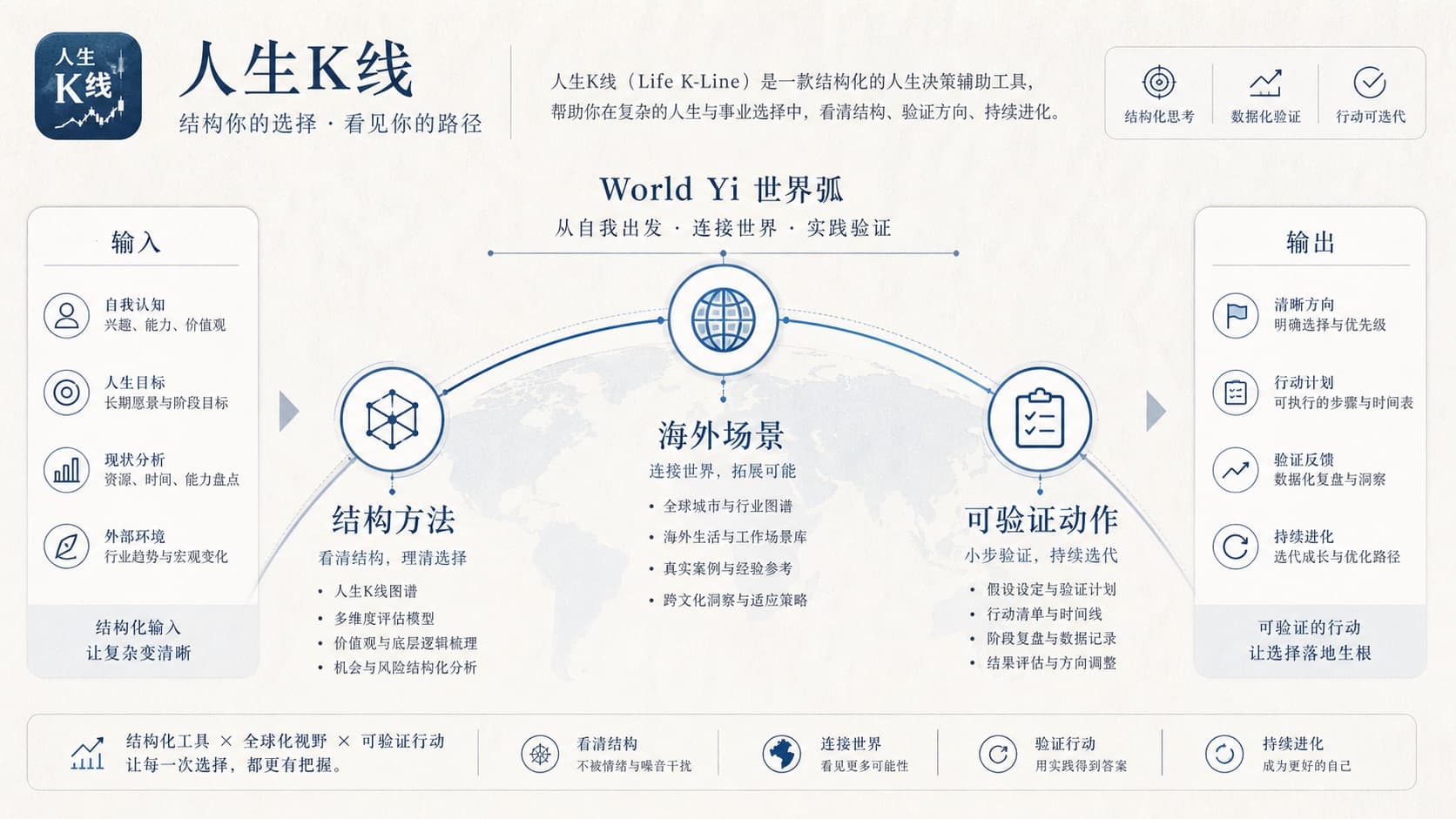
世界易:全球场景应用:把抽象判断拆成可看见的结构关系。
Common Misconceptions
Many people mistakenly believe that the Gu hexagram is purely an omen of bad luck, thinking it represents the arrival of disaster or irretrievable failure. This understanding ignores the positive orientation of 'rectification' and 'reform' in the hexagram's meaning. The Gu hexagram itself contains the opportunity to solve problems, not merely misfortune. The key lies in how to interpret the world-line and response-line generation and overcoming relationships and the body and use relationships; if judged correctly, this hexagram can be transformed into a turning point. Another misconception is interpreting 'discouraging indulgence' as meaning extreme violence or means disregarding consequences can be taken. Metaphysics emphasizes Yin-Yang balance; bold reform still needs to follow certain principles and rhythm. Blindly aggressive actions may lead to new chaos, while true 'fault removal' should be targeted, precisely striking at the key points, while also considering overall stability to avoid causing greater turmoil during the rectification process.
FAQ
Q: When the Mountain Wind Gu hexagram appears, is immediate action required? A: The Gu hexagram governs rectifying faults. If the signs of corruption are already apparent, delay will only worsen the consequences; therefore, one should make a decisive decision and not wait any longer. Q: In Six Lines divination of the Gu hexagram, if the world-line is weak, does it represent that the reform is destined to fail? A: A weak world-line does not represent failure; it may mean that resistance is great in the early stage of reform, needing to rely on the power of the response-line or wait for the right timing. Once the world-line receives support, success is still possible. Q: Is the Gu hexagram applicable to all types of divination? A: Although the Gu hexagram is universally applicable to all matters, it is best suited for handling specific problems such as internal corruption, accumulated faults that are difficult to remove, and the need for thorough innovation. For matters seeking wealth or seeking peace and safety where stability is key, its targeting is slightly weaker.
本文含 4 张图解(封面/结构/时位/行动或风险)。图解用于建立判断框架,不构成宿命结论; 个人决策请结合测算报告与工具验证。