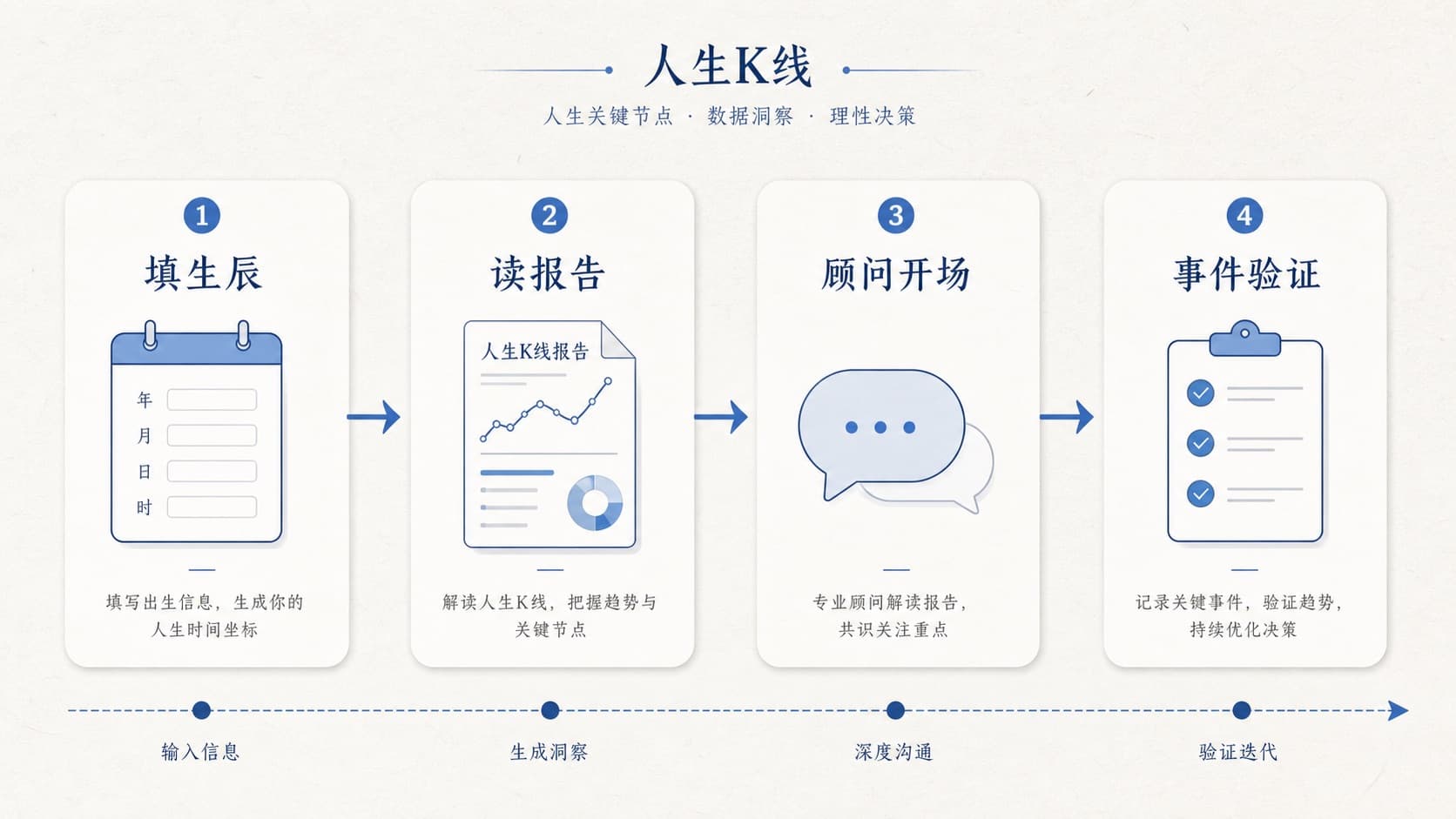
从生辰到可执行判断:把抽象判断拆成可看见的结构关系。
Concept Definition
The Heaven-Earth Pi Forbidden hexagram is formed by superimposing two primary hexagrams. Its structure places Qian (Heaven) above and Kun (Earth) below. The complete hexagram consists of six lines, numbered from the bottom to the top as the Initial Line through the Supreme Line. This arrangement forms the basic structure of the sixty-four hexagrams, where each hexagram is created by overlapping eight fundamental trigrams. The character 'Pi' (Fou) itself embodies the deep meaning of blockage and non-communication. In the evolution of the written language, 'Pi' is a variant of 'Bu' (Not), indicating obstruction. When Qian (Heaven) is above and Kun (Earth) is below, they move in opposite directions and fail to generate the appropriate communication and resonance, thus forming a pattern of heaven and earth not interacting. This structure represents a state of Yin-Yang separation within the metaphysical system. From the perspective of hexagram composition, Qian represents Heaven, rigidity, and Yang energy, while Kun represents Earth, softness, and Yin energy. Normally, Heaven should rain to nourish the Earth, and Earth should ascend to receive the rain. However, in this hexagram, Heaven is too high to question, and Earth is too low to see, resulting in separation above and below with no connection. This physical separation is extended metaphorically to represent human obstruction and isolation.
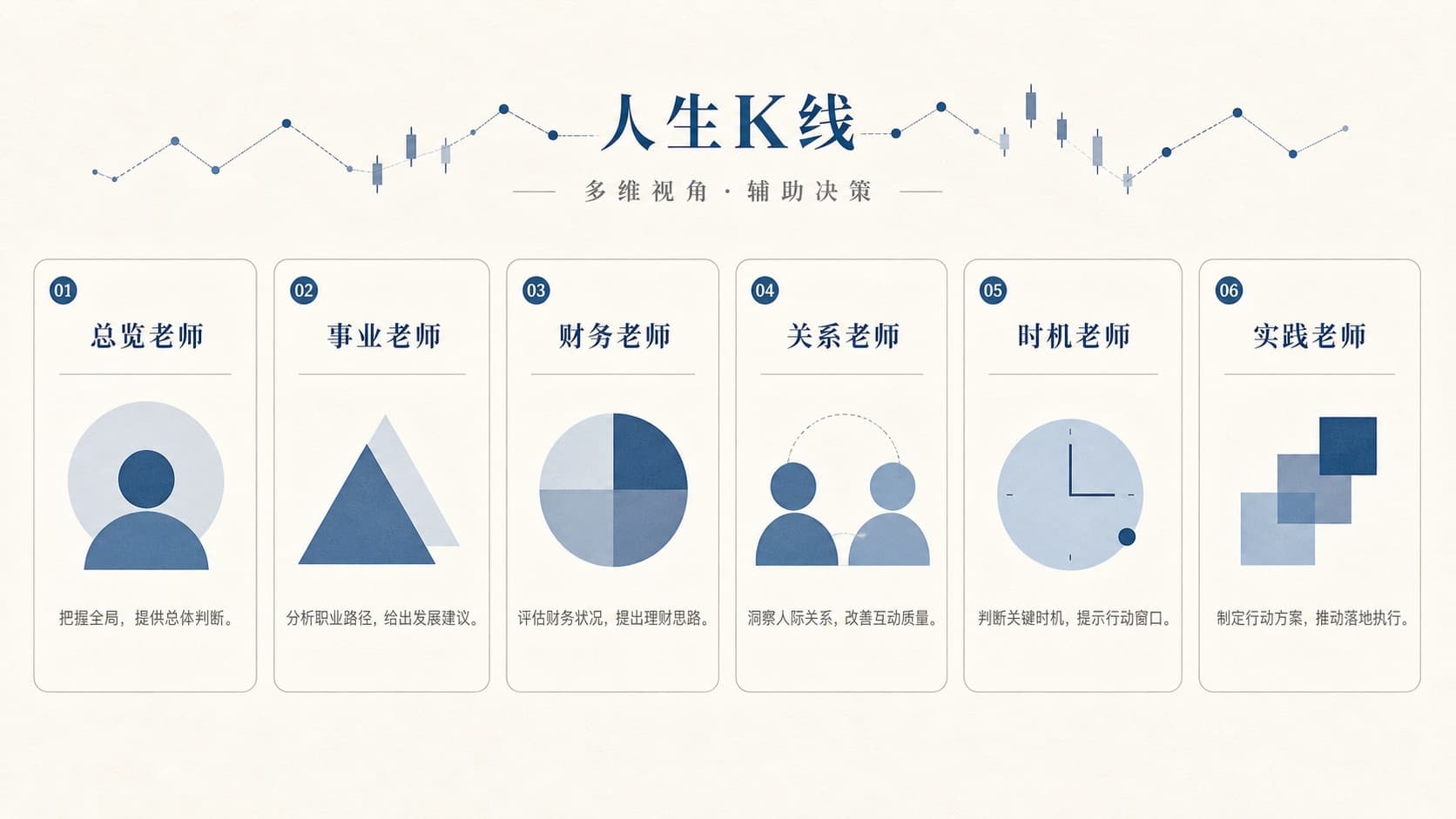
一位老师专一事:把抽象判断拆成可看见的结构关系。
Traditional Metaphysical Significance
The core meaning of the Heaven-Earth Pi Forbidden hexagram lies in describing a state of blockage, non-communication, and adversity. In such a state, all things cannot function normally, interpersonal communication is hindered, and affairs are difficult to advance. It symbolizes a period of stagnation and entrapment, much like a sealed container where internal energy cannot circulate. This hexagram signifies blockage, adversity, and isolation, meaning individuals are prone to being in a situation of helplessness, finding it difficult to obtain support or assistance from the outside world. Whether in career or relationships, communication barriers or the collapse of cooperation may occur. This is not a favorable time for development; forcing breakthroughs often yields futile results and may even exacerbate conflicts. Regarding this specific energy state, ancient metaphysical texts clearly state that one should favor frugality and avoid forceful action. Favoring frugality means saving expenses and keeping one's edge sharp during difficult times, maintaining a low profile, and avoiding unnecessary consumption. Avoiding forceful action warns against acting against the trend; because the energy of heaven and earth is not connected, human intervention with excessive force rarely produces expected results and may instead invite disaster.
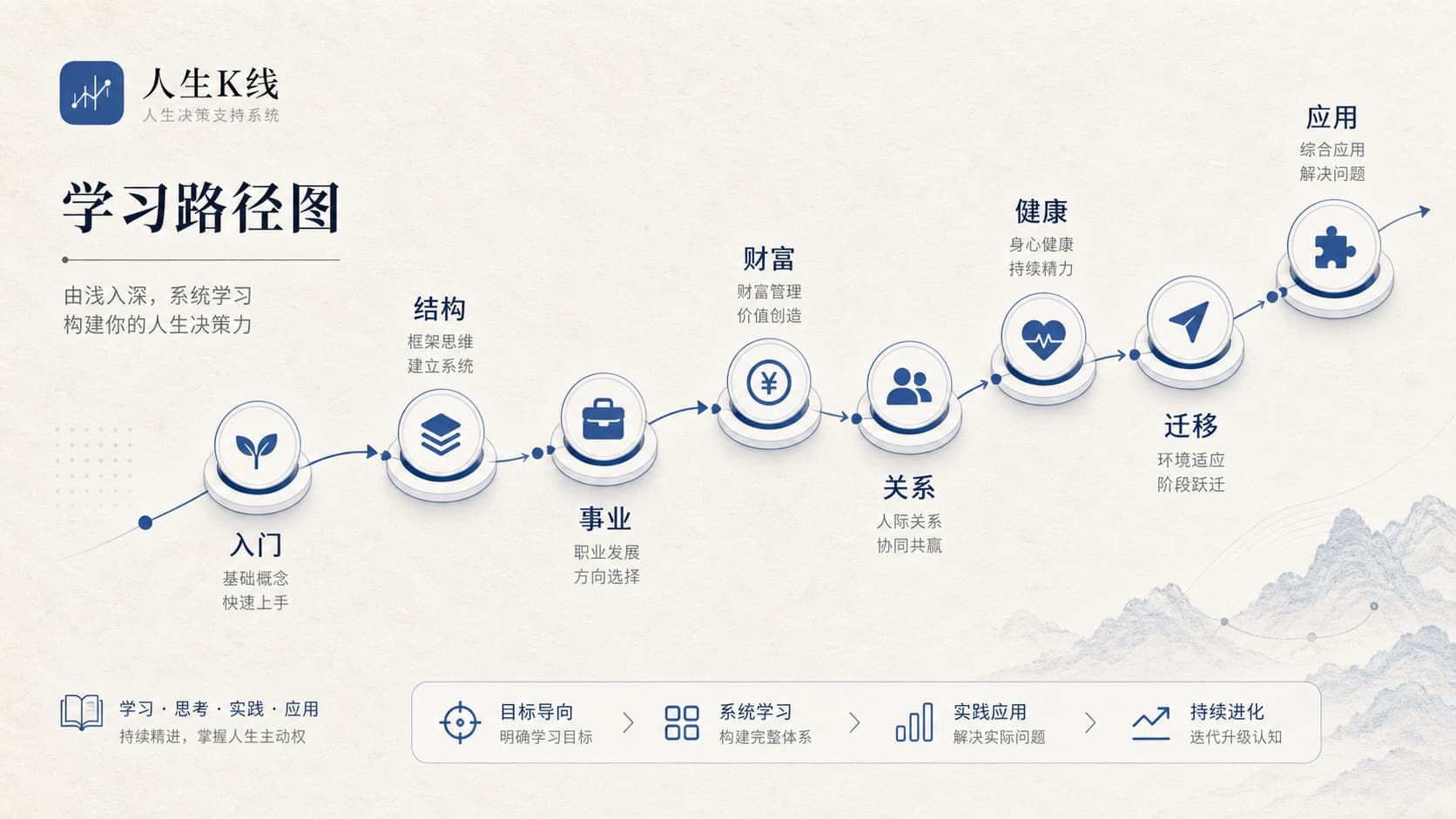
学习路径:专题可读:把抽象判断拆成可看见的结构关系。
Practical Configuration and Interpretation
In the application of Liu Yao divination, the core to judging the auspicious or inauspicious nature of the Heaven-Earth Pi Forbidden hexagram lies in the relationship between the Self (Shi), the Other (Ying), and the Five Elements' generation and control. The Self (Shi) line represents the querent, while the Other (Ying) line represents the external environment or others. If the Self and Other clash, or if the Self is controlled by the Unfavorable God (Ji Shen), this confirms the hexagram's meaning of blockage and isolation, predicting significant resistance for the querent. The principles of Mei Hua Yi Shu determine fortune based on the generation and control relationship between the Body (Ti) and the Use (Yong). In casting the Heaven-Earth Pi Forbidden hexagram, one must clearly identify which line is the Body and which is the Use. If the Useful God generates the Body, although there is an image of blockage, there is still life force. If the Body controls the Use or the Use controls the Body, difficulties are numerous. If the Body line is controlled and lacks support, the inauspicious image is obvious, requiring extreme caution and no rash action. In practical configuration scenarios, casting this hexagram often suggests that the current environment is not suitable for taking the initiative or making major investments. In the workplace, one may face suppression by a superior or exclusion by colleagues; in relationships, there may be cold wars or estrangement. The most prudent strategy at this time is to conceal one's light and temper one's nature, accumulate strength, and wait for the moment when the energy of heaven and earth reconnects, rather than rushing to achieve results.
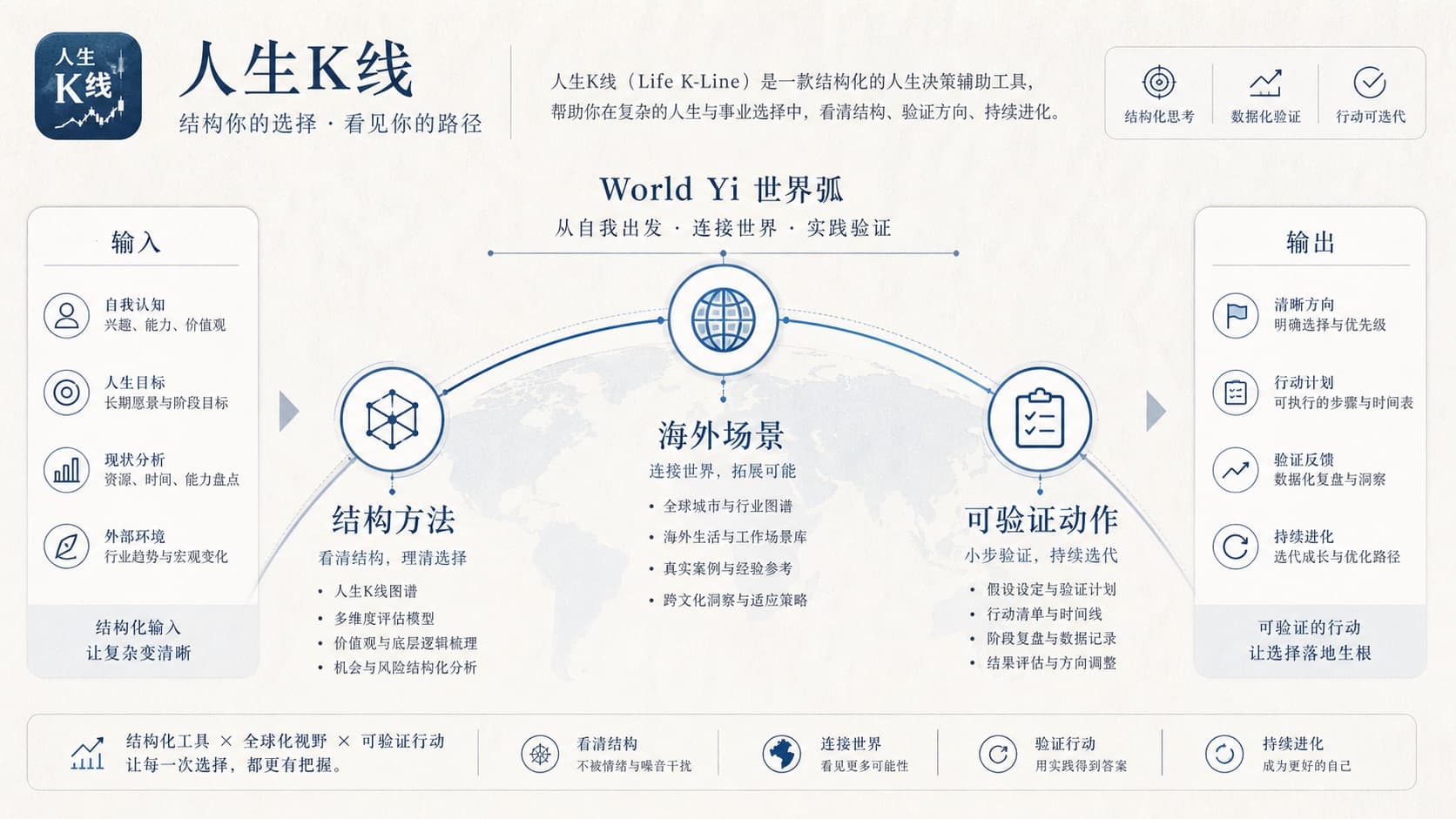
世界易:全球场景应用:把抽象判断拆成可看见的结构关系。
Common Misconceptions
Many people mistakenly believe that because the hexagram name contains 'Heaven' and 'Earth', it represents broad development prospects like those of heaven and earth. This completely contradicts the true meaning of the Heaven-Earth Pi Forbidden hexagram. The Pi Forbidden hexagram is actually an image of heaven and earth separating and moving in opposite directions, which is the exact opposite of the open and prosperous nature of the Heaven-Earth Tai (Threat) hexagram. It is crucial to strictly distinguish the auspicious and inauspicious attributes of the Pi Forbidden hexagram from the Tai hexagram and not confuse them. Another misconception is interpreting the blockage and non-communication as absolute despair and failure. Although the Heaven-Earth Pi Forbidden hexagram signifies adversity, it describes a temporary state rather than a permanent ending. As long as one follows the principle of favoring frugality and avoiding forceful action, preserving strength, the fortune will naturally find a turning point when the timing is mature. Interpreting it as an apocalyptic scene belongs to excessive pessimism.
FAQ
Q: When the Heaven-Earth Pi Forbidden hexagram appears, does it mean all efforts will be in vain? A: The Heaven-Earth Pi Forbidden hexagram signifies blockage and non-communication, indeed meaning that the current environment offers immense resistance and forcing progress is likely to fail. However, not all efforts are in vain. By following the hexagram's meaning to practice frugality and wait for the right time, although progress may be slow, one can preserve strength and avoid greater losses. Q: In Liu Yao divination, how is the auspicious or inauspicious nature of the Heaven-Earth Pi Forbidden hexagram specifically judged? A: Liu Yao judgment relies on the Self (Shi), Useful God (Yong Shen), and generation/control relationships. One must check if the Self line is controlled, if the Other line provides assistance, and the generation/control relationship between the Useful God and the Self. If the Self is weak and controlled, it is inauspicious; if the Self receives generation or has moving lines supporting it, there is still a chance for a turning point. Q: What does the Heaven-Earth Pi Forbidden hexagram represent in relationships? A: The Heaven-Earth Pi Forbidden hexagram signifies blockage and isolation. In relationships, it often represents poor communication, cold wars, or estrangement between the two parties. At this time, one should not try to force reconciliation or engage in arguments. It is best to observe calmly, adjust one's mindset, and communicate once the atmosphere has softened.
本文含 4 张图解(封面/结构/时位/行动或风险)。图解用于建立判断框架,不构成宿命结论; 个人决策请结合测算报告与工具验证。