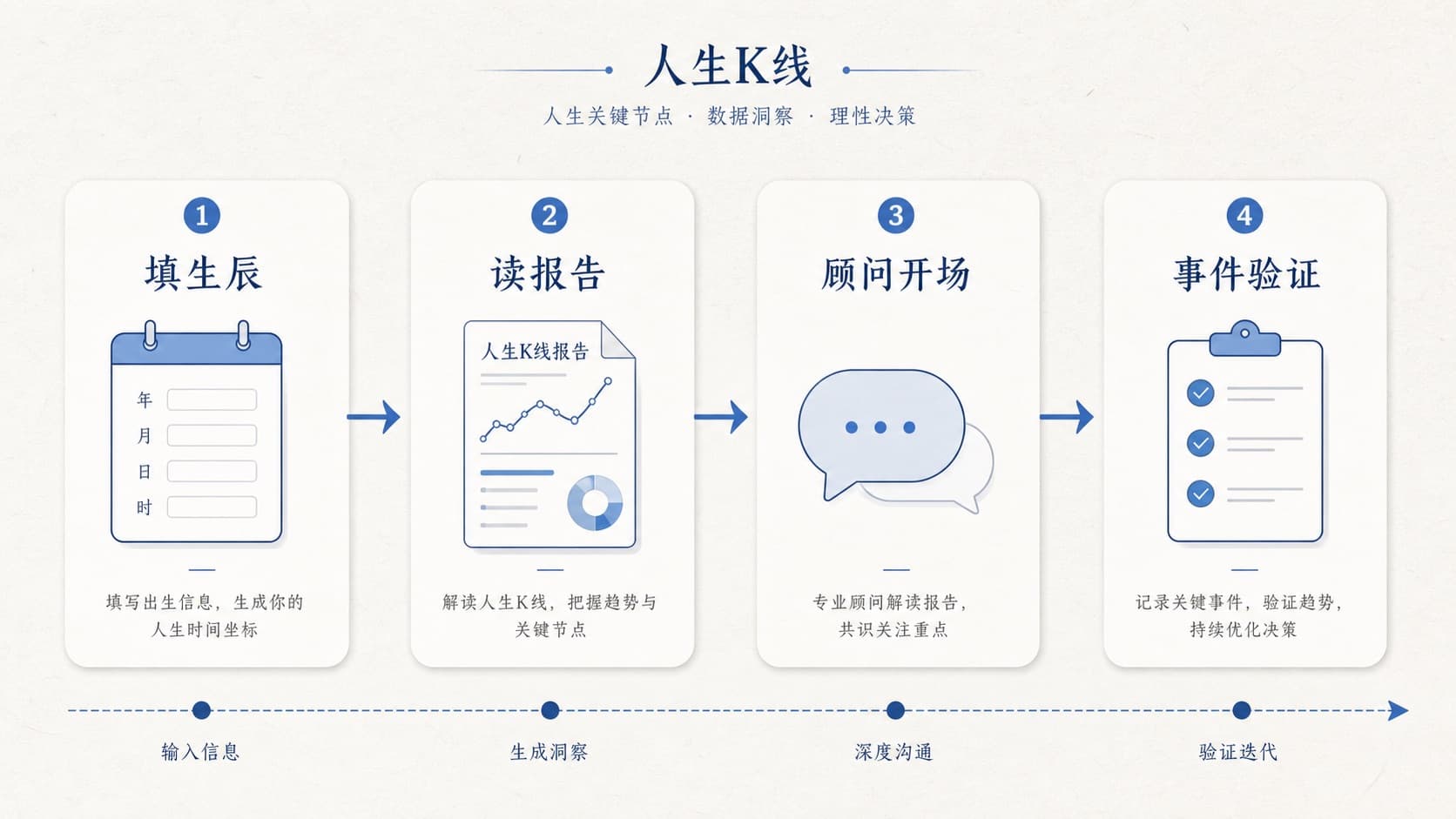
从生辰到可执行判断:把抽象判断拆成可看见的结构关系。
Concept Definition
Kan for Water is the 30th hexagram in the 64 hexagrams of the I Ching, characterized by the structure of Kan below and Kan above, meaning two Kan hexagrams are overlapped. In the I Ching symbol system, the Kan trigram is composed of two yang lines flanking two yin lines, symbolizing the form of flowing water. This structure of water both above and below intuitively displays the natural scene of continuous water power and layer-by-layer deepening. From the perspective of hexagram composition, all 64 hexagrams are formed by the superposition of two eight-line trigrams, each hexagram containing six line positions, called from the bottom to the top as the first line to the sixth line. The name Kan for Water directly reflects its internal structure; the lower hexagram is Kan, and the upper hexagram is also Kan, hence it is called Kan for Water. This double structure is endowed with special symbolic meaning in I Ching philosophy, representing a continuous state or nature. In ancient script law, the Kan trigram corresponds to the North, belongs to the Water element, and its nature is perilous and trapping. Water has no fixed form, flowing around corners, but when encountering mountains and rocks it is obstructed and cannot advance, and when encountering abysses it is difficult to extricate itself. The name Kan for Water is not only a simulation of natural phenomena but also a high-level summary of a specific stage in human fate, meaning being in a dangerous situation of hot water and fire, requiring great wisdom and determination to get through the crisis.
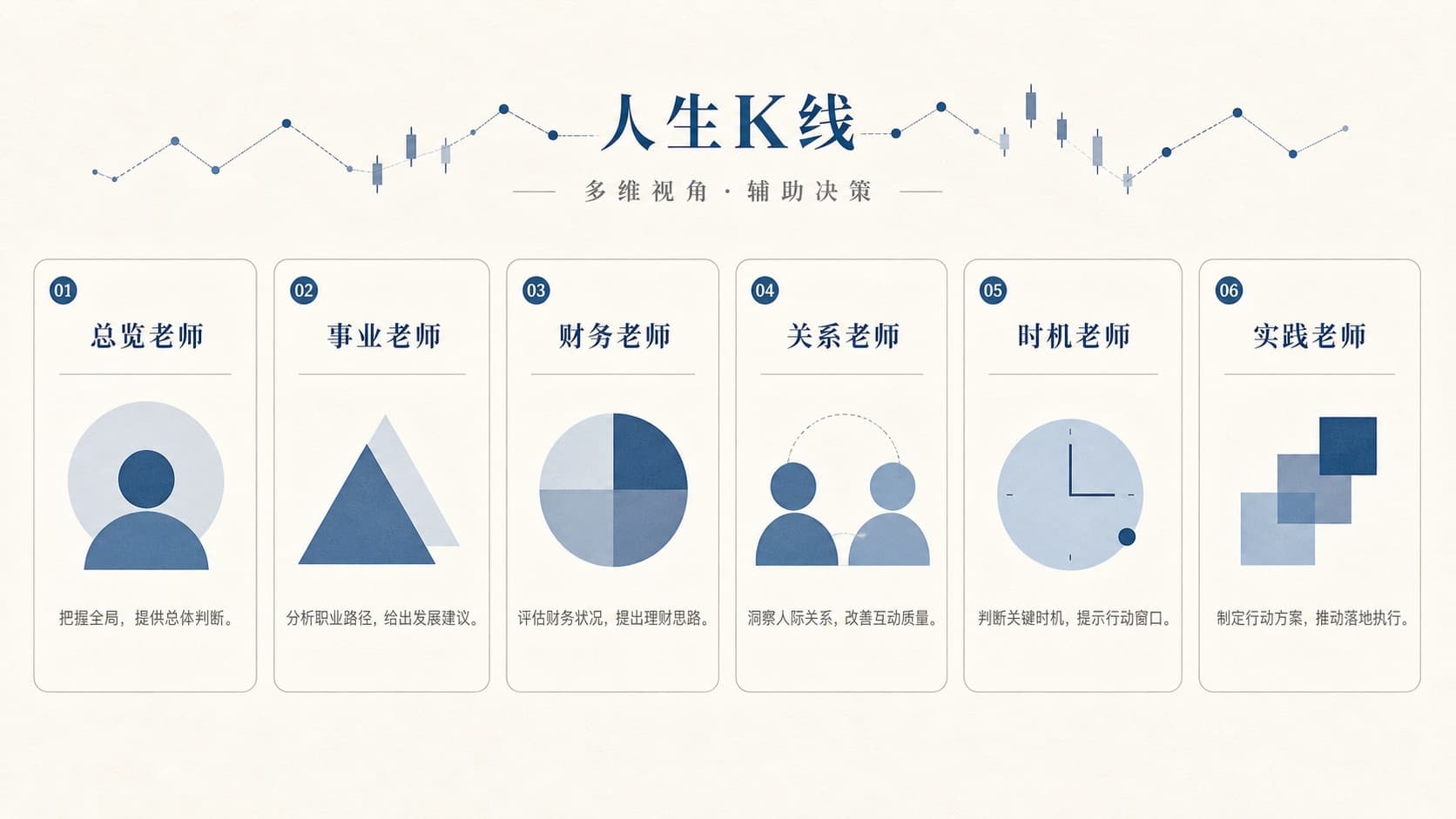
一位老师专一事:把抽象判断拆成可看见的结构关系。
Traditional Metaphysical Meaning
The core hexagram meaning of Kan for Water lies in double perils and double difficulties. Since both above and below are Kan hexagrams, it means the danger is not temporary but continuous, like walking in a deep and bottomless rushing stream. This structure symbolizes that the person facing the environment is extremely harsh, external resistance is huge, internal pressure is also heavy, and it is easy to fall into a predicament of being isolated and unsupported. In the philosophy of the I Ching, water represents wisdom, but Kan for Water also represents falling into a trap. When a person is in the Kan hexagram situation, it is often because previous actions led to the current crisis, or because of the uncontrollable force of the environment that one has no choice but to face. The hexagram meaning clearly states that it is perilous, crisis, and deeply trapped, reminding the inquirer not to hold overly optimistic expectations for the current situation and must清醒ly recognize the severity of the current predicament. Facing the layers of perils and difficulties, the hexagram meaning proposes clear principles of dealing with affairs, namely: it is suitable to maintain integrity. In times of danger and crisis, human hearts are easy to shake, and moral bottom lines are easy to be lost. Only by upholding integrity can one win the trust and support of others, thereby finding a breakthrough in the chaos. Conversely, the hexagram meaning severely warns against speculation; in an environment full of crises, any侥幸心理 and short-sighted behavior can lead to disastrous consequences, even accelerating destruction.
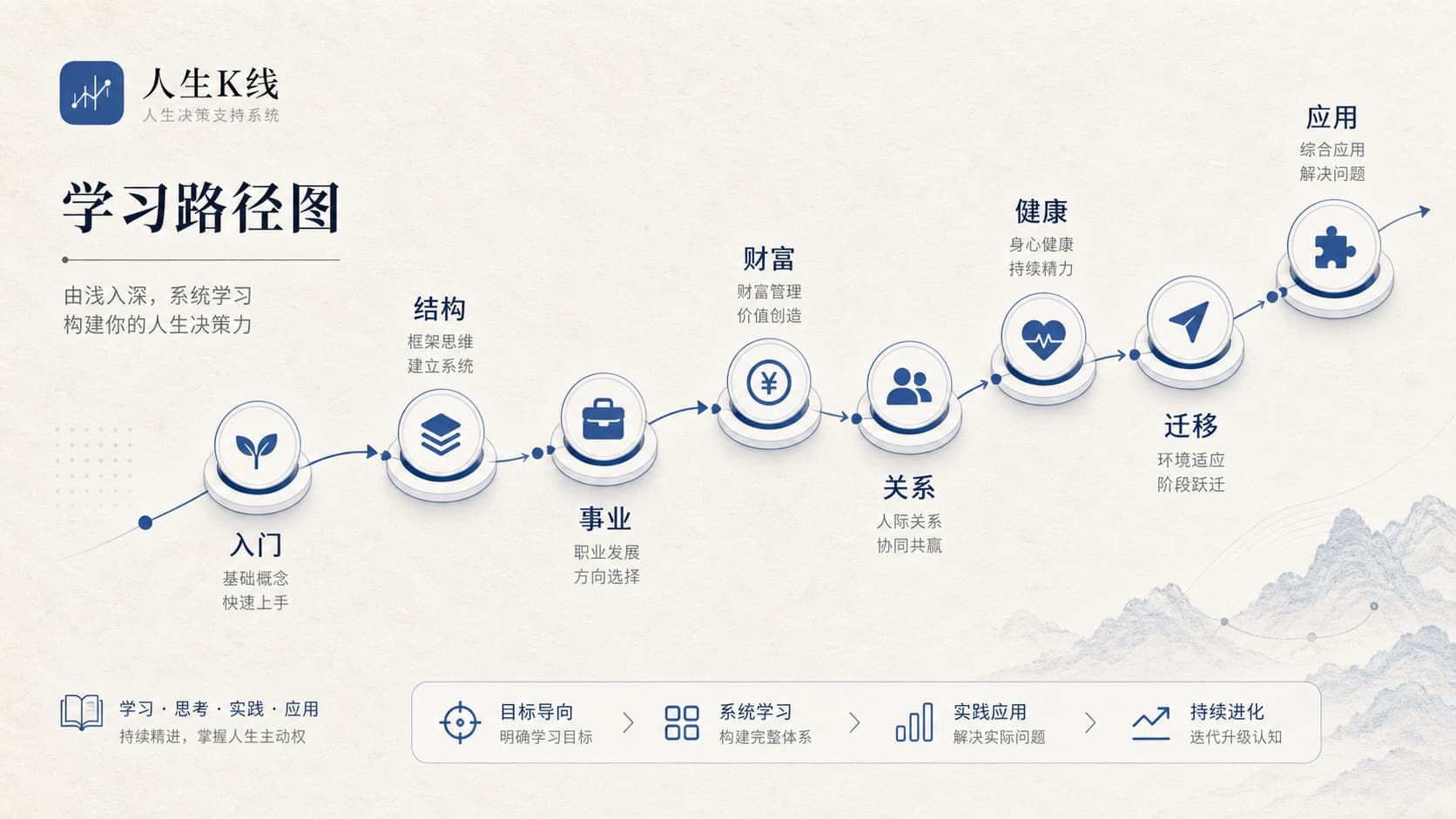
学习路径:专题可读:把抽象判断拆成可看见的结构关系。
Practical Configuration and Judgment
In the Liu Yao prediction method, the judgment logic of the Kan for Water hexagram highly depends on the Shì (self) and Yìng (other) positions, the Yong Shen (favorable god), and the generation and control relationships. If the Yong Shen in the hexagram is attacked without support, or the Shì line is in the image of being attacked, then it should verify the hexagram meaning of double perils and double difficulties, predicting that the matter will encounter major setbacks. At this time, it is necessary to focus on whether the Yong Shen is born and assisted by the Month Master and Day Master; if it has root qi, it may be crossed despite the danger, but if it has no root qi, it will be hard to escape the deep trap. Mei Hua Yi Shu, when applying Kan for Water, focuses on determining auspiciousness and inauspiciousness through the generation and control relationship between the body and use. When the body trigram is water or is attacked, it often corresponds to the image of danger represented by the Kan hexagram. If the moving trigram generates the body trigram, although there are great difficulties, misfortune can be turned into good fortune; if the body trigram attacks the moving trigram, then although striving for progress, it is still difficult to avoid its edge. By observing the positions of the body and use and the five elements generation and control, one can accurately judge whether the crisis is temporary or long-term, and where the key to solving the crisis lies. In practical application, the Kan for Water hexagram is commonly seen in scenarios such as predicting illness, litigation, investment failure, or life's low points. If asking about illness, it often indicates serious illness with a long course of treatment, requiring patience and调养; if asking about career, it often indicates that the project is obstructed, requiring one to hold one's breath and wait for the opportunity; if asking about travel, one needs to be cautious of water disasters or accidental accidents. Regardless of the situation, the core strategy is to stick to the right path, do not rush for success, and take integrity as the foundation, plodding steadily.
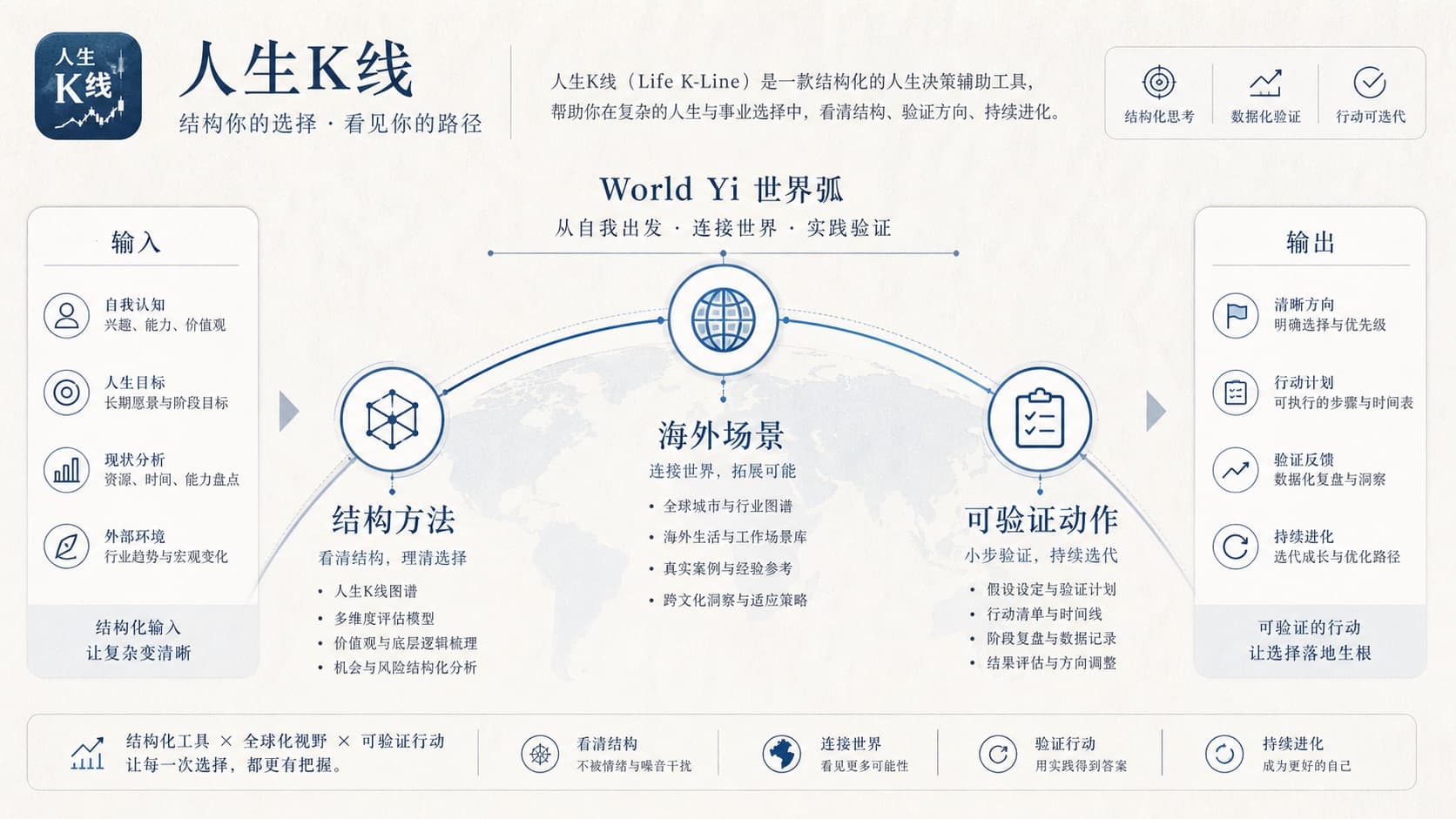
世界易:全球场景应用:把抽象判断拆成可看见的结构关系。
Common Misunderstandings
Many people, when encountering the Kan for Water hexagram, easily misinterpret it as simple pessimism or despair, believing that things are definitely without hope. This is a common misunderstanding. Although Kan for Water represents perils and crises, its nature is water; water can carry a boat as well as overturn it, and water can also nourish all things. Under specific time and space configurations, the perils represented by the Kan hexagram are exactly the opportunity to temper the will and accumulate wealth. Only in extreme danger can true survival wisdom be displayed, as the saying goes: live after being placed in a dead ground. Another misunderstanding is that as long as one sees Kan below and Kan above, everything is over, and no effort is needed. This ignores the positive guidance of maintaining integrity in the hexagram meaning. Kan for Water is not simply passive endurance, but a test. Many people fail completely because they give up in difficulties, while more people eventually get out of the trap because they stick to it. Equating the Kan hexagram simply with failure ignores the philosophical thought of transformation and change contained in it in I Ching, which is one of the main reasons for inaccurate judgment.
FAQ
Question: Does the Kan for Water hexagram represent absolute bad things? Answer: Although the Kan for Water hexagram represents perils and crises, it represents a test in the process rather than an absolute end. Under specific conditions, such as the Yong Shen being born or the body trigram being attacked but having rescue, there is still a chance to resolve the crisis. The key lies in whether integrity is maintained and whether the correct strategy is adopted to deal with the perils. Question: In Liu Yao divination, how should auspiciousness and inauspiciousness be judged when encountering the Kan for Water hexagram? Answer: In the Liu Yao method, one needs to comprehensively judge by combining the Shì-Yìng positions, the state of the Yong Shen, and the generation and control relationships. If the Yong Shen is severely attacked and has no rescue, then it should verify the perils; if the Yong Shen is attacked but is born and assisted by the Month Master and Day Master, then although there are twists and turns, it will eventually pass. Mei Hua Yi Shu pays more attention to the body-use generation and control; body attacking use or moving generating the body is mostly a good omen.
本文含 4 张图解(封面/结构/时位/行动或风险)。图解用于建立判断框架,不构成宿命结论; 个人决策请结合测算报告与工具验证。