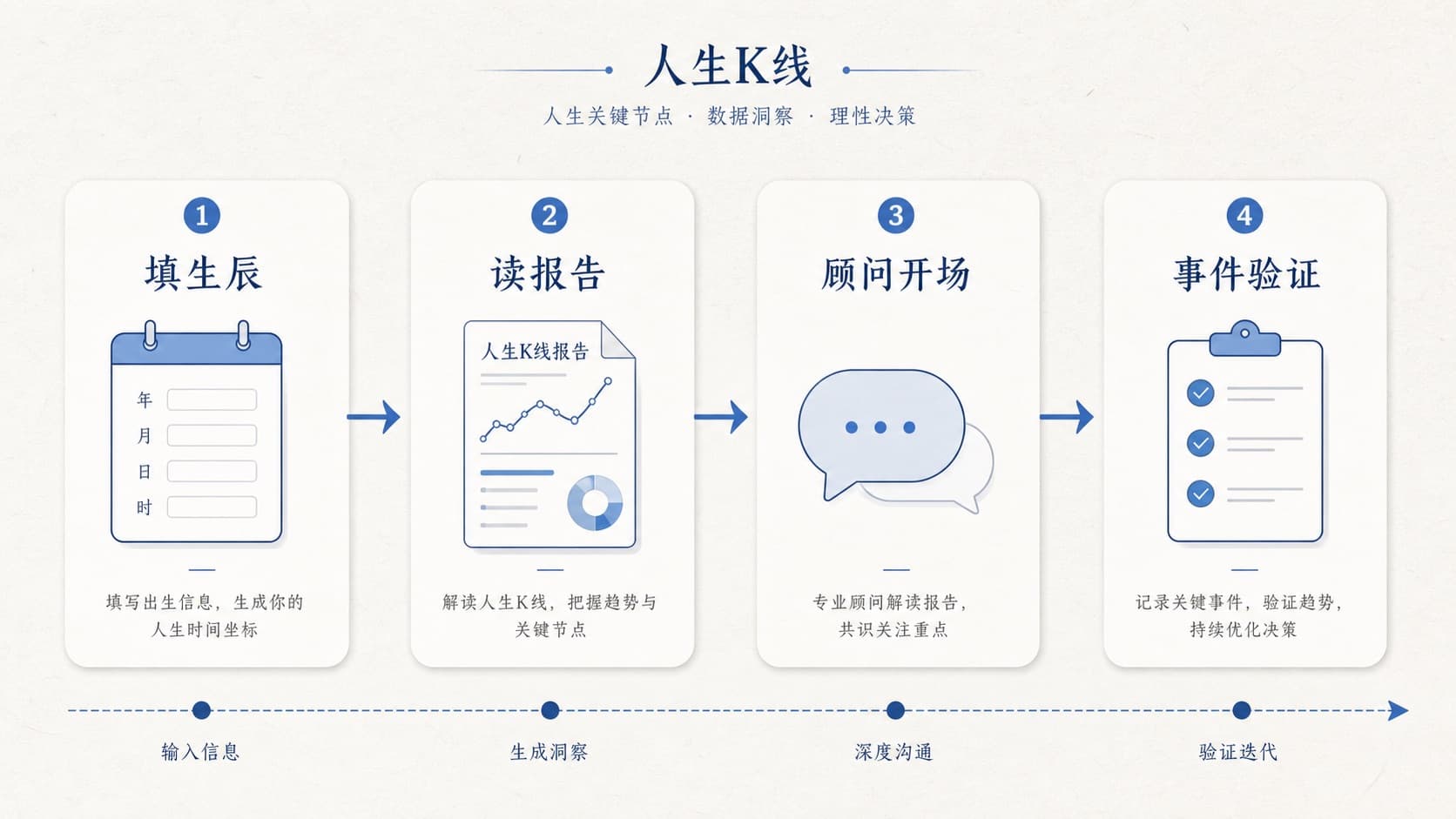
从生辰到可执行判断:把抽象判断拆成可看见的结构关系。
Concept Definition
Di Ze Lin Hexagram is the 27th hexagram among the 64 Hexagrams of the I Ching. Its structure is formed by stacking two trigrams, Dui below and Kun above. Each hexagram consists of six lines, arranged from bottom to top, with the initial line at the bottom and the upper line at the top. This structure establishes the basic form of Di Ze Lin Hexagram: earth above and marsh below, symbolizing a situation where water nourishes the earth, representing a trend of development from bottom to top. From the perspective of hexagram composition, Dui represents joy and communication; Kun represents submission and inclusiveness. When combined, they form Di Ze Lin, where the marsh water adheres to the surface of the earth. Although the water power is large, it submits to the earth, forming a relationship that is both close and restrained. This structure not only describes a natural scene but also metaphorically reflects the superior-subordinate relationship or the host-guest interaction model in human society. In the metaphysical system, Di Ze Lin Hexagram belongs to a hexagram combining movement and stillness. The flowing water represents active approach and change, while the solid earth represents passive endurance and stability. The interaction between the two gives Di Ze Lin Hexagram both the dynamic spirit of advancement and the static quality of stability, making it a classic case for analyzing complex interpersonal relationships and organizational management.
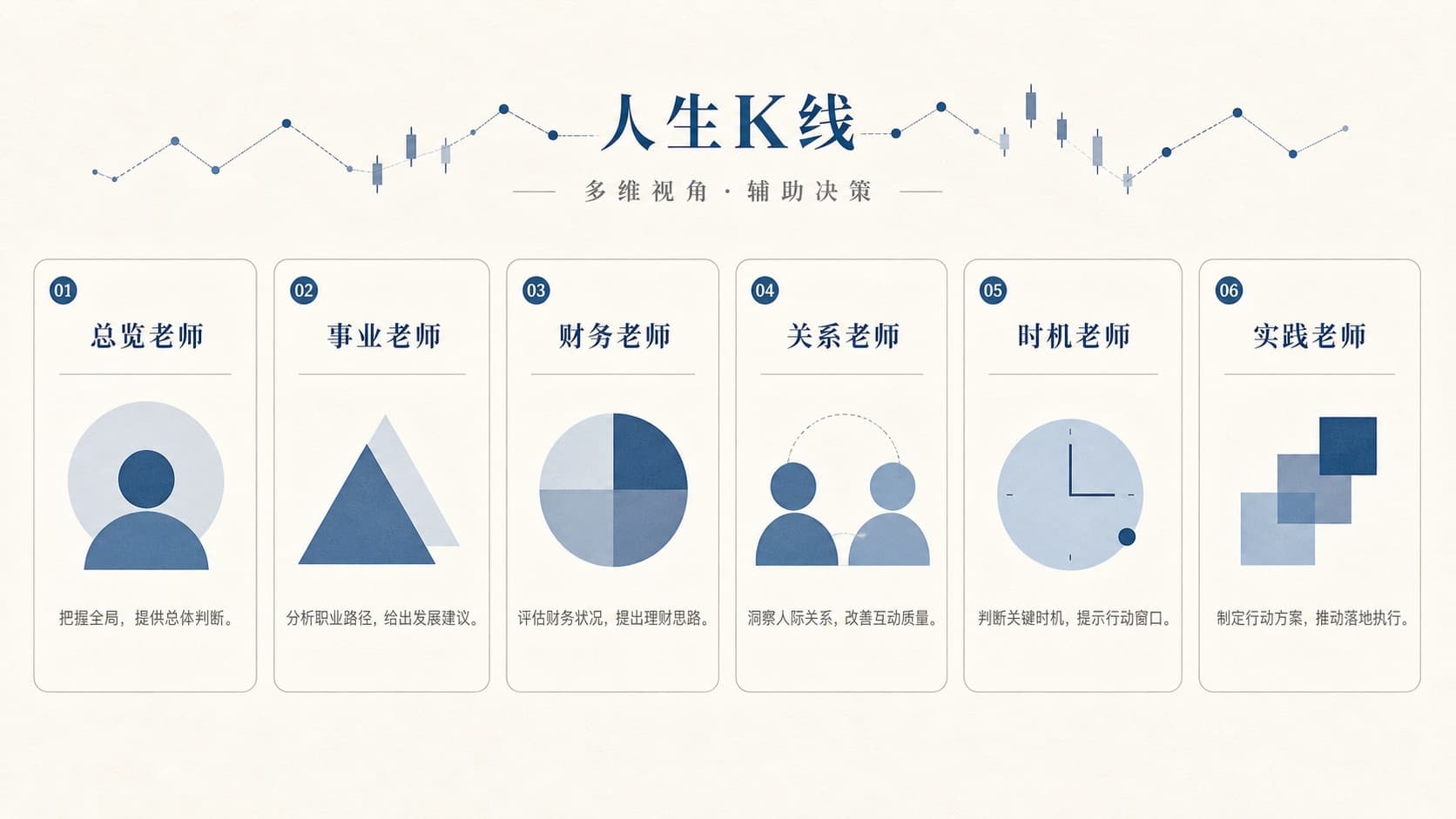
一位老师专一事:把抽象判断拆成可看见的结构关系。
Traditional Metaphysical Meaning
The core meaning of Di Ze Lin Hexagram lies in approaching from a high position, supervision, and benevolence, emphasizing that benevolence must be based on sincerity. Lin means great, implying that when in a high position or as the initiator, one possesses a broad vision and influence. This influence does not come from coercion but from the natural sense of closeness brought by one's positional advantage. The hexagram meaning clearly states that the hexagram governs approach, supervision, and benevolence, revealing its multifunctional role in interpersonal relationships. Approach represents actively closing the gap, supervision represents maintaining necessary distance and norms, and benevolence reflects the care and responsibility of the superior. The three complement each other, jointly constituting the complete operating mechanism of the Lin Hexagram. Traditional metaphysics believes that although the Lin Hexagram governs approach, it must avoid excessive pressure (Ji Shen). This means that even when in a high position, one should avoid overly suppressing others and instead guide and inspire with a gentle attitude. Only by maintaining sincerity can the unity of approach and supervision be truly achieved, avoiding the breakdown of relationships caused by excessive scheming.
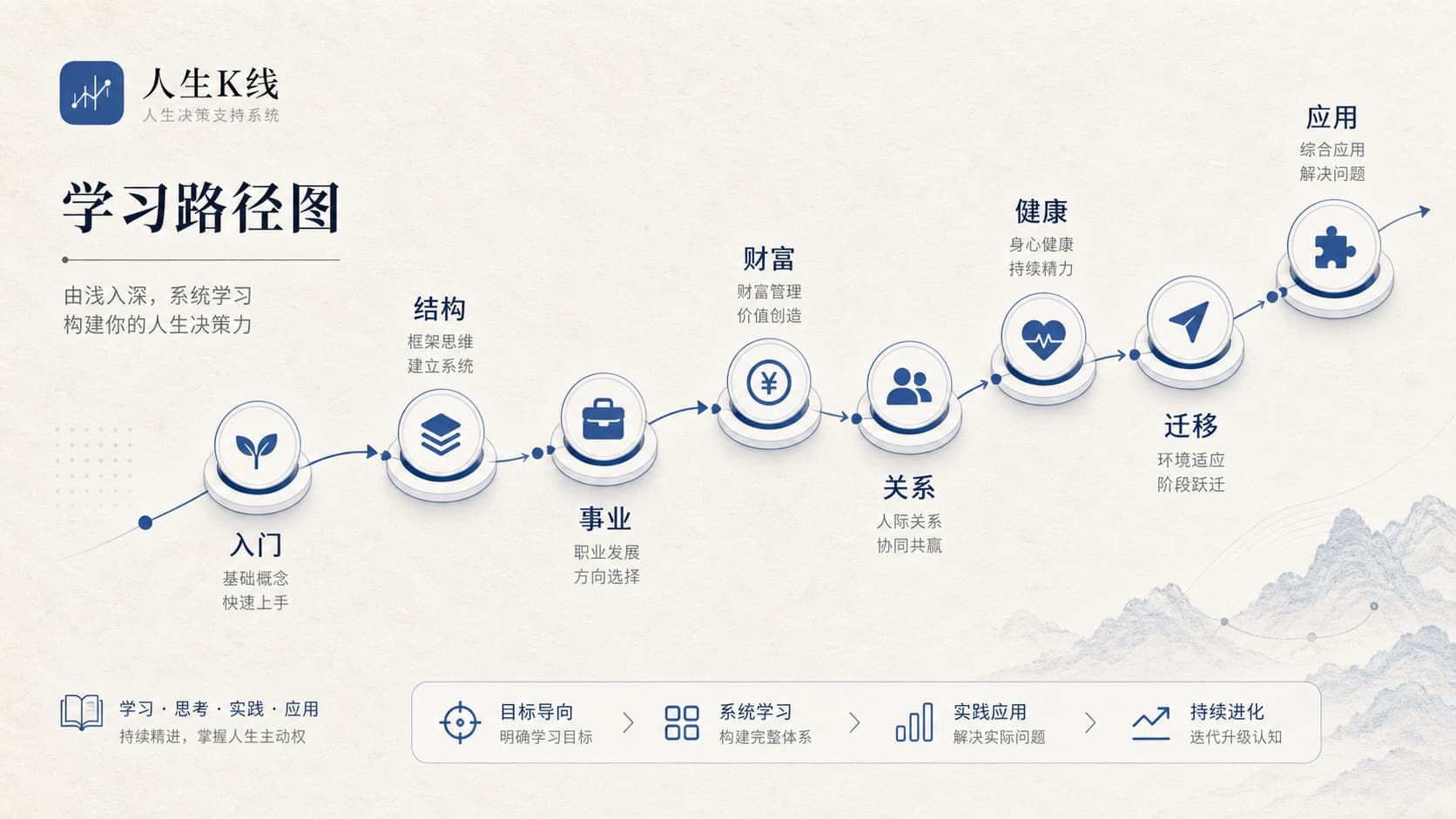
学习路径:专题可读:把抽象判断拆成可看见的结构关系。
Practical Configuration and Interpretation
In Liu Yao divination, the application of Di Ze Lin Hexagram focuses on the world line (Shi Yao), the response line (Ying Yao), the useful deity (Yong Shen), and the generation/overcoming relationships. The Shi Yao represents the querent, while the Ying Yao represents the other party or the external environment. If the Shi Yao is well-positioned and generates the Yong Shen, it predicts a smooth approach and fair supervision; if the Shi and Ying clash, it warns of potential abuse of power or communication barriers. In the Mei Hua Yi Shu system, the fortune or misfortune of Di Ze Lin Hexagram is determined by the generation/overcoming relationship between the body trigram and the use trigram. The body trigram usually represents the querent, while the use trigram represents the matter in question or others. If the body trigram is Kun Earth and the use trigram is Dui Metal, Earth generates Metal, symbolizing benevolence towards others, resulting in good fortune; conversely, if the body trigram is overpowered, it suggests resistance may occur during the approach, requiring strategy adjustment. In practical application, Di Ze Lin Hexagram is often used to analyze leadership style, team management, or business cooperation. If this hexagram is obtained, it is advised to treat people with sincerity and exercise moderate supervision, avoiding arbitrary decision-making. At the same time, utilizing the advantage of being in a high position to provide support and resources to subordinates or partners can achieve a win-win situation.
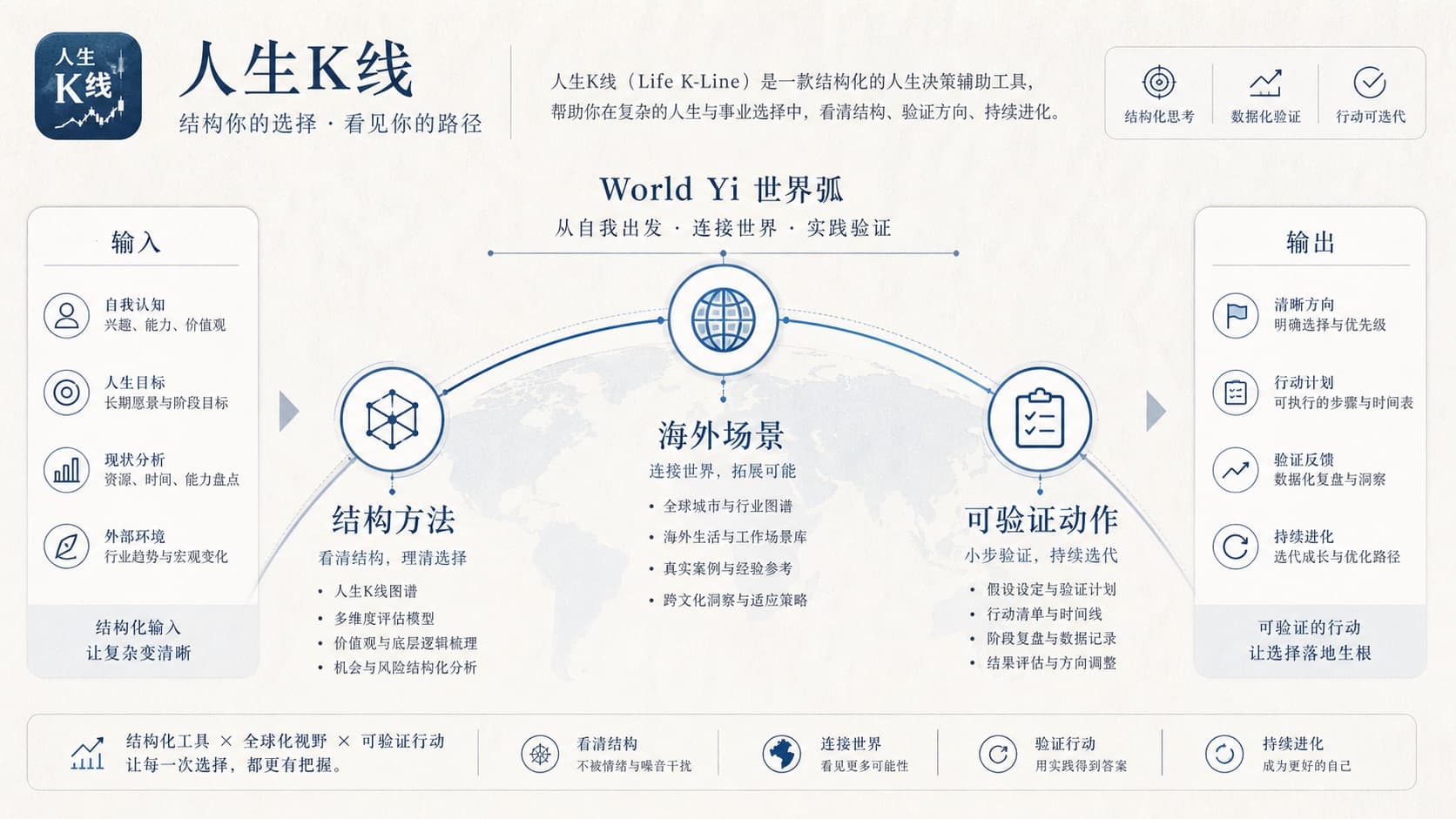
世界易:全球场景应用:把抽象判断拆成可看见的结构关系。
Common Misconceptions
A common misconception is believing that approaching from a high position inevitably brings authority, thereby neglecting the importance of sincerity. In fact, Di Ze Lin Hexagram emphasizes that although the Lin is in a high position, lacking sincerity and relying solely on power suppression will eventually lead to estrangement or breakdown of relationships. True approach is built on sincere communication and mutual trust. Another misconception is equating supervision with control. The supervision in Di Ze Lin Hexagram is intended to ensure the correctness of direction and the balance of interests, not to restrict freedom. If supervision is distorted into a means of control, it violates the hexagram principle of favoring sincerity and avoiding pressure, easily triggering opposition and destroying overall harmony.
FAQ
Question: When is Di Ze Lin Hexagram suitable for divination regarding leadership decisions? Answer: Di Ze Lin Hexagram is suitable for divination when trust building, supervision implementation, or resource allocation is needed. The hexagram meaning emphasizes approach and benevolence, prompting decision-makers to treat the interests of all parties with sincerity and avoid excessive suppression. Question: If Di Ze Lin Hexagram is obtained but the result is unfavorable, what might be the cause? Answer: Unfavorable results usually stem from excessive pressure or lack of sincerity. It is suggested to re-examine one's attitude, whether one is too dominant or ignores others' feelings. By adjusting strategies, increasing communication and care, an unfavorable situation can be improved.
本文含 4 张图解(封面/结构/时位/行动或风险)。图解用于建立判断框架,不构成宿命结论; 个人决策请结合测算报告与工具验证。