Detailed Explanation of Dui Wei Ze Hexagram and Its Fate Applications in the 64 Hexagrams
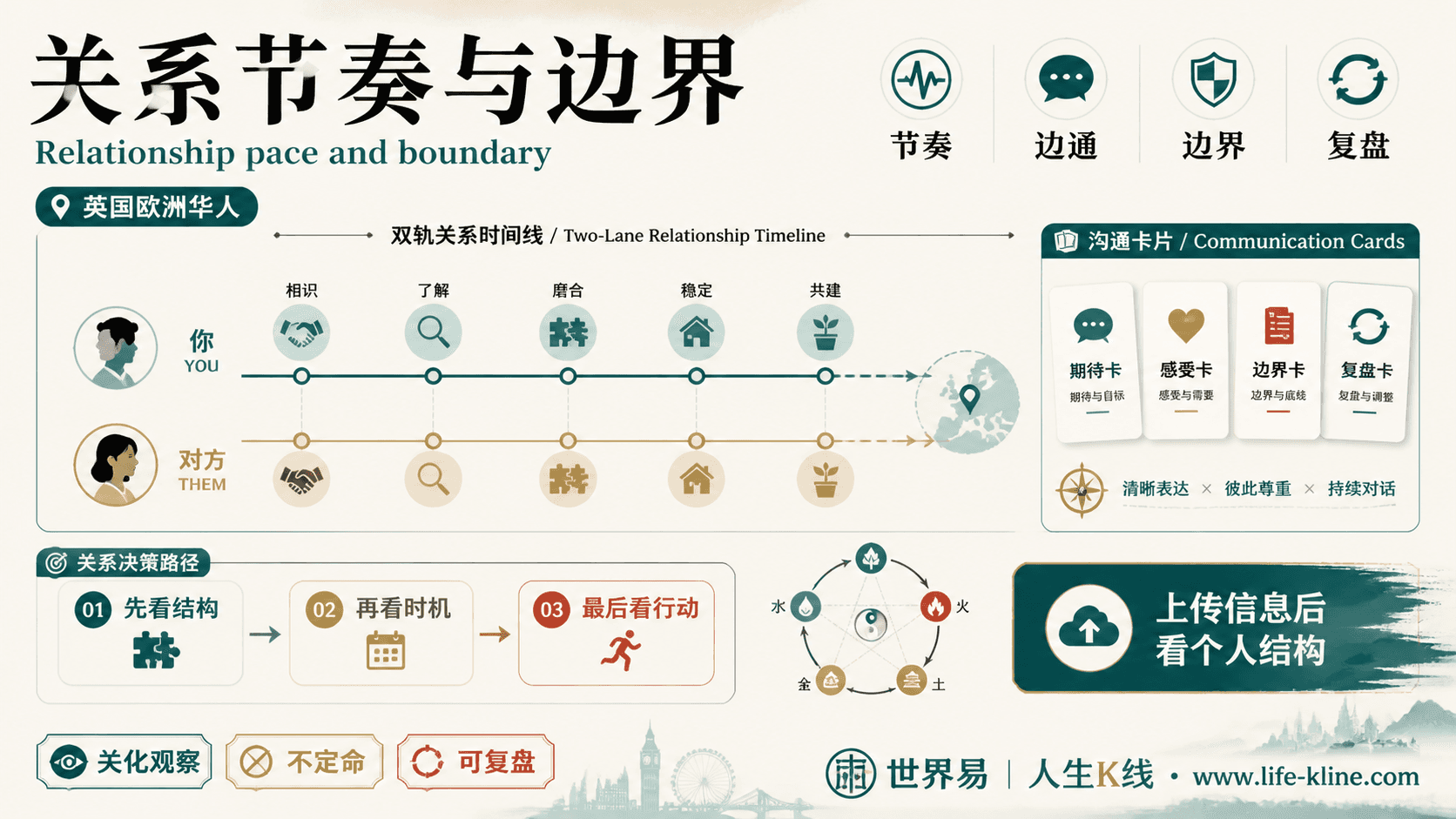
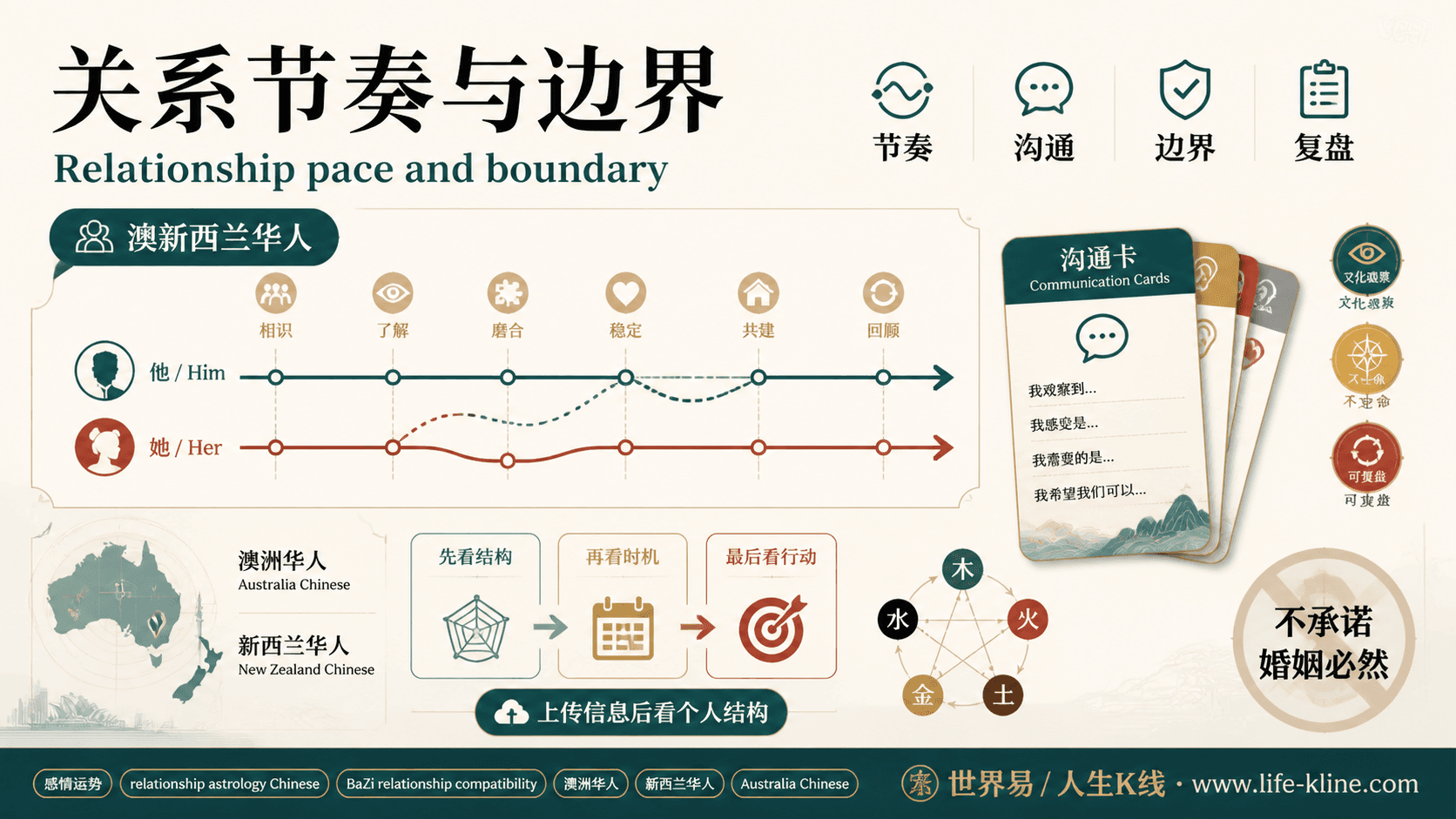
把这篇文章落到自己身上验证:先看结构,再进入个人分析,不做泛泛阅读。
Concept Definition
The Dui Wei Ze hexagram is one of the 64 hexagrams in the I Ching, composed of two Dui (兑, Duì) trigrams stacked—Dui below and Dui above. The Dui trigram itself symbolizes marsh (泽, Ze), and the stacking of two Dui trigrams forms the imagery of marsh water nourishing itself, reflecting the natural phenomenon of marsh waters blending and moistening all things. This hexagram consists of six Yao (爻) lines, counted from bottom to top as the first Yao, second Yao, third Yao, fourth Yao, fifth Yao, and top Yao, with a complete and layered structure.
In terms of hexagram imagery, the Dui Wei Ze hexagram signifies joy, eloquence, and harmonious communication among friends. It symbolizes interpersonal communication and emotional interaction, emphasizing companionship among friends and enhancing understanding and cooperation through teaching and exchange. The connotation of Dui Wei Ze extends beyond emotions to include verbal expression and eloquence skills, making it a favorable hexagram in social occasions.
Therefore, in traditional fate studies and divination, the Dui Wei Ze hexagram is often used to judge auspiciousness related to interpersonal relationships, verbal expression, and social activities. Its hexagram imagery and meaning provide important reference points for divination, especially in judgments involving friends, eloquence, and emotional joy, possessing unique guiding value.
Traditional Fate Significance
In traditional fate studies, the Dui Wei Ze hexagram governs joy and eloquence, symbolizing inner happiness and external communication skills. The Dui trigram belongs to marsh (泽, Ze), which represents moistening and nourishing; thus, the Dui Wei Ze hexagram implies the nourishment of communication and emotions, reflecting a harmonious coexistence and smooth emotional flow among people. This hexagram emphasizes relationships with friends and is suitable for teaching and learning mediated by friends, promoting the transmission of knowledge and feelings.
The Dui Wei Ze hexagram also warns against the taboo of verbal disputes. Although eloquence and expression are important features, excessive verbal conflicts will disrupt harmony and bring adverse effects. Therefore, in practical life or divination, the Dui Wei Ze hexagram advises maintaining kindness and moderation in speech, avoiding conflicts and quarrels caused by words.
Furthermore, the position and structure of the Dui Wei Ze hexagram within the 64 hexagram system reflect its unique symbolic meaning. The stacking of two Dui trigrams strengthens the marsh symbolism, demonstrating the traits of nourishing all things and generating joy. This hexagram is regarded as auspicious in traditional culture, symbolizing friendship, happiness, and harmonious social relationships.
Practical Configuration and Interpretation
In Six Yao divination, the core of interpreting the Dui Wei Ze hexagram relies on the Sheng-Ke (生克) relationships among the Shi Yao (世爻, Shi line), Ying Yao (应爻, Ying line), and Yong Shen (用神, favorable element). By analyzing the interactions among these key Yao lines, one can determine whether the joy and eloquence represented by this hexagram are realized smoothly and whether communication among friends is harmonious. The auspicious or adverse Sheng-Ke relationships directly affect the hexagram’s fortune outcome, guiding decisions and actions.
Plum Blossom Numerology evaluates the auspiciousness of the Dui Wei Ze hexagram through the Sheng-Ke relationship between Tai (体, the body) and Yong (用, the function). The Tai-Yong relationship emphasizes the dynamic interaction between the hexagram’s internal structure and its external application. The marsh imagery and eloquence characteristics of the Dui Wei Ze hexagram are concretely manifested and explained through Sheng-Ke changes. This method helps to understand the hexagram’s significance in divination from a more macro perspective.
In specific configuration scenarios, the Dui Wei Ze hexagram is suitable for judging matters involving social interaction, verbal expression, and friendships. For example, when inquiring about the smoothness of interpersonal communication, the appropriateness of verbal expression, or the harmony of cooperative relationships, the Dui Wei Ze hexagram can provide valuable reference. Diviners should analyze carefully by combining the hexagram’s joy and eloquence traits with the specific Shi, Ying, and Yong Shen conditions.
Common Misunderstandings
Although the Dui Wei Ze hexagram governs joy and eloquence, it does not encourage unrestrained verbal expression. Some mistakenly believe this hexagram means the more words the better. In fact, verbal disputes are taboo in this hexagram, and excessive arguing or inappropriate speech may cause adverse consequences. Therefore, the Dui Wei Ze hexagram emphasizes harmonious and moderate communication rather than unlimited verbal competition.
Another common misunderstanding is to interpret the Dui Wei Ze hexagram simply as joyful interaction among friends while ignoring its dynamic Sheng-Ke relationships in divination. The auspiciousness judgment of the Dui Wei Ze hexagram must combine Shi, Ying, Yong Shen, and Sheng-Ke factors. Relying solely on the literal meaning of the hexagram imagery can lead to bias. Correct understanding requires attention to the overall hexagram structure and Sheng-Ke changes.
FAQ
Question: What does the Dui Wei Ze hexagram mainly symbolize in divination? Answer: The Dui Wei Ze hexagram mainly symbolizes joy, eloquence, and harmonious communication among friends, emphasizing understanding through friend-based teaching and warning against verbal disputes.
Question: How to determine the auspiciousness of the Dui Wei Ze hexagram in Six Yao divination? Answer: It requires combining the Sheng-Ke relationships among the Shi Yao (世爻), Ying Yao (应爻), and Yong Shen (用神). By analyzing the interactions of these key Yao lines, one judges whether the joy and communication represented by the hexagram proceed smoothly, thus determining auspiciousness.
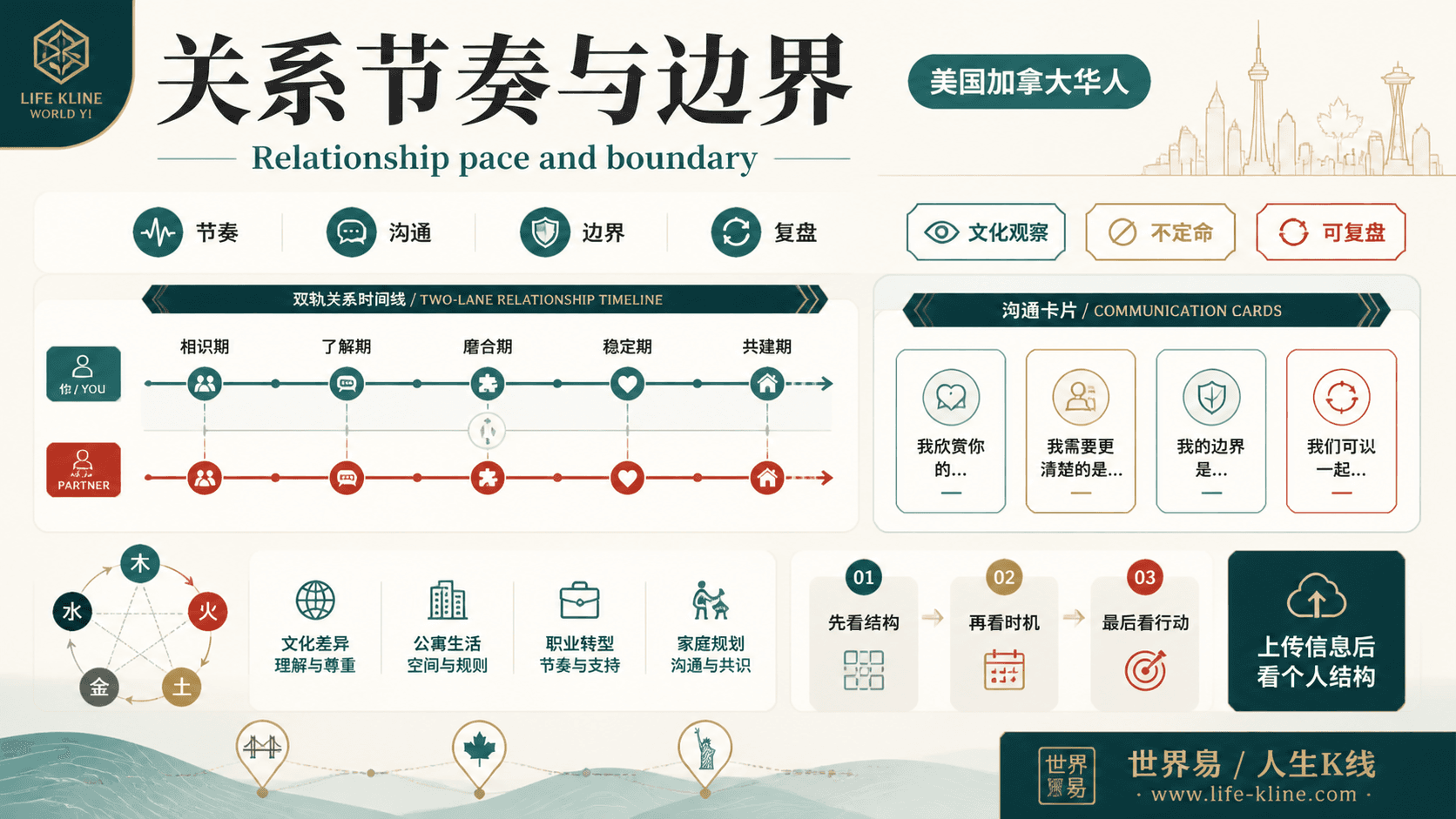
关系节奏与边界|美国加拿大华人
这张图把《Detailed Explanation of Dui Wei Ze Hexagram and Its Fate Applications in the 64 Hexagrams》里的命理概念转成关系、边界和应用场景,适合先看图建立结构,再回到知识文章正文理解细节。
关系节奏与边界不应被写成固定结论。更适合美国加拿大华人的读法,是把传统术语翻译成结构、时机、环境、行动和复盘。
查看图片解读