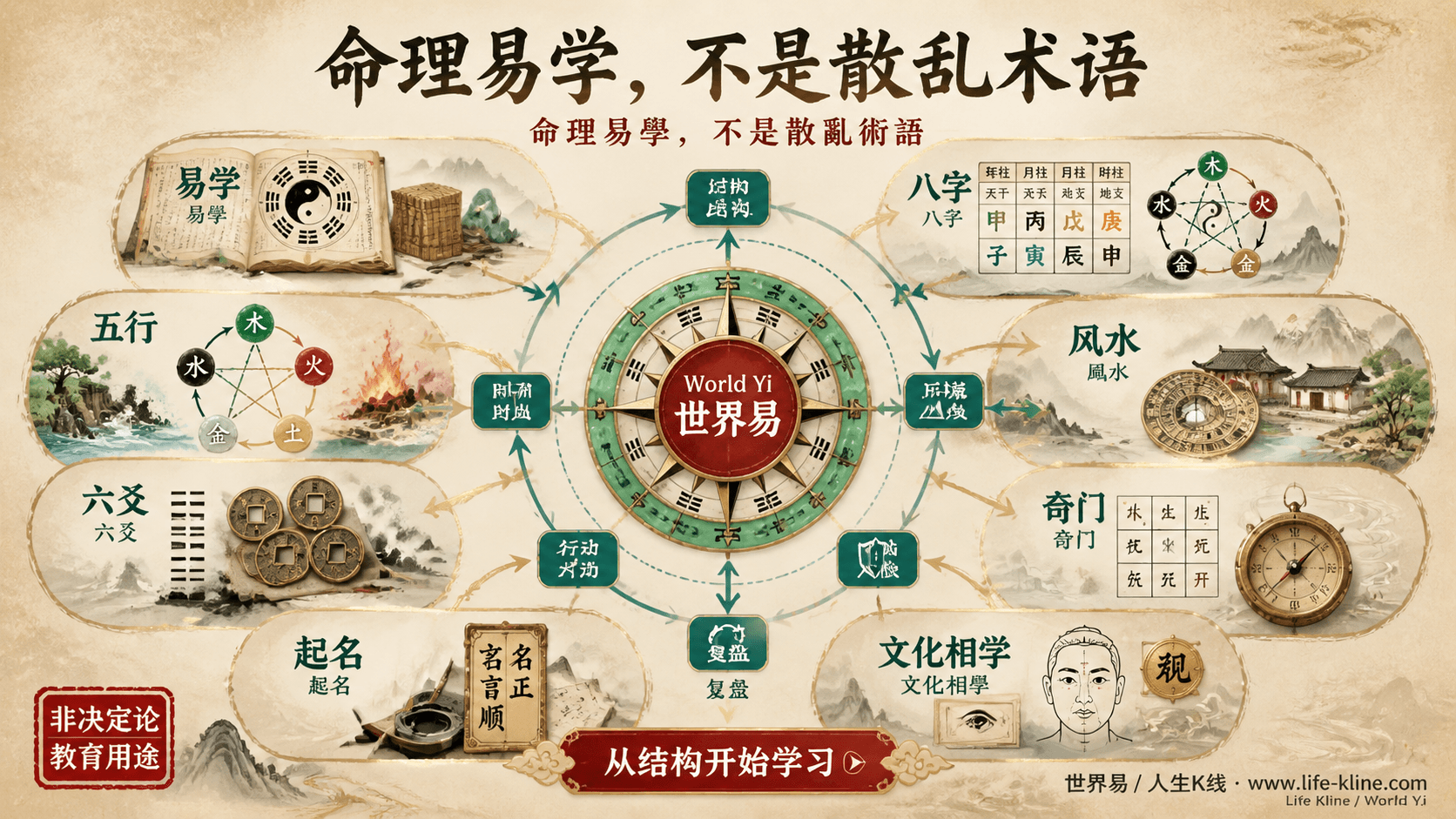
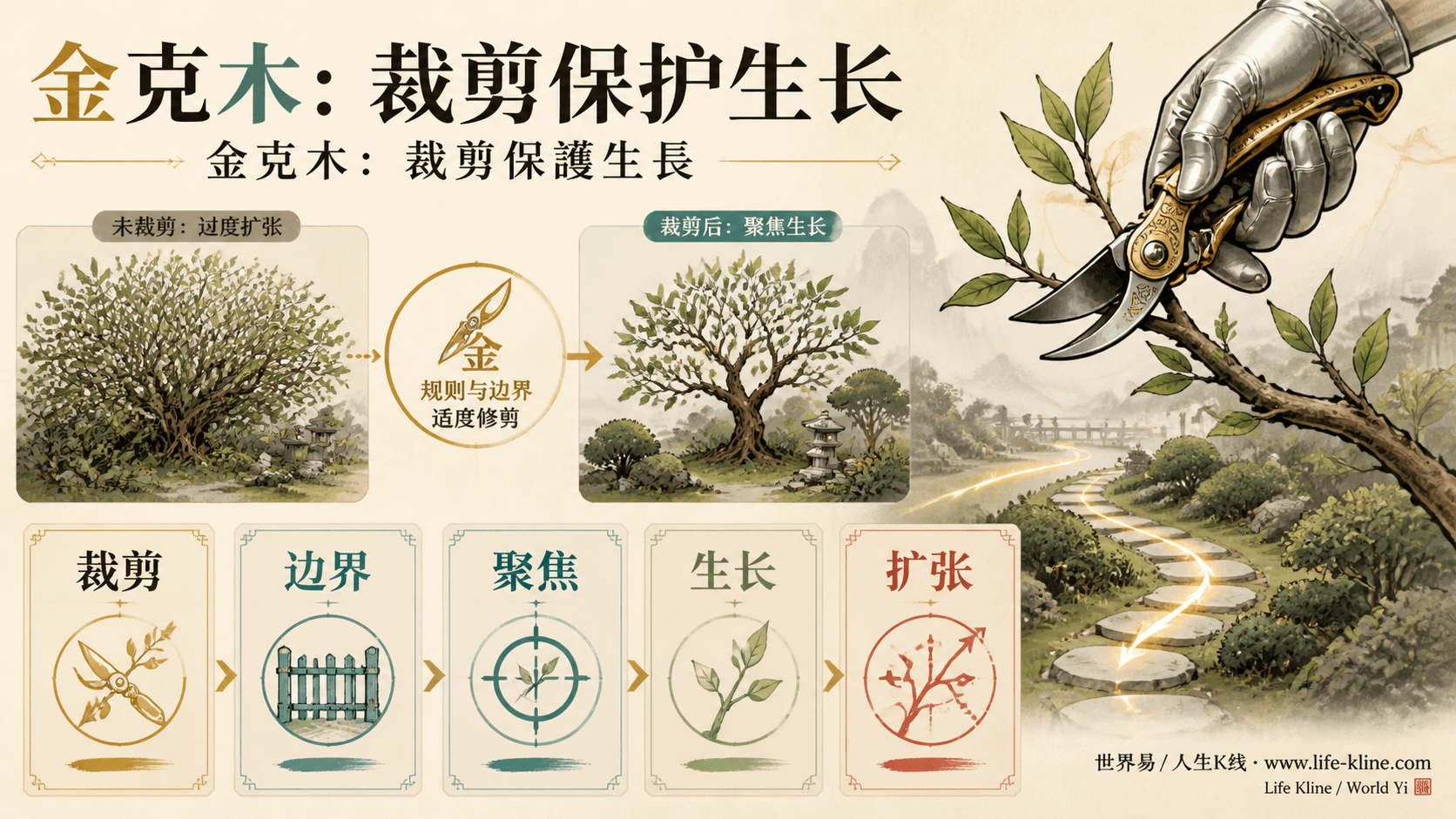
Identifying Gaokao Danger Signals: Metaphysical Guidance for Volunteer and University Decisions
把这篇文章落到自己身上验证:先看结构,再进入个人分析,不做泛泛阅读。
Why This Decision Is Especially Difficult at This Educational Stage
At the stage of filling Gaokao volunteer choices and university selection, parents and students face many practical pressures, including uneven distribution of district educational resources, differences between public and private universities, the streaming mechanism after the middle school entrance exam, and restrictions on extracurricular tutoring under the “Double Reduction” policy. These factors combined make it difficult to rely solely on score thresholds to comprehensively consider the child's actual learning state and psychological endurance.
Moreover, the common intergenerational cultural conflicts between urban parents and children often cause parents’ pursuit of “prestigious schools” and “popular majors” to overlook the child's genuine interests and condition. Especially when facing risks of missing admission cutoffs, setting safety volunteer choices, or deciding on repeating a year, identifying whether the child shows psychological or learning danger signals becomes key to ensuring decision effectiveness.
Metaphysics, as a tool referencing cyclical rhythms, can assist parents in this stage to perceive potential risks in the child's emotional changes and expressive abilities. Particularly, the Ten Gods of Shi Shen (食神, Eating God), Yin Xing (印星, Resource Stars), and Guan Sha (官杀, Officer and Seven Killings) influence learning and expression, providing some indication of when parents should pause chasing scores and prioritize intervening in the child's condition adjustment.
Therefore, the difficulty of decision-making at this stage lies in balancing real academic pressures with the child's physical and mental health, combining metaphysical structure to identify danger signals, and achieving scientific and dynamic Gaokao volunteer and university selection.
Three Core Dimensions of Metaphysical Judgment
First, the strength of the Day Master (Ri Zhu, 日主) and the choice of Yong Shen (用神, favorable element) directly affect the child’s internal energy and expressive ability. In Gaokao decisions, a relatively weak Day Master indicates possible internal consumption requiring the Yong Shen to stabilize the state; a balanced or relatively strong Day Master means the child has better self-regulation but still needs attention to external environmental influences.
Second, the Ten Gods of Shi Shen (食神, Eating God), Yin Xing (印星, Resource Stars), and Guan Sha (官杀, Officer and Seven Killings) correspond respectively to learning and expression, psychological support, and sources of pressure. Shi Shen represents the child’s learning ability and desire to express; Yin Xing symbolizes support and protection from parents or teachers; Guan Sha relates to rules, pressure, or external constraints. These factors fluctuate in the Da Yun (大运, decade luck cycle) and Liu Nian (流年, annual fortune), determining the child’s state variations.
Third, the interaction between Liu Nian and Da Yun reveals the child’s current rhythm—whether to follow the momentum or maintain stability. Da Yun indicates long-term trends, while Liu Nian reflects that year’s environmental changes. A stable Da Yun combined with adaptive Liu Nian suggests parents should flexibly adjust decisions; unfavorable Da Yun accompanied by stressful Liu Nian warns of potential psychological or learning crises.
Integrating these three dimensions allows a systematic identification of danger signals during the Gaokao phase, guiding parents to make scientific decisions at critical points from macro trends to micro states.
Three Real BaZi (命盘) Case Studies
Case 1: The female’s Day Master is Geng (庚, Yang Metal) and relatively weak, belonging to the Pian Cai (偏财, Indirect Wealth) pattern, with Yong Shen being Earth (土). Currently in the early stage of Geng Zi (庚子) Da Yun, with Liu Nian Bing Wu (丙午). The weak Day Master indicates insufficient internal energy; Earth as Yong Shen helps stabilize the foundation. The Geng Zi Da Yun suggests maintaining stability, while the Bing Wu Liu Nian requires flexible adaptation. In the Gaokao decision context, this BaZi suggests the child is prone to limited expression under academic pressure, especially when Shi Shen is weak, making it difficult to fully demonstrate learning outcomes. Danger signals often manifest as emotional fluctuations and communication barriers. The recommended judgment sequence is to first confirm whether the child shows signs of emotional depression or avoidance of study, then assess if score chasing should be paused to prioritize psychological counseling and state adjustment.
Case 2: The male’s Day Master is Geng (庚, Yang Metal) and balanced, belonging to the Cong Er (从儿) pattern, with Yong Shen being Water and Wood, and Ji Shen (忌神, unfavorable element) being Earth. Currently in the second year of Ren Zi (壬子) Da Yun, with Liu Nian Bing Wu (丙午). The favorable Da Yun and Liu Nian indicate good momentum. The balanced Day Master with Water and Wood as Yong Shen reflects strong expressive ability and sufficient learning motivation, supported well by the environment. This BaZi shows the child can cope well with pressure and express clearly in Gaokao volunteer decisions, allowing parents to actively assist in matching majors and schools. However, the Ji Shen Earth warns sensitivity to excessive pressure and rule constraints; if pressure signals appear (e.g., anxiety, insufficient sleep), timely plan adjustments are necessary. The suggested judgment sequence is continuous monitoring of the child’s state, adjusting repeat year or safety volunteer plans appropriately when pressure signs arise, avoiding blind pursuit of high scores.
Case 3: The female’s Day Master is Ji (己, Yin Earth) and balanced, belonging to the Jie Cai (劫财, Rob Wealth) pattern, with Yong Shen being Metal. Currently in the fourth year of Yi You (乙酉) Da Yun, with Liu Nian Bing Wu (丙午). The Jie Cai pattern usually shows strong competitiveness; Metal as Yong Shen benefits rationality and expression. The Da Yun is stable, and Liu Nian calls for flexible adaptation. This BaZi indicates the child has strong self-drive and expressive ability in Gaokao decisions, but the Jie Cai pattern may bring significant internal competition pressure, easily causing neglect of mental health due to overexertion. Danger signals might appear as excessive fatigue or psychological anxiety. The recommended judgment sequence is regular evaluation of the child’s psychological and physical state; if obvious exhaustion or emotional imbalance occurs, decisively pause volunteer adjustments, prioritize state recovery, and avoid aggravating pressure from repeating or changing majors.
Common Misjudgments and Blind Spots at This Stage
The most common misjudgment in Gaokao volunteer decisions is relying solely on scores as the decision criterion, ignoring the child’s psychological and expressive state. Signals from Shi Shen and Yin Xing in the metaphysical structure are often overlooked, causing parents to miss early warnings of pressure or emotional crises.
Another blind spot is overreliance on short-term Liu Nian auspiciousness or inauspiciousness, neglecting the long-term trend of Da Yun. For example, children in unfavorable Da Yun periods may struggle to sustain efficient learning even if the Liu Nian is favorable; parents focusing only on Liu Nian can fall into blind optimism.
Additionally, ignoring the impact of parent-child relationships and family environment on metaphysical manifestations is a pitfall. Even if the BaZi shows strong Yong Shen, excessive parental pressure or poor communication in reality can amplify danger signals and deteriorate the child’s psychological state.
Finally, metaphysical judgment cannot replace professional psychological assistance. If signs of self-harm, depression, or severe psychological issues are identified, timely professional psychological counseling should be sought. Metaphysics serves only as a rhythm reference to assist parents in scientific coping.
Practical Judgment Sequence
Step one: Combine the child’s metaphysical structure, focusing on the strength of Shi Shen (learning and expression) and Yin Xing (psychological support), identifying the comprehensive influence of current Da Yun and Liu Nian on the child’s state to judge if they are in a pressure amplification or low state period.
Step two: According to metaphysical indications, closely observe the child’s behavioral and emotional changes, such as decreased expressive ability, reduced learning interest, or obvious emotional fluctuations, as real-world reflections of danger signals. If signals are found, prioritize pausing score chasing and shift to psychological and state adjustment.
Step three: Integrate the real educational environment to evaluate the pros and cons of safety volunteer choices, repeating a year, or early admission plans, avoiding blind pursuit of high scores or popular majors. Adjust decisions timely, maintain communication with the child, ensuring decisions align with metaphysical rhythms while considering psychological health and practical conditions.
FAQ
Question 1: If the child’s Yong Shen is weak in BaZi, does it mean they cannot continue to pursue high-score volunteer choices? Answer: Not necessarily. A weak Yong Shen indicates the child’s state may be unstable, requiring parents to pay attention to the child’s emotions and learning performance. If obvious pressure or expressive obstacles appear, priority should be given to managing the state before considering pursuing high-score volunteers.
Question 2: If the Da Yun is favorable, can the child’s psychological state be ignored? Answer: No. Da Yun reflects long-term trends, but Liu Nian and actual life pressures remain important. Even if Da Yun is favorable, if danger signals appear in Liu Nian or reality, timely intervention and adjustment are still needed.
Question 3: How to judge whether repeating a year or choosing a safety major is necessary? Answer: This should combine the performance of Shi Shen and Yin Xing in BaZi, assessing the child’s expressive ability and psychological support status, and observing whether pressure leads to reduced learning efficiency. If danger signals are obvious, it is preferable to choose safety options or adjust majors to avoid increasing the burden.
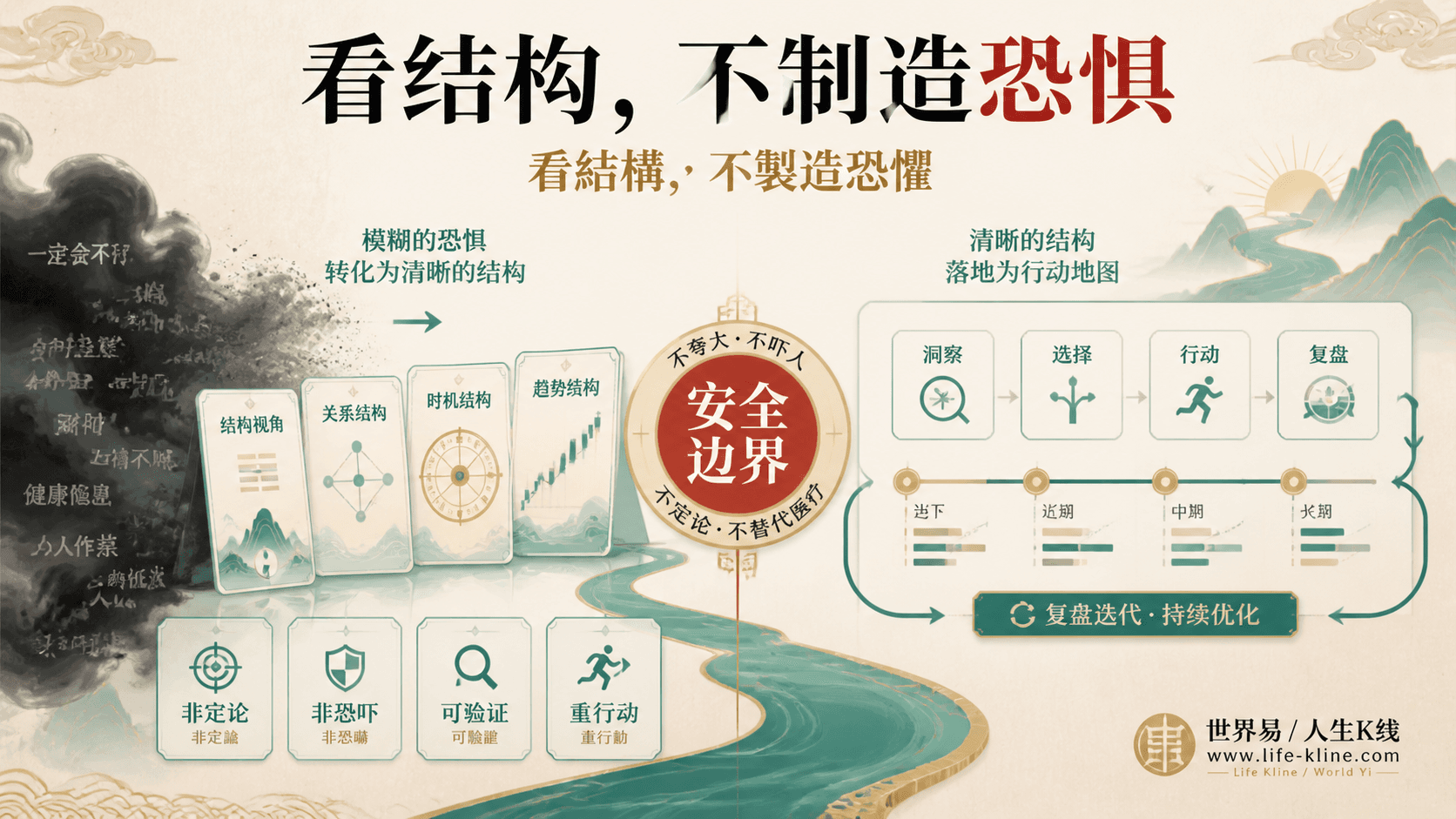
不是宿命论的判断边界
这张图把《Identifying Gaokao Danger Signals: Metaphysical Guidance for Volunteer and University Decisions》接回世界易的判断语言:结构、时位、环境、行动与复盘,避免只停留在概念阅读。
说明世界易和命理分析只做结构化判断,不做恐吓和决定论。
查看图片解读