Astrological Boundary Analysis of Lending and Cooperation Strength in Ambivalent Peer Relationships
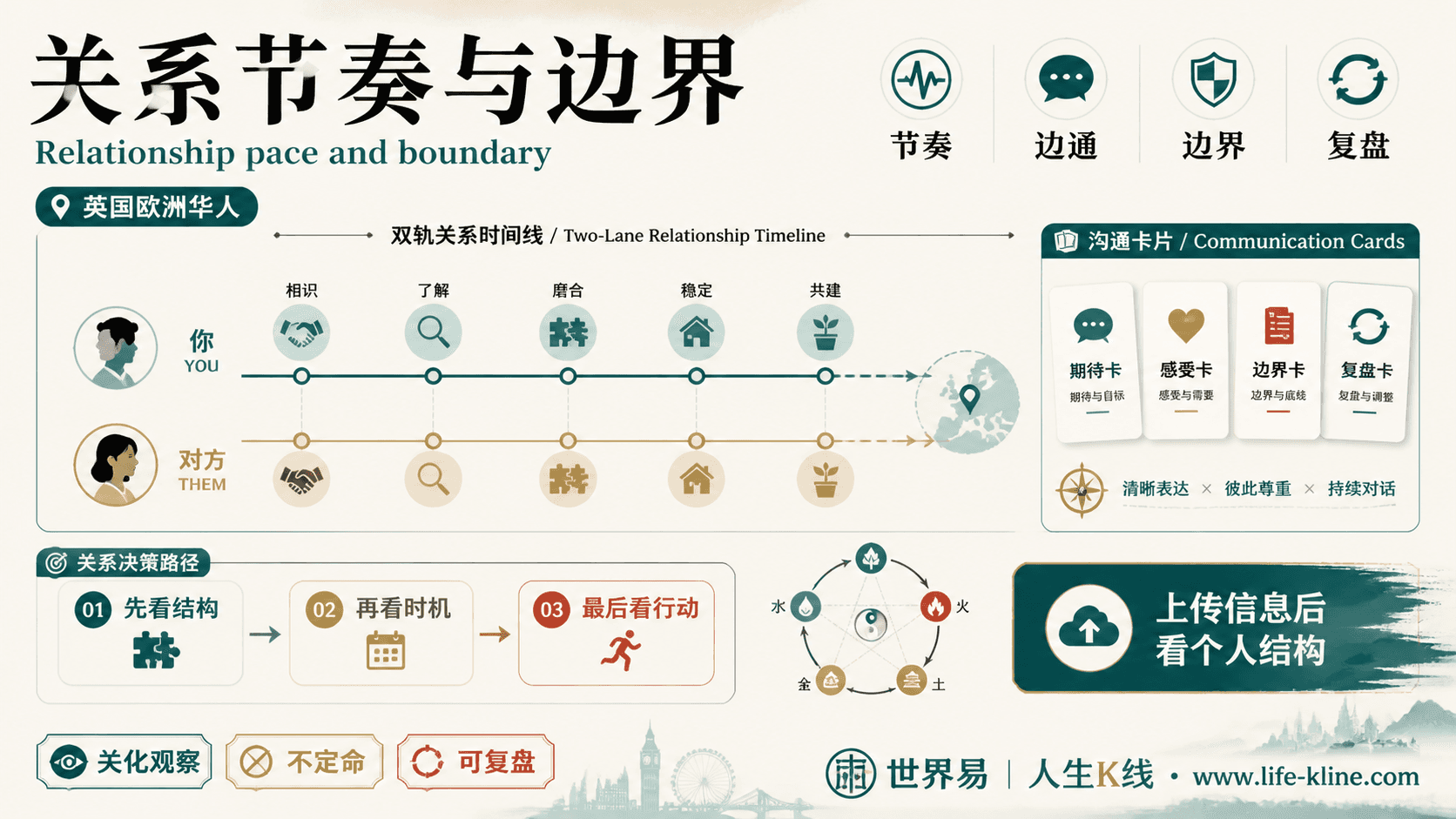
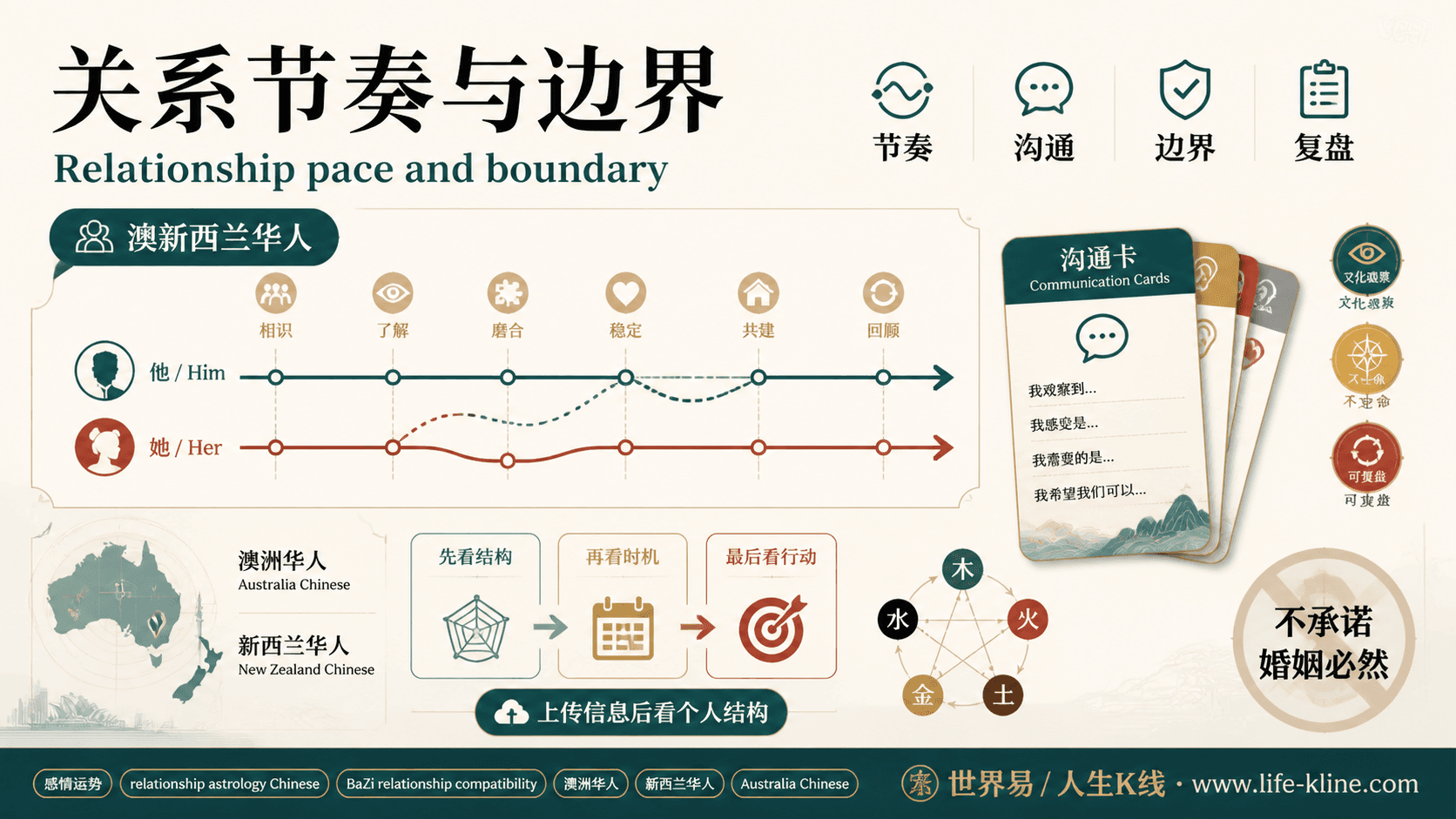
把这篇文章落到自己身上验证:先看结构,再进入个人分析,不做泛泛阅读。
Why This Decision Is Especially Difficult in This Scenario
The relationship among peers and within the same circle inherently involves a dual tension between resource competition and cooperation. On one hand, mutual help is needed to achieve win-win outcomes; on the other hand, each party is a potential competitor, making information boundaries and benefit distribution prone to friction. Especially when lending funds, materials, or providing assistance, trust deficits and psychological burdens often arise, easily triggering jealousy, suspicion, and social comparison pressure.
Moreover, the conflict between emotion and rationality in social decision-making is particularly evident. People often overextend themselves beyond their limits due to face-saving, emotional dependence, or fear of losing social capital, ultimately leading to excessive resource depletion or relationship deterioration. At this point, accurately identifying the other party’s interaction boundaries and potential risks becomes crucial.
Astrological structures play a supportive role here by analyzing the Day Master’s strength, pattern’s Yong Shen and Ji Shen (unfavorable elements), and the auspiciousness of Da Yun and Liu Nian to help judge the other party’s personality traits, risk tolerance, and willingness to cooperate. Especially combinations of Bi Jian (Peer), Shi Shen (Eating God), Cai Xing (Wealth Stars), and Guan Sha (Officer and Seven Killings) reflect competition among friends, communication styles, financial transactions, and pressure sources, thus assisting in defining the intensity of lending and cooperation.
Integrating social dynamics with astrological rhythms can reduce psychological burdens and cognitive biases in decision-making, enabling more scientific setting of interaction limits to maintain the balance of ambivalent peer relationships and avoid excessive depletion or missed cooperation opportunities.
Three Core Dimensions of Astrological Judgment
The Day Master and Bi Jian (Peer) stars represent self and peer competitors in friendships. A strong Bi Jian indicates intense competition awareness among friends, often resulting in complex “ambivalent friend-enemy” interactions. Under a Bi Jian pattern, friendships usually involve strong resource contention and self-expression needs; lending and cooperation require cautious limits to avoid unnecessary losses.
Shi Shen (Eating God) stars reflect information expression and emotional release. Those with strong Shi Shen have good communication skills and openly express emotions, facilitating transparent information boundaries and reducing misunderstandings during cooperation. However, excessive Shi Shen may cause over-emotionality, affecting rational decisions, so emotional management is necessary.
Cai Xing (Wealth Stars) represent social debts and resource exchanges. A strong Cai Xing shows the other party’s proactive attitude in lending and assistance but may also bring financial pressure or disputes. Guan Sha (Officer and Seven Killings) stars symbolize pressure and rules; complex Guan Sha combinations often lead to rule conflicts or authoritative pressure in friendships. Cooperation requires careful definition of responsibilities and rights to prevent unclear authority.
Finally, Da Yun and Liu Nian, as temporal rhythms, reflect the current auspiciousness of the cooperation environment. Favorable luck cycles facilitate smooth cooperation and resource flow; unfavorable or clashing cycles require vigilance for potential risks and appropriate tightening of lending and assistance to avoid relationship breakdown due to external pressures.
Three Real BaZi Chart Cases
Case 1: The female Day Master is Ji (己, Ji) Earth, relatively strong, with a Bi Jian pattern. The Yong Shen are Wood and Water, the Ji Shen is Fire. She is currently in the Jia Xu (甲戌, Jia Xu) Da Yun, with the Liu Nian being Bing Wu (丙午, Bing Wu). The strong Ji Earth Day Master combined with a Bi Jian pattern reflects a strong self-awareness and competitiveness; the strong Bi Jian indicates obvious peer competition and resource contention. The Yong Shen Wood and Water suggest the need for external softness and flow to balance her own rigidity, while the Ji Shen Fire warns that excessive Fire may trigger emotional conflicts. Under the auspicious Jia Xu Da Yun, career and wealth improve, but the Bing Wu Liu Nian’s strong Fire requires attention to emotional volatility and conflict escalation.
In the ambivalent peer social game, the strong Ji Earth and Bi Jian indicate the other party is unlikely to show weakness in competition; lending or helping is often accompanied by strong self-assertion and resource protection awareness. Cooperation investments require clear bottom lines. The presence of the Fire Ji Shen warns that if the other party’s Fire is strong (intense emotions), caution is needed to avoid unnecessary conflict escalation.
Judgment advice: Prioritize assessing the other party’s recent emotional state and whether resource demands are reasonable. If Fire is strong (disputes, intense expressions), tighten lending boundaries promptly; conversely, during favorable luck cycles, cooperation intensity can be moderately increased, but transparency and reciprocity in resource flow must be maintained.
Case 2: The female Day Master is Bing (丙, Bing) Fire, relatively strong, with a Yang Ren (羊刃) pattern. The Yong Shen is Fire, and the Ji Shen is Wood. She is currently in the Jia Wu (甲午, Jia Wu) Da Yun, with the Liu Nian being Bing Wu (丙午, Bing Wu). The Yang Ren pattern with a strong Bing Fire Day Master shows strong self-expression and leadership desire; the Yong Shen Fire further enhances her initiative and action, while the Ji Shen Wood indicates that excessive Wood weakens her energy, requiring prevention of external interference or depletion.
In the ambivalent peer environment, the Yang Ren Bing Fire individual often exhibits strong competitiveness and autonomous cooperation attitude. Cooperation is proactive but demands high resource boundary clarity. The stable Jia Wu Da Yun favors maintaining achievements, while the Bing Wu Liu Nian’s strong Fire emphasizes adaptability and timely adjustments.
Therefore, lending or assistance should be conservative, avoiding blind high investment. The presence of Ji Shen Wood warns that when the partner’s environment is Wood-strong, risks of resource dispersion or depletion may arise, necessitating clear cooperation goals and exit mechanisms in advance.
Judgment advice: Clearly define mutual responsibilities before cooperation; observe if the other party is under Wood-strong Ji Shen conditions to avoid prolonged ineffective investment. Suitable for phased, small-scale trial cooperation, with flexible adjustment of cooperation intensity according to Liu Nian changes.
Case 3: The female Day Master is Geng (庚, Geng) Metal, relatively strong, with a Qi Sha (Seven Killings) pattern. The Yong Shen are Fire and Wood, the Ji Shen is Earth. She is currently in the Gui Si (癸巳, Gui Si) Da Yun, with the Liu Nian being Bing Wu (丙午, Bing Wu). The strong Qi Sha Geng Metal symbolizes strong action and external pressure; the Fire and Wood Yong Shen indicate a need to utilize external energy to activate her potential, while the Earth Ji Shen suggests that Earth’s obstruction may limit development.
In peer competition and cooperation, the Qi Sha pattern brings strong competitive pressure and responsibility. Cooperation relationships tend to involve pressure and tests, but the Fire and Wood Yong Shen facilitate emotional expression and resource circulation, favoring smooth cooperation progress. The Gui Si Da Yun is auspicious, and the Bing Wu Liu Nian supports cooperation expansion.
However, the presence of Ji Shen Earth warns to be vigilant about Earth-related restrictions in cooperation, such as rule obstacles, unclear responsibilities, or resource blockages. Lending or cooperation intensity should be actively promoted under favorable conditions but beware of energy dissipation caused by Earth’s obstruction.
Judgment advice: Focus on clarifying rules and responsibilities in cooperation to avoid bottlenecks caused by Earth Ji Shen effects. Suitable to increase investment when resources flow smoothly; adjust strategies promptly when encountering obstacles to avoid stubborn persistence.
Common Misjudgments and Blind Spots in This Scenario
First, overreliance on emotional decisions while ignoring objective signals from the Day Master and Yong Shen in BaZi. For example, those with strong Bi Jian have fierce competition but blindly lend out of friendship or face considerations, ultimately causing resource loss and relationship deterioration.
Second, neglecting the rhythm changes of Liu Nian and Da Yun and keeping cooperation intensity unchanged. In fact, increasing investment moderately during auspicious cycles and tightening boundaries during unfavorable or Ji Shen-dominant times is more practical.
Third, treating BaZi as an absolute predictive tool and ignoring the complexity of emotional and psychological consumption in social relationships. BaZi only assists in judging rhythm and risk; specific cooperation still requires real communication and professional consultation, especially when money and legal issues are involved.
Fourth, ignoring the rule and authority pressure brought by Guan Sha combinations, leading to unclear cooperation expectations and responsibility divisions, causing conflicts. Reasonable definition of responsibilities combined with astrological guidance helps avoid unfair resource distribution.
Practical Judgment Sequence
First, assess the other party’s Day Master strength and pattern type to judge their initiative and defensiveness in resource competition. For example, Bi Jian and Yang Ren patterns require cautious limit setting, while Qi Sha patterns call for attention to rules and responsibilities. Next, combine Yong Shen and Ji Shen to evaluate how the current cooperation environment supports or restricts the other party’s energy, clarifying potential risks and opportunities.
Then, integrate the current Da Yun and Liu Nian rhythms to judge the auspiciousness of cooperation timing. During favorable luck cycles, cooperation investment can be moderately increased; during unfavorable or Ji Shen-dominant times, resource boundaries should be tightened to avoid unnecessary losses. Finally, continuously monitor emotional expression and responsibility division during cooperation to prevent disputes caused by information asymmetry or rule conflicts.
For any cooperation involving money or legal matters, formal procedures and professional channels should be prioritized. Astrological judgment only serves as a rhythm reference and cannot replace contracts and legal protections. Maintaining rationality and transparency and reasonably setting lending and assistance boundaries are essential to maintaining dynamic balance in ambivalent peer relationships.
FAQ
Question 1: How much cooperation risk is suitable for someone with strong Bi Jian in the same industry? Answer: Strong Bi Jian usually indicates intense competition awareness and resource contention. Cooperation should have strict limits to avoid unnecessary resource loss. It is recommended to prioritize self-interest protection, with cooperation based on reciprocity and clear boundaries, avoiding emotional amplification of risks.
Question 2: How significant is the influence of Liu Nian and Da Yun on cooperation decisions? Answer: Liu Nian and Da Yun reflect the current environment’s auspiciousness changes. Cooperation is smoother during favorable luck cycles, allowing moderate increase in investment; during unfavorable or Ji Shen-dominant times, boundaries should be tightened cautiously. Reasonably utilizing rhythm changes and dynamically adjusting cooperation intensity helps reduce risks and emotional consumption.
Question 3: How to avoid unclear responsibilities and conflicts when cooperating with friends with complex Guan Sha combinations? Answer: Guan Sha combinations symbolize rules and authority pressure. Cooperation requires clear responsibility division and rule systems to avoid disputes caused by unclear authority. Under astrological guidance, proactively establish clear cooperation agreements and maintain transparent communication to prevent potential power struggles and resource contention.
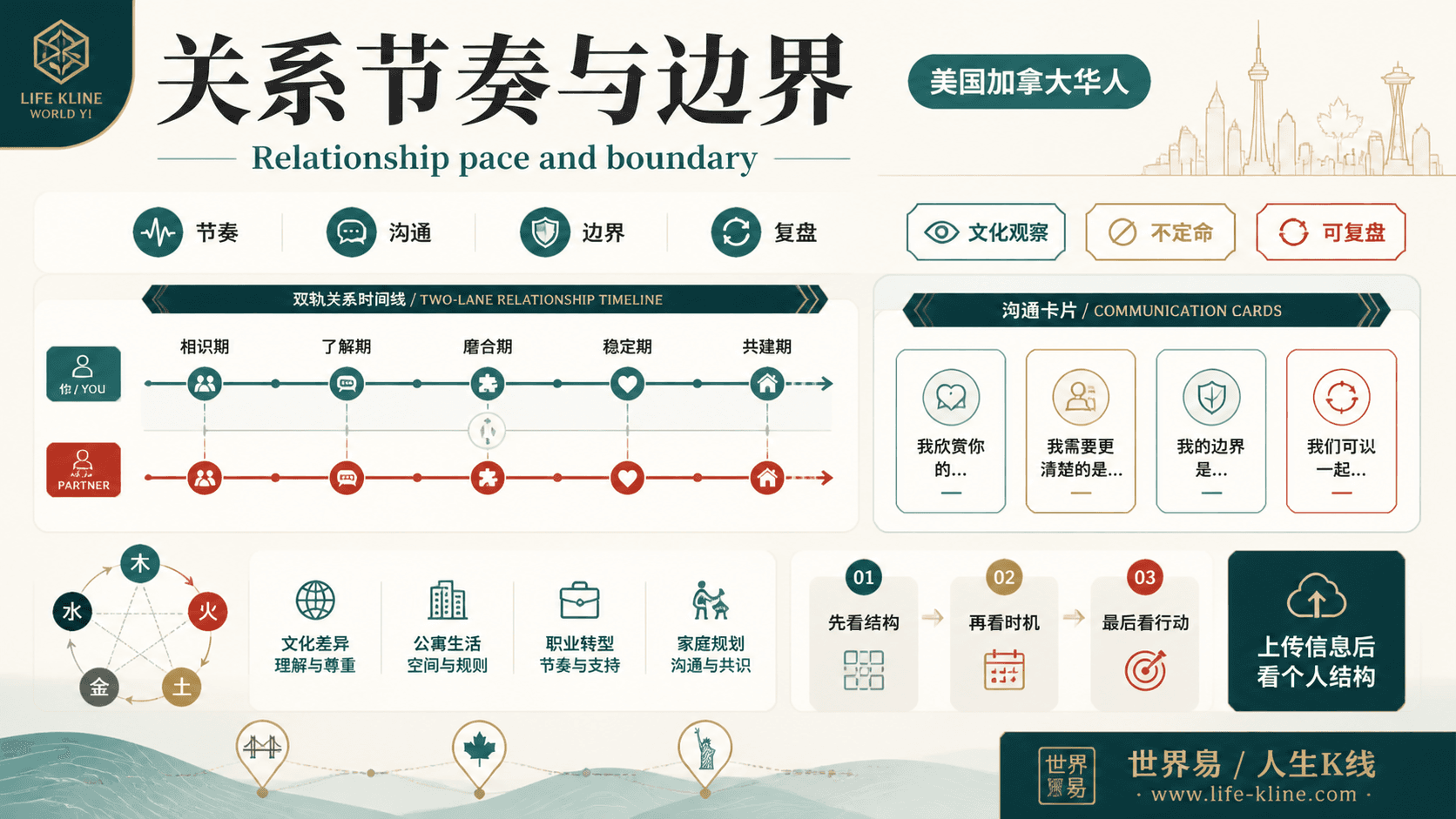
关系节奏与边界|美国加拿大华人
这张图把《Astrological Boundary Analysis of Lending and Cooperation Strength in Ambivalent Peer Relationships》里的命理概念转成关系、边界和应用场景,适合先看图建立结构,再回到知识文章正文理解细节。
关系节奏与边界不应被写成固定结论。更适合美国加拿大华人的读法,是把传统术语翻译成结构、时机、环境、行动和复盘。
查看图片解读