Metaphysical-Assisted Identification of Danger Signals in Elderly Chronic Disease Care
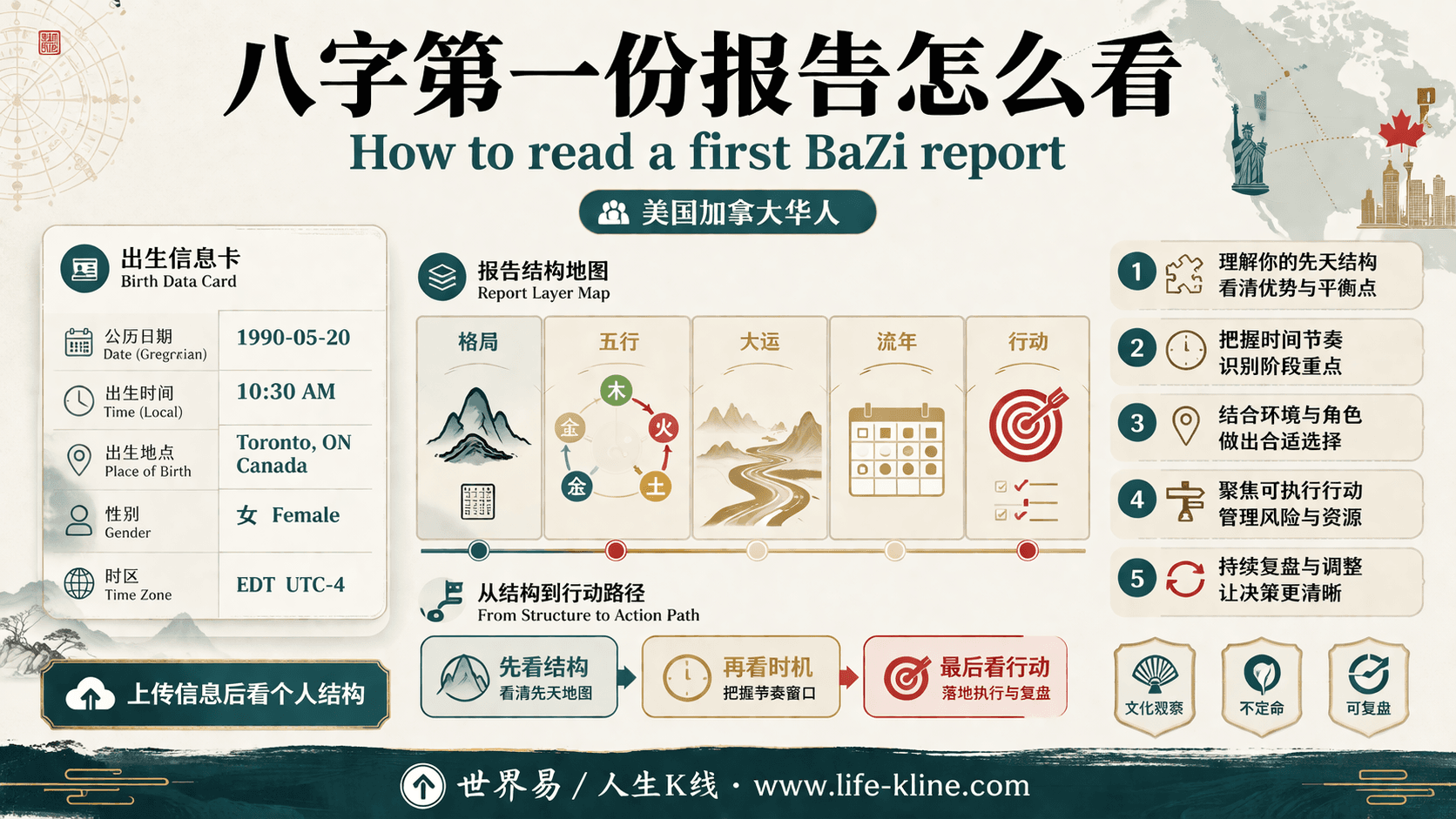
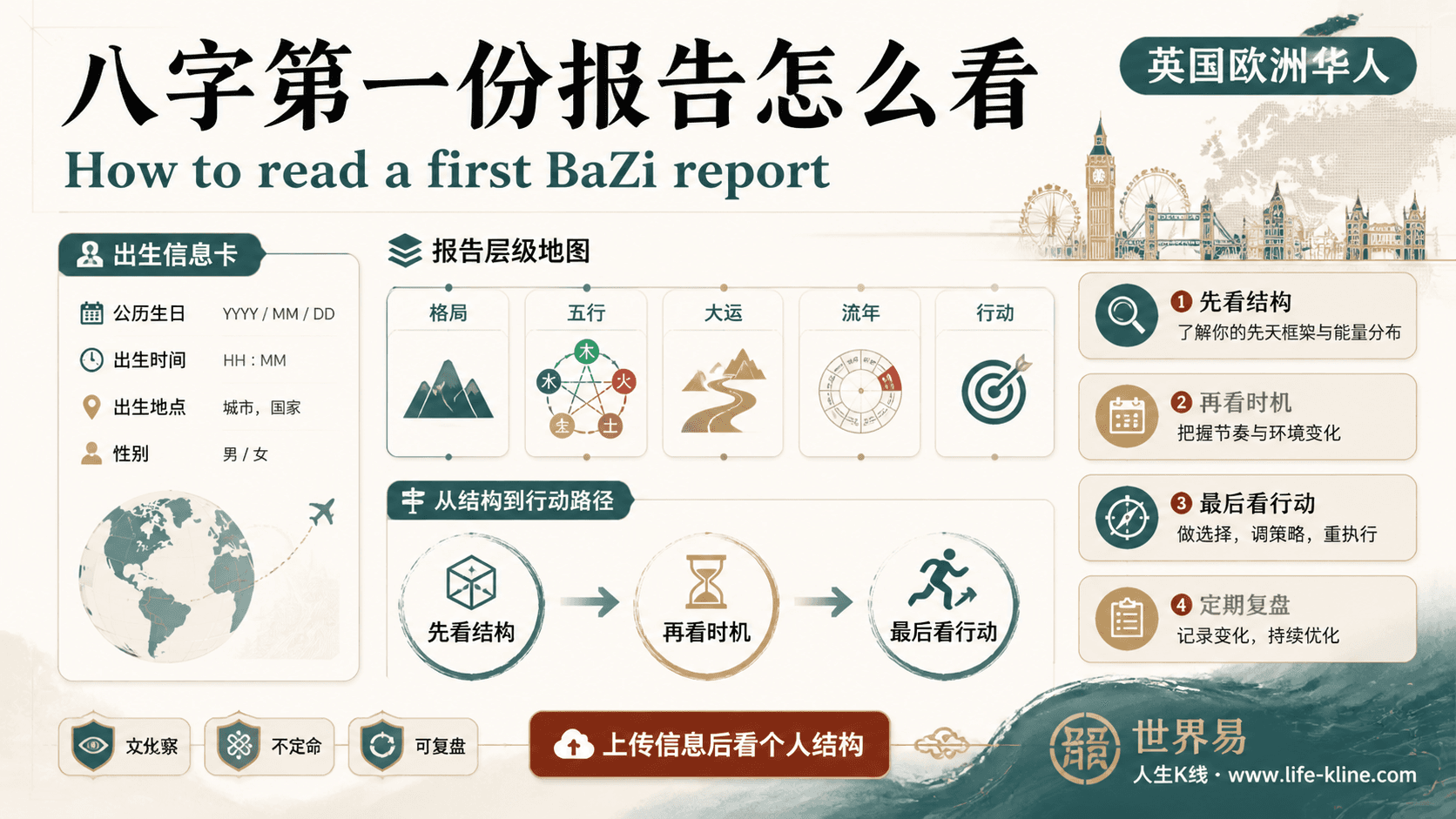
把这篇文章落到自己身上验证:先看结构,再进入个人分析,不做泛泛阅读。
Why This Decision Is Especially Difficult in This Health Scenario
In elderly chronic disease care, family members and caregivers face multiple challenges including risks of hypertension, diabetes, falls, and memory decline, with most patients on long-term medication and complex physical and psychological conditions. Judging when danger signals appear requires comprehensive consideration of symptom changes and conflicts with daily rhythms, especially when sudden symptoms like dizziness, palpitations, or altered consciousness occur, making decision-making extremely difficult.
The physical rhythms of chronic disease patients often become imbalanced due to medication and age-related degeneration. The Five Elements (Wu Xing) imbalances in BaZi, reflecting excess or deficiency, correspond to the functional states of internal organs and provide an auxiliary perspective for judgment. For example, Wood corresponds to Liver and Gallbladder, Fire to Heart, Earth to Spleen and Stomach, Metal to Lungs, and Water to Kidneys. Both excess and deficiency may indicate high pressure or weakness in organ functions.
Moreover, changes in Liu Nian (annual fortune) and Da Yun (decade luck cycles), such as the Bing Wu (丙午, Bing Fire over Horse) Liu Nian with vigorous Fire energy, can exacerbate heart Fire hyperactivity symptoms, triggering palpitations, insomnia, and disturbing the patient’s life rhythm. Integrating metaphysical information helps identify rhythm patterns behind symptoms and predict potential worsening points.
However, family members often overlook these metaphysical rhythm changes, misjudging them as ordinary fatigue or normal aging, thus delaying timely medical consultation. Scientifically combining Five Elements organ correspondences with actual symptoms enables more precise danger signal identification and effective medical escalation.
Metaphysics and Five Elements Organ Correspondences
The Day Master represents the individual’s fundamental energy and constitution; its relative strength or weakness often corresponds to the excess or deficiency of organ functions. A weak Wood Day Master such as Yi Wood (乙, Yi) may indicate insufficient Liver function, manifesting as emotional fluctuations and limb weakness; a balanced Wood Day Master like Jia Wood (甲, Jia) suggests generally stable Liver function but requires vigilance against external shocks; an overly strong Earth Day Master such as Wu Earth (戊, Wu) indicates robust Spleen and Stomach function but a tendency to generate internal damp-heat affecting metabolism.
Yong Shen (favorable element) is the key force to harmonize the Five Elements imbalance in the BaZi chart. Water Yong Shen strengthens Kidney and urinary systems; Metal Yong Shen regulates Lung and respiratory functions; Fire Yong Shen activates Heart and lung functions. The presence of Ji Shen (unfavorable element) may aggravate the corresponding organ burden. For example, Fire as Ji Shen in an Earth Day Master with excess Earth may trigger heart Fire hyperactivity, causing insomnia and palpitations.
Interactions between Da Yun and Liu Nian reflect the individual’s changing physical rhythms over time. For instance, in the Gui Wei (癸未) Da Yun, the Water-Earth relationship requires balancing Kidney and Spleen-Stomach functions; the Bing Wu (丙午) Liu Nian with strong Fire energy significantly increases the heart and lung burden. Such rhythm changes are especially critical in elderly chronic disease care because they directly affect physiological and psychological states.
By integrating the Day Master’s Five Elements excess or deficiency, Yong Shen and Ji Shen, and current Da Yun and Liu Nian, one can assist in judging potential risks to organ functions. This helps in early identification of possible danger signals and guides families to reasonably arrange observation periods and timing for medical escalation.
Three Real BaZi Case Studies
Case 1: A female with a weak Yi Wood (乙, Yi) Day Master, having a Bi Jian (比肩) pattern, uses Water as Yong Shen, and Fire and Earth as Ji Shen. She is in the 8th year of the Gui Wei (癸未) Da Yun, with the current Liu Nian being Bing Wu (丙午). The weak Yi Wood corresponds to weak Liver and Gallbladder function; Water Yong Shen indicates the need to strengthen Kidney function; Fire and Earth Ji Shen warn of burdens on the Heart and Spleen-Stomach. In elderly chronic disease scenarios, if persistent dizziness, memory decline, or frequent urination appear, the BaZi chart suggests vigilance for Kidney deficiency and Liver-Gallbladder disharmony, while the Fire-strong Liu Nian may aggravate heart Fire. Decision-making should first observe symptom development; if accompanied by palpitations or altered consciousness, immediate medical attention is required.
Case 2: A male with a balanced Jia Wood (甲, Jia) Day Master, Shang Guan (伤官) pattern, Metal Yong Shen, currently in the 3rd year of the Gui Chou (癸丑) Da Yun, with the Liu Nian also being Bing Wu (丙午). The balanced Jia Wood indicates relatively stable Liver function, but the Shang Guan pattern carries emotional fluctuation risks; Metal Yong Shen suggests attention to Lung function. The Gui Chou Da Yun’s Water-Earth balance protects Kidney and Spleen-Stomach, while the Bing Wu Fire-strong Liu Nian may induce heart and lung stress. In elderly chronic disease care, if symptoms such as breathing difficulty, chest tightness, or blood pressure fluctuations occur, the BaZi chart indicates a need to monitor Lung and Kidney functions closely. Families should closely observe breathing and heart rate; if symptoms worsen rapidly, timely medical escalation is advised.
Case 3: A male with an overly strong Wu Earth (戊, Wu) Day Master, Shang Guan pattern, Fire Yong Shen but Fire also as Ji Shen, currently in the 8th year of the Yi Wei (乙未) Da Yun, with the Bing Wu (丙午) Fire-strong Liu Nian. The strong Wu Earth reflects robust Spleen-Stomach but a tendency to generate damp-heat; the coexistence of Fire Yong Shen and Ji Shen indicates a risk of heart Fire hyperactivity. In elderly chronic disease scenarios, if insomnia, anxiety, blood sugar fluctuations, or skin eczema appear, internal heat caused by Fire-Earth conflict should be considered. Decision-making should focus on mental state and metabolic indicators; if severe palpitations or hyperglycemic emergencies occur, immediate medical care is essential. Metaphysical rhythms suggest such symptoms tend to be amplified.
These three cases demonstrate the correspondence between BaZi Five Elements and elderly chronic disease symptoms. Combining Liu Nian and Da Yun rhythms assists in judging danger signals, helping families grasp decision timing amid complex symptoms.
Common Misjudgments and Blind Spots in This Scenario
In elderly chronic disease care, common misjudgments include mistaking serious symptoms for normal aging decline or medication side effects, neglecting underlying acute danger signals. Such misjudgments often lead to missing the optimal treatment window and can be life-threatening.
Another blind spot is overreliance on metaphysical inference while ignoring clinical examinations and medical diagnoses. Metaphysics can provide rhythm and trend references but must never replace professional medical judgment. Severe symptoms such as intense chest pain, loss of consciousness, or severe breathing difficulty require immediate medical attention to avoid treatment delays.
Additionally, families using metaphysical assistance often overlook the dynamic changes of Five Elements mutual generation and restriction, using only Day Master strength as the judgment criterion, neglecting the comprehensive influence of Yong Shen, Ji Shen, Da Yun, and Liu Nian on organ functions, leading to erroneous judgments.
Therefore, metaphysics should serve as an auxiliary tool, combined with actual symptoms and medical evaluation, to scientifically identify danger signals and avoid risks caused by blind decision-making.
Practical Judgment Sequence
First, observe whether the patient exhibits red-flag symptoms such as chest tightness, dizziness, consciousness disturbances, or breathing difficulties. These require immediate medical attention; metaphysical rhythms can only serve as auxiliary references and must not delay treatment.
Second, analyze the BaZi chart’s Day Master Five Elements excess or deficiency, and evaluate the impact of Yong Shen and Ji Shen on organ functions. Assess whether symptoms relate to imbalances in Liver-Gallbladder, Heart-Lung, Spleen-Stomach, or Kidney functions to decide if enhanced monitoring or care adjustments are necessary.
Finally, based on current Da Yun and Liu Nian rhythm changes, judge whether symptoms may cyclically worsen, guiding families to arrange observation frequency reasonably and avoid triggers. When necessary, cooperate with professional doctors for regular check-ups and functional assessments.
FAQ
Question 1: Can metaphysics replace doctors in judging danger signals of elderly chronic diseases? Answer: Metaphysics is only an auxiliary tool to help understand bodily rhythms and potential risks; it cannot replace medical diagnosis. Severe symptoms require immediate medical attention.
Question 2: How to use metaphysics to judge when to upgrade medical intervention? Answer: Combine Day Master Five Elements strength or weakness, Yong Shen and Ji Shen, and changes in Da Yun and Liu Nian. Observe whether symptoms worsen or show organ function imbalance. If red-flag signals appear, seek medical care immediately.
Question 3: How can families avoid metaphysical misjudgments causing treatment delays? Answer: Metaphysical references must be combined with actual symptoms and medical examinations. Do not make decisions based solely on metaphysical information. Seek medical help promptly when emergency symptoms arise.
木过旺与再平衡
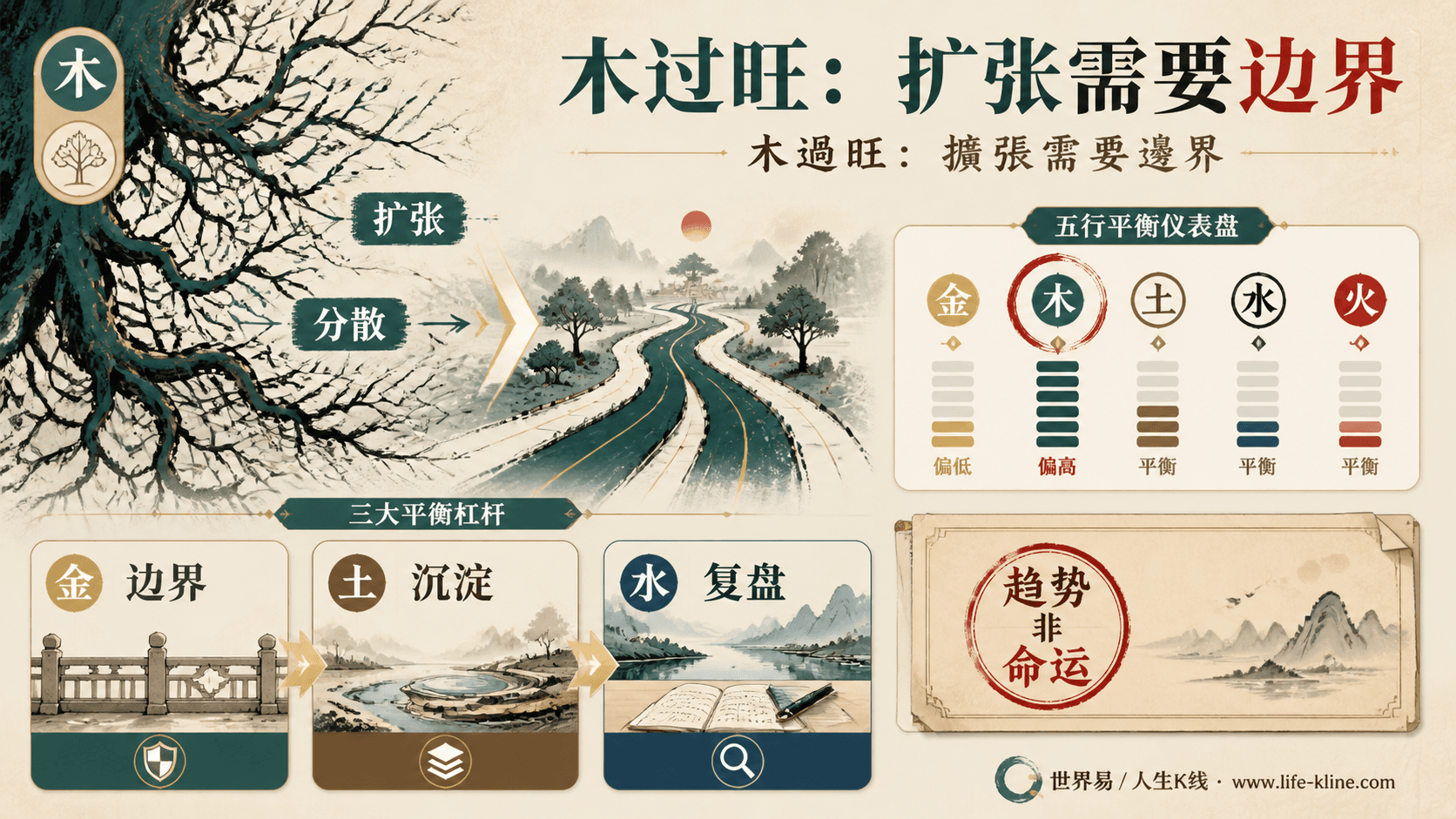
这张图把《Metaphysical-Assisted Identification of Danger Signals in Elderly Chronic Disease Care》里的命理概念转成关系、边界和应用场景,适合先看图建立结构,再回到知识文章正文理解细节。
木过旺常表现为扩张过快、计划繁多、方向分散。在人生K线系统中,这是一种时位特征,而非固定标签。通过引入边界、沉淀与复盘,可实现自然再平衡,导向更可持续的结构。
查看图片解读