Wei (未): Yin-Yang Attribute and Five Elements Hidden Stems of the Earthly Branch Explained
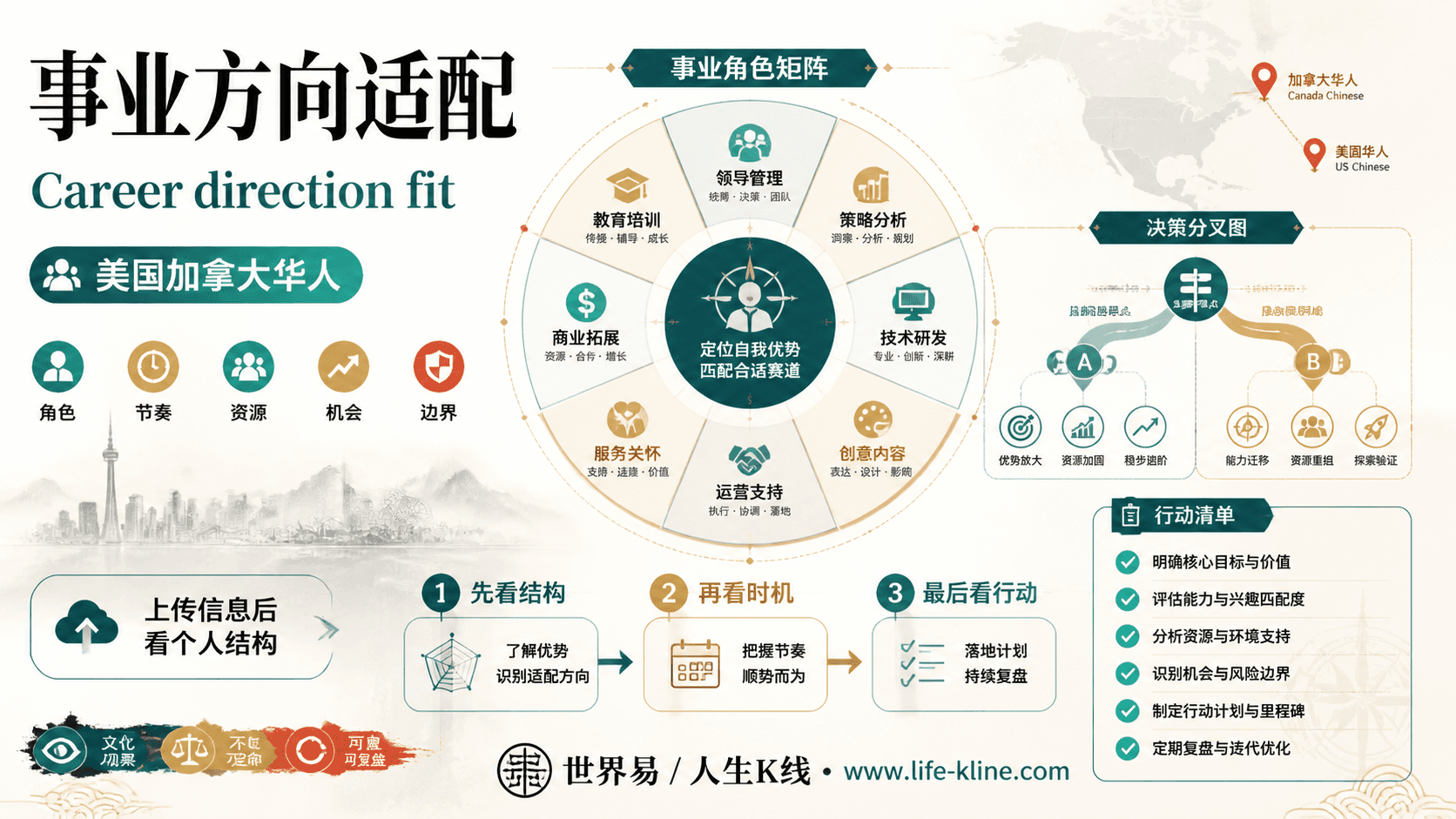
把这篇文章落到自己身上验证:先看结构,再进入个人分析,不做泛泛阅读。
Concept Definition
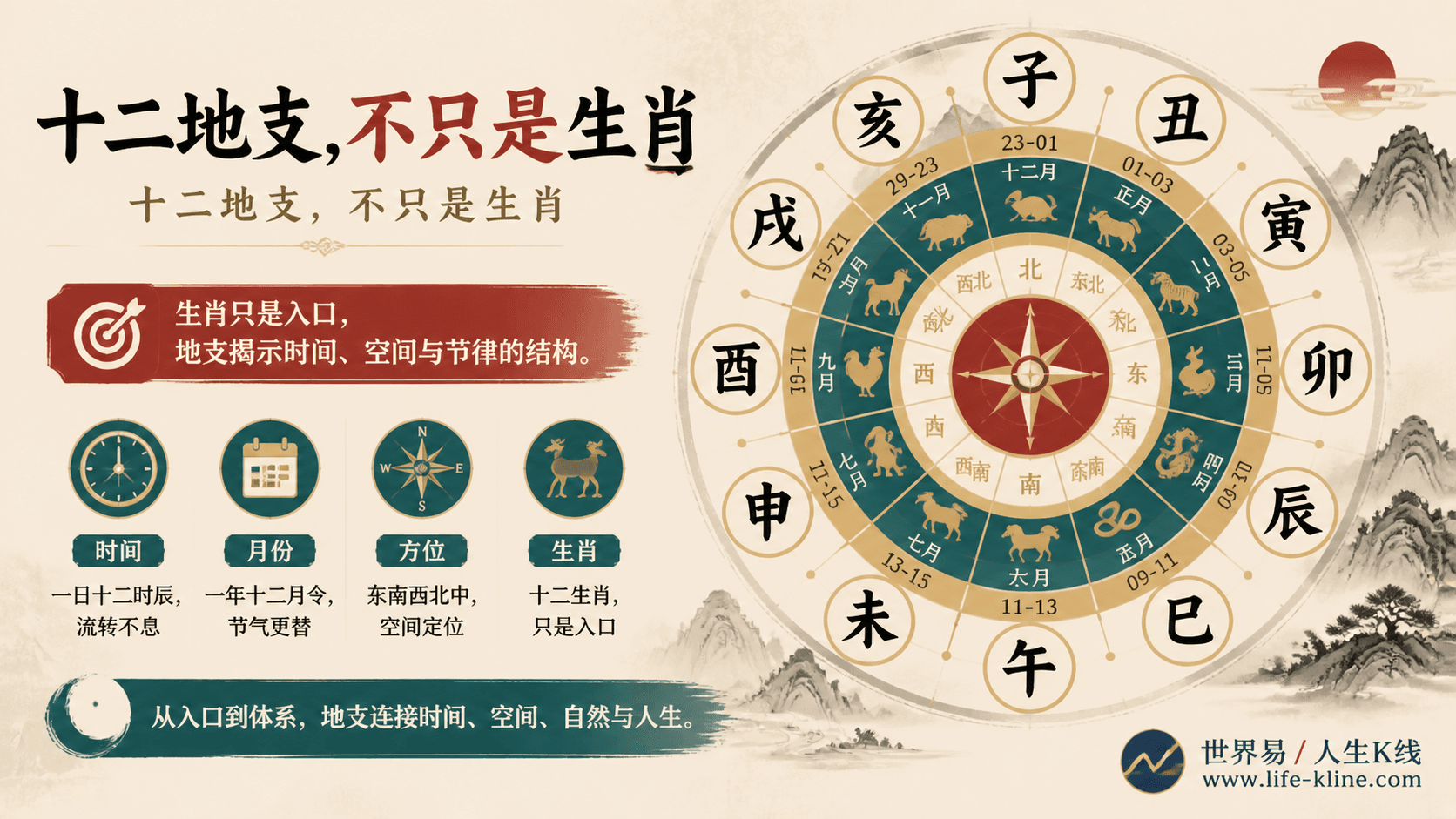
Wei (未) is the eighth of the twelve Earthly Branches (Di Zhi), classified as a Yin branch, representing Yin qualities. In the Five Elements, Wei's principal element is Earth, embodying stability and inclusiveness. According to BaZi hidden stem rules, Wei contains the Heavenly Stems Ji Earth (己), Ding Fire (丁), and Yi Wood (乙). This diverse hidden stem structure endows Wei with complex and rich energy.
In the interactions among Earthly Branches, Wei forms a six-clash (Liu Chong) relationship with Chou (丑), indicating strong impact and transformation between them; Wei forms a harmonious union (Liu He) with Wu (午), symbolizing harmony and mutual support. Additionally, Wei has a punishment (Xing) relationship with Chou and a harm (Hai) relationship with Zi (子). These punishment and harm relations often imply potential conflicts and obstacles, which are important factors not to be overlooked in BaZi analysis.
BaZi Characteristics and Symbolic Meaning
As a Yin branch, Wei manifests gentle, inclusive, and introverted characteristics. Its Five Element Earth symbolizes solidity, stability, and nurturing. Therefore, Wei is regarded as a symbol of a solid foundation and bearing capacity. The hidden Ji Earth (己) reinforces its Earth nature, Ding Fire (丁) brings warmth and vitality to Wei, while Yi Wood (乙) adds elements of growth and change, making Wei display a complex multifaceted nature in BaZi.
The Liu He relationship between Wei and Wu shows that Wei can complement Wu well, promoting smooth energy flow and cooperation, representing coordination and completeness. Conversely, the Liu Chong and Xing relationships between Wei and Chou reflect conflict and friction, suggesting possible disturbances and resistance in certain combinations. The Hai relationship between Wei and Zi warns BaZi practitioners to pay attention to potential hidden risks and unfavorable factors, especially in specific natal chart arrangements.
Practical Configurations and Interpretations
In BaZi, when Wei and Wu appear together, due to their Liu He relationship, it usually indicates harmonious interpersonal relationships and coordinated development in career and family. This combination is often seen in configurations requiring teamwork or family support and can exert positive effects.
The Liu Chong and Xing relationships between Wei and Chou are often regarded as signs of conflict. For example, when both Wei and Chou appear in a BaZi chart, it may cause personality clashes or environmental changes, necessitating the use of other auspicious stars or seasonal adjustments to resolve.
Additionally, the Hai relationship between Wei and Zi suggests potential concerns in relationships or health. BaZi practitioners should analyze this in conjunction with other Heavenly Stems and Earthly Branches to comprehensively assess its impact. The hidden stems Ji Earth (己), Ding Fire (丁), and Yi Wood (乙) in Wei are also commonly used to assist in judging the personality traits and fortune trends of the chart owner.
Common Misconceptions
Many mistakenly believe that Wei, as a representative of Earth, is solely a symbol of singular stability, overlooking the influence of its hidden Ding Fire and Yi Wood stems, leading to an oversimplified understanding of Wei. In fact, Wei's energy is diverse and complex, requiring a comprehensive analysis of its hidden stems.
Another common misconception is an overly pessimistic interpretation of the Liu Chong and Xing relationships between Wei and Chou. Although these relations indicate conflict, in practical BaZi application, they can also stimulate transformation and growth potential, requiring flexible judgment based on the specific natal chart pattern.
FAQ
Question: What does it specifically mean that Wei belongs to the Yin branches? Answer: As a Yin branch, Wei represents a softer, more introverted nature. Compared to Yang branches, it emphasizes internal stability and inclusiveness, embodying Yin qualities.
Question: What are the practical effects of the Liu He between Wei and Wu? Answer: The Liu He between Wei and Wu symbolizes harmony and complementarity between the two, usually bringing good interpersonal relationships and smooth energy flow, which helps balance career and life development.
十天干总览图
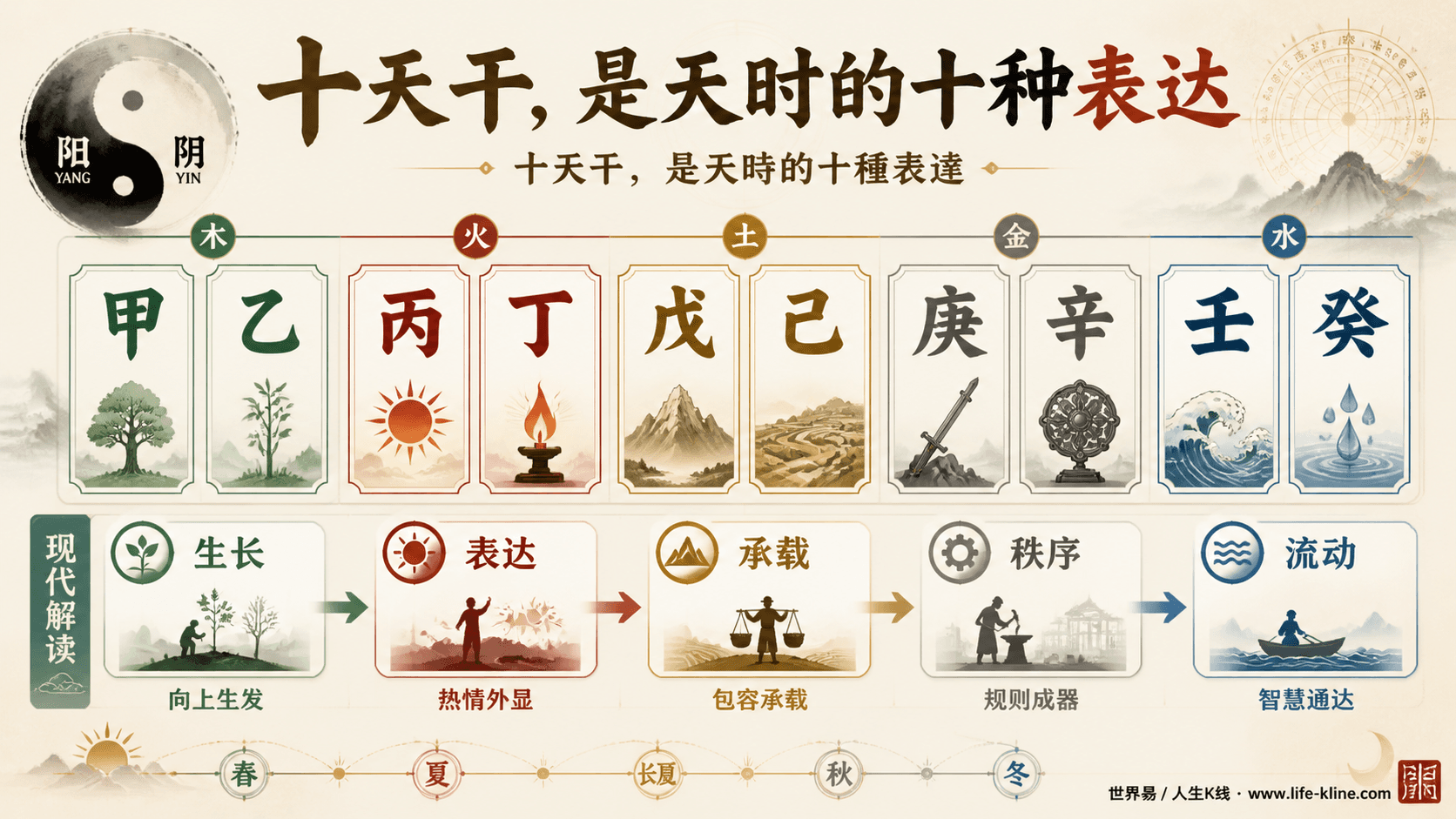
这张图把《Wei (未): Yin-Yang Attribute and Five Elements Hidden Stems of the Earthly Branch Explained》里的命理概念转成关系、边界和应用场景,适合先看图建立结构,再回到知识文章正文理解细节。
十天干是时间与环境变化的十种基础模式。理解其阴阳、五行属性,能帮助我们在不同时位中找到清晰的结构入口,而非预测结果。
查看图片解读