Analysis of the Optimal Departure and Submission Rhythm for Canadian Skilled Immigration and Family Reunion Study-to-PR Pathways
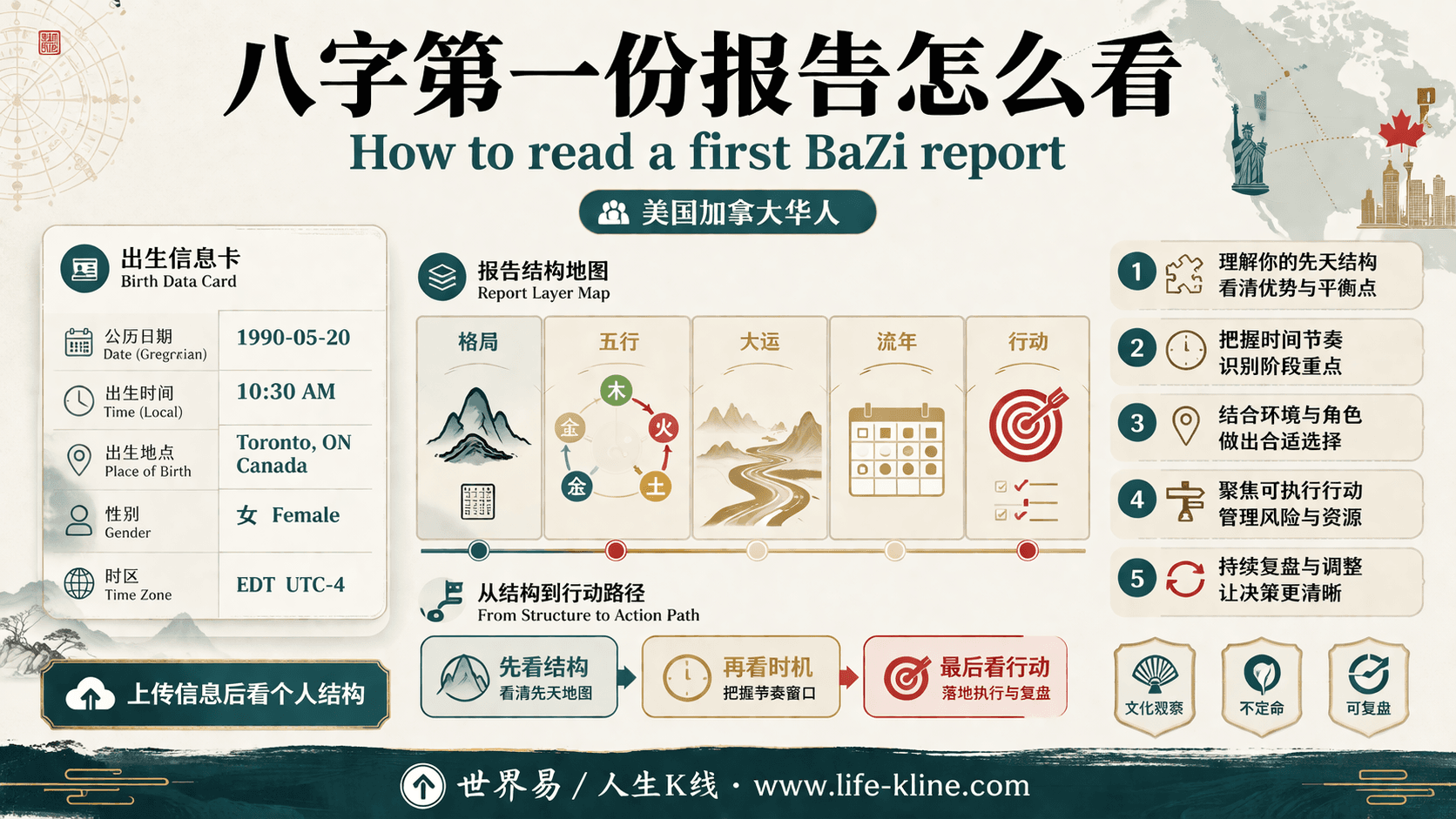
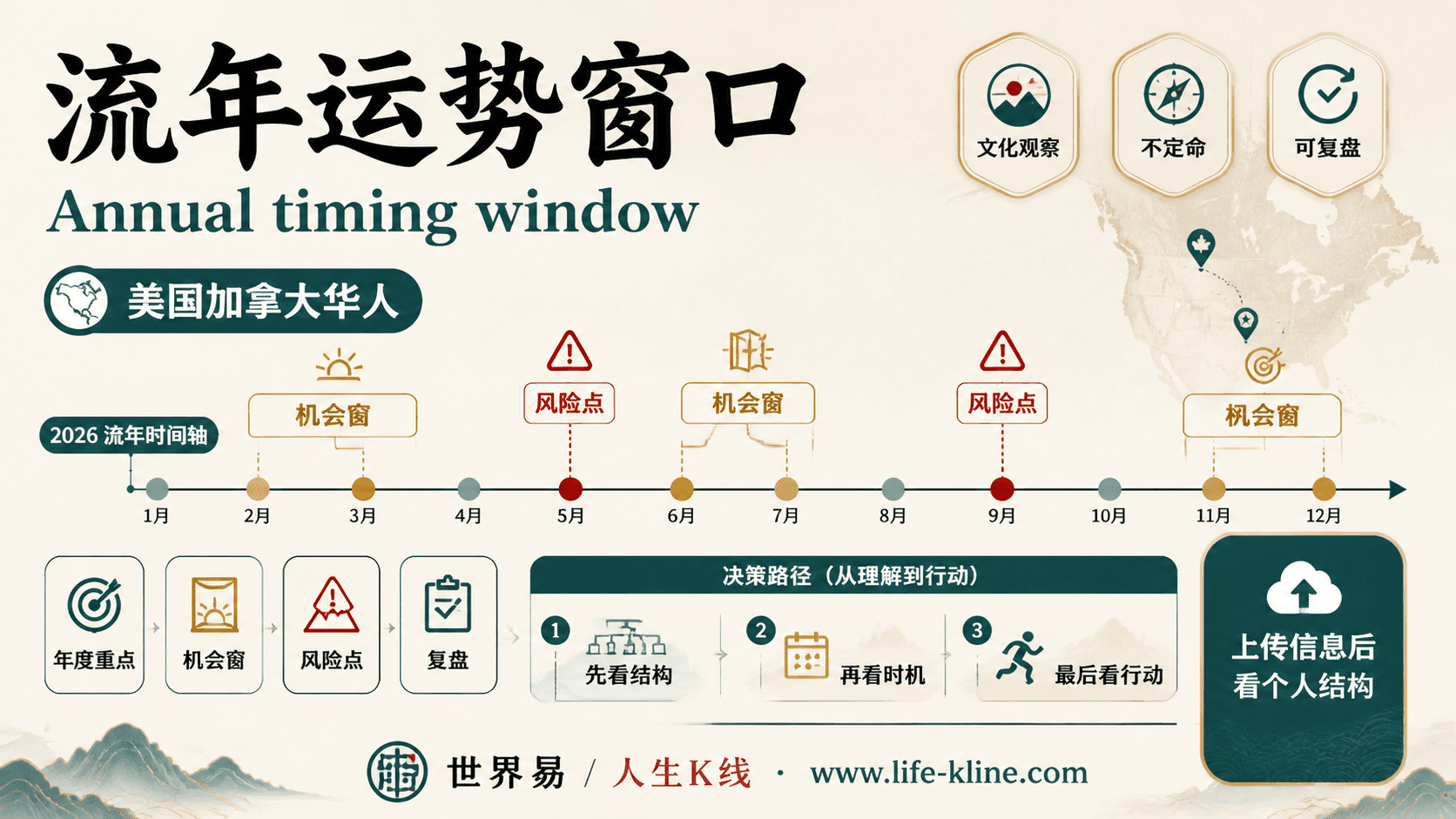
把这篇文章落到自己身上验证:先看结构,再进入个人分析,不做泛泛阅读。
Why This Decision Is Especially Difficult in This Destination
Canada, as a major immigration country in North America, primarily offers three pathways: skilled immigration, family reunion, and study-to-PR transitions. Although policies are relatively stable, objective factors such as high taxation, long winters, and medical queueing significantly impact new immigrants' quality of life and adaptation speed. Additionally, in some regions of Canada, housing prices vary greatly, the industrial structure depends on natural resources, and foreign status still imposes implicit pressures on employment and social welfare access. These realities require applicants to be particularly cautious when choosing submission and landing timings.
Psychologically, applicants often hope to obtain visas and land quickly, overlooking the subtle requirements in Canadian immigration policies regarding the completeness of submission materials and the rhythm of submission. From a metaphysical perspective, the strength and weakness of the Day Master, the favorable element (Yong Shen), and the clash and combination relationships between Da Yun and Liu Nian reflect the obstacles and opportunities applicants encounter in a foreign environment. Properly utilizing these rhythmic insights helps find relatively advantageous action windows amid multiple uncertainties.
For example, the long and cold winter season means that applicants whose Yong Shen is fire should consider moderately delaying actual living expenses and work commencement after landing to avoid early exposure to high taxation and medical queue pressures, facilitating a stable transition. Conversely, charts with water and metal as Ji Shen (unfavorable elements) encountering Liu Nian clashes may exacerbate resource depletion and mental burdens if they rush submission and landing, reducing overall success rates.
Therefore, integrating the real migration structure of Canada with metaphysical rhythmic characteristics to determine the optimal submission and departure rhythm is key for applicants to improve efficiency and reduce risks.
Three Core Dimensions of BaZi Analysis
First, the strength or weakness of the Day Master determines an individual's adaptability in a new environment. A relatively weak Day Master, such as Ji Earth (己, Ji), relies on the Yong Shen fire to assist. The vigor of fire directly affects the applicant’s mental state and decision-making execution. In Canada’s harsh winter environment, applicants who favor fire should choose submission and landing times during Liu Nian and Da Yun periods when the fire element is active to enhance cold resistance and adaptability.
Second, the wealth stars represent financial pursuits and resource acquisition, especially critical in a foreign environment. Bi Jian (competing peers) symbolizes competition and peer pressure, while Zheng Guan (official authority) and Qi Sha (seven killings) reflect identity pressure and policy constraints. The Yin stars (印, Pian Yin and Zheng Yin) relate to information resources and support. The combination and clash relationships among these stars during Liu Nian and Da Yun can amplify or alleviate legal, tax, and cultural obstacles encountered during skilled immigration and family reunion processes.
Finally, the Yi Ma star symbolizes migration motivation and action rhythm. Applicants with Yi Ma combinations are more suitable for actively seizing submission timing, especially during stable Da Yun and adaptable Liu Nian phases, enabling flexible adjustment of departure plans. Conversely, charts lacking Yi Ma support should adopt a conservative stance, avoiding mistimed actions that may cause visa delays or adaptation difficulties after landing.
Therefore, by combining the Day Master’s strength, wealth and peer stars, and Yi Ma combinations, supplemented with Da Yun and Liu Nian clash and combination analysis, a dynamic judgment framework for Canadian immigration submission and landing rhythms can be constructed to help applicants plan scientifically and reduce risks.
Three Real BaZi Case Studies
Case 1: Male, aged 45-50, Day Master Ji Earth (己, Ji), relatively weak, with a Pian Yin (partial seal) pattern. Yong Shen is fire; Ji Shen are metal and water. Currently in Ren Chen Da Yun (壬辰, 42-51 years old, conservative phase), with Liu Nian Bing Wu (丙午). Fire is the Yong Shen here; the Ren Chen Da Yun contains mixed water and metal, and the Pian Yin pattern indicates reliance on information resources. The Shen You metal combination is the Ji Shen, causing some pressure. Considering the Canadian skilled immigration environment, this applicant should choose to submit during Liu Nian fire-strong periods (Bing Wu) and relatively stable Da Yun phases, leveraging fire’s assistance to mitigate Ji Shen influence. After landing, avoid rapid industry changes or investments and adapt gradually to employment pressures caused by Canada’s limited industrial diversity. The recommended judgment sequence prioritizes confirming material completeness and policy windows, then arranging submission and landing during fire-strong Liu Nian, supplemented by professional legal and tax consultation.
Case 2: Male, aged 30-35, Day Master Xin Metal (辛, Xin), balanced, with a Bi Jian (peer) pattern. Yong Shen is metal; Ji Shen is fire. Currently in Ding Chou Da Yun (丁丑, 31-40 years old, conservative phase), with Liu Nian Bing Wu (丙午). The Xin Metal Day Master is supported by its Yong Shen, indicating self-competitive ability. However, the Liu Nian Bing Wu fire Ji Shen requires caution against energetic conflicts. In Canadian family reunion and study-to-PR pathways, identity pressure (Zheng Guan and Qi Sha) and timing of material submission are especially important. It is advisable to avoid submitting during fire-strong peak Liu Nian, instead choosing stable Da Yun Ding Chou phases with weaker fire months to reduce uncertainties caused by identity and policy fluctuations. Regarding landing rhythm, combine professional immigration consultant advice to avoid premature landing that triggers economic burdens and tax compliance risks.
Case 3: Female, aged 20-25, Day Master Yi Wood (乙, Yi), balanced, with a Cong Cai (following wealth) pattern. Yong Shen are earth and fire; Ji Shen are water and wood. Currently in Xin You Da Yun (辛酉, 16-25 years old, conservative phase), with Liu Nian Bing Wu (丙午). The Yi Wood Day Master with Cong Cai pattern shows strong wealth and resource allocation ability in the study-to-PR pathway but is vulnerable to environmental fluctuations. The Xin You Da Yun is metal-strong, which can both generate and assist the earth and fire Yong Shen but may also intensify Ji Shen pressure. It is recommended to select submission and landing during Liu Nian periods when fire is strong and metal-earth balance is stable, utilizing the energy of fire and earth Yong Shen to stabilize development and avoid adverse effects from water and wood Ji Shen. Practically, also monitor Canadian education and medical resource queueing, arranging reasonable landing and study rhythms, coordinated with legal and financial planning for study status conversion.
Common Misjudgments and Blind Spots in This Destination
Many applicants overlook the real pressures of high taxation and medical queueing during the Canadian immigration process and blindly pursue submission speed, resulting in sudden financial pressure after landing that affects quality of life and job stability. Ji Shen clashes in BaZi often forewarn such risks, and ignoring these signals easily leads to loss of control over action rhythms.
Another blind spot is neglecting the interaction between Liu Nian and Da Yun. Even during favorable Da Yun periods, unfavorable Liu Nian or frequent monthly branch clashes can cause visa approval delays or poor adaptation after landing. Applicants often treat BaZi as a single time-point reference, failing to adjust rhythms throughout the entire migration cycle.
Additionally, some applicants lack understanding of the Yi Ma star and fail to properly use migration motivation to regulate submission and landing timing, missing policy windows or becoming entangled in complex identity conversion stages. Ignoring Yi Ma combinations often results in sluggish actions or premature advances, both detrimental to final success.
Finally, psychological expectation biases cause applicants to neglect professional immigration legal, tax, and financial advice, treating BaZi rhythms as the sole decision basis, which easily overlooks cross-border compliance risks. BaZi should serve as auxiliary reference and cannot replace professional consultation.
Practical Judgment Sequence
Step one: Thoroughly analyze the applicant’s BaZi chart focusing on the Day Master’s strength and Yong Shen and Ji Shen configuration. Combine this with the current Da Yun and Liu Nian to identify suitable time windows for submission and landing. Pay special attention to the vigor of fire and earth Yong Shen and the impact of metal and water Ji Shen, avoiding hasty actions during high Ji Shen periods.
Step two: Integrate specific policy requirements for Canadian skilled immigration, family reunion, and study-to-PR pathways, assessing the completeness and compliance of submission materials. Submission rhythm should prioritize material maturity, then align with BaZi rhythms to reduce approval delays caused by insufficient documentation.
Step three: Adjust landing rhythm according to the strength of Yi Ma stars in the personal chart and the clash and combination conditions of Liu Nian and Da Yun. Applicants with strong Yi Ma combinations are suited to flexibly adjust landing timing, while those with weak Yi Ma or obvious Ji Shen clashes should adopt a conservative wait-and-see approach to avoid increased life and identity pressures due to improper timing. Always cooperate with professional immigration, legal, tax, and financial advice to ensure cross-border compliance.
Overall, BaZi analysis provides temporal references for application rhythms. When combined with real policies and personal resource conditions, it helps build a dynamic adjustment strategy to enhance the stability and success rate of Canadian immigration pathways.
FAQ
Question 1: Can Da Yun and Liu Nian in BaZi guarantee visa approval success? Answer: Da Yun and Liu Nian reflect rhythmic trends and energy states and can assist in judging relatively favorable timing for submission and landing, but they cannot replace the legal and policy procedures of visa approval. Always combine with professional immigration and tax consultation and avoid blindly relying on metaphysical predictions.
Question 2: How to adjust Canadian immigration submission timing based on BaZi rhythms? Answer: Focus on the vigor of Yong Shen and weakness of Ji Shen, choosing Liu Nian or months when Yong Shen is strong and Ji Shen is weak to improve material review smoothness and psychological stability. Also ensure material maturity to avoid negative effects from rushed submissions.
Question 3: How does BaZi analysis assist in judging landing rhythm? Answer: Based on the strength of Yi Ma stars and the clash and combination conditions of Liu Nian and Da Yun, assess personal action ability and adaptability to flexibly adjust landing timing. Those with strong Yi Ma should actively seize landing windows; applicants with obvious Ji Shen clashes should wait cautiously and coordinate with professional planning to reduce post-landing life and tax pressures.
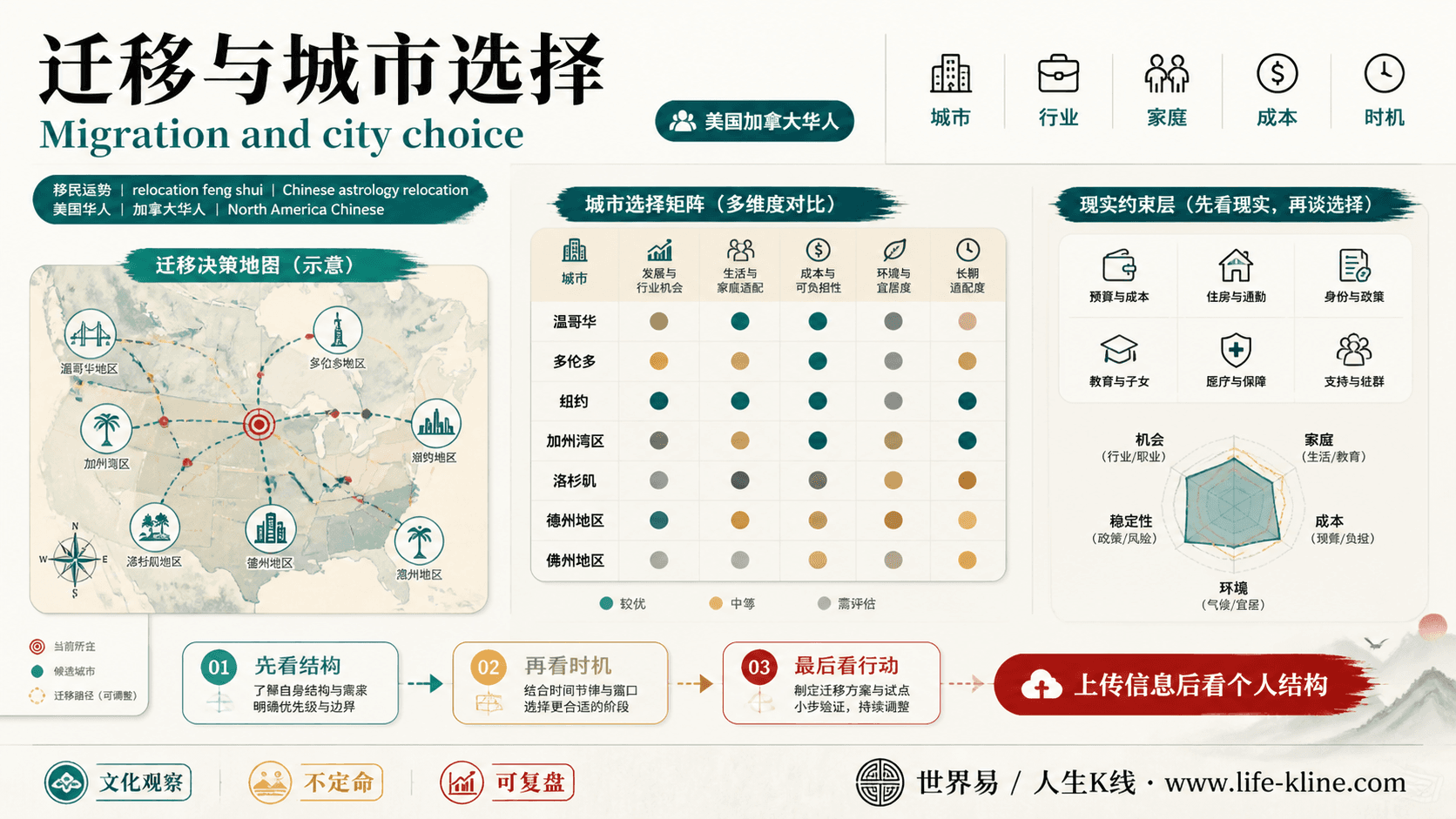
迁移与城市选择|美国加拿大华人
这张图把《Analysis of the Optimal Departure and Submission Rhythm for Canadian Skilled Immigration and Family Reunion Study-to-PR Pathways》里的命理概念转成关系、边界和应用场景,适合先看图建立结构,再回到知识文章正文理解细节。
迁移与城市选择不应被写成固定结论。更适合美国加拿大华人的读法,是把传统术语翻译成结构、时机、环境、行动和复盘。
查看图片解读