Distance and Proximity Choices in Parental Care Decisions within Yin Star, Bi Jian, and Guan Sha Patterns
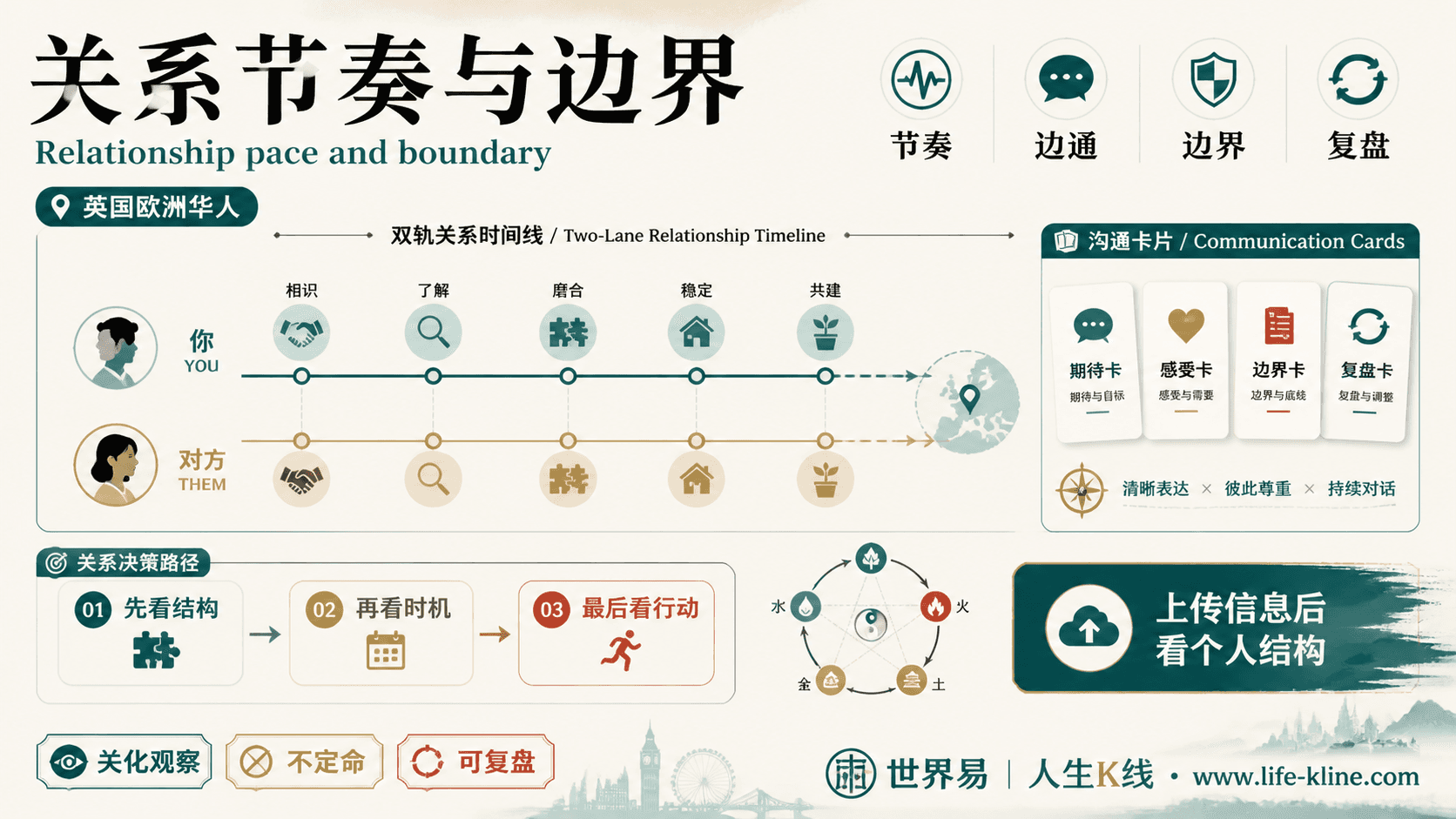
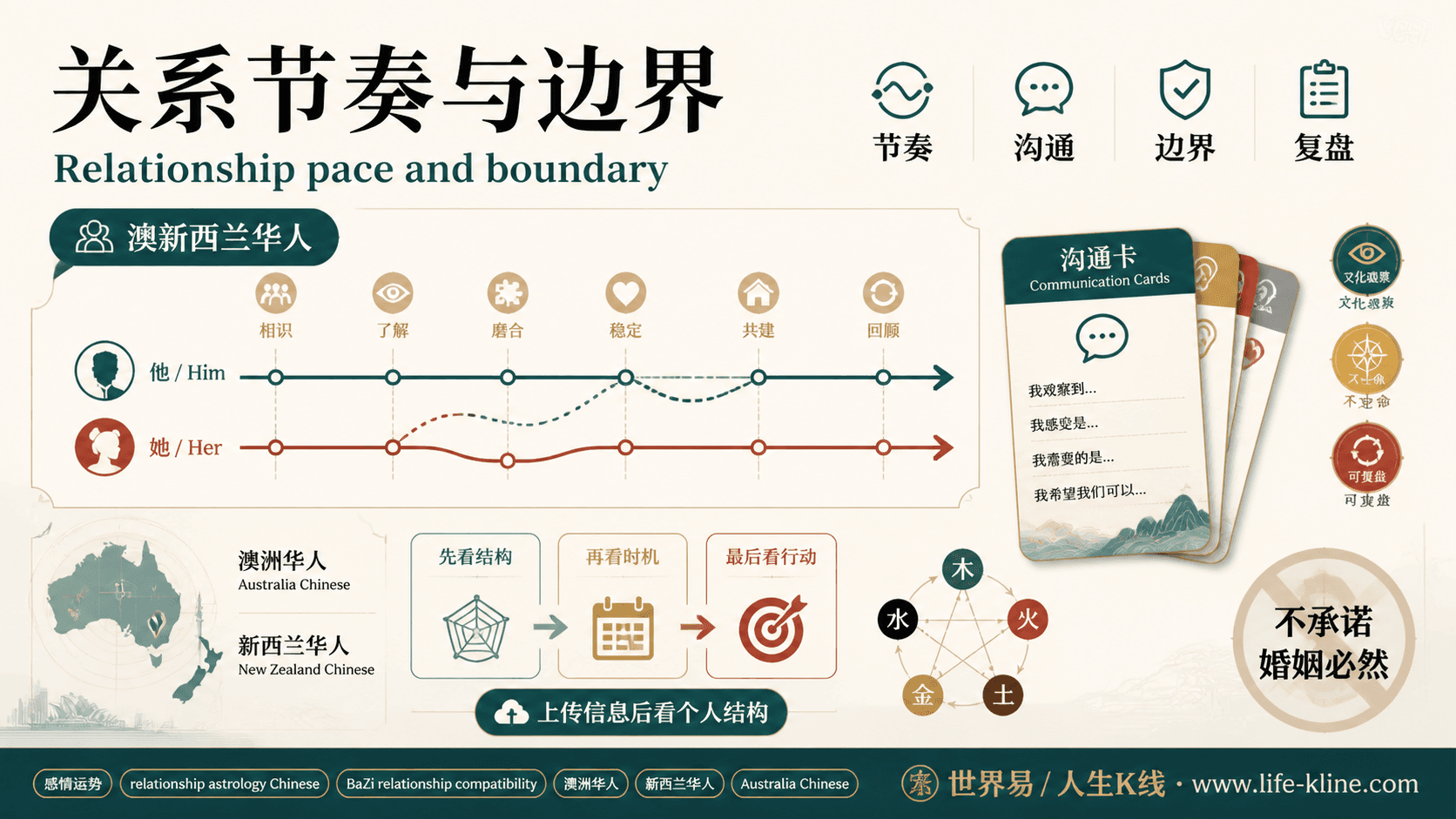
把这篇文章落到自己身上验证:先看结构,再进入个人分析,不做泛泛阅读。
Why This Decision Is Especially Difficult in This Context
Caregiving decisions when parents age deeply involve emotional dependencies, power structures, and psychological boundaries among family members. Elderly parents may have varying needs for care due to physical and cognitive changes, while children must balance caregiving responsibilities with personal lives, causing psychological role reversals and confusion. At this stage, cultural expectations and emotional coercion from the original family often intensify internal conflicts, making the choice between distancing and actively approaching not merely a physical adjustment but a contest of emotions and power.
From a psychological perspective, family members are prone to emotional fluctuations and dependency reversals during this phase, especially when boundaries are blurred. Care responsibilities may be over-internalized or rejected, forming a compressed family structure that affects personal space and independence. The emotional needs of parents intertwine with the pressures of the children's own families, complicating decision-making.
In metaphysics, the combinations of Yin Star (印星), Bi Jian (比劫), and Guan Sha (官杀) among the Ten Gods reflect inner rhythms of individual connections to kinship, authority relationships, and self-expression. Yin Star and Bi Jian particularly symbolize forces of support and contention, while Guan Sha relates to authority and normative pressure. These structures amplify certain family dynamics during caregiving decisions, either facilitating or hindering the balance between drawing closer or keeping distance.
Therefore, caregiving decisions for aging parents are not only a balance of practical resources and emotional needs but also an embodiment of metaphysical rhythms within family relationships. Understanding these dimensions helps identify potential risks, avoid excessive emotional opposition or blind compromise, and promote healthier relational adjustments.
Three Core Dimensions of Metaphysical Judgment
First, the strength and pattern of the Day Master determine an individual's capacity for external support and self-protection. Yin Star (印星) represents elements that generate the Day Master, symbolizing parental support and spiritual dependence. A relatively strong Yin Star aids the nourishment of family relationships, though excessive strength may lead to dependency. Bi Jian (比劫) represents peer assistance and competition, enhancing self-awareness and resource contention abilities; if too strong, it may trigger family conflicts.
Second, Guan Sha (官杀) represents authority and disciplinary forces, corresponding to the authoritative role of parents and the obedience or rebellion of children. When Guan Sha is strong and the Day Master weak, authoritative suppression and psychological reversal are prone to occur, affecting whether decisions are active or passive. Changes in Liu Nian (流年, annual fortune) and Da Yun (大运, decade luck cycle) provide temporal rhythm references; auspicious Da Yun favor repairing intimacy, while stable or unfavorable luck suggests caution.
Third, the Wealth Stars and Yong Shen (用神, favorable elements) reflect resource flow and regulation mechanisms. Proper selection of Yong Shen and control of Ji Shen (忌神, unfavorable elements) influence emotional management and decisiveness in family relationships. Especially when Ji Shen appears, emotional volatility and conflict risks increase, potentially exacerbating contradictions in caregiving decisions and requiring greater psychological adjustment.
In summary, interpreting the proportions and combinations of Yin Star, Bi Jian, and Guan Sha, combined with Day Master strength and Da Yun/Liu Nian, assists in understanding an individual's tendency to distance or actively approach in parental caregiving decisions, as well as when to strengthen boundaries or seek repair.
Three Real BaZi Case Studies
Case 1: This female has a relatively strong Day Master 癸水 (Gui Water), classified as a Bi Jian pattern. Yin Star is not prominent, and she is currently in the 己丑 (Ji Chou) Da Yun, which is auspicious and smooth. The Bi Jian pattern reflects a strong self-awareness and peer support, while the lack of Yin Star indicates relatively weak spiritual dependence on parents. This condition inclines her to maintain personal space and distance in caregiving decisions to protect her own life. However, the favorable Da Yun encourages going with the flow, making it suitable to approach actively when necessary. It is recommended she prioritize assessing her own capacity and combine professional family therapy to adjust boundaries, avoiding excessive sacrifice caused by emotional coercion.
Case 2: This male has a balanced Day Master 庚金 (Geng Metal) with a Zheng Guan (正官) pattern and moderate Guan Star. He is currently in the 庚申 (Geng Shen) Da Yun, which is stable. The Zheng Guan pattern represents recognition of authority and compliance with discipline; his Yong Shen is Earth and Ji Shen is Fire, indicating a need for stability and security. Facing parental aging care, he may feel pulled by authoritative pressure and responsibility, tending to maintain the status quo. Metaphysics suggests he should pay attention to his true feelings during decisions, avoiding neglecting his own needs due to excessive responsibility. Psychological counseling is advised to find reasonable ways to approach actively while clearly defining boundaries to prevent psychological compression.
Case 3: This female has a relatively weak Day Master 癸水 (Gui Water), categorized as a Qi Sha (七杀) pattern. Qi Sha manifests strong Guan Sha pressure; her Yong Shen is Metal and Ji Shen are Wood and Fire. She is currently in the 甲子 (Jia Zi) Da Yun, which is stable. The Qi Sha pattern reflects potential authority conflicts and strong internal drive, but the weak Day Master is easily influenced externally. This structure tends to cause psychological reversal or emotional manipulation by parents in caregiving decisions, possibly resulting in passive acceptance or emotional bondage. It is recommended she first identify sources of authoritative pressure, seek family therapy support, gradually establish healthy boundaries, and cautiously judge the timing to approach actively to avoid losing herself through excessive closeness.
These three cases demonstrate how Yin Star, Bi Jian, and Guan Sha structures each amplify different family dynamics and psychological risks in caregiving decisions, assisting rational choices on appropriate rhythms for distancing or approaching.
Common Misjudgments and Blind Spots in This Context
A common misjudgment is equating distancing simply with estrangement, neglecting the positive role of distance as a protective boundary. Especially when Bi Jian is strong in the BaZi chart, excessive closeness may intensify competition and conflicts, damaging family relationships. Conversely, blindly approaching can sometimes manifest as emotional coercion, leading to psychological exhaustion and role confusion.
Another blind spot is ignoring the authoritative pressure brought by Guan Sha structures. Children may unconsciously take on excessive responsibility or rebel against parental authority, causing psychological reversal. Lack of awareness and professional intervention in this regard can lead to ineffective communication and emotional depletion.
Furthermore, metaphysical judgment detached from actual family situations and psychological counseling can mislead. BaZi charts serve only as rhythm-assisting references and cannot replace professional therapy. Especially when psychological trauma, PUA (emotional abuse), or violence are involved, professional help should be prioritized to avoid metaphysical conclusions becoming amplifiers of emotions or behaviors.
Therefore, understanding the family psychological mechanisms behind metaphysical structures, combined with contextual and professional guidance, is essential to effectively avoid decision-making errors and promote healthy caregiving relationships.
Practical Judgment Sequence
The first step is to analyze the BaZi chart’s Yin Star, Bi Jian, and Guan Sha structures, paying special attention to the Day Master’s strength and the pairing of Yong Shen and Ji Shen, to assess sensitivity to emotional support, competitive pressure, and authority relationships. Combining this with current Da Yun and Liu Nian helps identify favorable times for repair or when maintaining distance is advisable.
The second step is to integrate actual family communication observations, looking for signs of blurred boundaries, psychological reversal, or emotional coercion. Professional psychological counseling and family therapy should be sought as a priority to avoid impulsive decisions driven by emotions, ensuring decisions balance rationality and feelings.
The third step is, after clarifying one’s capacity and boundaries, to adjust action strategies according to metaphysical rhythm indications. For example, those with strong Yin Star can moderately approach actively to strengthen support; those with strong Bi Jian should be wary of conflicts and appropriately keep distance; significant Guan Sha requires adjusting authority relations, balancing responsibility and self. Overall, it is recommended to follow the flow, avoiding impatience and neglecting inner feelings.
FAQ
Question 1: How exactly do Yin Star and Bi Jian influence caregiving decisions in metaphysics? Answer: Yin Star represents spiritual support and dependence on parents; when strong, it facilitates active approaching and relationship repair. Bi Jian reflects peer assistance and competition; when strong, it may cause resource contention and boundary conflicts, making it suitable to maintain some distance to avoid escalating disputes.
Question 2: What should people with strong Guan Sha structures pay attention to in parental caregiving? Answer: Guan Sha relates to authority and discipline. When Guan Sha is strong and the Day Master weak, individuals are prone to being suppressed by authority or experiencing psychological reversal. They should be cautious of passive acceptance and emotional bondage during decisions and are advised to adjust authority relations through psychological counseling and clarify personal boundaries.
Question 3: Can metaphysics replace professional psychological counseling to resolve family caregiving conflicts? Answer: Metaphysics serves only as a rhythm-assisting tool to help understand family dynamics and emotional rhythms; it cannot replace professional psychological counseling or family therapy. Especially when psychological trauma, PUA, or violence are involved, professional help should be sought first to ensure safety and effective support.
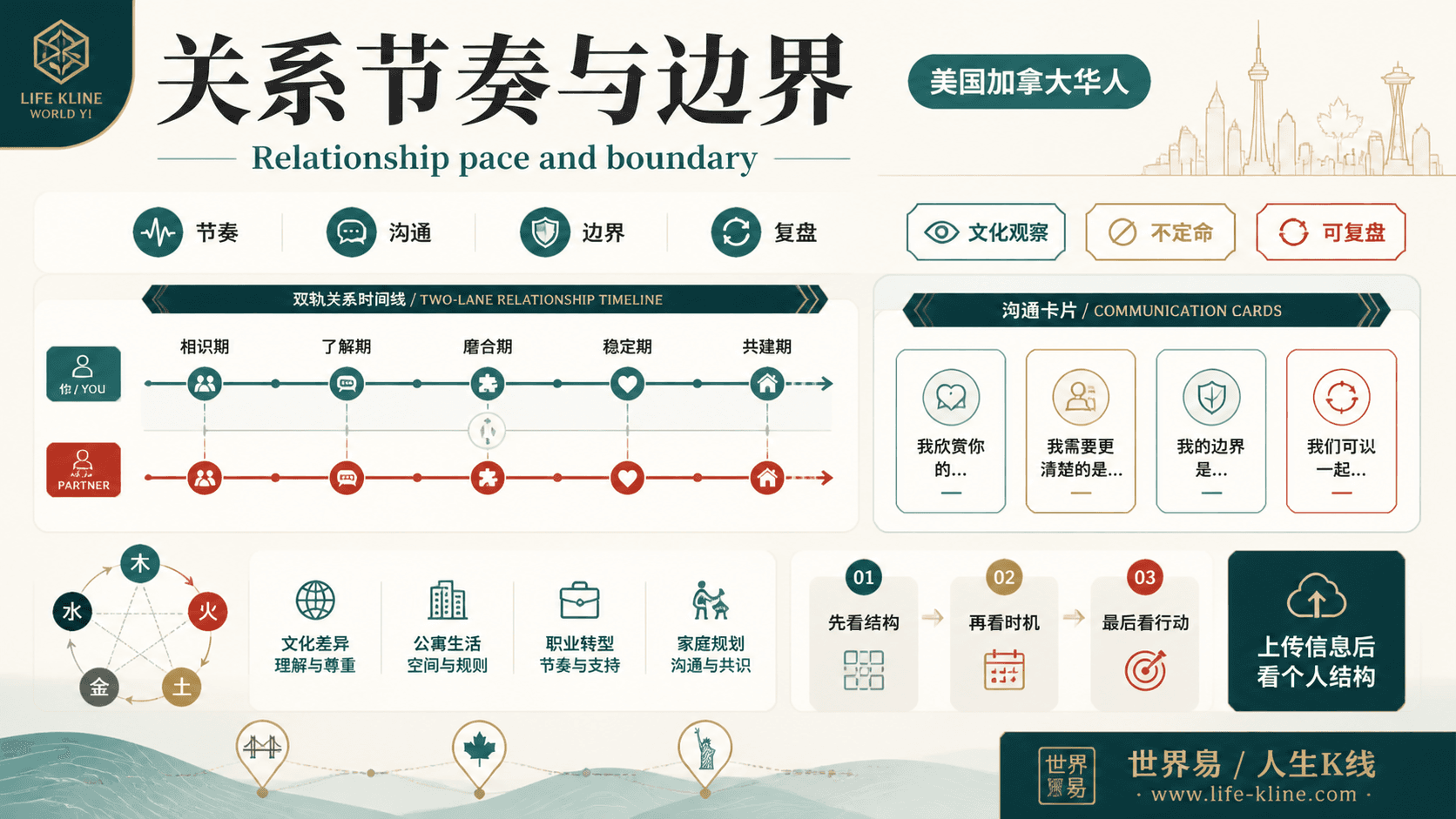
关系节奏与边界|美国加拿大华人
这张图把《Distance and Proximity Choices in Parental Care Decisions within Yin Star, Bi Jian, and Guan Sha Patterns》里的命理概念转成关系、边界和应用场景,适合先看图建立结构,再回到知识文章正文理解细节。
关系节奏与边界不应被写成固定结论。更适合美国加拿大华人的读法,是把传统术语翻译成结构、时机、环境、行动和复盘。
查看图片解读