Astrological Rhythm Analysis of Adult Children’s Late Initiation of Family Room Separation Decisions
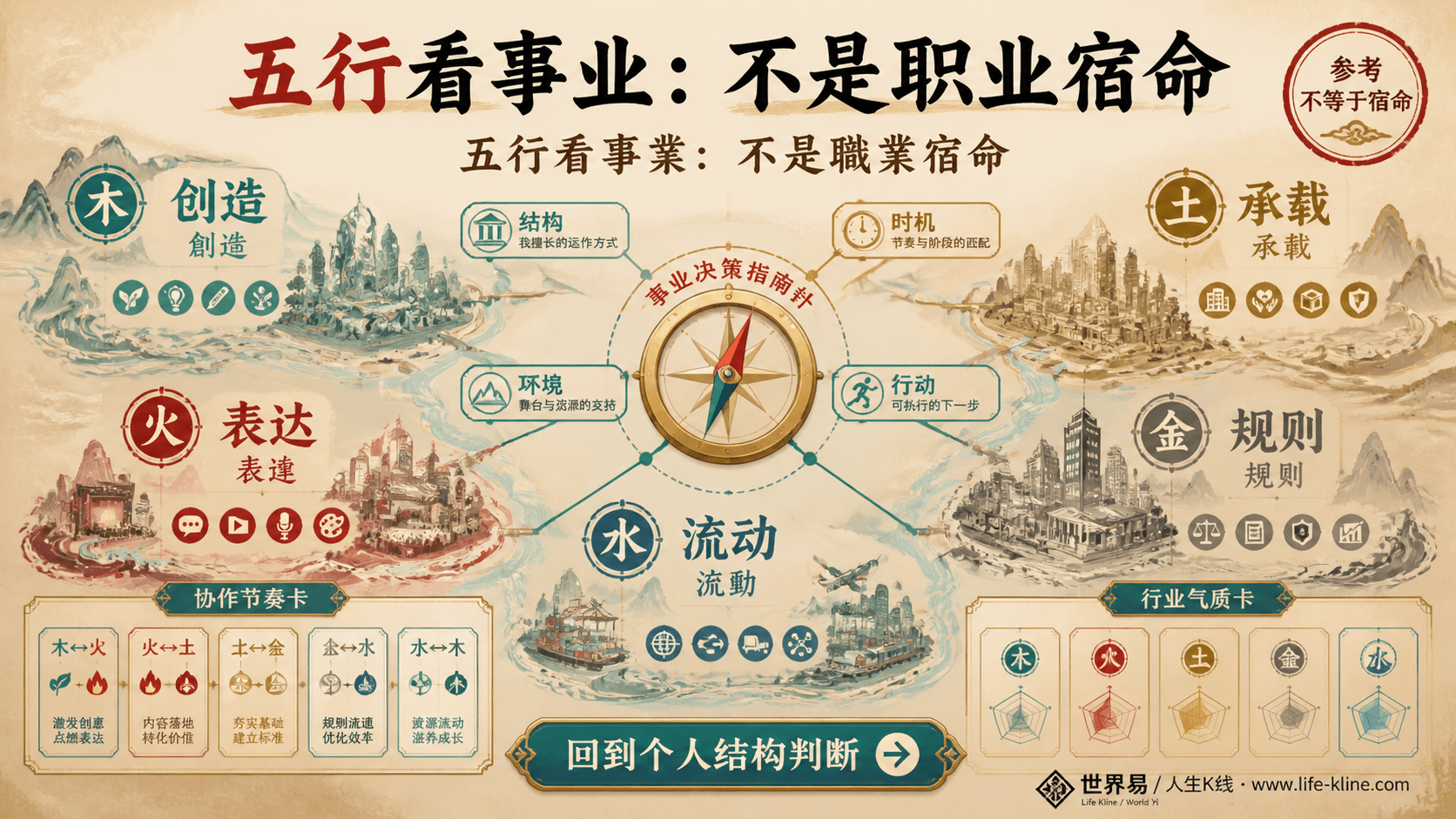
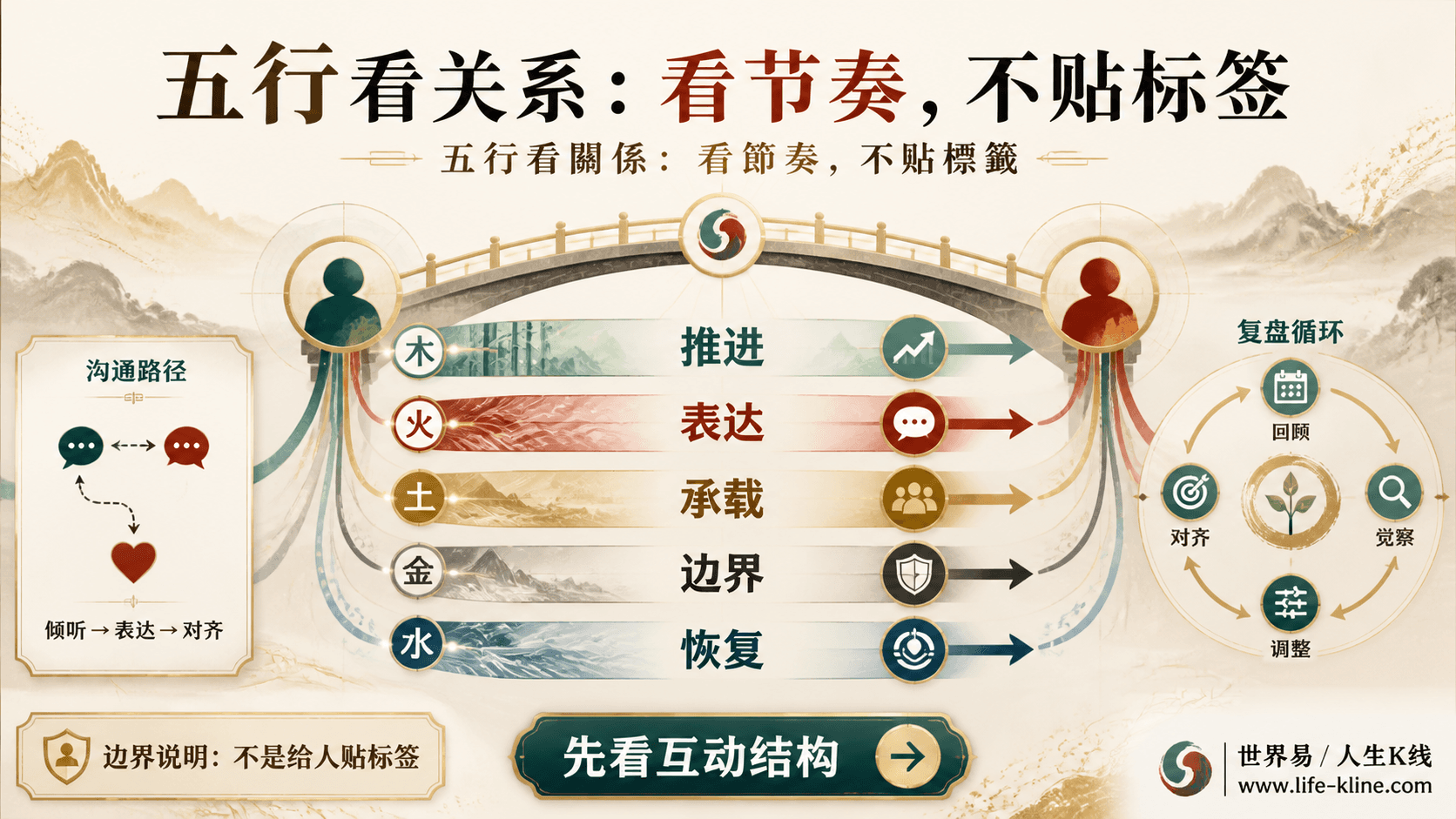
把这篇文章落到自己身上验证:先看结构,再进入个人分析,不做泛泛阅读。
Why This Decision Is Especially Difficult in This Scenario
Adult children’s late initiation manifests as economic symbiosis and insufficient autonomy, often blurring boundaries between parents and children. Parents have nurturing expectations but also anxiety, fearing that letting go too early may cause psychological or life imbalance for their children, creating strong emotional entanglement and role confusion.
In this context, bed separation, room division, and granting independence are not merely physical spatial divisions but involve the psychological construction of children’s autonomy. Parental anxiety may lead to overprotection, while children’s dependence weakens their willingness to be independent, making the timing and rhythm of “letting go” difficult to grasp.
In BaZi structure, the Yin star (印星, Zheng Yin/Pian Yin) symbolizes attachment and support; Bi Jian (比肩) and Jie Cai (劫财) represent autonomy and competition; Guan Sha (官杀) reflects authority and rules; Cai star (财星) implies resource flow. Different combinations amplify or suppress the dependency and autonomy tensions between parent and child, affecting the smoothness and cost of separation.
Moreover, changes in Liu Nian (流年, annual fortune) and Da Yun (大运, decade luck cycle) reflect the family dynamics’ phase changes. Without integrating real nurturing dynamics, relying solely on intuition makes it difficult to accurately judge the best letting-go window, easily leading to repeated entanglement or premature cutting-off dilemmas.
Three Core Dimensions of Astrological Judgment
First, the strength of the Day Master determines the child’s autonomy foundation. A relatively strong Day Master usually indicates strong internal drive, with robust self-expression and action ability; a relatively weak Day Master may show stronger dependence and delayed autonomous initiation. Shi Shen (食神, Eating God) stars, as the child’s stars, relate to creativity and desire for expression; strong Shi Shen benefits autonomous expression.
Second, Yin stars symbolize parental nourishment and attachment, the source of security. A structure with strong Yin stars indicates strong parental support consciousness, possibly leading to overprotection and affecting the rhythm of letting go. Guan Sha (官杀), representing parental authority and discipline, when reasonably applied helps establish boundaries, but if too strong may cause oppression.
Finally, Da Yun and Liu Nian are temporal nodes of rhythm. Stable fortunes suggest it is suitable to maintain and conservatively advance separation; auspicious luck favors promoting independent action; if Liu Nian contains Ji Shen (忌神, unfavorable elements) clash or combination, it warns that letting go at that time may bring significant risks or resistance, requiring cautious handling. Comprehensive judgment helps grasp the window and cost of letting go.
Three Real BaZi Chart Cases
Case 1 features a male aged 55-60, with a relatively strong Day Master Geng Metal (庚, Geng), belonging to the Shi Shen pattern, with Yong Shen as Metal and Ji Shen as Earth. Currently in Bing Xu (丙戌, Bing Xu) Da Yun, the fortune is stable; Liu Nian is Bing Wu (丙午), overall favorable for maintaining status quo. The strong Geng Metal Day Master indicates relatively strong potential for children’s autonomy, but the Shi Shen pattern may bring strong expression and emotional fluctuations. Parental support (Yin star) is not significantly enhanced, reflecting a tendency to maintain in the Da Yun. In the late initiation “dependent living” scenario, the rhythm of bed and room separation should be gradual to avoid abrupt rupture. Parents are advised to pay attention to children’s positive and negative expression signals; if resistance or emotional low occurs, adjust separation rhythm appropriately and combine with professional psychological counseling to balance emotions and attachment needs.
Case 2 involves a male aged 30-35, with a relatively weak Day Master Gui Water (癸, Gui), belonging to the Pian Cai (偏财, Indirect Wealth) pattern, with Yong Shen as Metal and Ji Shen as Wood and Fire. Currently at the beginning of Xin Si (辛巳, Xin Si) Da Yun, Liu Nian is Bing Wu (丙午), with stable Da Yun. The weak Gui Water Day Master shows a weak autonomy foundation and stronger dependence. The Pian Cai pattern implies the child’s higher resource dependence, possibly exacerbating the “dependent living” phenomenon. Ji Shen Wood and Fire indicate significant emotional and external pressure impact. Under this structure, parents may encounter children’s resistance or emotional fluctuations when promoting bed or room separation. The suggested judgment sequence is to observe children’s expression of willingness for independence and emotional reactions, combined with family therapy to adjust boundaries, avoiding conflicts caused by forced separation, and gradually cultivating autonomy.
Case 3 reflects a male aged 45-50, with a relatively strong Day Master Wu Earth (戊, Wu), belonging to the Yang Ren (羊刃, Yang Blade) pattern, with Yong Shen as Wood and Water, and Ji Shen as Fire. Currently in the 4th year of Yi Chou (乙丑, Yi Chou) Da Yun, the fortune is auspicious; Liu Nian is Bing Wu (丙午), aligning favorably. The strong Wu Earth Day Master and Yang Ren pattern indicate strong autonomous drive and abundant internal and action energy. Yong Shen Wood and Water provide balancing forces, helping buffer Ji Shen Fire pressure. This chart shows that although late initiation faces obstacles, the child has good transformation ability and self-breakthrough potential. When separating rooms or granting independence, parents can moderately let go, respect the child’s autonomous will, and pay attention to emotional and stress responses. It is recommended to combine professional counseling and formulate a flexible separation plan to promote healthy parent-child relationship transformation.
Common Misjudgments and Blind Spots in This Scenario
Many families mistakenly believe that adult children’s late initiation is entirely due to the children’s laziness, neglecting the effects of parental overprotection and blurred intergenerational boundaries, resulting in premature or delayed actions in bed and room separation decisions, which exacerbate parent-child conflicts.
Astrologically, ignoring the balance between Day Master strength and Yong Shen/Ji Shen, and simply judging letting-go timing by Da Yun auspiciousness, easily overlooks temporary pressures and family dynamic changes brought by Liu Nian, leading to inaccurate decisions.
Another blind spot is neglecting the interaction between Yin stars and Bi Jian/Jie Cai. Parental attachment needs and children’s autonomous struggle often intertwine to produce complex emotions. Without integrating psychological dynamics, BaZi structures may be misread superficially, overlooking the necessity of internal emotional support.
At the same time, overreliance on astrological predictions while ignoring professional psychological counseling and family therapy assistance can lead to misjudgments or fixed mindsets, hindering effective parent-child relationship repair and autonomy development.
Practical Judgment Sequence
To judge the rhythm of bed separation, room division, and granting independence, first check the child’s Day Master strength and Yong Shen/Ji Shen to assess the internal foundation of autonomy and current pressure points, clarifying whether emotional and behavioral signals reflect readiness or resistance to independence.
Next, combine observation of parental Yin stars and Guan Sha status to assess parental attachment and authority attitudes, whether there is overprotection or high-pressure control, and determine if nurturing strategies need adjustment to balance parent-child boundaries.
Finally, pay attention to the interaction of current Da Yun and Liu Nian to judge whether it is a maintaining or auspicious phase, evaluating risks and timing for letting go. When obvious emotional obstacles, self-harm, or violent tendencies appear, prioritize seeking professional psychological counseling and family therapy. Astrology serves only as a rhythm aid and cannot replace professional intervention.
FAQ
Question 1: For adult children’s late initiation, how should parents decide between continuing support or timely letting go? Answer: Combine the child’s BaZi Day Master strength and Yong Shen/Ji Shen to assess autonomy and internal resources, while observing emotional and behavioral signals. If the child shows clear autonomous willingness and readiness, gradual letting go is appropriate; otherwise, psychological counseling should be integrated to avoid conflicts caused by blind withdrawal of support.
Question 2: Can BaZi accurately predict the best timing for separation? Answer: BaZi provides references for rhythm and trends, indicating energy states in Da Yun and Liu Nian that favor or hinder separation, but does not have precise timing prediction capability. Decisions should integrate nurturing dynamics and the child’s actual psychological development to avoid mechanical reliance on astrology.
Question 3: If parents are severely anxious, how can astrology assist in adjusting nurturing strategies? Answer: Astrology helps identify the strength of parental Yin stars and Guan Sha, understanding how attachment and authority attitudes affect parent-child relationships. Combined with professional psychological counseling, it supports adjusting overprotection or high-pressure attitudes, clarifying family boundaries, alleviating anxiety, and achieving a healthy separation rhythm.
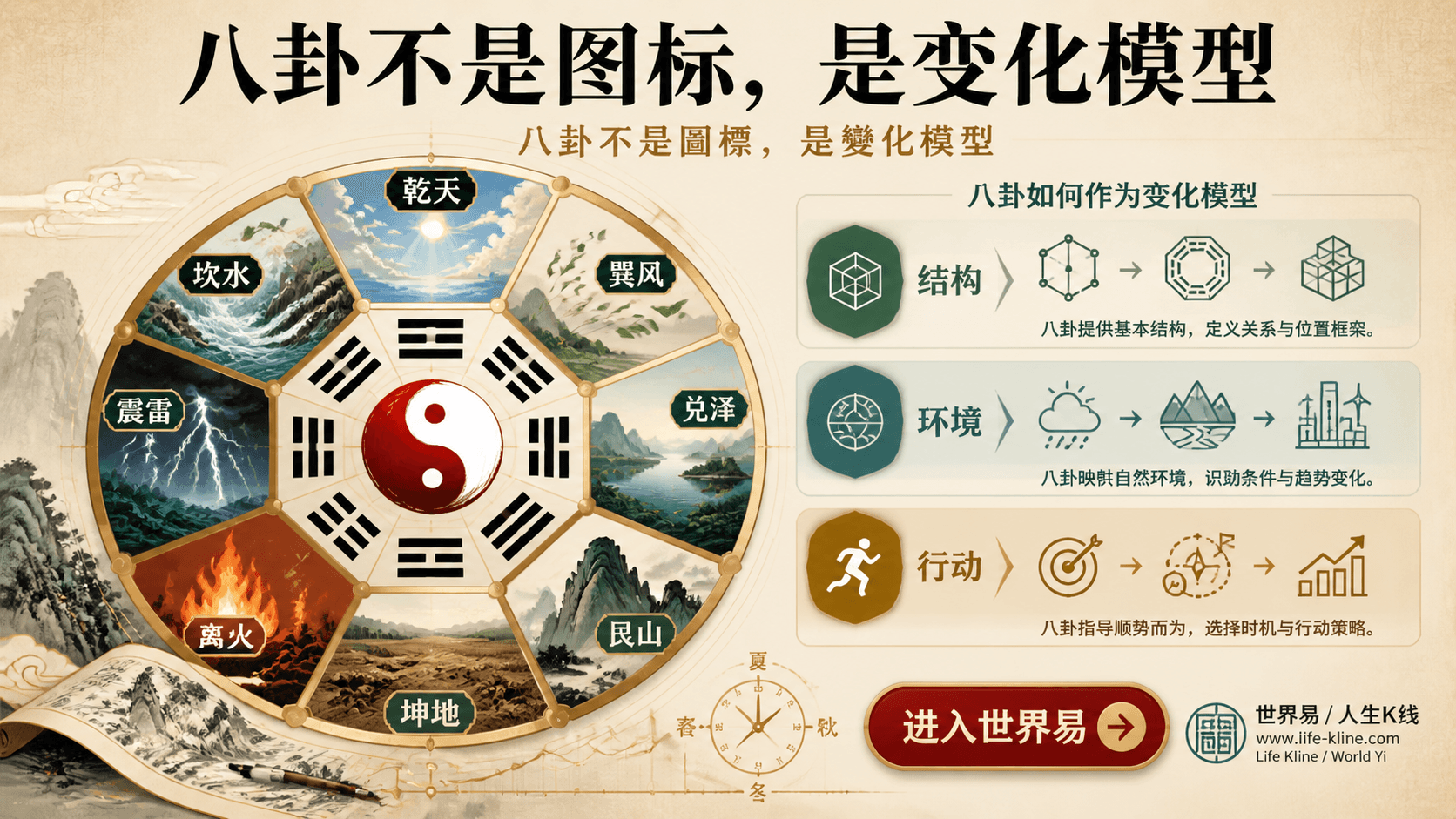
八卦不是图标
这张图把《Astrological Rhythm Analysis of Adult Children’s Late Initiation of Family Room Separation Decisions》里的命理概念转成关系、边界和应用场景,适合先看图建立结构,再回到知识文章正文理解细节。
八卦以天地雷风水火山泽为象,构建了一个动态观察结构、环境与行动的框架。它不是装饰符号,而是帮助我们在具体时位中识别趋势、匹配动作并管理风险的思维工具。
查看图片解读