Comprehensive Interpretation of Huangdao Auspicious Days and Practical Guide to Fate-Based Date Selection
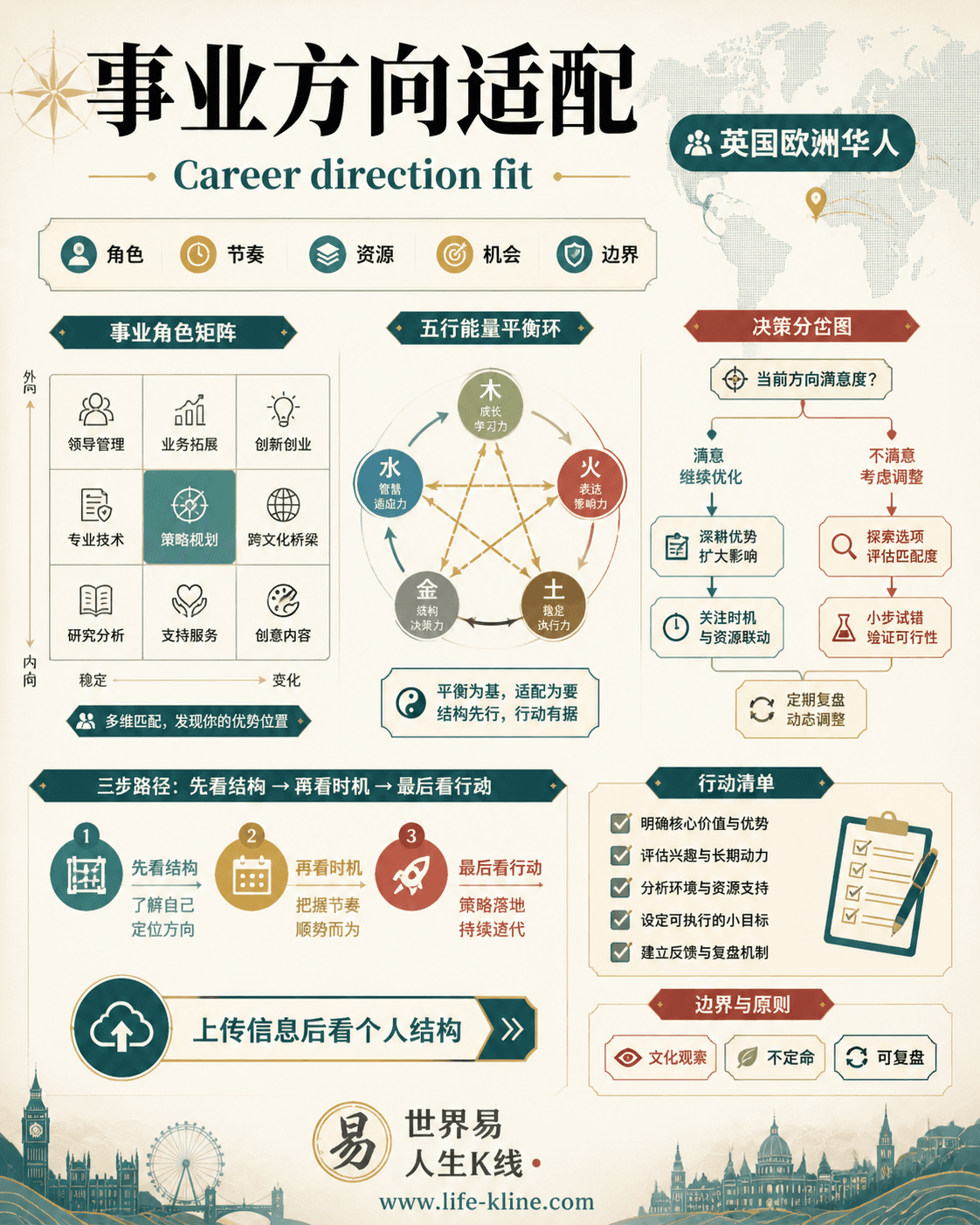
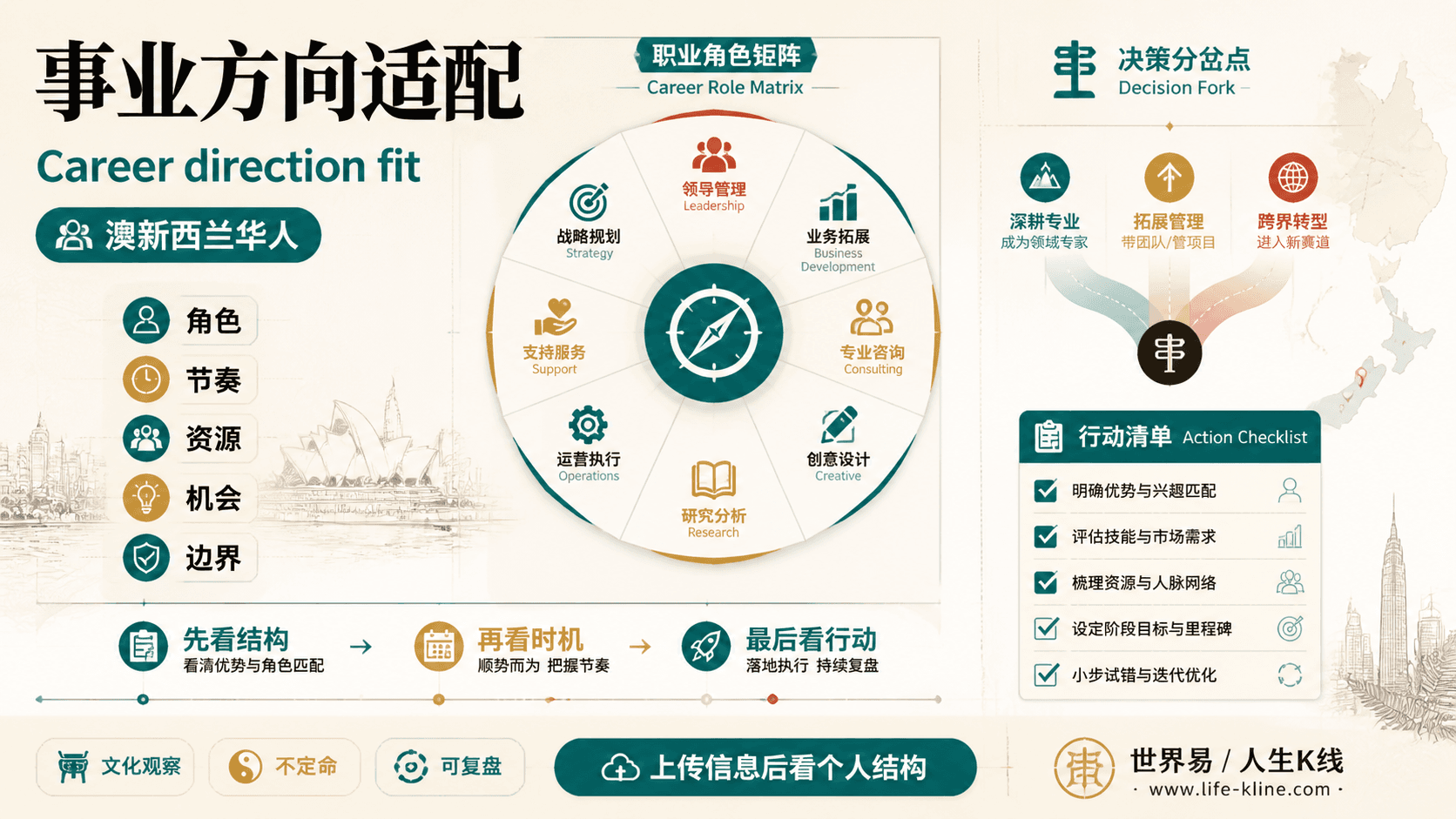
把这篇文章落到自己身上验证:先看结构,再进入个人分析,不做泛泛阅读。
What Are Huangdao Auspicious Days
Huangdao auspicious days are favorable days selected according to traditional Chinese astronomy, calendar systems, and metaphysical principles, commonly used for significant events such as weddings, business openings, groundbreaking, and moving. They integrate favorable timing, geographical advantages, and human factors, aiming to seek auspiciousness and avoid misfortune through date selection, thereby enhancing the success and smoothness of events.
In ancient times, the selection of Huangdao auspicious days was mainly based on the Twelve Gods of Construction and Removal (建除十二神), the Twenty-Eight Mansions (二十八宿), the interaction of Heavenly Stems (天干) and Earthly Branches (地支), as well as the generating and overcoming relationships among the Five Elements (Wood, Fire, Earth, Metal, Water). Modern metaphysics emphasizes combining the individual's BaZi chart, considering the strength of the Day Master (日主), the pattern (格局), Yong Shen (用神, favorable element), and Da Yun (大运) and Liu Nian (流年) factors to achieve personalized date selection.
Huangdao auspicious days not only focus on the general suitability or taboos of a particular day but also emphasize the compatibility of that date with the individual's metaphysical chart. Therefore, Huangdao auspicious days represent a dynamic and personalized date selection process that requires comprehensive consideration of multiple factors.
The scientific nature of date selection lies in respecting metaphysical principles and integrating personal information, making Huangdao auspicious days not only a continuation of traditional culture but also an important component of modern metaphysical applications.
How to Evaluate Huangdao Auspicious Days: Core Elements
When choosing Huangdao auspicious days, the first step is to clarify the individual's Day Master Five Element attribute and its strength, which is key to determining whether the day is favorable. For example, if the Day Master is relatively strong, it is better to select days that generate the Yong Shen (favorable element) and avoid days dominated by Ji Shen (忌神, unfavorable element) that overcome it.
Secondly, one must consider the individual's current Da Yun (decade luck cycle) and Liu Nian (annual fortune). Da Yun represents the strength of a person's luck over a ten-year period, while Liu Nian corresponds to the fortune of the current year. The interaction between Da Yun, Liu Nian, and the day's Heavenly Stem and Earthly Branch determines the auspiciousness of that day.
Identification of the pattern (格局) and Yong Shen is also essential. The pattern determines the overall structure of the BaZi chart, and the Yong Shen is the Five Element needed by the chart. When selecting dates, one should choose days that can generate or assist the Yong Shen and avoid those with the Ji Shen, thus harmonizing the chart.
In addition, it is fundamental to avoid traditional taboos such as days conflicting with both parties’ zodiac signs, days with punishment (刑日), days with monthly breaks (月破日), and days unsuitable for marriage. Priority should be given to days blessed by auspicious deities such as Tian De (天德), Yue De (月德), Tian De He (天德合), and Yue De He (月德合).
Finally, date selection should consider the specific nature of the event and the BaZi of both parties involved. For example, weddings require attention to both parties’ Yong Shen and zodiac compatibility, while moving or groundbreaking should avoid breaking or taboo days to ensure the effectiveness of the auspicious day.
Three Real BaZi Cases
Case One involves a male aged 20-25, whose Day Master is 癸 (Gui) Water, relatively strong, belonging to the Shang Guan (伤官) pattern. His Yong Shen is Fire, and Ji Shen is Metal. He is currently in the 辛酉 (Xin You) Da Yun, which is an unfavorable luck cycle, with the Liu Nian being 丙午 (Bing Wu). Due to the weak Da Yun and the caution required by the Liu Nian, when selecting Huangdao auspicious days, priority should be given to days that generate and assist the Fire Yong Shen and avoid days with heavy Metal elements, to mitigate the adverse luck and enhance stability.
Case Two involves a male aged 50-55, whose Day Master is 戊 (Wu) Earth, relatively weak, with a Zheng Cai (正财) pattern. His Yong Shen is Fire, and Ji Shen are Metal and Water. He is in the 戊寅 (Wu Yin) Da Yun, which is stable, and the Liu Nian is 丙午 (Bing Wu). At this stage, maintaining the status quo is advisable. Date selection should favor days beneficial to the Fire Yong Shen and avoid Metal and Water clashes. Although the Liu Nian requires adaptability, the stable Da Yun forms the foundation, so date selection focuses on consolidation.
Case Three involves a female aged 35-40, whose Day Master is 丁 (Ding) Fire, balanced, with a Cong Er (从儿) pattern. Her Yong Shen are Earth and Metal, and Ji Shen is Wood. She is currently in the 丁巳 (Ding Si) Da Yun, which is stable, and the Liu Nian is 丙午 (Bing Wu). Overall fortune is stable, with the Liu Nian requiring flexibility. Date selection should favor Huangdao auspicious days beneficial to Earth and Metal elements and avoid days with strong Wood energy, to maintain chart balance and promote smooth career and life development.
Common Misconceptions
Many people believe that referring only to the general auspicious and taboo indications in the common Chinese almanac (黄历) is sufficient for selecting Huangdao auspicious days. This overlooks the influence of individual BaZi and Liu Nian, resulting in diminished effectiveness of date selection. The common almanac’s indications are based on fixed rules such as the Twelve Gods of Construction and Removal and the Twenty-Eight Mansions, without integrating individual charts, thus their accuracy is limited.
Another misconception is ignoring the role of Da Yun and Liu Nian in date selection. Da Yun represents a ten-year luck cycle, and Liu Nian reflects the fortune of the current year. Their interaction with the Day Pillar (日柱) is crucial for selecting auspicious days. Neglecting these factors makes it difficult to avoid conflicts in fortune, affecting the smoothness of major events.
Some people only focus on general auspicious deities without considering the matching of Yong Shen and Ji Shen. Since each BaZi chart is unique and requires different Yong Shen elements, selecting dates without considering Yong Shen may result in choosing a so-called 'auspicious day' that is actually unfavorable to the individual, causing adverse effects.
Finally, ignoring the compatibility of both parties’ BaZi and zodiac signs, especially in wedding date selection, easily leads to conflicts such as clash days (冲日) and punishment days (刑日), negatively impacting marital harmony. Date selection must comprehensively consider both parties to ensure the chosen day benefits both.
Practical Advice
In actual date selection, one should first accurately analyze the individual’s BaZi, clarifying the strength of the Day Master, pattern, Yong Shen, and Ji Shen, combined with the current Da Yun and Liu Nian, to form a comprehensive metaphysical judgment basis and avoid blindly relying on general almanacs.
When selecting dates, priority should be given to auspicious days that generate or assist the Yong Shen and avoid the Ji Shen, especially during unfavorable Da Yun and Liu Nian periods, to neutralize potential misfortunes and enhance fortune stability.
For major events involving both parties, such as marriage, both BaZi charts should be analyzed simultaneously to avoid zodiac clashes, punishment days, monthly breaks, and marriage taboos. Preference should be given to days blessed by auspicious deities like Tian De, Yue De, Tian De He, and Yue De He, ensuring harmonious fortune for both parties.
Finally, date selection should flexibly respond to changes in Liu Nian and adjust strategies according to the nature of the event. When necessary, consulting a professional metaphysics practitioner for personalized calculations is recommended to ensure the scientific and practical validity of Huangdao auspicious days.
FAQ
Question 1: Are Huangdao auspicious day tables accurate? Answer: The general almanac’s “suitability and taboos” are based on fixed rules such as the Twelve Gods of Construction and Removal and the Twenty-Eight Mansions, without integrating personal BaZi and zodiac signs, so their accuracy is limited. Truly precise Huangdao auspicious days require joint calculations based on the natal BaZi, current Liu Nian, and relevant parties’ BaZi (e.g., both spouses) to effectively seek auspiciousness and avoid misfortune.
Question 2: What factors should be considered when choosing a wedding date? Answer: Wedding date selection should avoid unfavorable factors such as zodiac clash days, punishment days, monthly break days, extinction days, and marriage taboos. Priority should be given to days blessed by auspicious deities like Tian De, Yue De, Tian De He, and Yue De He, while also considering both parties’ Yong Shen to ensure metaphysical harmony. If major conflicts arise, the wedding date should take precedence and date selection adjusted accordingly.
Question 3: Why combine Da Yun and Liu Nian in date selection? Answer: Da Yun represents a person’s ten-year luck cycle strength, and Liu Nian reflects the fortune of the current year. The interaction between Da Yun, Liu Nian, and the Day Pillar affects the actual effectiveness of the chosen auspicious day. Combining Da Yun and Liu Nian in date selection enables more precise identification of auspicious days suitable for the current fortune, avoiding selecting unfavorable days during adverse luck periods and improving the success rate of important matters.
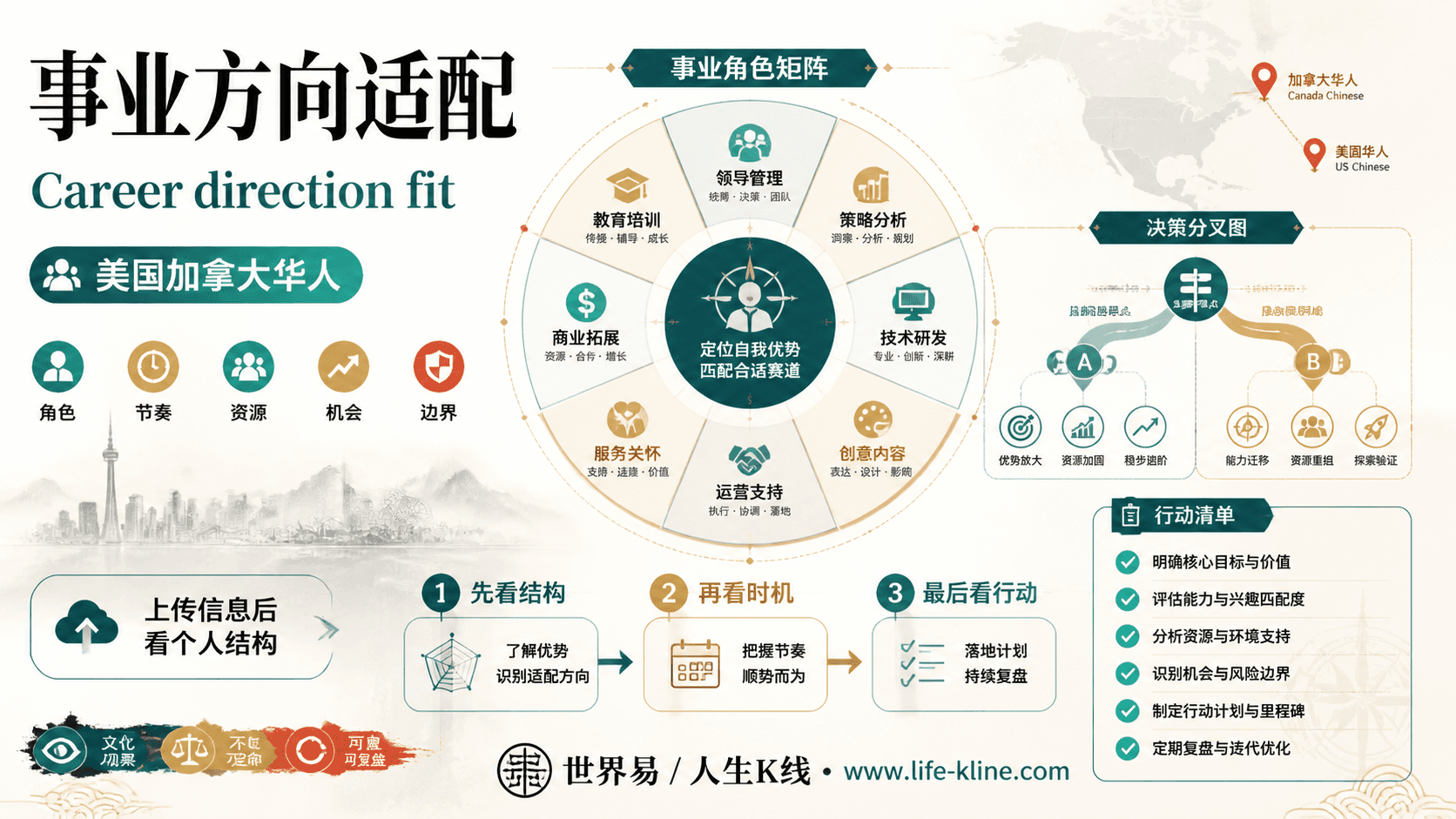
事业方向适配|美国加拿大华人
这张图把《Comprehensive Interpretation of Huangdao Auspicious Days and Practical Guide to Fate-Based Date Selection》里的命理概念转成关系、边界和应用场景,适合先看图建立结构,再回到知识文章正文理解细节。
事业方向适配不应被写成固定结论。更适合美国加拿大华人的读法,是把传统术语翻译成结构、时机、环境、行动和复盘。
查看图片解读