Complete Guide to BaZi: Day Master, Patterns, and Yong Shen Explained
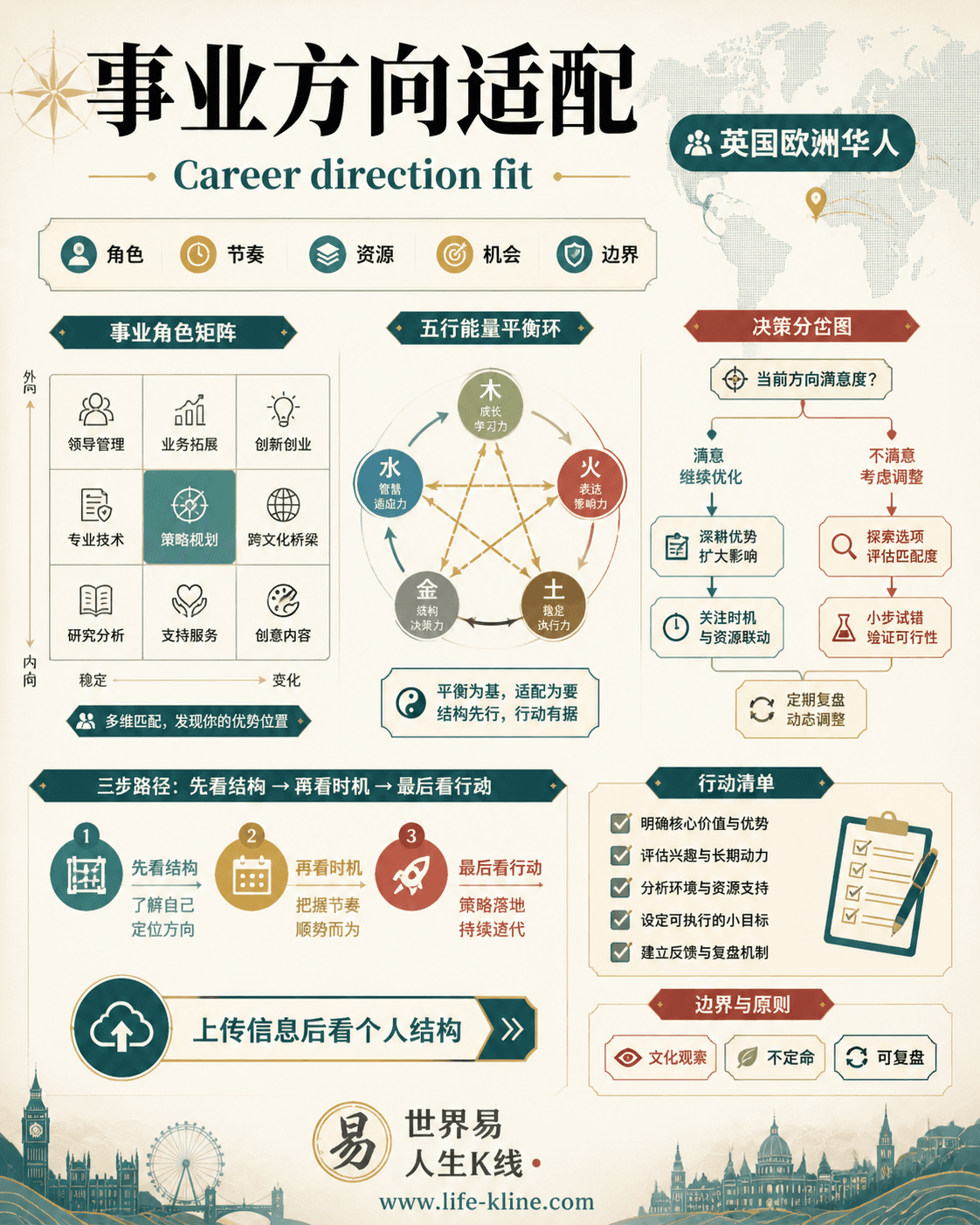
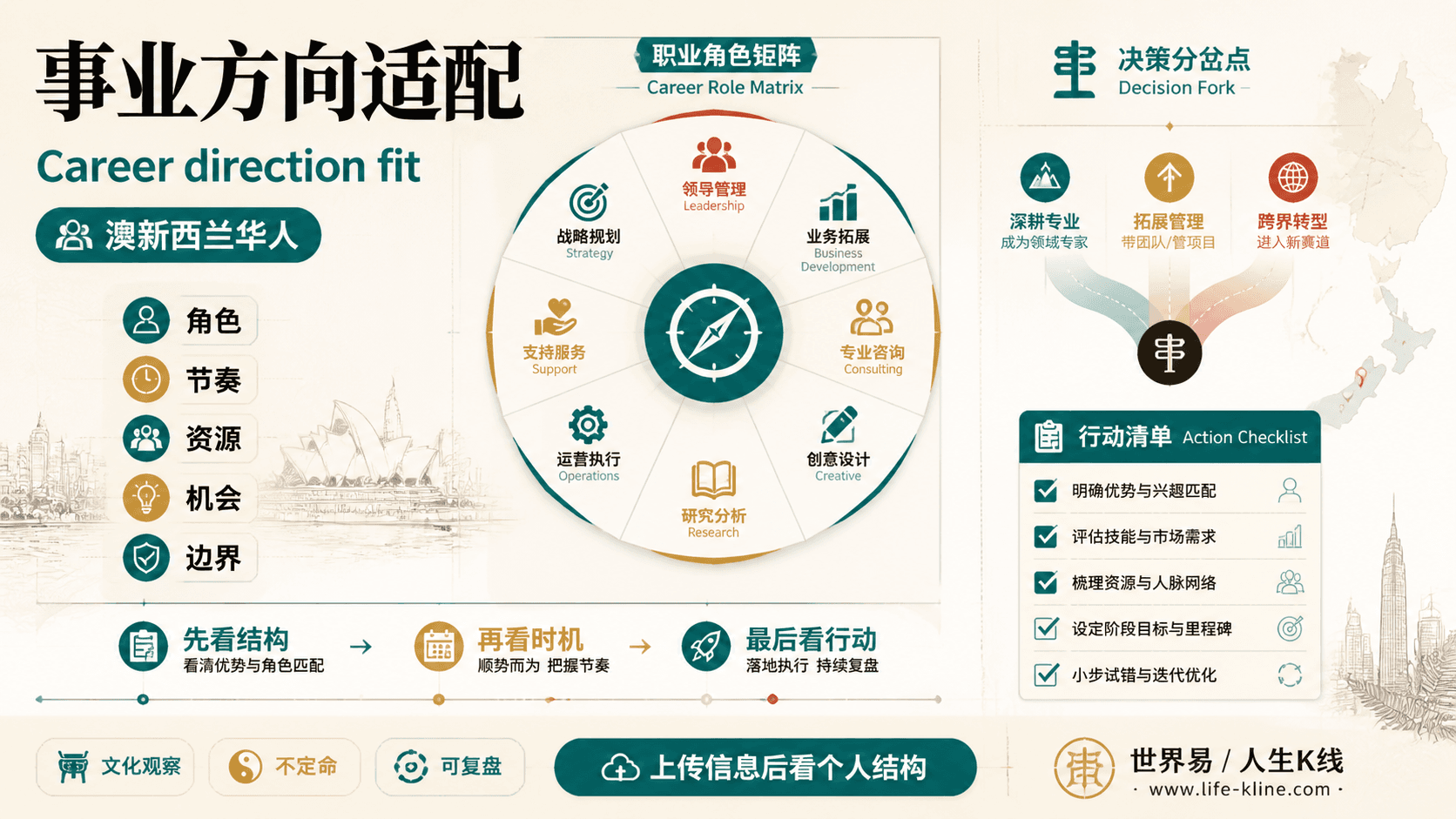
把这篇文章落到自己身上验证:先看结构,再进入个人分析,不做泛泛阅读。
What is BaZi
BaZi, also known as the Four Pillars of Destiny, is a set of metaphysical information formed by the combination of the Heavenly Stems and Earthly Branches of a person's birth year, month, day, and hour. Each pillar contains one Heavenly Stem and one Earthly Branch, totaling eight characters, hence the name “BaZi” (Eight Characters). It is an important tool in traditional Chinese metaphysics used to infer personal destiny and character.
The origin of BaZi can be traced back to the Han Dynasty. After thousands of years of development, it has become a crucial basis in Chinese culture for analyzing fate, health, marriage, career, and other aspects. Through the generating, overcoming, controlling, and transforming relationships among the Heavenly Stems and Earthly Branches, BaZi reveals a person's Five Elements balance and its influence.
The core of BaZi lies in the Day Master, which is the Heavenly Stem of the birth day, representing the self of the person. Based on the strength of the Day Master and combined with the Ten Gods (Bi Jian, Jie Cai, Shi Shen, Shang Guan, Pian Cai, Zheng Cai, Qi Sha, Zheng Guan, Pian Yin, Zheng Yin) and Five Elements generating and overcoming relationships, the chart’s pattern and Yong Shen (favorable element) are analyzed to predict life fortune.
BaZi is not only used for personal destiny analysis but also widely applied in selecting auspicious dates, Feng Shui, and naming studies. It reflects the intrinsic connection between cosmic natural laws and individual fate, representing an important philosophical embodiment of traditional Chinese culture.
How to Read BaZi: Core Elements
The first step in interpreting BaZi is to identify the Day Master, which is the Heavenly Stem of the birth day. The Day Master represents the self, and analyzing its strength is key to judging the chart. The strength of the Day Master determines the choice of Yong Shen, which affects the overall balance and auspiciousness of the chart.
Patterns are special metaphysical structures formed by the combination of the Ten Gods and the prosperity or decline of the Five Elements in the BaZi, such as Zheng Cai pattern, Shang Guan pattern, or Yang Ren pattern. Different patterns correspond to different personality traits and fortune tendencies. Understanding the pattern helps grasp the person’s behavior style and life direction.
Yong Shen is the Five Element used to regulate the chart, aiming to achieve balance among the Five Elements. Choosing the appropriate Yong Shen can alleviate the imbalance of the Day Master’s strength and neutralize the adverse effects of Ji Shen (unfavorable elements), thereby enhancing overall fortune. Ji Shen refers to the Five Elements that have a harmful effect on the Day Master and should be avoided as much as possible.
Da Yun refers to the decade luck cycles that change every ten years, influencing the fortune fluctuations during different age periods. Liu Nian are the annual fortunes represented by the Heavenly Stem and Earthly Branch of each year, reflecting the auspiciousness or inauspiciousness of that year. The interaction between Da Yun and Liu Nian determines the ups and downs of a person’s destiny at specific times.
When analyzing BaZi, attention should also be paid to key palaces such as the spouse palace and children palace, which are especially important for judging marriage and family life. Only by integrating these elements can one comprehensively and accurately grasp the trajectory of a person’s fate.
Three Real BaZi Case Studies
Case One is a male aged 40 to 45, with Four Pillars: 甲子 (Jia Zi), 丁卯 (Ding Mao), 壬寅 (Ren Yin), 辛亥 (Xin Hai). The Day Master is 壬 (Ren, Water), which is relatively strong. His pattern is Zheng Cai pattern, with Yong Shen being Earth and Fire, and Ji Shen being Metal. The current Da Yun is 辛未 (Xin Wei), representing a stable luck period, suitable for consolidation. The Liu Nian is 丙午 (Bing Wu). Considering the interaction of Da Yun and Liu Nian, the overall fortune is stable, but the Liu Nian requires flexibility. This chart shows that the Day Master Water is relatively strong and needs Earth and Fire as Yong Shen to harmonize, demonstrating the important principle in BaZi of using Yong Shen to balance the Five Elements and maintain chart stability.
Case Two is a male aged 30 to 35, with Four Pillars: 丙子 (Bing Zi), 庚子 (Geng Zi), 己卯 (Ji Mao), 乙丑 (Yi Chou). The Day Master is 己 (Ji, Earth), which is relatively weak. The pattern is Shang Guan pattern, with Yong Shen being Fire, and Ji Shen being Metal and Water. The current Da Yun is 癸卯 (Gui Mao), indicating a weaker luck cycle, so cautious behavior is advised. The Liu Nian is also 丙午 (Bing Wu). The interaction of Da Yun and Liu Nian shows a weaker Da Yun, requiring extra caution during the Liu Nian. This case emphasizes that when the Day Master is weak, it must rely on Yong Shen for support and avoid interference from Ji Shen, illustrating the guiding significance of Day Master strength on Yong Shen selection in BaZi.
Case Three is a male aged 40 to 45, with Four Pillars: 丙寅 (Bing Yin), 甲午 (Jia Wu), 丙午 (Bing Wu), 戊戌 (Wu Xu). The Day Master is 丙 (Bing, Fire), which is relatively strong. His pattern is Yang Ren pattern, with Yong Shen being Water, and Ji Shen being Wood. The current Da Yun is 戊戌 (Wu Xu), representing a stable luck cycle, suitable for consolidation. The Liu Nian is 丙午 (Bing Wu). The interaction of Da Yun and Liu Nian is stable, requiring flexibility during the Liu Nian. This chart reflects that a strong Fire Day Master needs Water as Yong Shen to drain excess Fire and balance the Five Elements, highlighting the importance and practicality of Yong Shen regulation in BaZi.
Common Misconceptions
Many people mistakenly think BaZi is simply a straightforward arrangement of birth time, ignoring the complexity of the Five Elements generating and overcoming relationships and the configuration of the Ten Gods. In fact, BaZi interpretation requires systematic analysis of the Day Master’s strength, pattern, and the interaction of Yong Shen and Ji Shen to accurately reflect the person’s destiny trajectory.
Another common misconception is neglecting the importance of the hour pillar. Some believe that knowing only the birth year, month, and day is sufficient to accurately calculate BaZi, but missing the hour pillar results in incomplete chart information, affecting the judgment of Yong Shen and Da Yun, reducing accuracy by about 30% to 50%.
Some misunderstand the meaning of Day Master strength, assuming a strong Day Master is always good and a weak one always bad. In reality, Day Master strength has no absolute good or bad; the key lies in whether a suitable Yong Shen can be found to harmonize the chart, ensuring Five Elements balance and smooth, auspicious metaphysical outcomes.
Others confuse the influence of Da Yun and Liu Nian. Da Yun changes every ten years and plays a dominant role in overall life fortune, while Liu Nian reflects the annual fortune. Ignoring the importance of Da Yun and focusing only on Liu Nian can lead to a one-sided understanding of destiny.
Practical Suggestions
When applying BaZi in practice, it is strongly recommended to verify the exact birth hour, as missing the hour pillar significantly affects the precision of the chart analysis. If it is impossible to confirm, one can use the reverse calculation method by analyzing key recent events to infer the hour pillar, thereby improving the accuracy of BaZi interpretation.
In BaZi interpretation, focus should be placed on the strength of the Day Master and the pattern to determine the Yong Shen and Ji Shen. Avoid blindly using Five Elements without considering their regulatory function in the chart. The proper choice of Yong Shen is crucial for achieving chart balance and influencing fortune outcomes.
Da Yun and Liu Nian should not be overlooked. It is necessary to consider the interaction between the current age period’s Da Yun and the Liu Nian to judge fortune fluctuations and response strategies. Stable Da Yun periods are suitable for consolidation, while weaker Da Yun periods require caution and flexible responses to Liu Nian changes to seek auspiciousness and avoid misfortune.
FAQ
Question 1: What exactly does BaZi fortune telling look at? Answer: BaZi fortune telling mainly examines the Four Pillars of birth year, month, day, and hour through the generating, overcoming, controlling, and transforming relationships of the Heavenly Stems and Earthly Branches, as well as the prosperity or decline of the Five Elements. A complete chart analysis includes the strength of the Day Master, the selection of Yong Shen, pattern judgment, the trends of Da Yun and Liu Nian, and the auspiciousness or inauspiciousness of key palaces such as the spouse palace and children palace, comprehensively revealing the person’s character and fortune.
Question 2: Can BaZi be calculated without knowing the birth hour? Answer: Knowing only the three pillars of year, month, and day can provide a rough framework, but the accuracy decreases by about 30% to 50%. It is recommended to confirm the birth hour with family members or household registration records. If it cannot be determined, reverse calculation combined with important recent events can be used to estimate the hour pillar, improving BaZi analysis accuracy.
Question 3: How often does Da Yun change? Answer: Da Yun generally changes every ten years, starting from the birth month pillar, calculated forward or backward according to the person’s gender and the Yin-Yang attribute of the birth year. Da Yun plays a key role in metaphysics, determining the overall fortune changes during different life stages and having a more profound impact than Liu Nian. Therefore, special attention should be paid to the flow of Da Yun when interpreting BaZi.
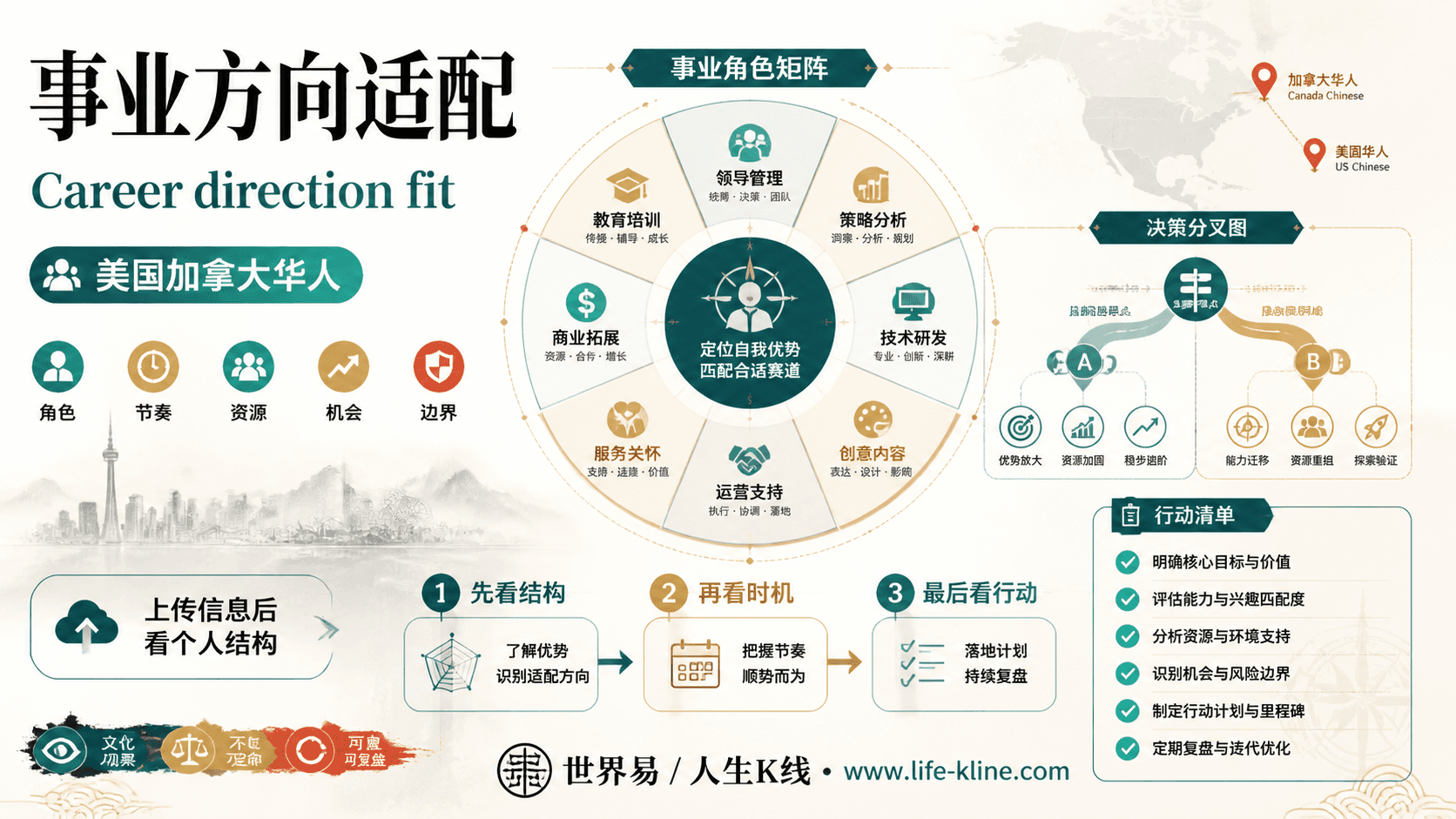
事业方向适配|美国加拿大华人
这张图把《Complete Guide to BaZi: Day Master, Patterns, and Yong Shen Explained》里的命理概念转成关系、边界和应用场景,适合先看图建立结构,再回到知识文章正文理解细节。
事业方向适配不应被写成固定结论。更适合美国加拿大华人的读法,是把传统术语翻译成结构、时机、环境、行动和复盘。
查看图片解读