In-Depth Analysis of Synastry: Core Concepts and Practical Guide in Western Astrology
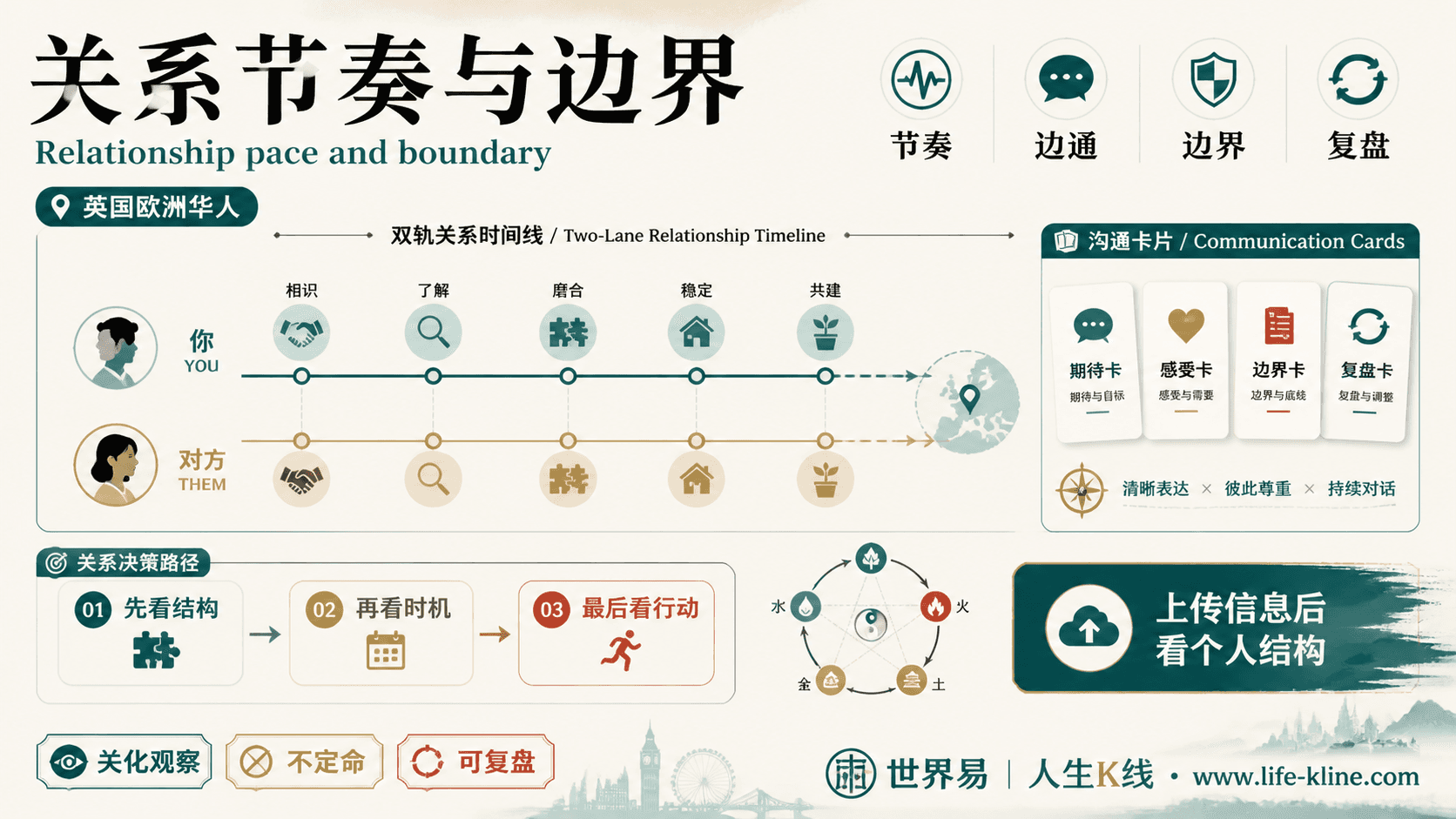
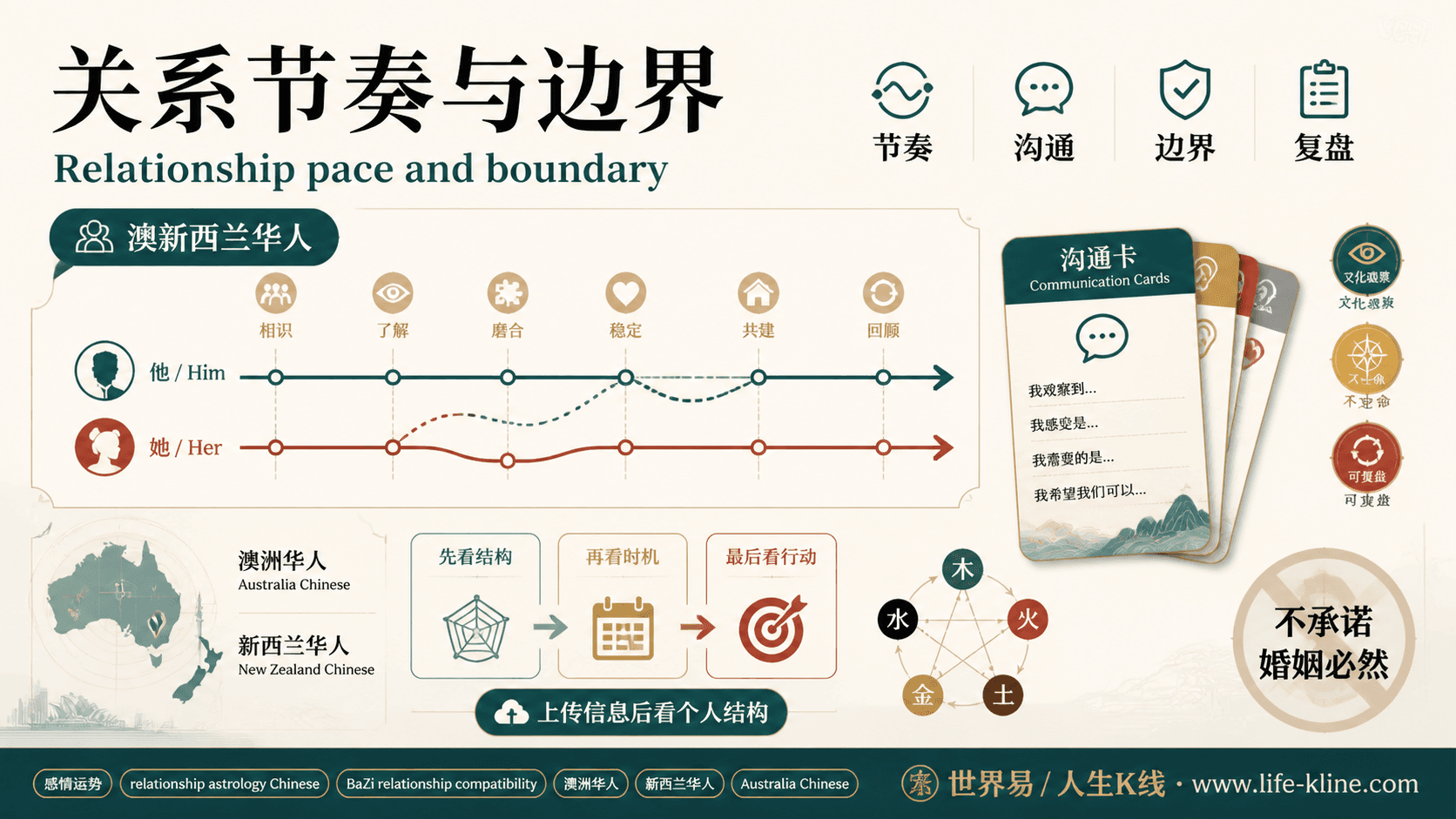
把这篇文章落到自己身上验证:先看结构,再进入个人分析,不做泛泛阅读。
What Is Synastry
Synastry is a significant technique in Western astrology that involves combining two individuals’ natal charts for a comprehensive analysis to explore the characteristics of their relationship, interaction patterns, and potential compatibility. It reveals mutual influences on personality, emotions, and behavior by comparing both parties’ Sun signs, Moon signs, Ascendant signs, and planetary aspects.
The origin of synastry can be traced back to ancient astrological traditions, initially used for marriage matching and interpersonal relationship analysis. As astrology evolved, synastry has been widely applied to intimate relationships, business partnerships, family members, and even commercial relations, becoming an important tool to understand complex human interactions.
In modern astrology, synastry goes beyond simple zodiac sign comparisons, emphasizing the integration of both parties’ Four Pillars (BaZi) information and Da Yun (decade luck cycles) and Liu Nian (annual fortune) changes to obtain more dynamic and detailed relationship insights. This approach helps astrologers grasp each party’s strengths and potential issues, guiding better coordination and growth within the relationship.
How to Read Synastry: Core Elements
The core elements of synastry analysis include both parties’ Day Master attributes, chart patterns (格局), and the compatibility of Yong Shen (favorable elements) and Ji Shen (unfavorable elements). The Day Master represents the individual’s core energy, the pattern reflects the overall chart structure, and Yong Shen and Ji Shen are key factors regulating the Day Master’s energy. In synastry, the strength of each Day Master’s Five Elements and the compatibility of their patterns directly affect the quality of their interaction.
Da Yun (decade luck cycles) and Liu Nian (annual fortune) are also indispensable parts of synastry. Da Yun reflects the phase trends of fate, while Liu Nian shows the fluctuations of annual fortune. When analyzing synastry, attention must be paid to whether the parties’ Da Yun and Liu Nian complement or conflict with each other. For example, if one is in a favorable Da Yun and the other in an unfavorable one, this difference may bring pressure and challenges to the relationship.
Additionally, synastry requires focus on the mutual influence between the Sun sign and Ascendant sign. The Sun sign represents the individual’s inner core and goals, while the Ascendant sign reflects the outward appearance. The degree of coordination between these two influences how the parties interact and their first impressions, determining the overall harmony of the synastry.
Three Real Chart Cases
In Case One, the gentleman’s Day Master is Xin (辛, Metal), relatively strong, with a Zheng Yin (正印) pattern. His Yong Shen are Fire and Wood, and Ji Shen is Earth. He is currently in the Jia Zi (甲子) Da Yun (a favorable luck cycle), and the Liu Nian is Bing Wu (丙午), which complements the Da Yun, resulting in progress in career and wealth. In synastry analysis, such a chart shows a steady personality with good harmonizing ability, suitable for matching with a partner strong in Fire and Wood Yong Shen elements, facilitating mutual support in the relationship.
In Case Two, the gentleman’s Day Master is Bing (丙, Fire), relatively weak, with a Zheng Guan (正官) pattern. His Yong Shen is Wood, while Ji Shen are Earth and Metal. He is currently in the Geng Chen (庚辰) Da Yun (an unfavorable luck cycle), with a Liu Nian of Bing Wu (丙午), but the Da Yun is weak and requires caution. In synastry, it is important to see if the partner can compensate for his Wood Yong Shen needs and avoid Ji Shen Earth and Metal pressures on the relationship. This type of chart emphasizes preventing major disruptions, requiring both parties to strengthen communication and understanding to stabilize the relationship.
In Case Three, the lady’s Day Master is Jia (甲, Wood), relatively strong, with a Zhuan Wang (专旺) pattern. Her Yong Shen is Water, and Ji Shen is Earth. She is currently in the Yi Chou (乙丑) Da Yun, which is stable, and the Liu Nian is Bing Wu (丙午), requiring flexible responses. In synastry, the Jia Wood Day Master is strong with Water Yong Shen, favorable for pairing with a partner rich in Water and Wood elements. Both parties’ Da Yun and Liu Nian trends are stable, indicating the relationship is suitable for maintaining stability and adaptability, beneficial for long-term harmonious development.
Common Misconceptions
Many people mistakenly believe that synastry only requires a simple comparison of the two parties’ Sun signs to judge the quality of the relationship. In fact, the Sun sign only reflects the individual’s core traits and overlooks critical factors such as Day Master strength, chart patterns, and Yong Shen, leading to superficial judgments.
Another misconception is neglecting the influence of Da Yun and Liu Nian on the relationship. If synastry ignores the auspiciousness or inauspiciousness of both parties’ Da Yun and the changes in Liu Nian, it is easy to miss potential timing and risks, failing to provide practical guidance for the relationship.
Furthermore, many confuse synastry with mere natal chart comparison and overlook conflicts involving Ji Shen. The clashes of Ji Shen often cause friction and challenges in the relationship, and ignoring this aspect diminishes the accuracy and usefulness of synastry analysis.
Practical Suggestions
When conducting synastry analysis, carefully verify both parties’ Day Master attributes, chart patterns, Yong Shen, and Ji Shen to ensure the accuracy of foundational information, avoiding misjudgments caused by incorrect data.
Combine the current Da Yun and Liu Nian situations of both parties to assess the auspicious and inauspicious changes and key timing in the relationship, especially focusing on whether their Da Yun complement each other and if the Liu Nian trends are favorable, to guide interaction strategies at different periods.
It is recommended to incorporate the Sun sign, Ascendant sign, and Moon sign together to form a multidimensional analytical framework. This comprehensive approach better understands both parties’ inner needs and external expressions, providing effective support for harmonious relationship development.
FAQ
Question 1: Which is more important, the Sun sign or the Ascendant sign? Answer: The Sun sign represents the individual’s inner core and goals; it is the commonly known “zodiac sign” determined by birth month. The Ascendant sign is the zodiac rising on the eastern horizon at birth, changing approximately every two hours, representing the outward image presented to the world. Both have their emphasis: the Sun sign shows the inner self, while the Ascendant determines external behavior. The Moon sign complements by reflecting emotions and subconscious. In synastry, all three should be considered to fully understand the relationship.
Question 2: Can a natal chart be read without the birth time? Answer: It is possible to identify the Sun sign, Moon sign, and planetary signs, but without an accurate birth time, the 12 houses (which depend on birth time) cannot be precisely determined. This limits the ability to analyze specific house-related matters such as career. Since house information is crucial for synastry, it is recommended to obtain the birth time, usually available from hospital birth records or baby handbooks.
Question 3: How to handle differences in Da Yun and Liu Nian between two parties in synastry? Answer: Da Yun and Liu Nian represent different temporal layers of fate, and their auspiciousness or inauspiciousness affects the dynamic changes in the relationship. Synastry should focus on whether the parties are in mutually supportive or conflicting states; for example, if one is in a favorable Da Yun and the other in an unfavorable one, the relationship may face challenges. Understanding and adapting to these temporal trends helps both parties adjust their interaction strategies to achieve stability and growth.
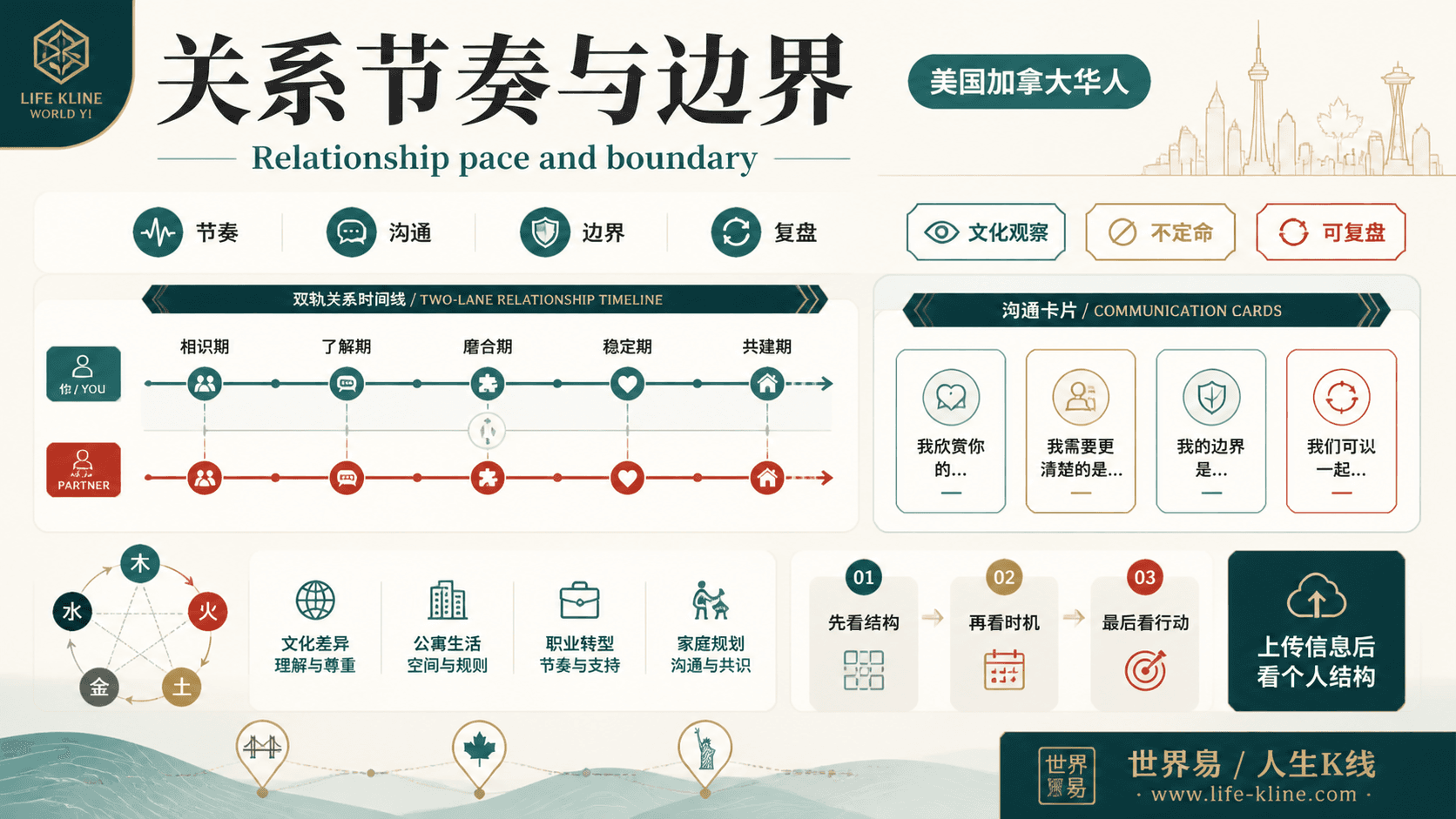
关系节奏与边界|美国加拿大华人
这张图把《In-Depth Analysis of Synastry: Core Concepts and Practical Guide in Western Astrology》里的命理概念转成关系、边界和应用场景,适合先看图建立结构,再回到知识文章正文理解细节。
关系节奏与边界不应被写成固定结论。更适合美国加拿大华人的读法,是把传统术语翻译成结构、时机、环境、行动和复盘。
查看图片解读