How Fortune-Reading Customs Differ Across Taiwan, Hong Kong, and Southeast Asia
Readers in these three regions ask different first questions. Knowing which question a tradition answers keeps you from taking the wrong reading as advice.
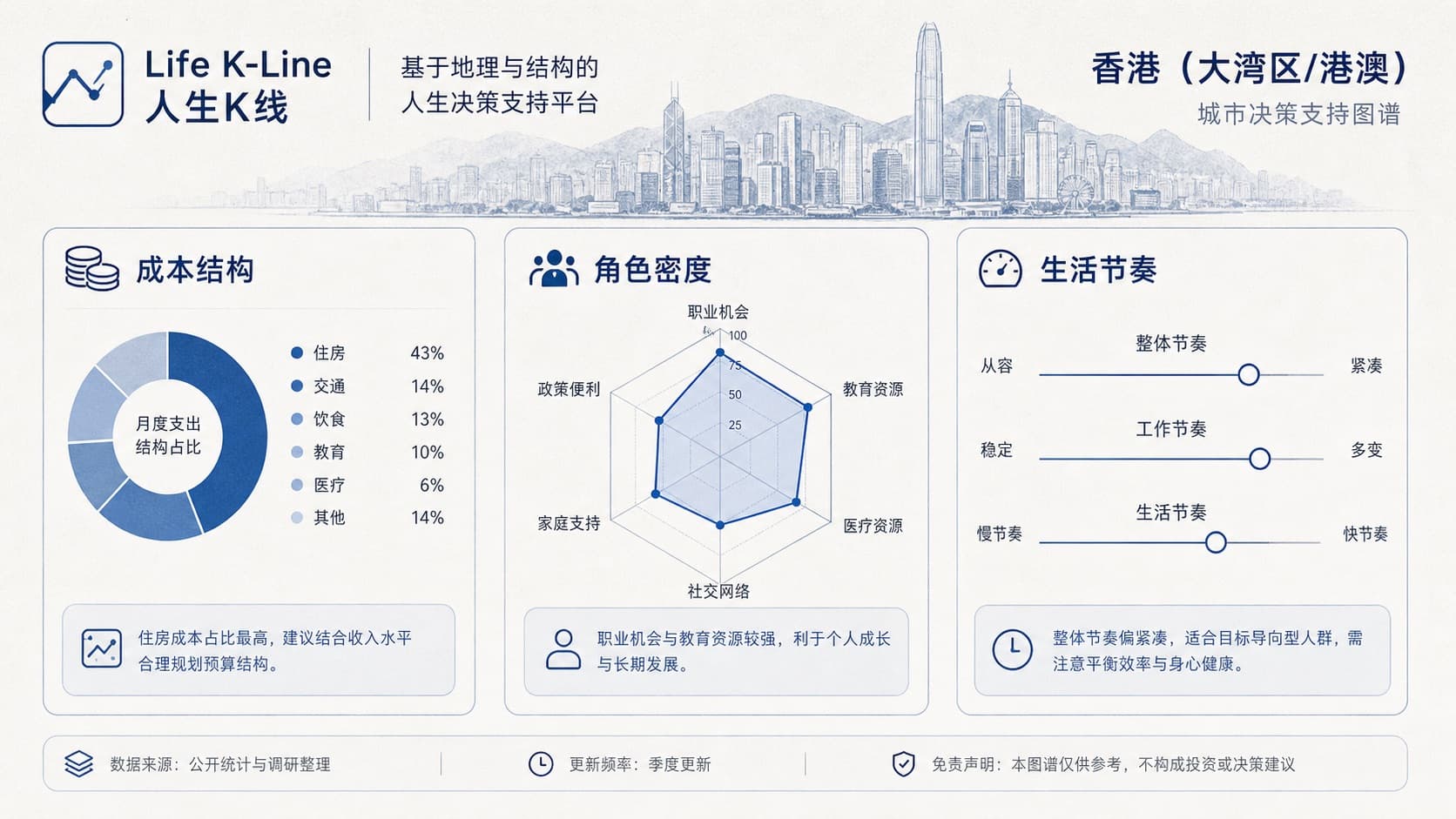
城市观察:香港
Taiwan: two systems, two questions
Zi Wei Dou Shu maps a life onto twelve palaces — career, wealth, marriage, travel — and answers "which area runs hard." Four Pillars (Bazi) reads structure and timing and answers "when to push, when to hold."
Most people in Taiwan start with Zi Wei and return to Bazi when a decision actually needs a date. Using both is not contradiction; it is two different lenses on the same chart.
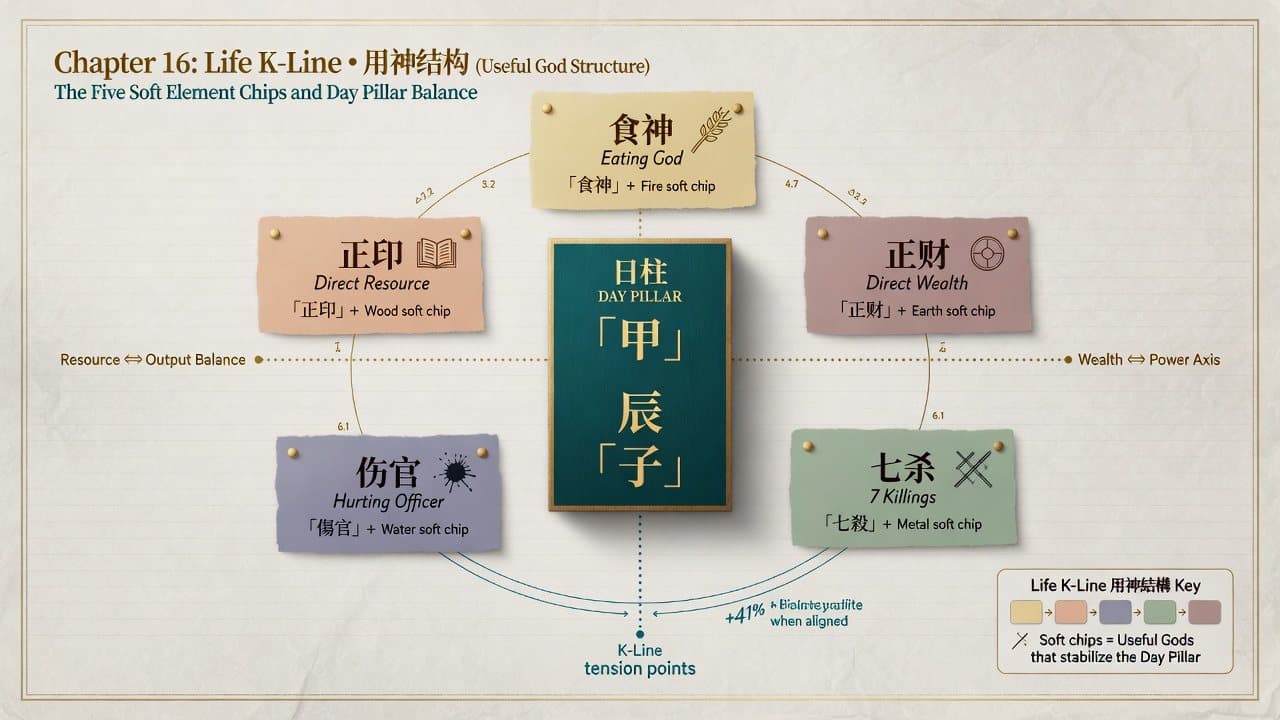
日主与用神结构:把抽象判断拆成可看见的结构关系。
Hong Kong: change the room first
Dense housing and dense offices make the physical environment feel immediately actionable, so annual feng shui guidance outranks abstract chart reading in everyday use.
The annual almanac (通勝) supplies the doing part: which days to sign, move, or open. It is practical scheduling, not a forecast of character.
Southeast Asia: the calendar leads
In Malaysia and Singapore the most consistently practised customs are festival-bound — welcoming the God of Wealth, honouring the Nine Emperor Gods, the Hungry Ghost month.
Date selection matters most for business openings, ground-breaking, and moves. Local climate reshapes the conclusions: advice built for a temperate mainland does not transfer to a tropical city unchanged.
本文含 2 张图解(封面/结构/时位/行动或风险)。图解用于建立判断框架,不构成宿命结论; 个人决策请结合测算报告与工具验证。