Born Outside China? Your Birth Hour Is Probably Wrong
If you were born outside UTC+8, a chart that takes your clock time at face value can put you in the wrong hour pillar entirely. Here is what actually needs correcting.
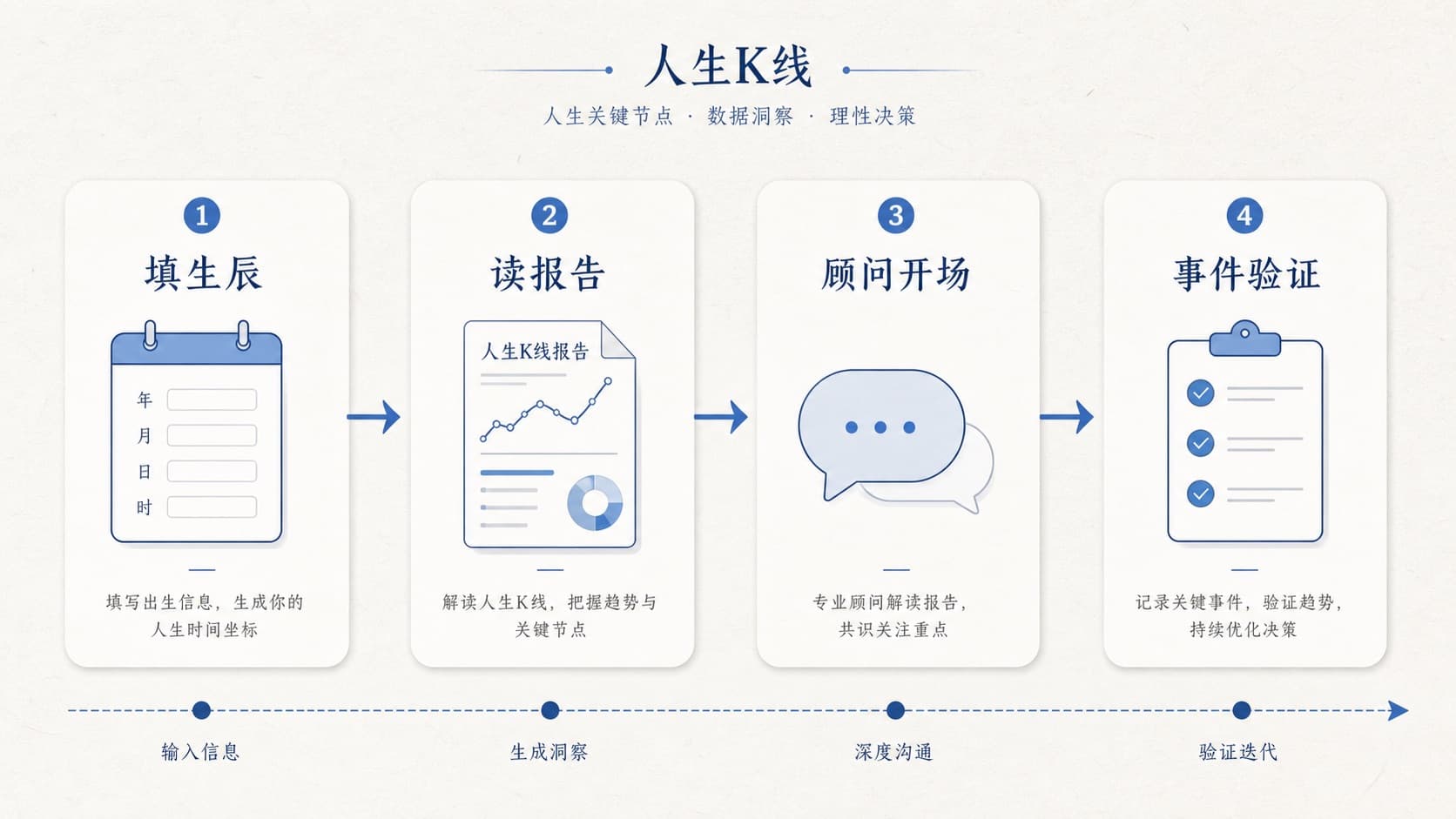
从生辰到可执行判断:把抽象判断拆成可看见的结构关系。
Two corrections, not one
A Bazi chart is anchored to local solar noon, not to the clock on your birth certificate. For a birth outside China you need to undo the timezone offset first, then adjust for longitude within that timezone.
Most online calculators only do the first step, or skip both. A chart cast from unadjusted overseas clock time will often land in the wrong hour pillar, and the hour pillar drives late-life, children, and inner-need readings.
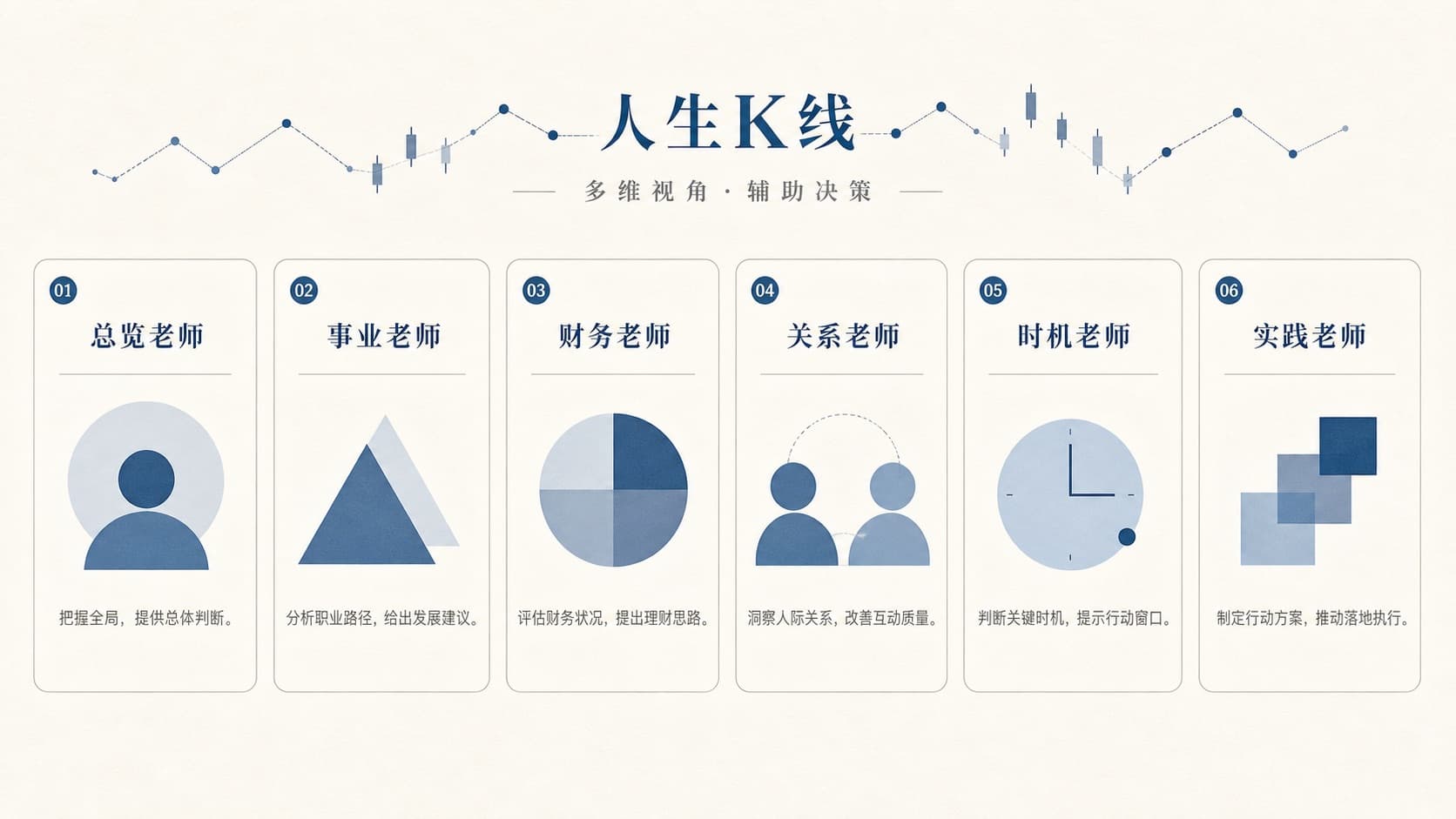
一位老师专一事:把抽象判断拆成可看见的结构关系。
When it changes nothing
If your birth time sits comfortably in the middle of an hour block — say 10:20 am — a correction of a few minutes will not move the pillar. The risk is concentrated near block boundaries.
If you were born near a boundary, or your recorded time is rounded ('around 3 pm'), treat the hour pillar as uncertain and read the day-level structure more heavily. Guessing a precise minute is worse than flagging the ambiguity.
Daylight saving is the silent error
Many countries shift clocks by an hour for part of the year. A birth during a DST period, entered as the wall clock of the time, will be an hour off before the longitude correction even starts.
Check the DST rules that applied in your birth country and year — they have changed repeatedly in the US, UK, and Australia. Getting this wrong is the single most common reason an overseas chart reads badly.
本文含 2 张图解(封面/结构/时位/行动或风险)。图解用于建立判断框架,不构成宿命结论; 个人决策请结合测算报告与工具验证。