Deciding Whether to Stay, Switch, or Relocate: A Timing Framework for English-Speaking Professionals in Singapore
先看完案例关键信息,再进入分析页验证自己的结构与阶段。
Why this pressure keeps intensifying
English-speaking professionals in Singapore rarely face a single isolated trigger when weighing whether to stay in their current role, switch employers locally, or relocate regionally. Instead, the tension builds from multiple overlapping forces: persistent market volatility with cautious hiring trends and a shift toward contract positions, confusion over whether current conditions reflect a temporary slowdown or a deeper structural change in sectors like finance and tech, personal constraints such as family stability and schooling commitments in a high-cost city-state, and the growing anxiety of delaying a necessary move until options narrow or competitors act first.
This layering effect turns straightforward career questions into sustained indecision, as professionals struggle to distinguish short-term dips—driven by global geopolitical risks and inflation—from longer-term shifts like tighter employment pass regulations and rising emphasis on specialised local talent. Without clear signals on which trend dominates, the default response becomes chronic hesitation, where even solid performers question their runway and fear that waiting for clarity will mean missing a narrow window for better roles elsewhere in Southeast Asia or beyond.
Which variables matter first
The most effective way to cut through career indecision in Singapore's current environment is to shift focus from the immediate pressure to act toward identifying the actual components of the choice at hand. Rather than fixating on whether this is the precise moment to stay put, pursue an internal switch, or explore relocation, professionals gain far more traction by dissecting the decision into four primary variables: strategic direction, precise timing windows, realistic downside exposure, and personal financial runway. These elements separate reactive impulses driven by market headlines or peer moves from deliberate assessments grounded in individual circumstances, allowing clearer evaluation of whether a potential change aligns with long-term objectives or merely addresses short-term discomfort.
In practice, direction asks whether the contemplated path—remaining in a current role, shifting within Singapore, or moving regionally—genuinely advances core career goals amid selective hiring trends and rising emphasis on specialised skills. Timing examines whether external conditions such as softening employment outlooks or evolving visa thresholds create genuine openings or artificial urgency, while downside cost weighs tangible losses like income gaps, relocation expenses, or professional network disruptions against potential upsides. Runway then anchors everything by quantifying how many months of stability a person can sustain without severe pressure, turning abstract uncertainty into a concrete boundary that dictates when patience becomes riskier than measured action.
The most common mistakes and costs
Professionals in Singapore frequently copy decision frameworks from peers or online advice without adjusting for their own circumstances, such as family obligations, visa constraints, or stage of life, leading to misaligned choices that amplify regret rather than resolve uncertainty. Many also treat passing anxiety from market dips or role stagnation as permanent signals to act, prompting premature switches or relocations that sacrifice accumulated optionality and networks built over years in a stable hub like Singapore.
Another widespread error involves chasing more data points through endless research or consultations, assuming accumulation equals clarity, yet this often generates conflicting signals and decision paralysis while ignoring the real constraints of timing windows that close faster in competitive regional markets. These patterns distort practical judgment, turning what could be measured trade-offs into prolonged hesitation that erodes both career momentum and personal well-being, especially when personal factors like age, dependents, or location-specific costs are sidelined in favor of generic playbooks.
How to turn this into a personal decision
Public content can help readers understand the logic of a situation, but it cannot replace a decision calibrated to their own timing and context. The practical next step is to test the same variables against personal birth data, location, and the decision they are facing now.
That is where a general framework becomes useful instead of decorative: readers move from broad recognition to a specific decision path, with clearer trade-offs, clearer timing, and fewer avoidable mistakes.
内容体系地图
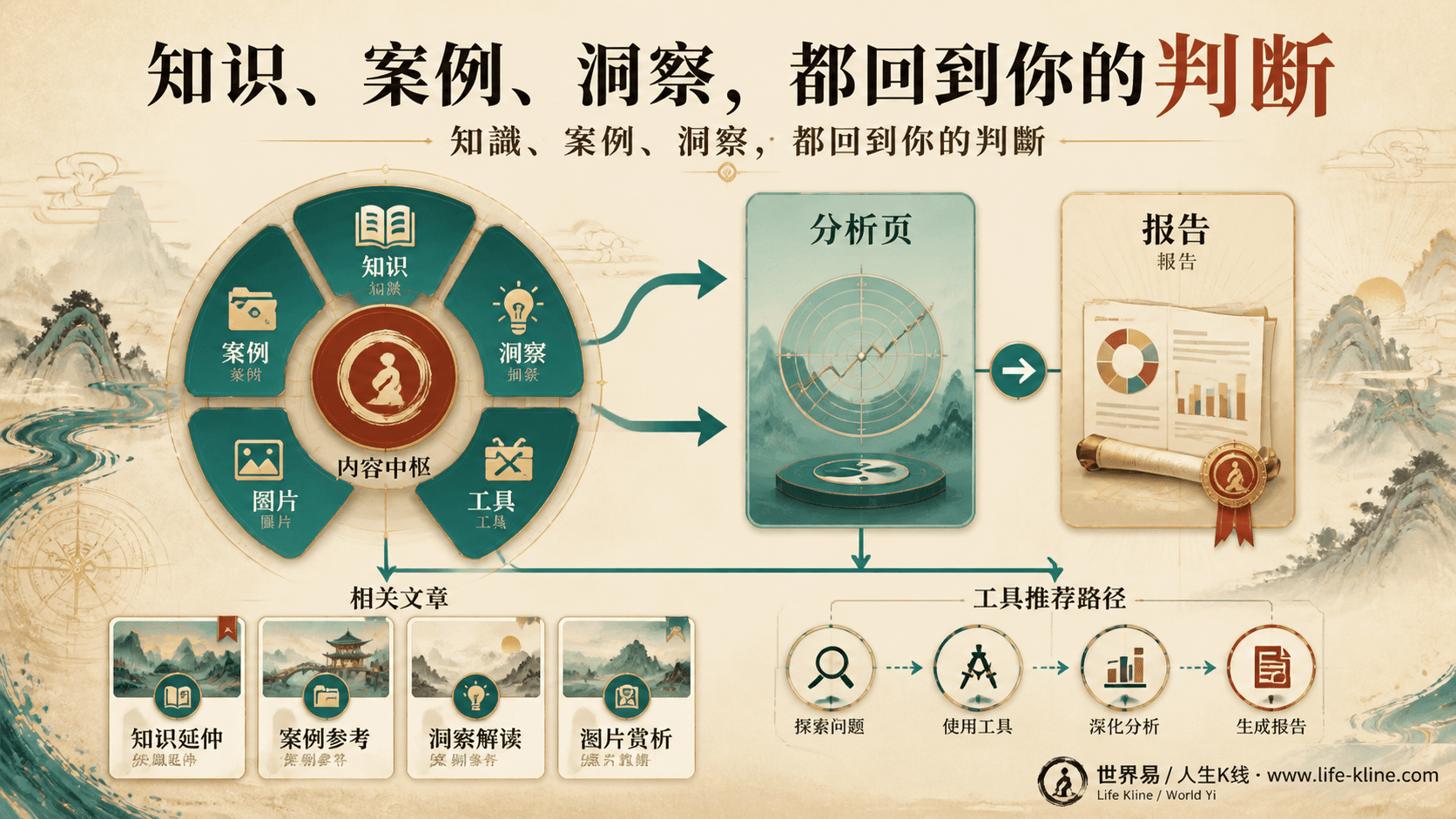
这张图把《Deciding Whether to Stay, Switch, or Relocate: A Timing Framework for English-Speaking Professionals in Singapore》放回人生K线内容体系,让用户知道当前阅读如何继续连接测算、工具、案例和复访。
内容体系地图展示知识、案例、洞察、图片、工具与报告的有机连接路径,帮助用户在结构化的信息网络中清晰定位当前时位,并导向有效的分析与决策动作。
查看图片解读