What Bazi-Style Timing Frameworks Can and Cannot Do in Cross-Cultural Relationships
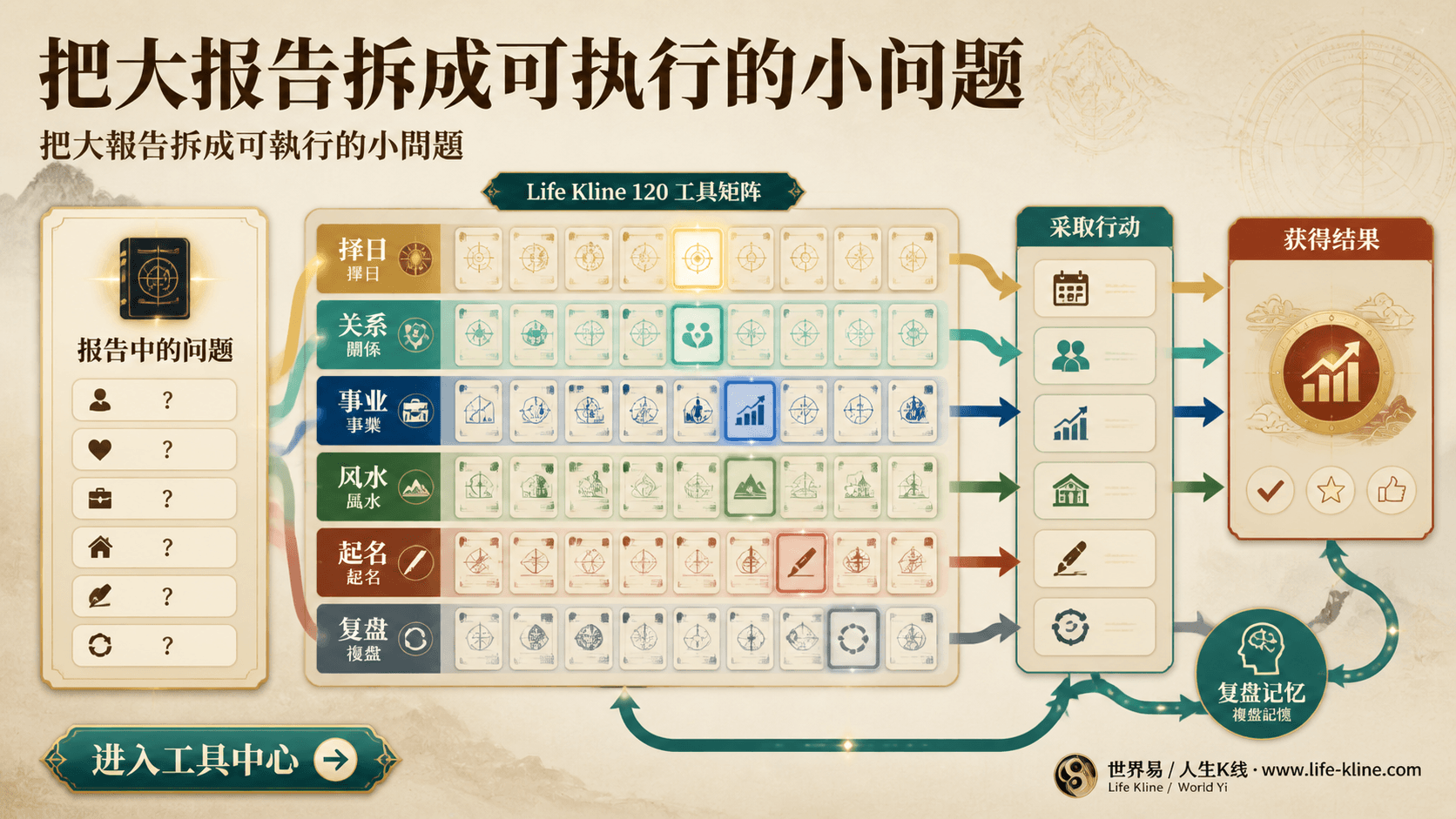
先看完案例关键信息,再进入分析页验证自己的结构与阶段。
Why this pressure keeps intensifying
In cross-cultural relationships, the pressure rarely stems from one isolated issue such as differing family expectations or visa uncertainties. Instead it builds when several forces converge: career or financial instability in one country, conflicting cultural timelines for marriage or children, parental pressure from distant time zones, and the nagging sense that a narrow window for the 'right' decision is closing fast. Without a clear way to separate temporary turbulence from deeper structural misalignments, each element amplifies the others, turning what might be navigable trade-offs into a persistent feeling that any choice carries irreversible consequences.
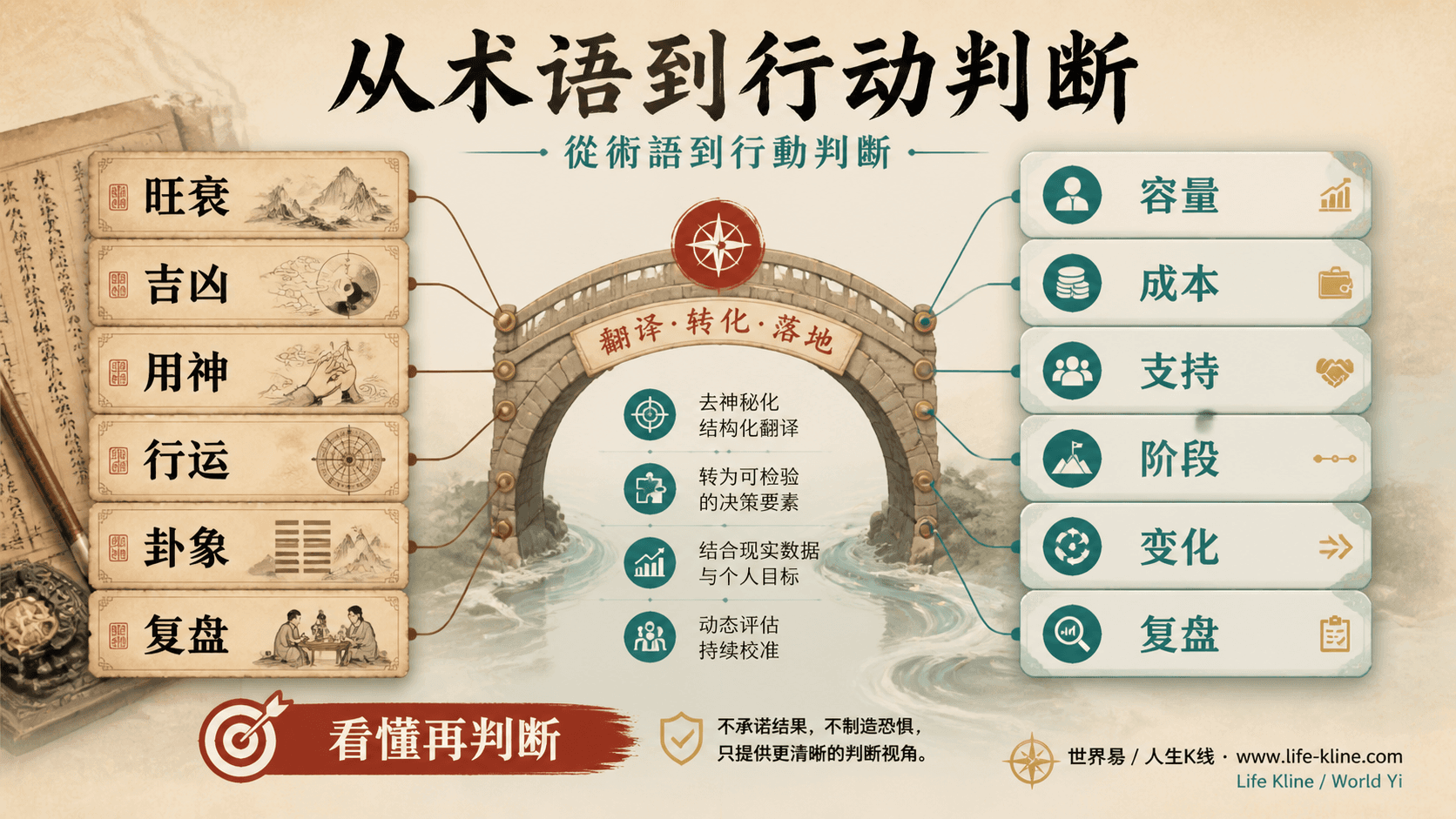
Bazi-style timing frameworks can help by revealing periods of heightened friction or smoother flow in personal cycles, which often explain why certain conversations or decisions feel disproportionately heavy at particular moments. Yet they cannot resolve the underlying cultural, legal, or emotional incompatibilities themselves, nor can they predict whether two people will ultimately bridge their differences. The real value lies in distinguishing acute pressure points that will pass from chronic mismatches that demand structural change, so the anxiety stops compounding and starts informing more deliberate next steps.
Which variables matter first
The useful question is not "Should I act right now?" but "What exactly am I deciding between?" In most real cases, the key variables are direction, timing, downside cost, and how much runway a person actually has.
A strong public-facing case study should therefore help readers separate emotional urgency from decision structure, so they can see which part of the problem is strategic and which part is merely reactive.
The most common mistakes and costs
People often borrow someone else’s playbook, mistake temporary stress for a long-term verdict, or assume that more information automatically means better decisions. In practice, these habits usually create more noise, not more clarity.
When birth timing, location, current life stage, and real constraints are ignored, a useful framework becomes distorted. That distortion is what makes many readers feel they are "thinking harder" while actually getting less precise.
How to turn this into a personal decision
Public content can help readers understand the logic of a situation, but it cannot replace a decision calibrated to their own timing and context. The practical next step is to test the same variables against personal birth data, location, and the decision they are facing now.
That is where a general framework becomes useful instead of decorative: readers move from broad recognition to a specific decision path, with clearer trade-offs, clearer timing, and fewer avoidable mistakes.
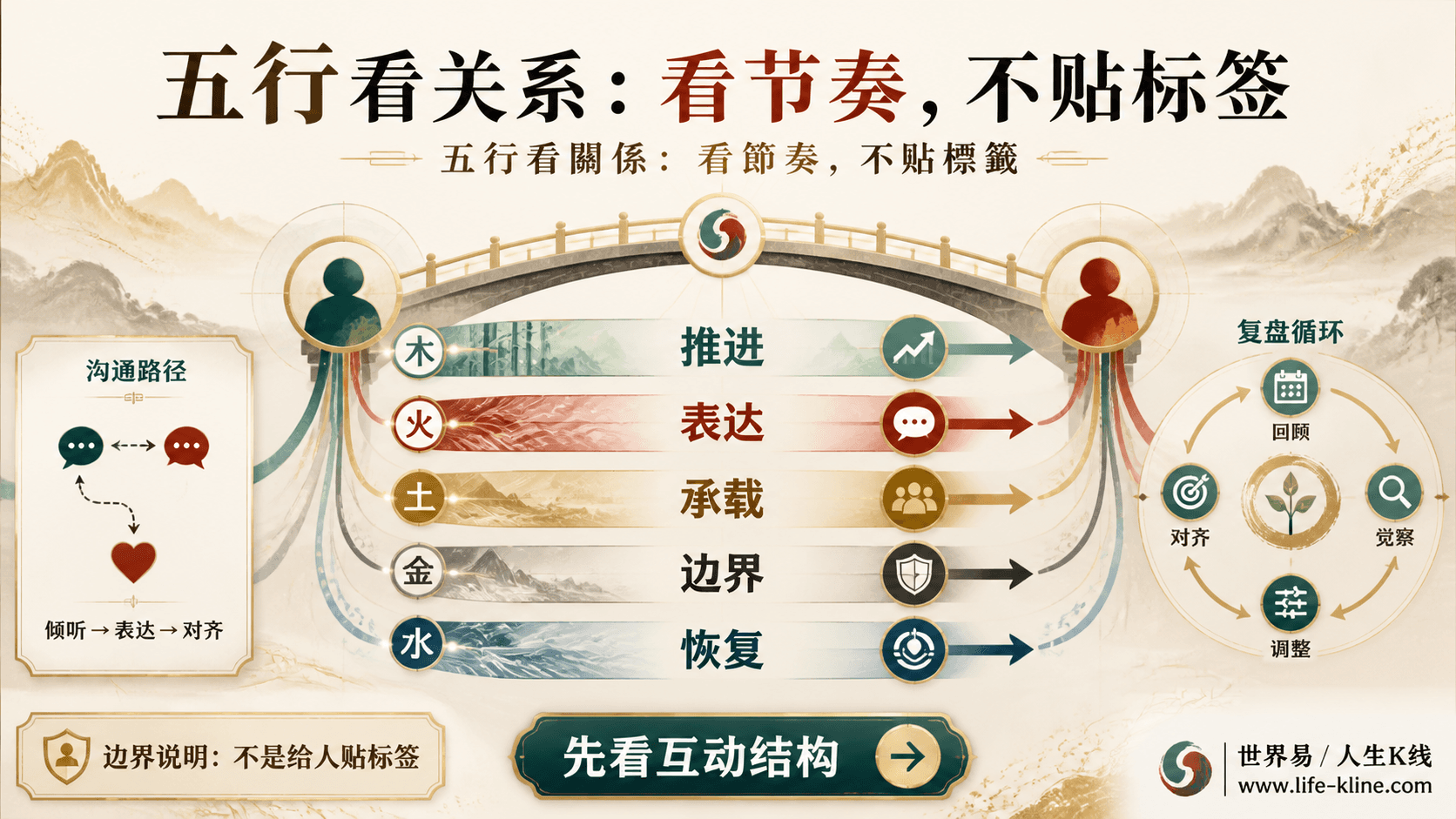
五行与关系节奏图
这张图把《What Bazi-Style Timing Frameworks Can and Cannot Do in Cross-Cultural Relationships》里的命理概念转成关系、边界和应用场景,适合先看图建立结构,再回到案例正文理解细节。
五行提供一种结构化视角,帮助观察关系中的推进、表达、承载、边界与恢复节奏。它不是性格定型工具,而是辅助我们留意互动的时位、环境与动作选择。
查看图片解读